
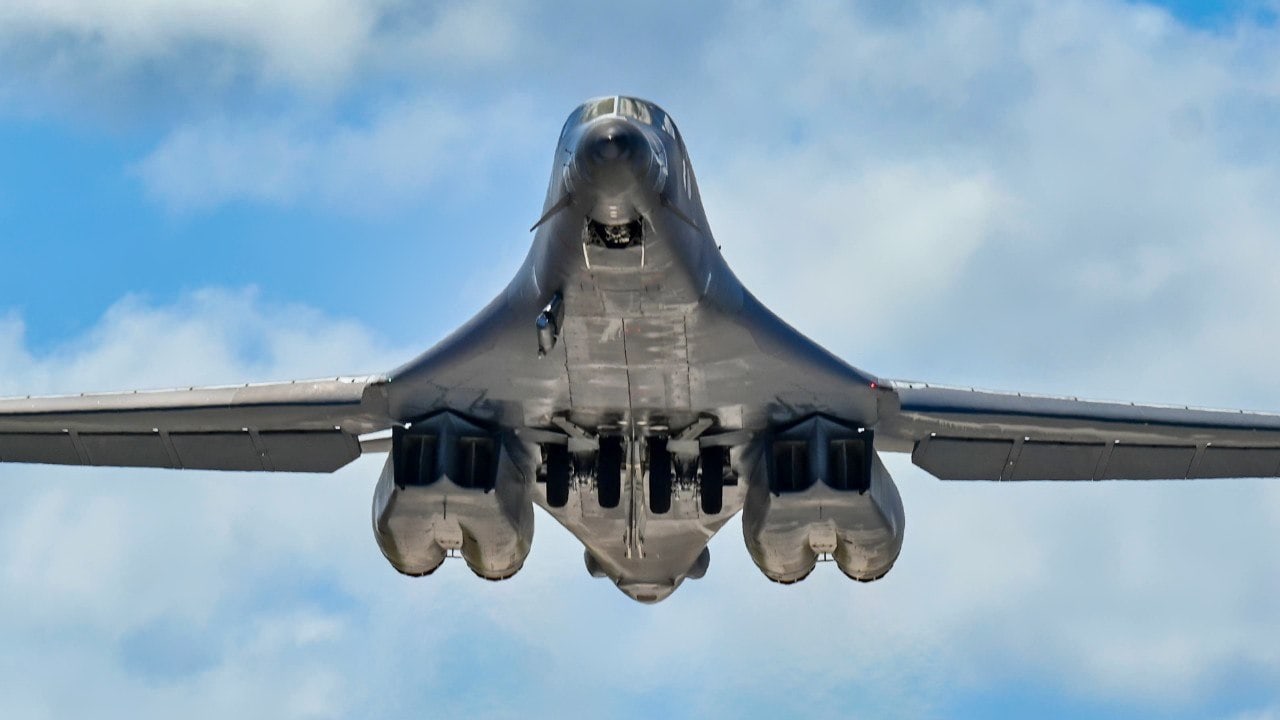
The U.S. Air Force has been spotted integrating hypersonic weapons onto the B-1B Lancer, with footage from Edwards Air Force Base released in late April showing Lockheed Martin’s AGM-183A Air-Launched Rapid Response Weapon mounted externally beneath the bomber. The ARRW is a boost-glide weapon that flies at speeds exceeding Mach 5 and was previously only seen on the B-52H. The B-1B can carry up to 75,000 pounds of weapons and exceed Mach 1.2 — the fastest bomber in U.S. inventory. Boeing has discussed equipping the aircraft with up to six external LAM pylons. China has fielded the DF-17 hypersonic glide vehicle; Russia has used Kinzhal in Ukraine.
The B-1B Lancer ‘Hypersonic’ Bomber
The U.S. Air Force appears to be moving forward with plans to integrate hypersonic weapons onto the B-1B Lancer after newly released footage from Edwards Air Force Base showed the bomber carrying an AGM-183A Air-Launched Rapid Response Weapon (ARRW) for the first time publicly.
The short clip, released in late April, showed the missile mounted externally beneath the aircraft’s fuselage, marking a significant development for a program that had previously faced repeated testing setbacks and uncertainty about its future.
Previously, the ARRW was only understood to be in testing with the B-52H Stratofortress – and the appearance of the weapon on the B-1B strongly suggests the Air Force is looking to expand its hypersonic integration work.
It comes as the U.S. continues to build its long-range standoff strike capabilities in anticipation of a potential future conflict with China or Russia.
The Pentagon is increasing investment in the hypersonic weapons space amid growing concern that both Beijing and Moscow are building and deploying their own systems. China has fielded the DF-17 hypersonic glide vehicle, while Russia has already used Kinzhal hypersonic missiles during the war in Ukraine.
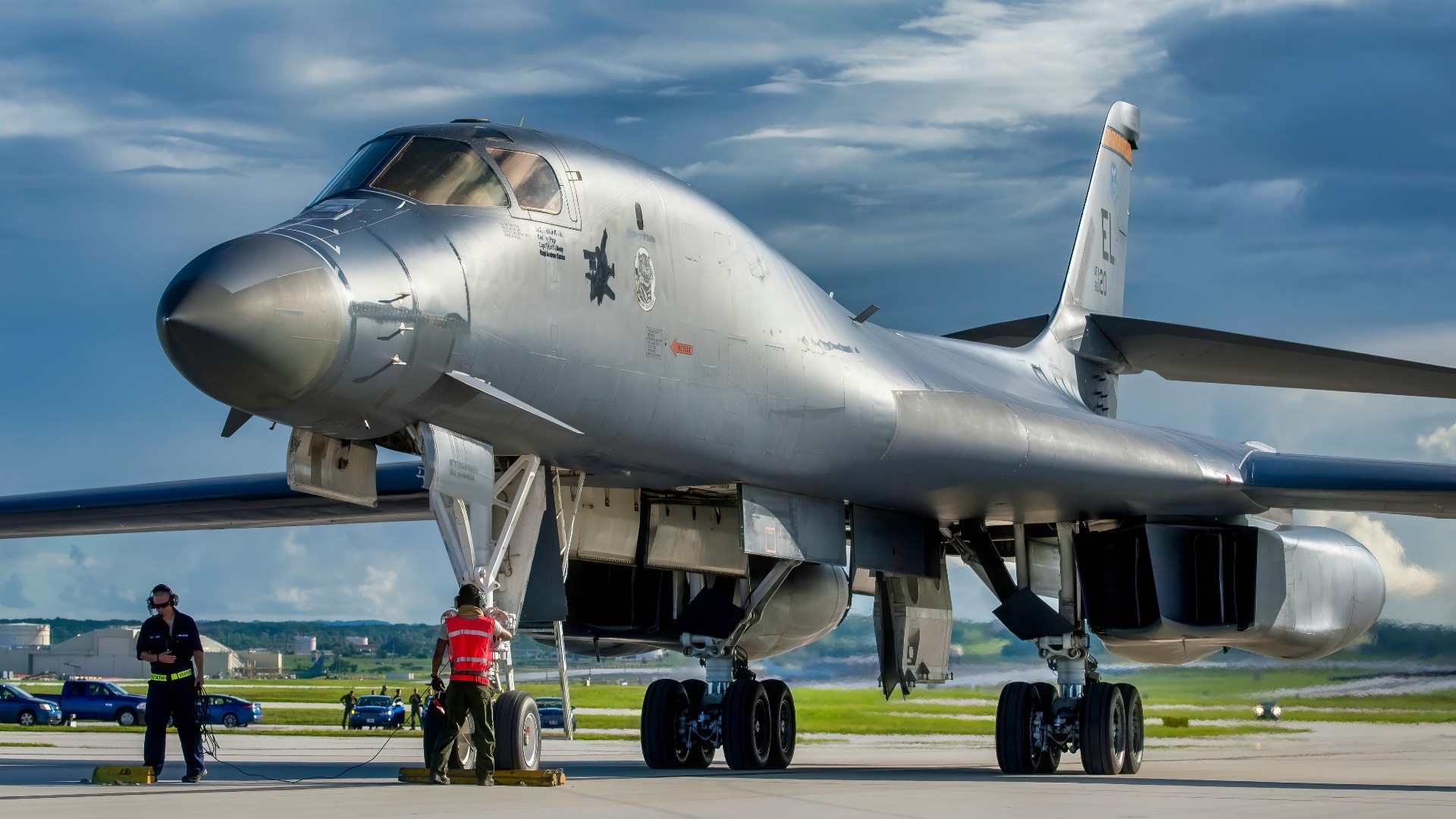
A U.S. Air Force B-1B Lancer assigned to the 37th Expeditionary Bomb Squadron, deployed from Ellsworth Air Force Base (AFB), S.D., arrives at Andersen AFB, Guam July 26, 2017. These aircraft, and the men and women who fly and support them, provide a significant capability that enables our readiness and commitment to deterrence, provides assurances to our allies, and strengthens regional security and stability in the Indo-Asia-Pacific region. (U.S. Air Force photo/Airman 1st Class Christopher Quail)
The B-1B Is Becoming a Hypersonic Test Platform
The Edwards Air Force Base footage shared online showed the ARRW mounted on an external pylon beneath the B-1B’s fuselage, in a position previously used for JDAM testing and Sniper targeting pods.
While the clip lasted only a few seconds, it provided the clearest indication yet that the bomber is now actively participating in hypersonic weapons integration work. We have also included our own B-1B Lancer video footage and photos from our visit to the National Museum of the U.S. Air Force in this article.
The effort is connected to the Air Force’s Load Adaptable Modular (LAM) pylon program, which is intended to dramatically expand the B-1B’s ability to carry oversized external weapons.
The Air Force has already successfully demonstrated the bomber’s ability to carry and release a 5,000-pound class store from a LAM pylon.
The pylons are designed to allow the aircraft to carry either two 2,000-pound-class weapons or a single larger weapon exceeding 5,000 pounds.
The ARRW falls into the latter category. Boeing and the Air Force have also discussed equipping the bomber with as many as six external pylons, potentially allowing the B-1B to carry a massive volume of standoff weapons.
The B-1B is a particularly attractive option for the program because of its enormous payload capacity and speed.

A U.S. Air Force B-1B Lancer assigned to the 34th Expeditionary Bomb Squadron, Ellsworth Air Force Base, S.D., descends after conducting aerial refueling with a KC-135 Stratotanker assigned to the 506th Expeditionary Air Refueling Squadron in support of Bomber Task Force 25-1 over the Pacific Ocean, Mar. 4, 2025. Bomber Task Force enhances readiness, to include joint and multilateral, to respond to any potential crisis or challenge in the Indo-Pacific. (U.S. Air Force photo by Airman 1st Class Alec Carlberg)

A U.S. Air Force B-1B Lancer assigned to the 345th Expeditionary Bomb Squadron, decends for landing at Ørland Air Base, Norway, during a Bomber Task Force Europe deployment, Aug. 9, 2025. The BTF mission highlights how we deliver effects rapidly across dynamic and contested environments through integrated training. (U.S. Air Force photo by Staff Sgt. Tambri Cason)
The aircraft can carry up to 75,000 pounds of weapons and can reach speeds exceeding Mach 1.2, making it the fastest bomber currently in the U.S. inventory.
The Air Force is also likely interested in using the B-1B because the B-52 fleet is already heavily engaged in nuclear deterrence duties and extensive modernization, including new engines, radar upgrades, and nuclear cruise missile integration.
Why the Pentagon Still Wants ARRW
The ARRW program has had a turbulent history.
Developed by Lockheed Martin, the boost-glide weapon is designed to travel at hypersonic speeds exceeding Mach 5 after launch from a bomber aircraft. A rocket booster accelerates the glide vehicle before separating and maneuvering toward its target at extremely high speed.
The weapon is intended to strike heavily defended, high-value, time-sensitive targets such as missile launchers, command-and-control centers, and air defense infrastructure. The goal is to reduce enemy reaction time to only a few minutes while allowing American bombers to remain outside hostile air defense networks.
ARRW experienced multiple testing failures between 2021 and 2023, prompting the Air Force to scale back procurement plans and shift greater attention to the separate Hypersonic Attack Cruise Missile (HACM) program.
However, the Pentagon now wants both systems operational simultaneously. According to Fiscal Year 2027 budgets, the Air Force is seeking funding for continued ARRW development, including work on an upgraded “Increment 2” version of the weapon.
China and Russia Are Driving the Hypersonic Race
Hypersonic weapons are increasingly necessary for future great-power conflicts because China and Russia are already building and fielding them.
China’s expanding anti-access and area-denial network includes long-range missiles designed to threaten American carriers, air bases, and logistics hubs throughout the region.
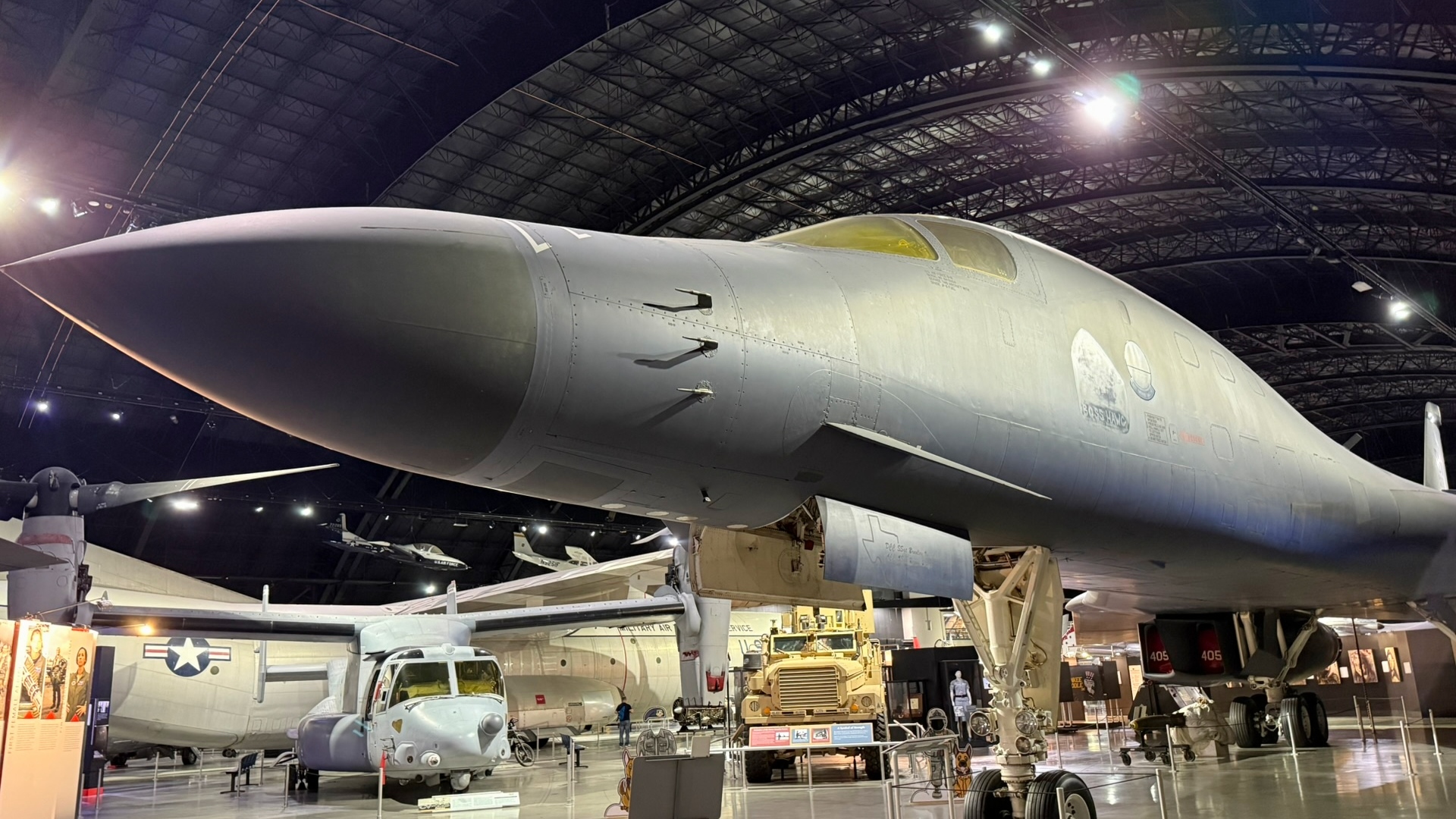
Sideview of B-1B Lancer Bomber. Image Credit: National Security Journal.
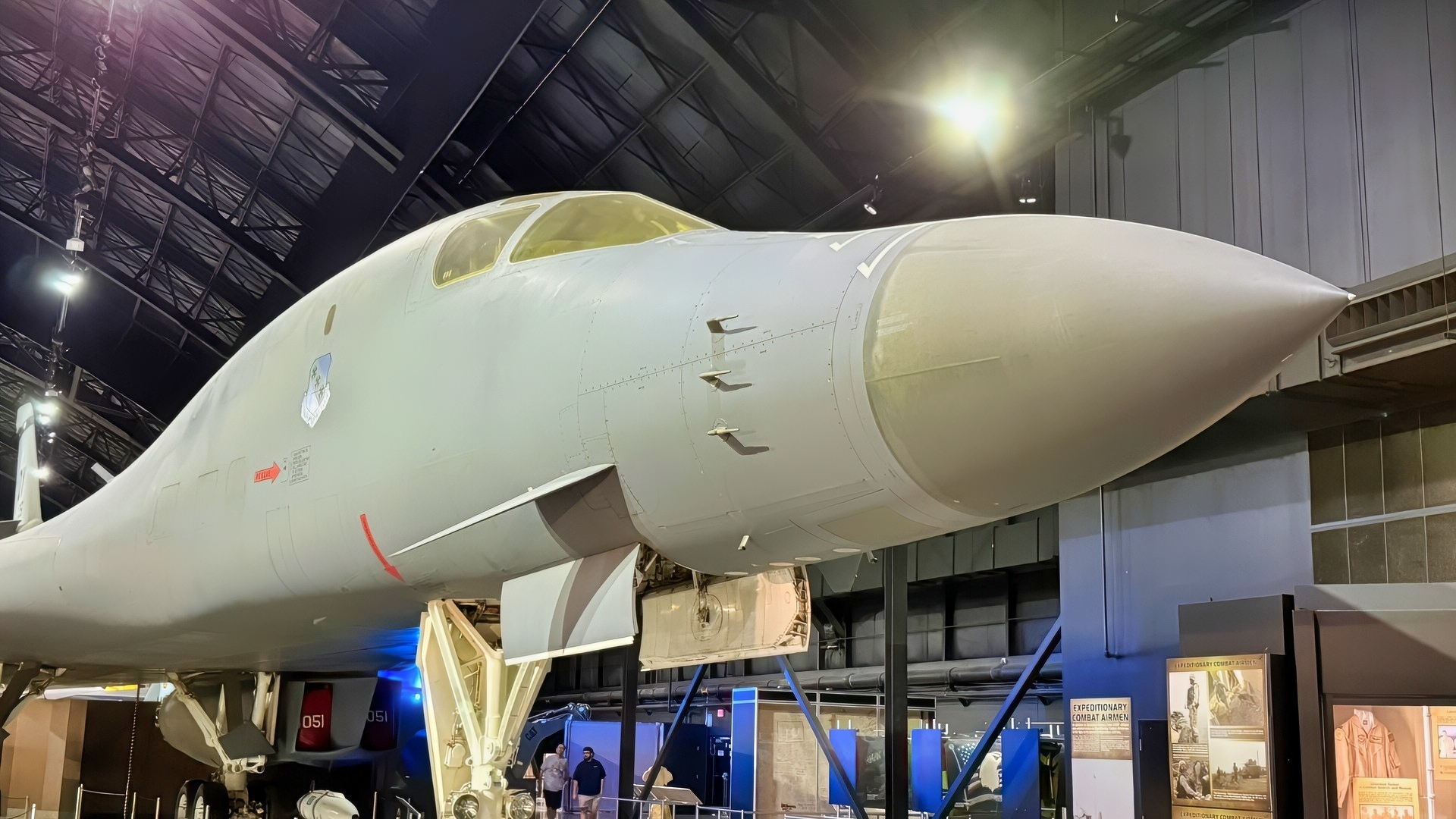
B-1B Lancer 2025 National Security Journal. Image Credit: Harry J. Kazianis/NSJ.
Hypersonic weapons complicate missile defense because they travel at extremely high speeds while maneuvering unpredictably during flight. That combination reduces interception opportunities and shortens warning times for defending forces.
However, the weapons also carry the risk of escalation. Because both China and Russia are developing dual-capable hypersonic systems that could carry either conventional or nuclear warheads, an adversary under attack may struggle to quickly determine the nature of an incoming strike, risking overreaction. F
or the Air Force, pairing hypersonic missiles with bombers like the B-1B creates a long-range strike option that can operate from distant bases in Guam, Australia, or elsewhere in the Pacific while still threatening targets deep inside contested regions.
The B-1B Still Matters
Although the B-1B was expected to retire during the next decade, the aircraft continues to play a major role in the Air Force’s long-range conventional strike strategy.
The bomber first entered service in the 1980s and has since participated in operations across Iraq, Afghanistan, Syria, and, more recently, missions in Iran.
The Air Force cannot rapidly replace the bomber fleet with the new B-21 Raider because the stealth aircraft is still in early production and years away from reaching full operational scale.
As a result, the service plans to keep the B-1B operational into at least the late 2030s while continuing modernization work.
It means that an aircraft built as a Cold War penetrating bomber could become a heavily armed hypersonic missile carrier designed to launch large salvos of long-range standoff weapons in conflicts years from now.
MORE – ‘She Can Shoot Down an F-22’: China’s J-20 Stealth Fighter Has Arrived
MORE – China’s J-35A Stealth Fighter Has a Message for the U.S. Air Force
About the Author: Jack Buckby
Jack Buckby is a British researcher and analyst specializing in defense and national security, based in New York. His work focuses on military capability, procurement, and strategic competition, producing and editing analysis for policy and defense audiences. He brings extensive editorial experience, with a career output spanning over 1,000 articles at 19FortyFive and National Security Journal, and has previously authored books and papers on extremism and deradicalization.


