
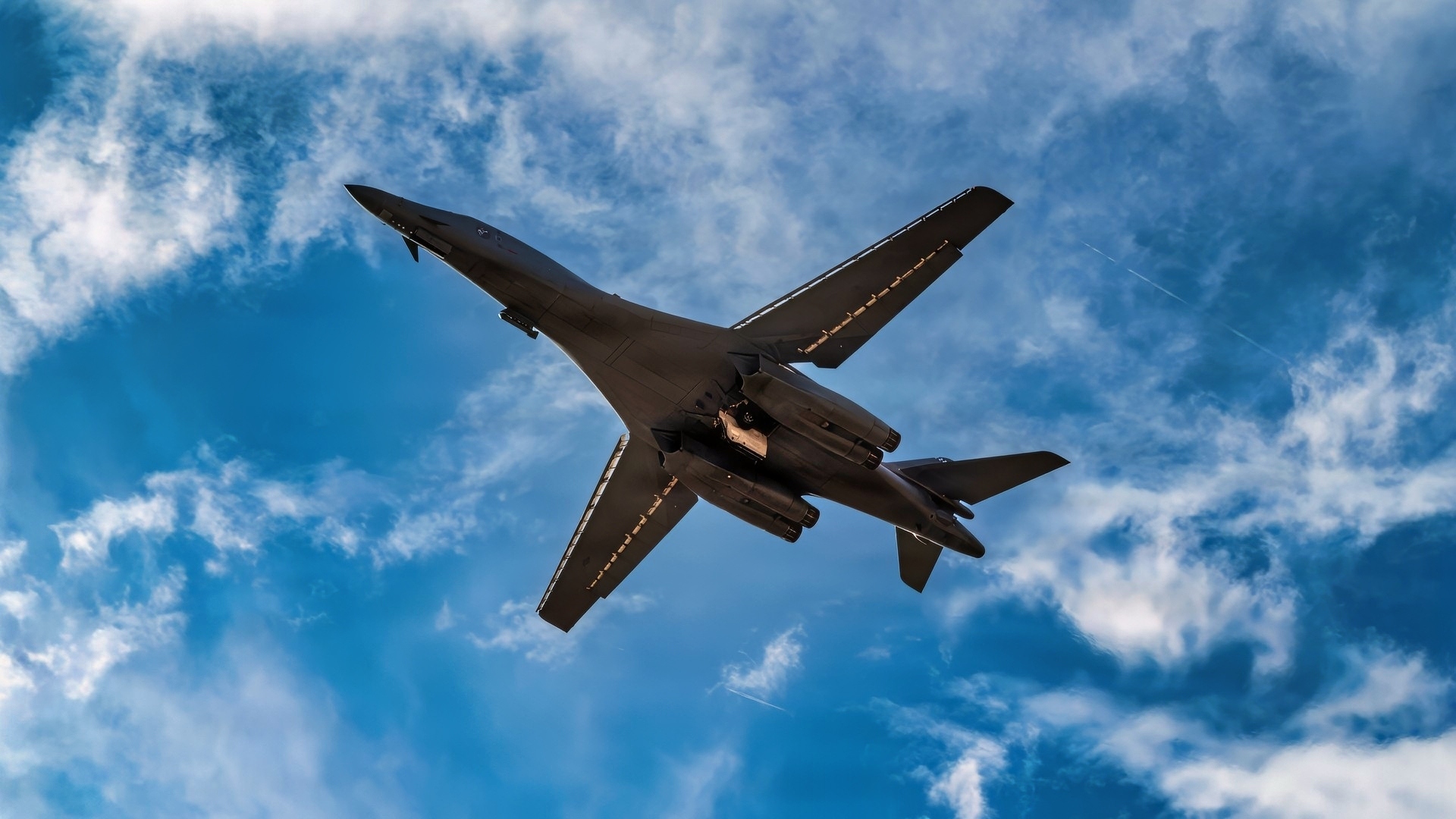
The U.S. Air Force has returned a B-1B Lancer bomber to operational service months ahead of schedule after completing one of the most significant structural repair efforts ever performed on the aircraft, as the Pentagon increasingly looks for ways to keep aging bomber fleets combat-ready during a period of growing global military demand.
The bomber departed McConnell Air Force Base in Kansas on May 11 following a massive repair effort involving the replacement of its Forward Intermediate Fuselage, or FIF, a critical 33-foot structural section forming part of the aircraft’s upper spine.
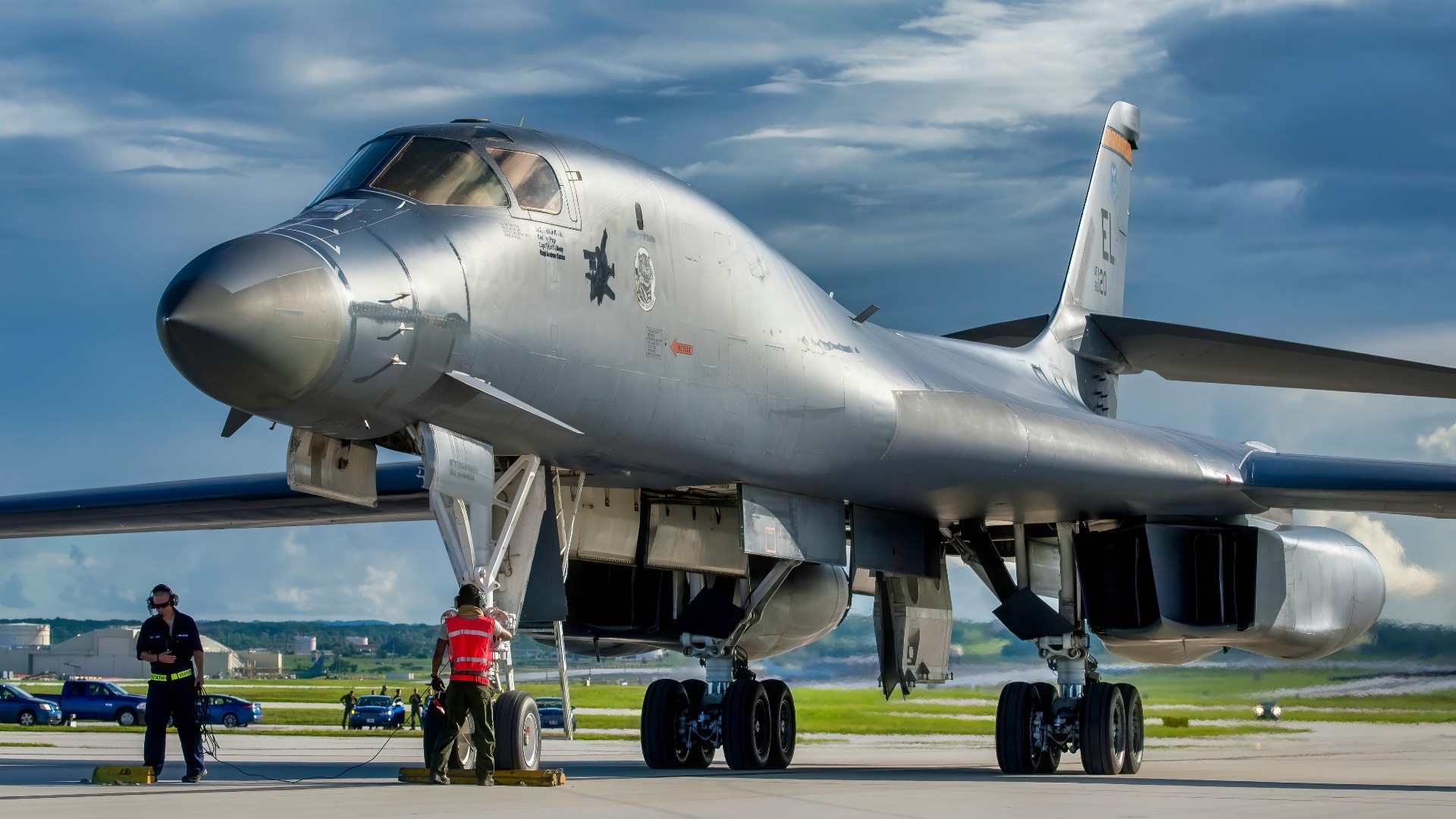
A U.S. Air Force B-1B Lancer assigned to the 37th Expeditionary Bomb Squadron, deployed from Ellsworth Air Force Base (AFB), S.D., arrives at Andersen AFB, Guam July 26, 2017. These aircraft, and the men and women who fly and support them, provide a significant capability that enables our readiness and commitment to deterrence, provides assurances to our allies, and strengthens regional security and stability in the Indo-Asia-Pacific region. (U.S. Air Force photo/Airman 1st Class Christopher Quail)
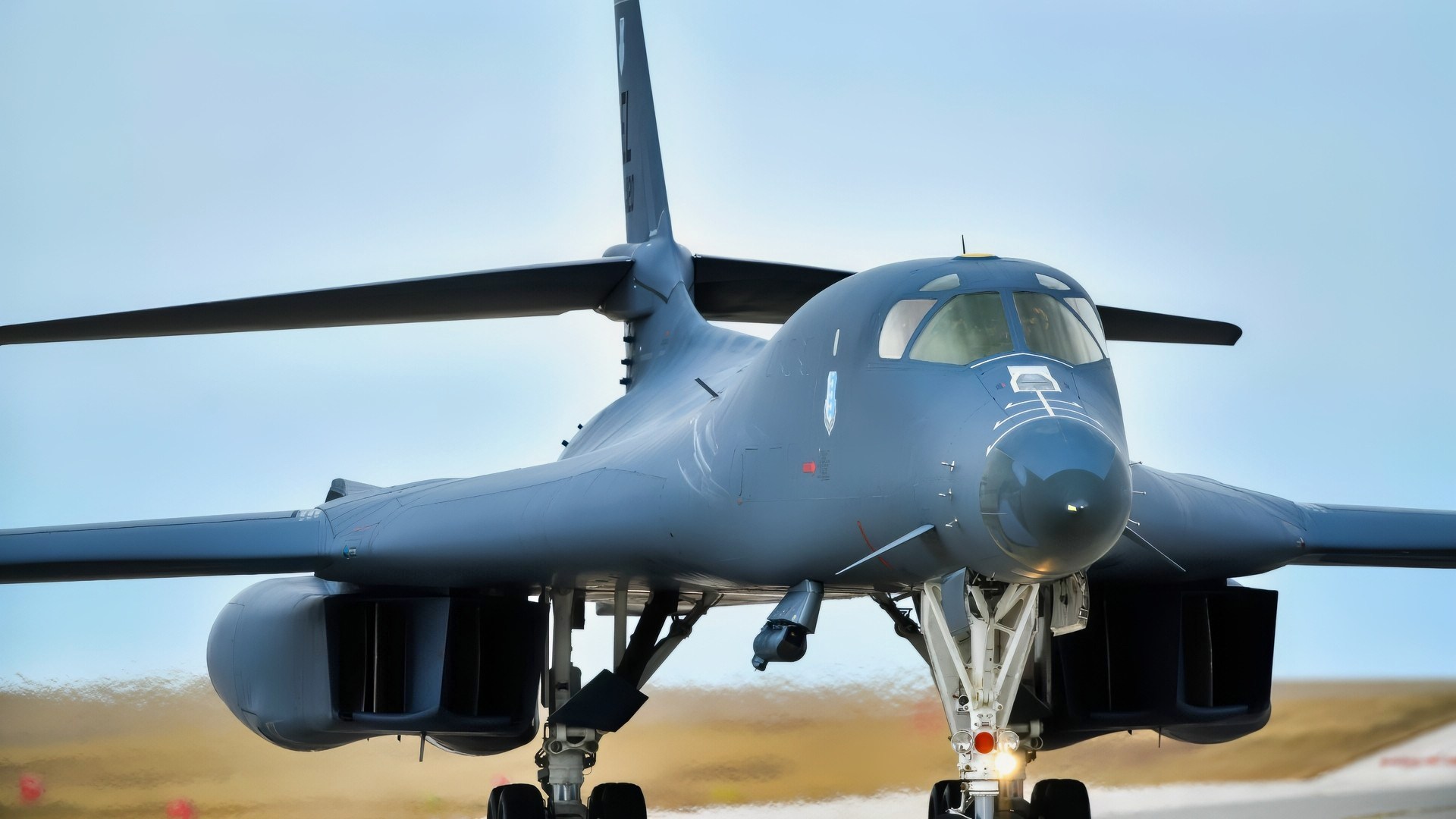
A U.S. Air Force B-1B Lancer assigned to the 37th Bomb Squadron taxis off the runway at Ellsworth Air Force Base, S.D., after completing a CONUS-to-CONUS mission, Nov. 03, 2024. All missions are closely planned with the appropriate Geographic Combatant Commands, Allies, and partners to ensure maximum training and integration opportunities as well as compliance with all national and international requirements and protocols. (U.S. Air Force photo by Airman Alec Carlberg)
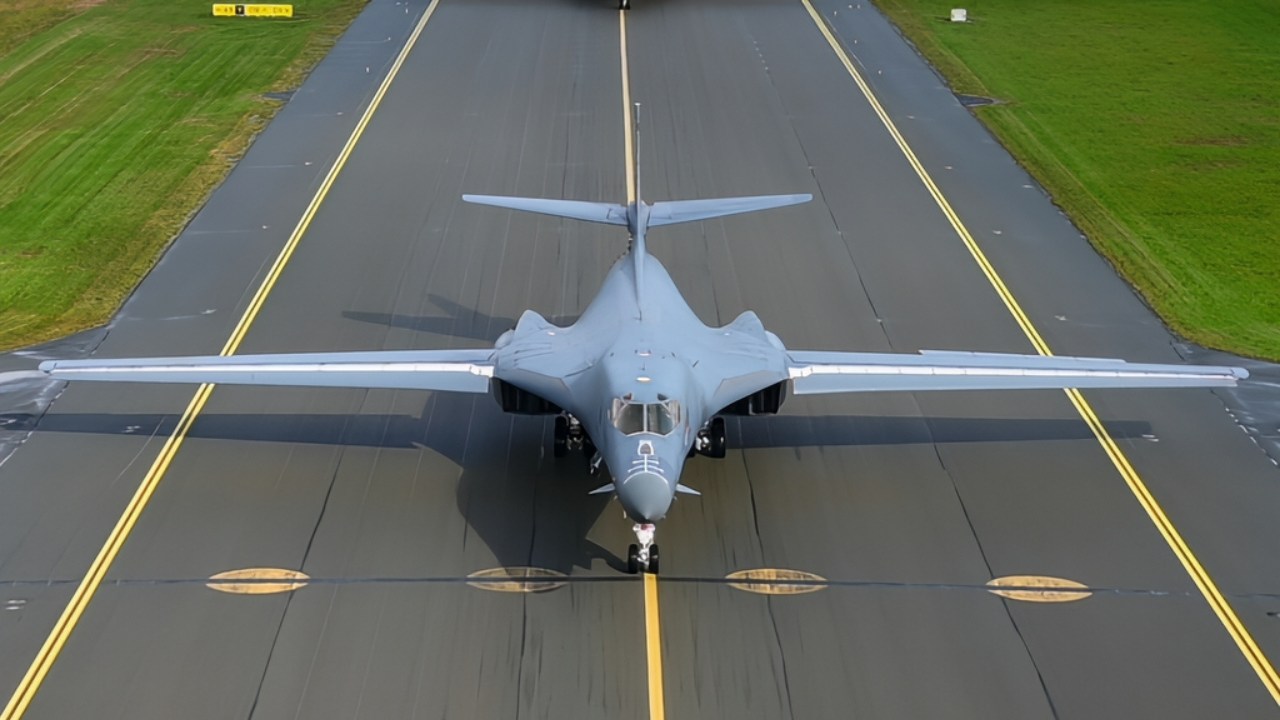
A U.S. Air Force Airman, assigned to the 345th Expeditionary Bomb Squadron, stands a B-1B Lancer during a Bomber Task Force Europe mission at Ørland Air Base, Norway, Aug. 21, 2025. BTF missions expose and familiarize aircrew with air bases and operations in different geographic combatant command areas of operations to enable strategic access and integration with coalition forces to deter global conflict. (U.S. Air Force photo by Staff Sgt. Tambri Cason)

A U.S. Air Force B-1B Lancer assigned to the 34th Expeditionary Bomb Squadron, Ellsworth Air Force Base, S.D., descends after conducting aerial refueling with a KC-135 Stratotanker assigned to the 506th Expeditionary Air Refueling Squadron in support of Bomber Task Force 25-1 over the Pacific Ocean, Mar. 4, 2025. Bomber Task Force enhances readiness, to include joint and multilateral, to respond to any potential crisis or challenge in the Indo-Pacific. (U.S. Air Force photo by Airman 1st Class Alec Carlberg)
The project was carried out jointly by the Air Force and Wichita State University’s National Institute for Aviation Research under the “BackBONE Project,” a major effort intended to extend the operational life of the B-1 fleet.
The B-1B Lancer Bomber Won’t Be Denied
The aircraft originally arrived at McConnell in September 2025 and was expected to require roughly a full year of work. Instead, officials say the bomber returned to service approximately three-and-a-half months ahead of schedule after engineers used advanced digital modeling and “digital twin” technology to accelerate the repair timeline.
The unexpectedly quick return comes as the Air Force faces growing pressure to maintain bomber readiness amid continued operations across the Middle East, Europe, and the Indo-Pacific.
The B-1B fleet has remained heavily tasked in recent years, including bomber missions connected to the 2026 Iran conflict and continuing long-range deterrence deployments.
At the same time, the service is attempting to bridge the gap until the Northrop Grumman B-21 Raider enters larger-scale operational service later this decade.
The Secret? Digital Engineering
According to the Air Force, one of the biggest reasons the repair was completed ahead of schedule was the extensive use of digital engineering tools developed over several years by the National Institute for Aviation Research (NIAR).
Since 2020, engineers have been scanning retired B-1 aircraft and legacy technical drawings to create highly detailed three-dimensional models of the bomber.
Before physical work began on the operational aircraft, engineers digitally sequenced the repair and then tested portions of the process on a prototype structure. The Air Force said laser measurement systems were then used to transfer exact measurements from the aircraft directly to the fixture where the replacement fuselage section was manufactured.
“When we started work on the aircraft, we were looking at a 12-month repair,” Abigail Ngo of the Air Force Life Cycle Management Center’s B-1 Program Office said in a statement. “All in all, we were three-and-a-half months ahead of schedule. That is a good news story in itself—just the speed at which we were able to do a really hard thing.”
A U.S. Air Force B-1B Lancer assigned to the 345th Expeditionary Bomb Squadron is photographed after landing at Dyess Air Force Base, Texas, Aug. 22, 2025. Three bombers deployed for Bomber Task Force Europe with a total force integration team composed of roughly 30% active-duty and 70% reserve Airmen from the 7th Bomb Wing and 489th Bomb Group. (U.S. Air Force photo by Senior Airman Jade M. Caldwell)

A U.S. Air Force B-1B Lancer assigned to the 345th Expeditionary Bomb Squadron, decends for landing at Ørland Air Base, Norway, during a Bomber Task Force Europe deployment, Aug. 9, 2025. The BTF mission highlights how we deliver effects rapidly across dynamic and contested environments through integrated training. (U.S. Air Force photo by Staff Sgt. Tambri Cason)

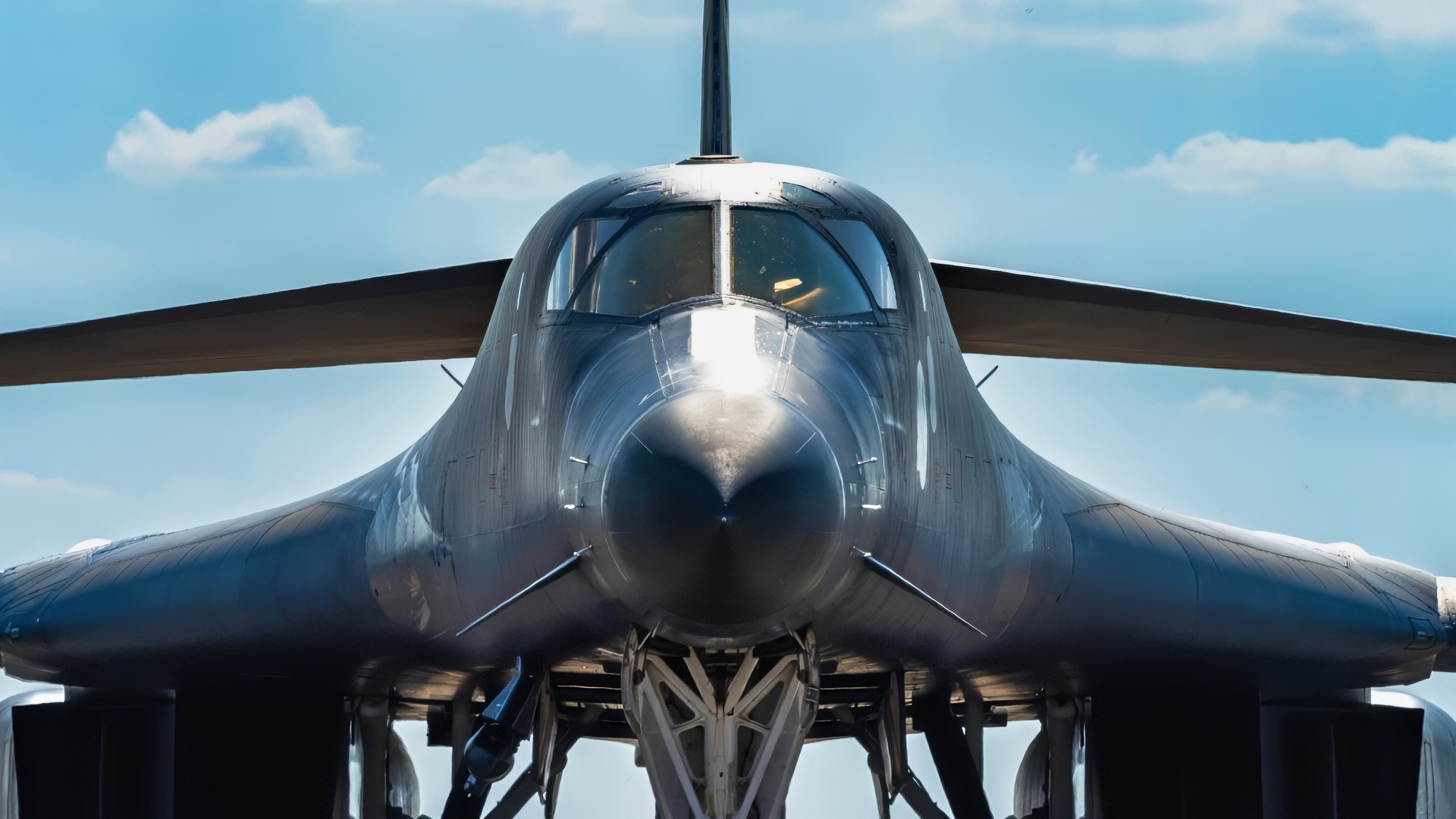
B-1B Lancer Bomber in Museum in Dayton, Ohio. Image Credit: Harry J. Kazianis/National Security Journal.
Joe Stupic, senior material leader and division chief of the B-1 Program Office, said the repair will also reduce future maintenance burdens on the aircraft.
“It was a big team effort, a great win, and the field gets back a better jet. A jet that will require fewer inspections because of this repair,” Stupic said.
Maintenance personnel from the 22nd Maintenance Group at McConnell and the 7th Maintenance Group from Dyess Air Force Base completed system restoration work before the bomber returned to Air Force Global Strike Command.
The Air Force Is Increasingly Dependent on the B-1
The repair is a good reminder of how heavily the Air Force still depends on the B-1B, despite the aircraft’s advanced age and plans to replace it in the long term.
Originally developed during the Cold War, the variable-sweep wing bomber entered service in the 1980s and evolved into one of the Air Force’s primary conventional strike aircraft after the end of its nuclear mission.
The bomber carries the largest conventional payload in the Air Force inventory and has been extensively used in conflicts ranging from Kosovo and Iraq to Afghanistan and more recent operations in the Middle East.
During the first six months of Operation Enduring Freedom after the September 11 attacks, B-1s delivered nearly 40 percent of coalition bomb tonnage despite flying a comparatively small share of sorties.
The fleet has also experienced years of heavy operational stress. Long deployments, repeated combat operations, and sustained high sortie rates accelerated structural fatigue issues across the aircraft.
Congress currently requires the Air Force to maintain a fleet of 45 operational B-1Bs, limiting the service’s ability to retire additional bombers even as maintenance demands continue rising.
That pressure has become increasingly visible as the Air Force simultaneously prepares for potential future conflicts involving China while continuing global bomber task force operations.
B-1 deployments to Europe and the Pacific have become routine over the past several years as Washington attempts to demonstrate its long-range strike capability against both Russia and China.
The B-1B fleet is also currently receiving upgraded external pylons designed to allow the bomber to carry more hypersonic and stand-off weapons, including ARRW test configurations.
About the Author: Jack Buckby
Jack Buckby is a British researcher and analyst specializing in defense and national security, based in New York. His work focuses on military capability, procurement, and strategic competition, producing and editing analysis for policy and defense audiences. He brings extensive editorial experience, with a career output spanning over 1,000 articles at 19FortyFive and National Security Journal, and has previously authored books and papers on extremism and deradicalization.


