


A French Dassault Rafale fighter notionally shot down an American F-35A Lightning II at Exercise Atlantic Trident over Finland in 2025. Cockpit video shows the French pilot acquiring radar lock and saying take the shot — observer-controllers ruled the engagement a kill. The exercise involved roughly 40 aircraft and 1,000 personnel, including Finnish F/A-18 Hornets and British Eurofighter Typhoons. The Rafale is a non-stealthy fourth-generation-plus fighter equipped with the SPECTRA electronic warfare suite, an AESA radar, and the Meteor beyond-visual-range missile. The engagement appears to have happened within visual range, where the F-35A’s stealth advantage is reduced. A French Rafale also notionally shot down an F-22 Raptor in 2009.
Dassault Rafale vs. F-35A: Who Wins?
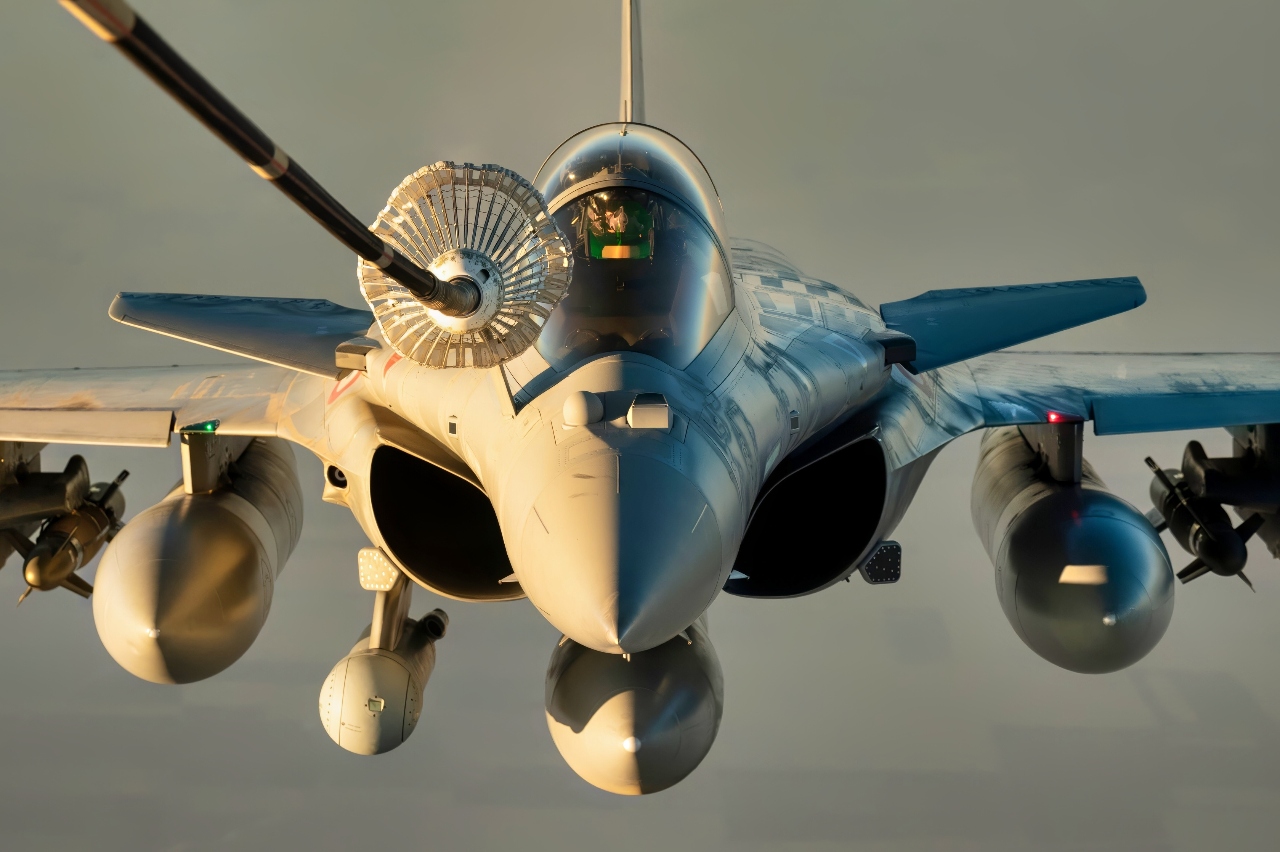
A French Rafale fighter aircraft prepares to receive fuel from a U.S. Air Force KC-10 Extender assigned to the 908th Expeditionary Air Refueling Squadron, during a partner nation aerial refueling mission in the U.S. Central Command area of responsibility, Feb. 20, 2023. The KC-10 provides U.S. and partner nation aircraft the ability to remain in the air for longer durations, maximizing their patrol time and ensuring regional stability. (U.S. Air Force photo by Tech. Sgt. Daniel Asselta)
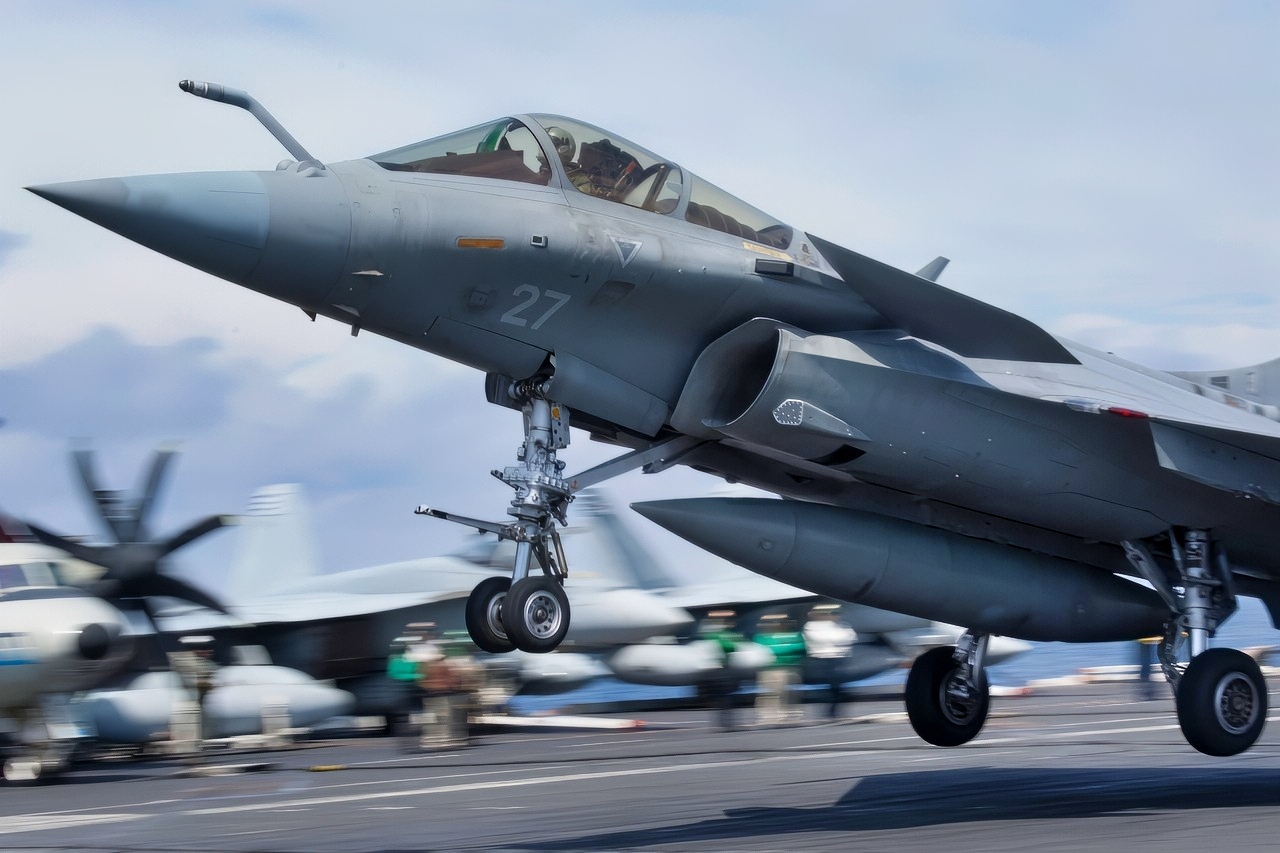
(July 3, 2018) A French Dassault Rafale M Fighter touches down on the flight deck aboard the Nimitz-class aircraft carrier USS Harry S. Truman (CVN 75). Harry S. Truman is currently deployed as part of an ongoing rotation of U.S. forces supporting maritime security operations in international waters around the globe. (U.S. Navy photo by Mass Communication Specialist 3rd Class Rebekah A. Watkins/Released)
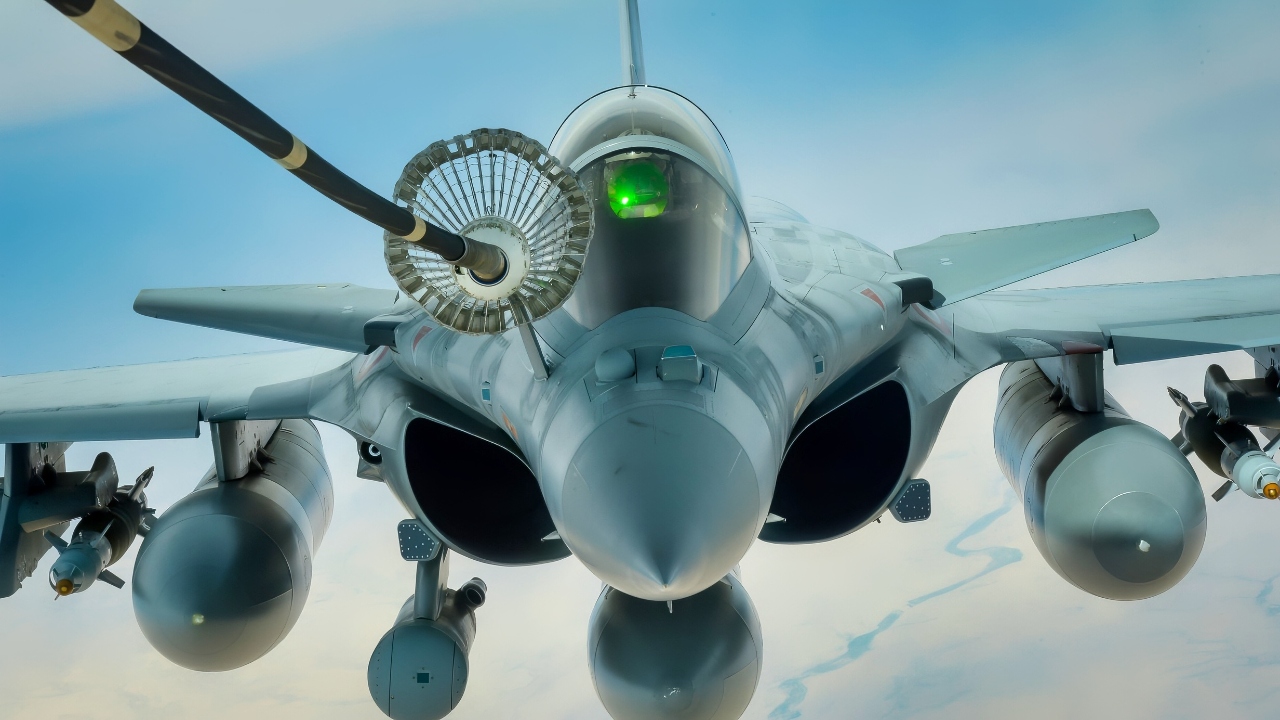
A French air force Dassault Rafale refuels from a U.S. Air Force KC-10 Extender from the 908th Expeditionary Air Refueling Squadron before conducting an aerial refuel during a Combined Joint Task Force – Operation Inherent Resolve mission March 20, 2017. The KC-10 provides aerial refueling capabilities for U.S. and coalition aircraft as they support Iraqi Security Forces and partnered forces as they work to liberate territory under the control of Islamic State of Iraq and Syria. (U.S. Air Force photo by Senior Airman Joshua A. Hoskins)
This event raised eyebrows in the aerospace world. A French Dassault Rafale notionally “shot down” an F-35A Lightning II in a war game. The Rafale acquired missile lock on the F-35A as the American pilot was in the cross hairs, and observer-controllers of Exercise Atlantic Trident in 2025 declared the French aviator the winner in the mock engagement.
The “kill” was surprising, since the F-35A is a radar-evasive fifth-generation jet and the Rafale is a non-stealthy fourth-generation “+” fighter. This had some wondering if it could be repeated in other mock drills and if the F-35A pilot was just having a bad day and was outmaneuvered by the Rafale pilot. The French, of course, trumpeted this in the media, but the Americans chalked it up to a fluke.
More About the War Game
The exercise happened in the skies over Finland, a relatively new member of NATO. The Finns were flying F/A-18 Hornets, and the British deployed Eurofighter Typhoons. The various air force pilots and personnel were evaluated on Agile Combat Employment.
What Was Being Evaluated?
This concept includes rehearsing a high degree of interoperability among the allies and maximizing sortie rates and decentralized operational readiness. Ground crew elements were rated on how well the various airplanes could stay in the air, airplane mission length, turnaround times after maintenance, and refueling.
About 40 airplanes participated in the exercise, with a total of 1,000 personnel. This was not a pure one-on-one dogfighting drill; it was more about rating the various air forces as a whole.
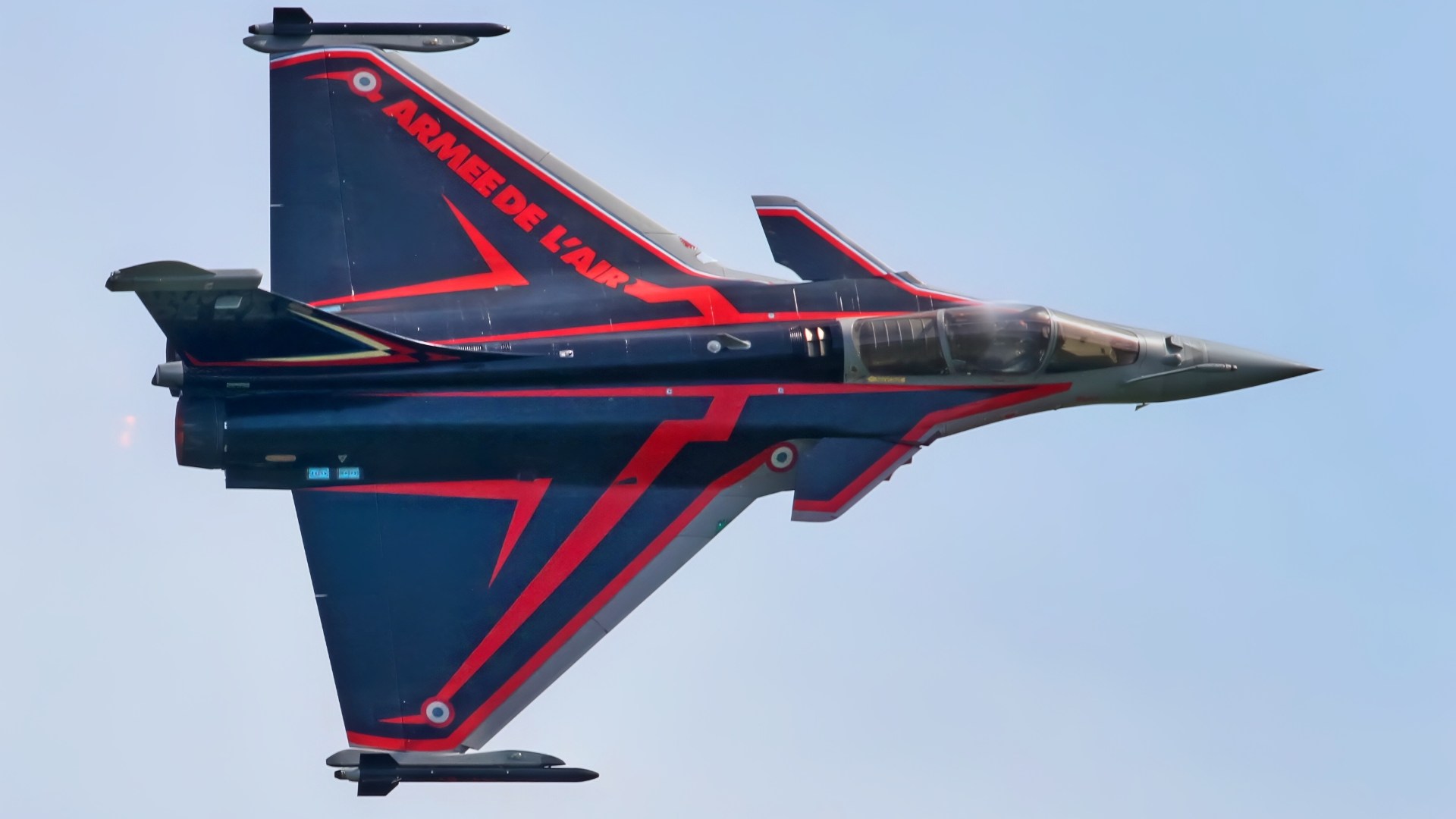
Dassault Rafale Fighter. Image Credit: Creative Commons.
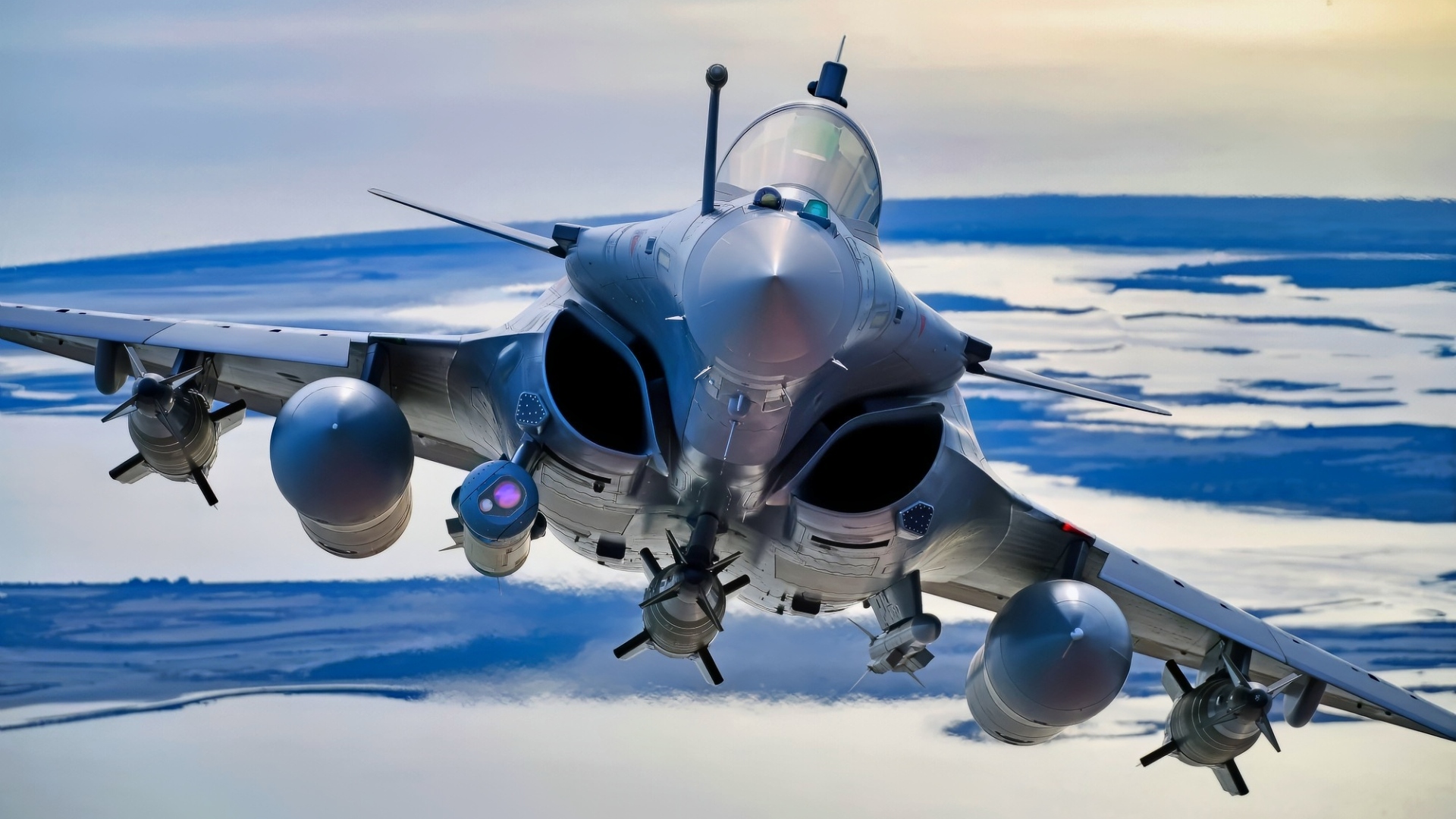
Dassault Rafale Fighter. Image Credit: Dassault.
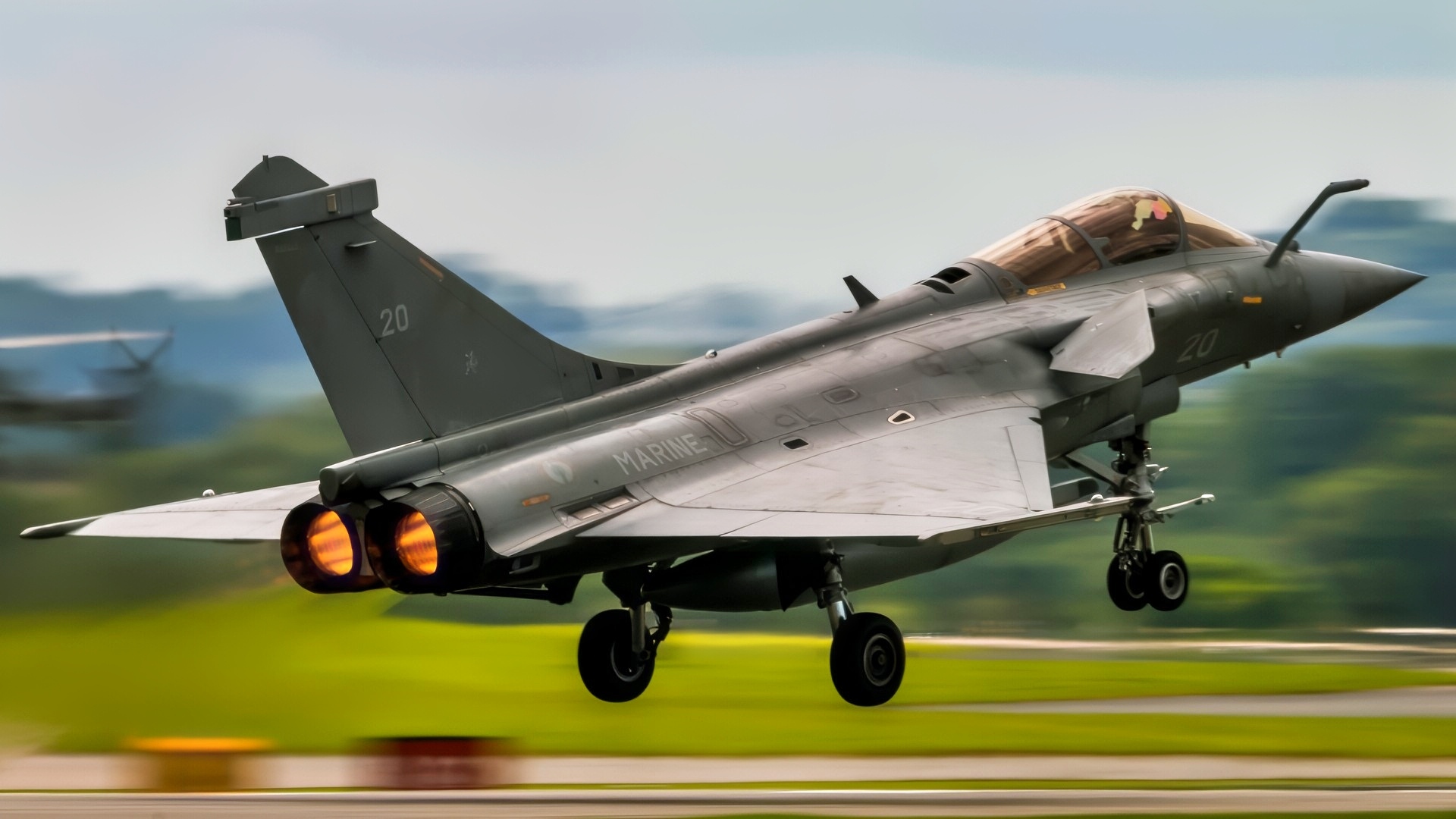
Dassault Rafale. Image Credit: Creative Commons.
Not a Good Look for the Americans
What started all the hubbub in what looked to be a routine exercise? A shocking cockpit video was released. It showed the Rafale acquiring radar lock on the F-35A. The French pilot is heard saying, “Take the shot.” And he engaged missiles notionally. This looked to be a simulated “kill.”
Take a Deeper Dive Into This Occurrence
But let’s back up and take a deeper look at what happened. First, we don’t know the rules of engagement and parameters of the simulation. How fast were the airplanes flying? What was the altitude? How would one describe the aerial order of battle?
The engagement appears to have happened within visual range. This would reduce the F-35A’s stealth at short ranges. The Lightning II is best known for its use of beyond-visual-range missiles such as AMRAAMs. The Rafale could have been using electronic warfare to jam the F-35A’s radar, and the French fighter jet may have moved in when the F-35 was flummoxed by the Rafale’s electronic warfare capabilities.
Electronic Warfare Strength From the French Fighter
Indeed, Rafales have the advanced SPECTRA electronic warfare suite, which can effectively disrupt enemy aircraft. The Dassault models also boast an AESA radar and the Meteor beyond-visual-range missile.
The Rafale likely used its adept infrared search-and-track system to identify the F-35A and rapidly engage it before the Lightning II could deploy countermeasures.
The Rafale has some radar-evading characteristics. While not as stealthy as the F-35A, it can reduce its radar signature. The Meteor is good for long-range engagements.
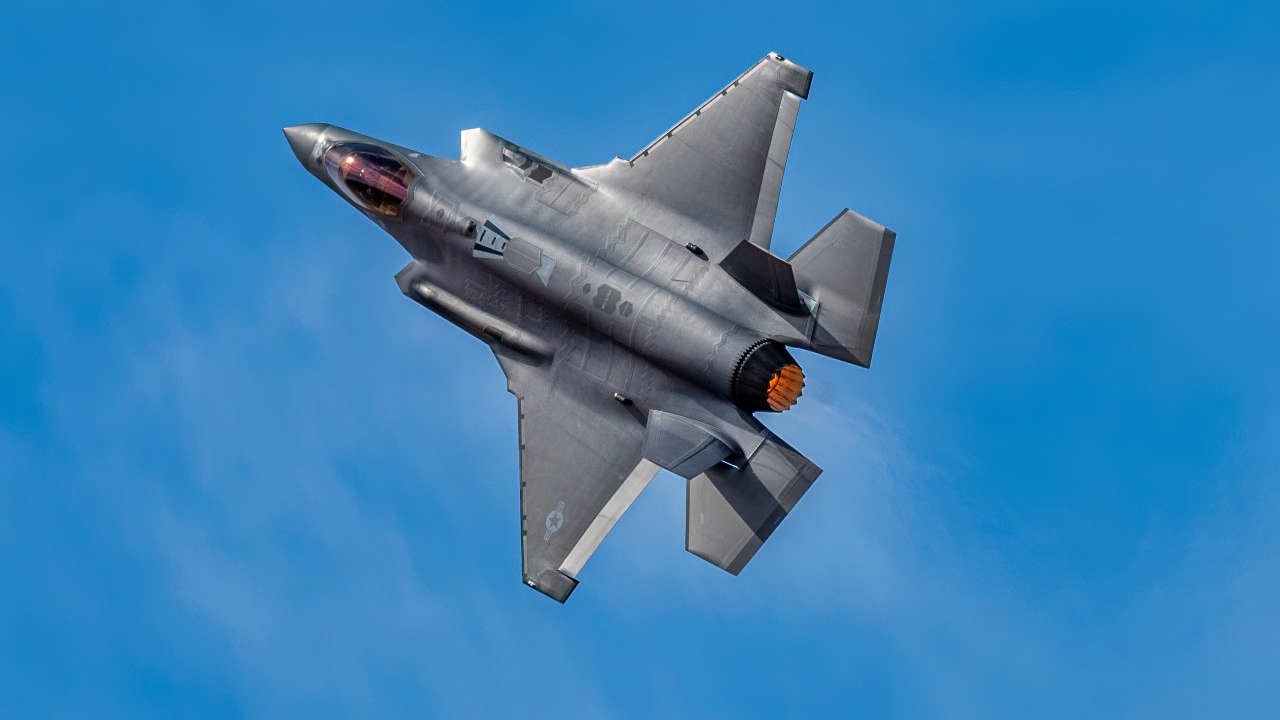
A U.S. Air Force F-35A Lightning II aircraft flies during the Heritage Flight Training Course at Davis-Monthan Air Force Base, Arizona, Feb. 28, 2025. The F-35 is designed to provide the pilot with unsurpassed situational awareness, positive target identification and precision strike in all weather conditions. (U.S. Air Force photo by Senior Airman Jasmyne Bridgers-Matos)
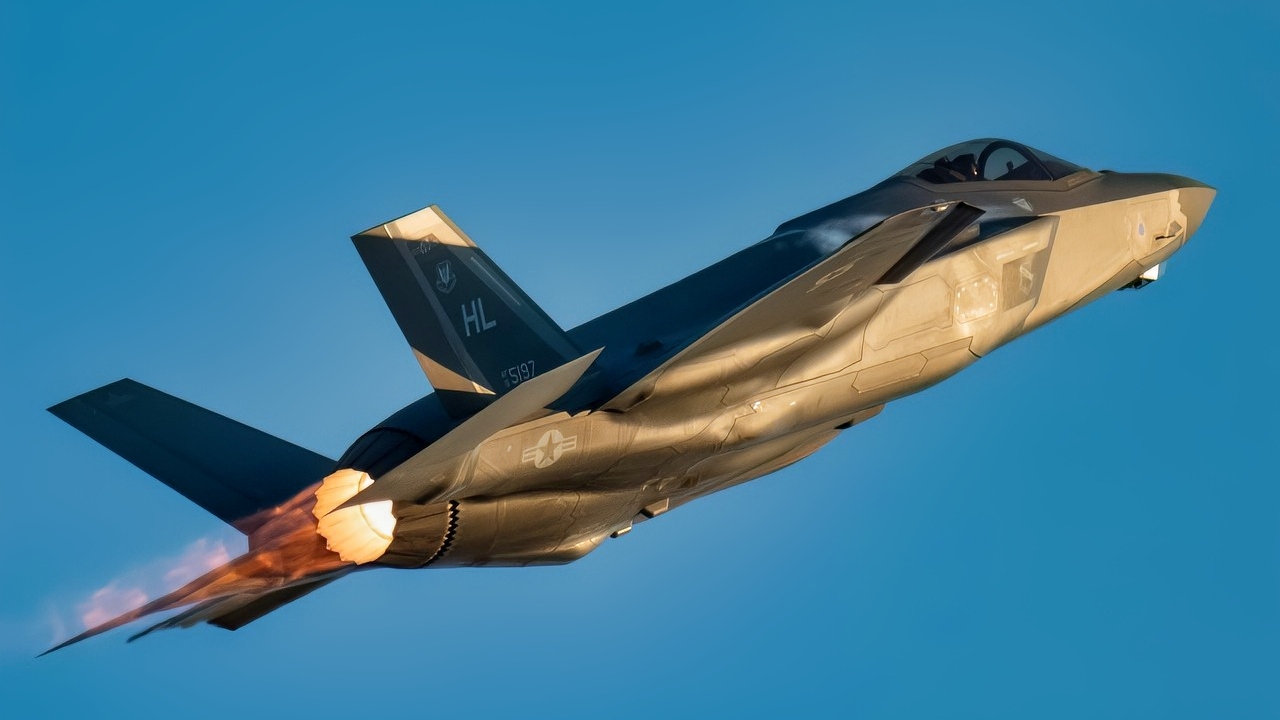
U.S. Air Force Major Kristin “BEO” Wolfe, F-35A Lightning ll Demonstration Team pilot and commander, flies during sunset over Mathers Airport, Calif., Sept. 24th, 2021, at the California Capital Airshow. The team consists of approximately 15 total Airmen to include the pilot and commander, pilot safety officers, superintendent, team chief, maintenance Airmen, aircrew flight equipment specialists, and public affairs personnel. (U.S. Air Force photo by Staff Sgt. Thomas Barley)
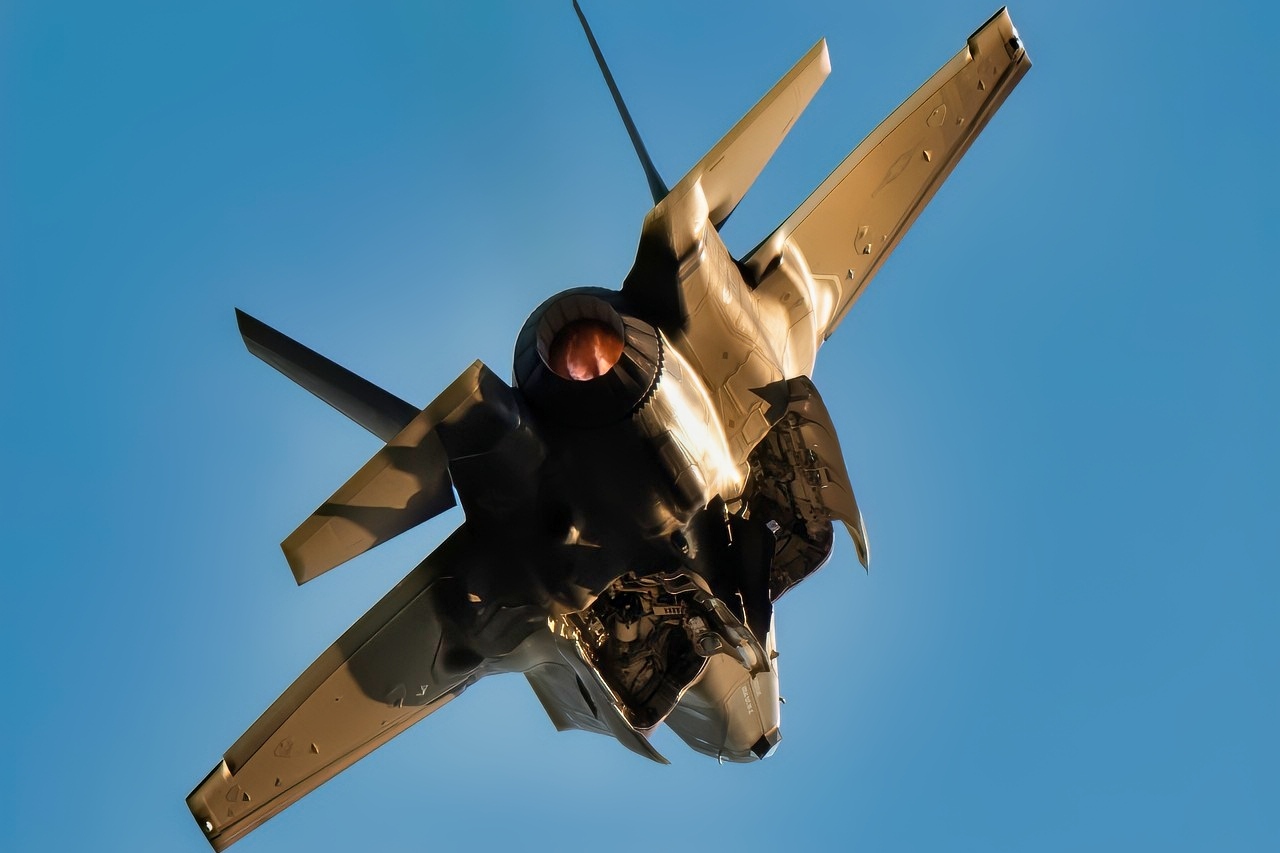
U.S. Air Force Major Kristin “BEO” Wolfe, F-35A Lightning ll Demonstration Team pilot and commander, flies during sunset over Mathers Airport, Calif., Sept. 24th, 2021, at the California Capital Airshow. The team consists of approximately 15 total Airmen to include the pilot and commander, pilot safety officers, superintendent, team chief, maintenance Airmen, aircrew flight equipment specialists, and public affairs personnel. (U.S. Air Force photo by Staff Sgt. Thomas Barley)
What the F-35 Does Best
Meanwhile, the F-35 is a flying computer with great sensor fusion. Its stealthiness reigns supreme. There is also the AN/APG-81 AESA radar. It is designed for beyond-visual-range attacks and has an excellent ability to network with other aircraft.
Rafale Versus Raptor
The Americans held a showdown with an older, less capable Dassault Rafale in 2009. A Rafale scored another simulated kill of an F-22 Raptor during an exercise. So, the French airplane is quite capable of competing with stealth adversaries.
Remember, these are only single simulated wins for the French. We don’t know how the airplanes were being evaluated in other scenarios. This could have been a case where the French pilots were simply displaying their “A” game for that particular point in the exercise.
Could the F-35 Lose Again?
Could the French repeat this success if another war game were to occur today?
Possibly. The French air force gained a considerable amount of confidence from the F-35 win. They are excellent within visual range. But a single simulated kill of an F-35 does not mean there is a major problem with the Lightning II platform.
On the American side, the Air Force should be concerned, and an after-action review likely revealed that the Lightning II can succumb to the pressure of electronic warfare. It is time to evaluate enemy jamming attempts to foil the F-35 AESA radar, which is normally configured well.
Keep your money on the F-35 in future mock engagements, but also give credit to the Rafale and the French air force.
Dassault is probably still receiving export orders from several countries interested in the Rafale’s strong performance in 2025. This mock engagement was intriguing, and it will probably not be replicated against the Americans again, but it shows that a fourth-generation “+” fighter can sometimes get the best of a fifth-generation warbird.
MORE – The Dodge Durango of Submarine: The Virginia-Class Is Best on Planet Earth
About the Author: Brent M. Eastwood, PhD
Author of now over 3,500 articles on defense issues, Brent M. Eastwood, PhD, is the author of Don’t Turn Your Back On the World: A Conservative Foreign Policy and Humans, Machines, and Data: Future Trends in Warfare, plus two other books. Brent was the founder and CEO of a tech firm that predicted world events using artificial intelligence. He served as a legislative fellow for US Senator Tim Scott and advised the senator on defense and foreign policy issues. He has taught at American University, George Washington University, and George Mason University. Brent is a former US Army Infantry officer. He can be followed on X @BMEastwood.


