

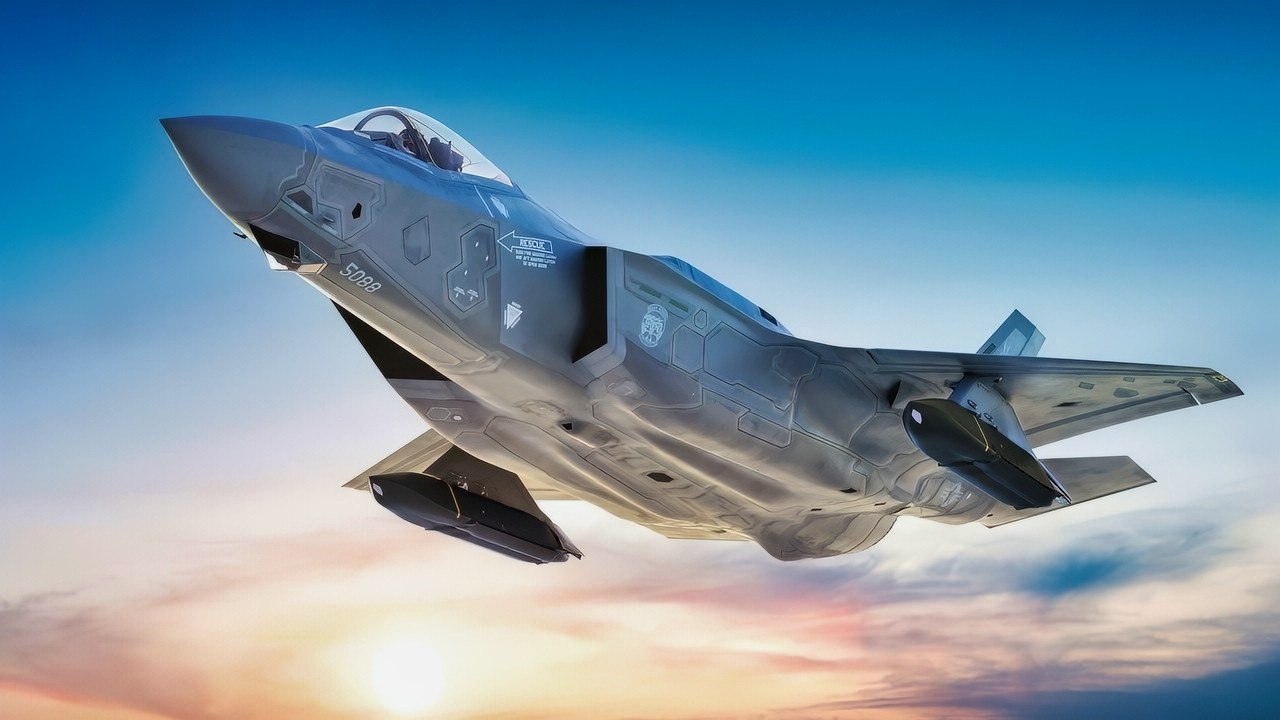
Lockheed Martin CEO Jim Taiclet told investors that the company’s F-35 Ferrari concept — an advanced fifth-generation-plus derivative of the F-35 Lightning II incorporating technology from the company’s failed NGAD demonstrator — is now being discussed at the Department of Defense and may soon reach the White House. Lockheed Martin lost the Next Generation Air Dominance program to Boeing’s F-47 sixth-generation fighter in 2025. Taiclet claims the proposed F-35 Ferrari could deliver 80% of sixth-generation capability at half the price. President Donald Trump separately floated an F-55 with two engines and an F-22 Super while speaking in Doha. None of the proposals have moved past the talking stage.
F-55 or Ferrari F-35: Where Are They?
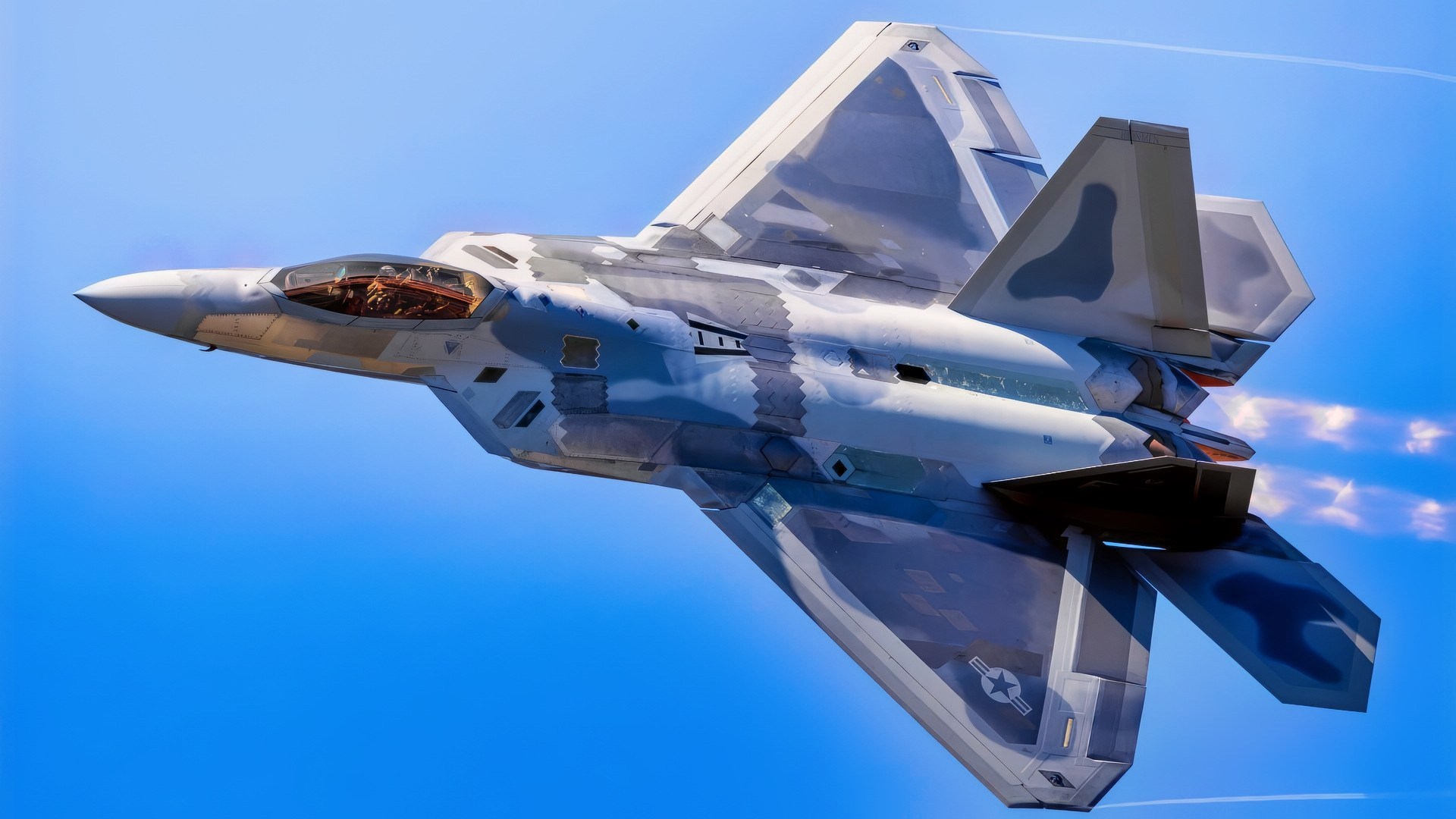
An F-22 Raptor performs an aerial demonstration at Naval Air Station Oceana, Virginia, Sept. 20, 2025. Designed for both air superiority and ground attack missions, the F-22 demonstrates the flexibility and power of fifth-generation fighter technology. (U.S. Air Force photo by Staff Sgt. Lauren Cobin)
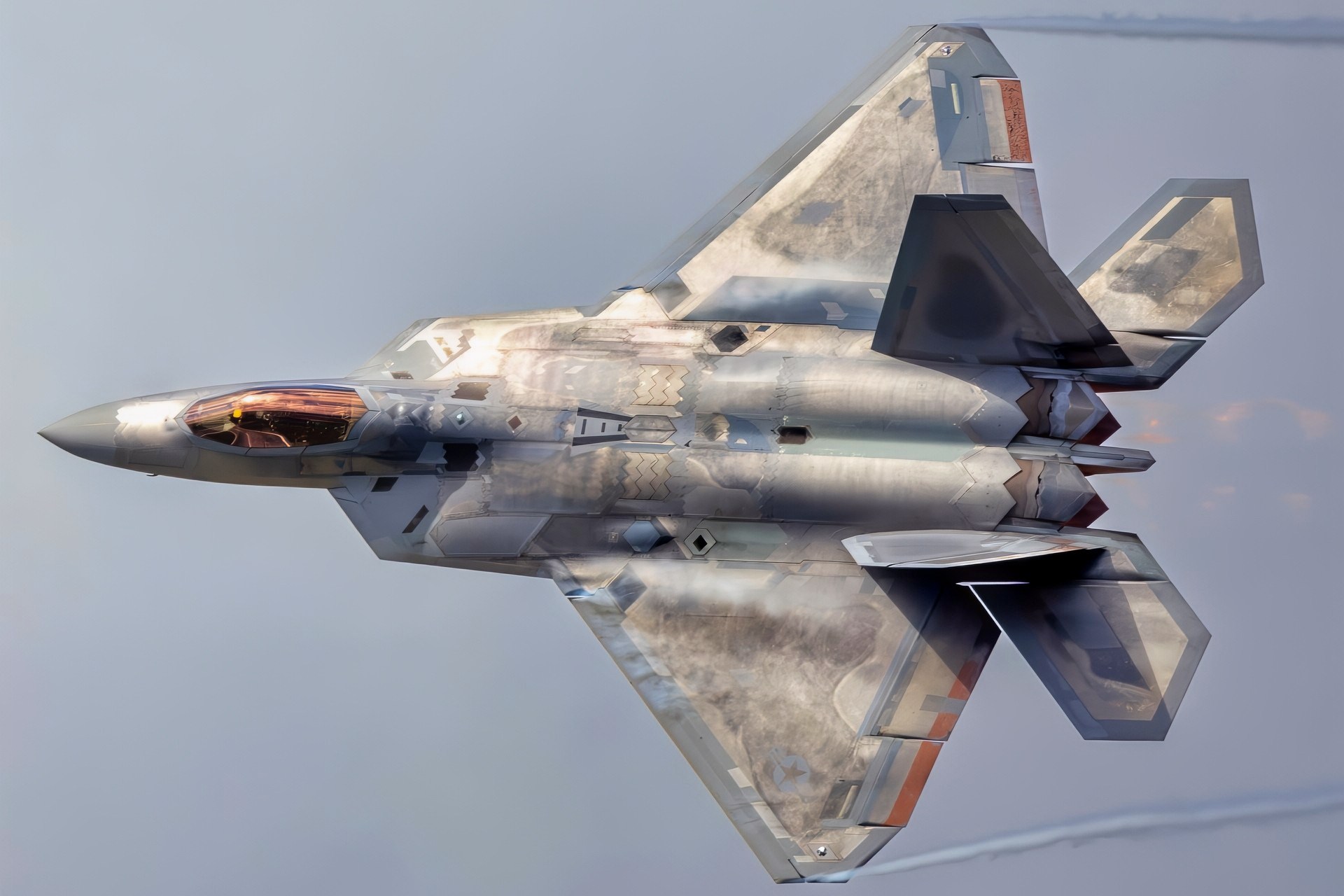
An F-22 Raptor performs an aerial demonstration at Naval Air Station Oceana, Virginia, Sept. 21, 2025. Designed for both air superiority and ground attack missions, the F-22 demonstrates the flexibility and power of fifth-generation fighter technology. (U.S. Air Force photo by Staff Sgt. Lauren Cobin)
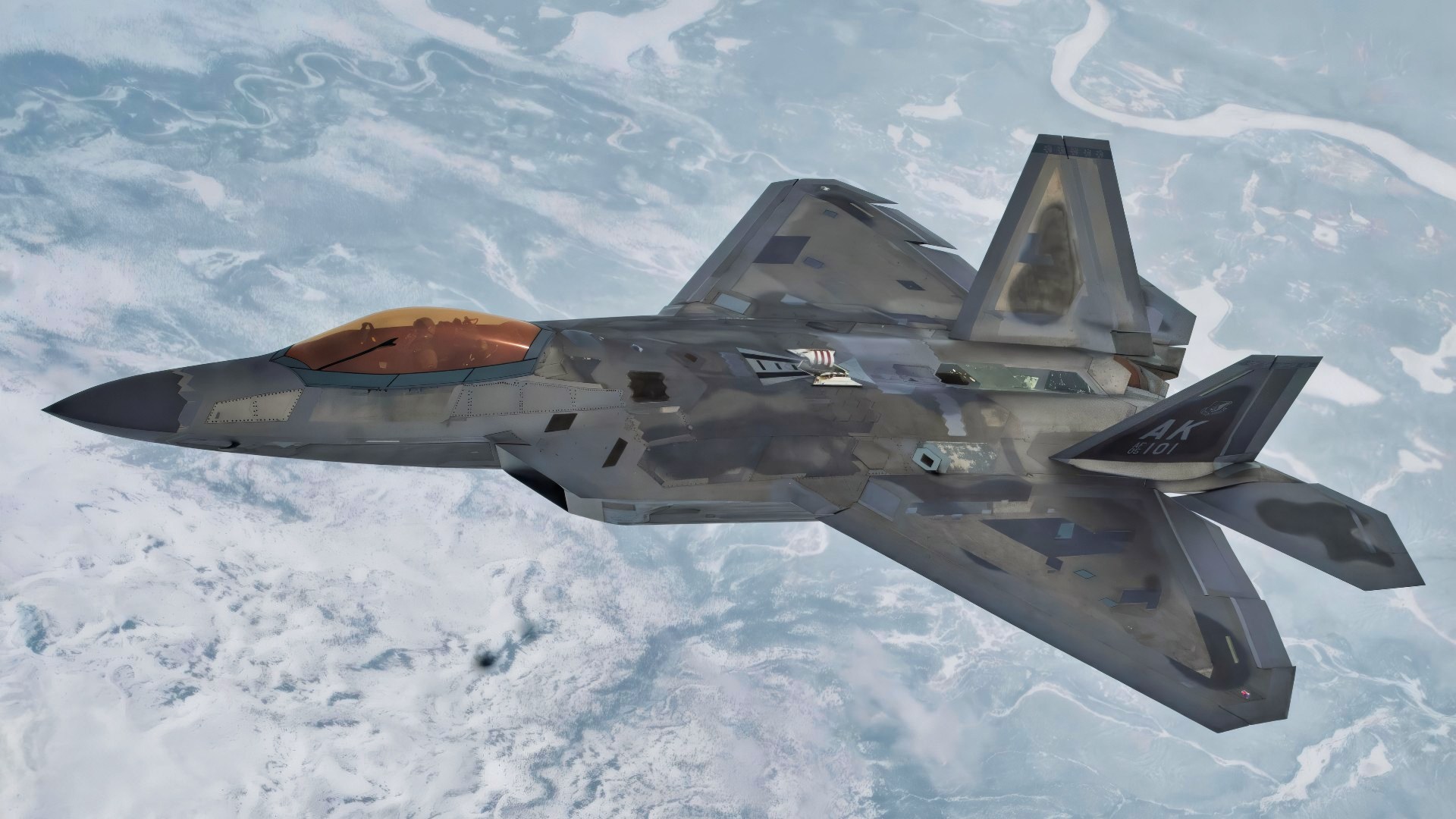
A U.S. Air Force F-22 Raptor assigned to Joint Base Elmendorf-Richardson, Alaska flies over the Alaskan mountain range during Northern Edge 23-1, May 10, 2023. NE 23-1 allows the U.S. Joint Force to more fully develop Joint All-Domain Operations (JADO) concepts through exercises and experimentation for application in operations around the world. (U.S. Air Force photo by 2nd Lt. Ariana Wilkinson)
Last year, Lockheed Martin was seemingly bullish about the F-35 stealth fighter and changes to the aircraft that, the company maintained, would transform one of the world’s leading stealth aircraft into a fifth-generation-plus aircraft. Some inside the company went so far as to pitch the idea of an F-35 “Ferrari,” though the details were a little light. But a year on, the lack of additional information about the proposed airplane has some experts scratching their heads.
“There’s a very active engagement at an extremely high level with the Department of Defense, and I expect it’ll be taken to the White House sometime soon, hopefully, to consider this kind of concept,” Jim Taiclet, Lockheed Martin CEO, reportedly explained to company investors during a conference about the company’s financials back in September.
“We’ve gotten encouraging feedback… There’s significant interest in the government about discussing aircraft modernization writ large, all the way up to the administration level, the White House level, and we’re in the middle of that with them, and we’re getting heard. We’re hearing back, and it’s pretty active.”
Lockheed Martin first floated the idea of a souped-up F-35 last year, following the company’s loss to rival Boeing in the Next Generation Air Dominance program, which will see the F-47, a sixth-generation fighter, delivered to the U.S. Air Force.
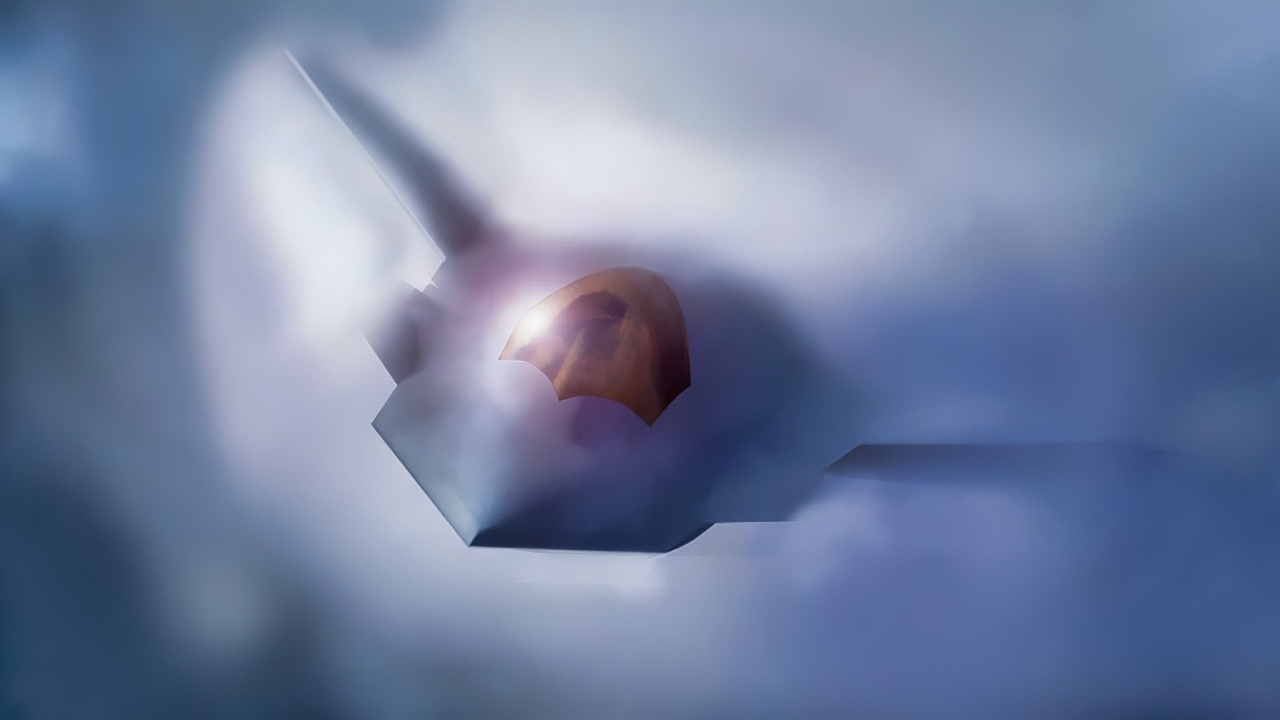
Shown is a graphical artist rendering of the Next Generation Air Dominance (NGAD) Platform. The rendering highlights the Air Force’s sixth generation fighter, the F-47. The NGAD Platform will bring lethal, next-generation technologies to ensure air superiority for the Joint Force in any conflict. (U.S. Air Force graphic)
And while Lockheed Martin is indeed better positioned than its aerospace prime rivals to squeeze as many capabilities as possible out of the F-35, the company may find that the juice is just not worth the squeeze.
Risky Business
Though the F-35 is the world’s most prolific stealth fighter, in service with the United States and allies and partners around the globe, it is not the most advanced stealth fighter in the American arsenal.
That distinction belongs to the F-22 Raptor, an air superiority fighter that predates the F-35.
Physical changes to the F-35 could focus on range.
The F-22, for example, has long experimented with low-observable external fuel tanks to extend the Raptor’s range. Stealthy conformal fuel tanks, like those seen on some variants of the F-15 and F-16 fighters, both fourth-generation aircraft, could be another possibility.
In practice, however, it is unclear how much room the F-35 has to grow — or if it would be perhaps wiser or more cost-effective to focus on the next crop of aircraft like the U.S. Air Force’s F-47, or the U.S. Navy’s upcoming, provisionally-named F/A-XX, a navalized fighter.
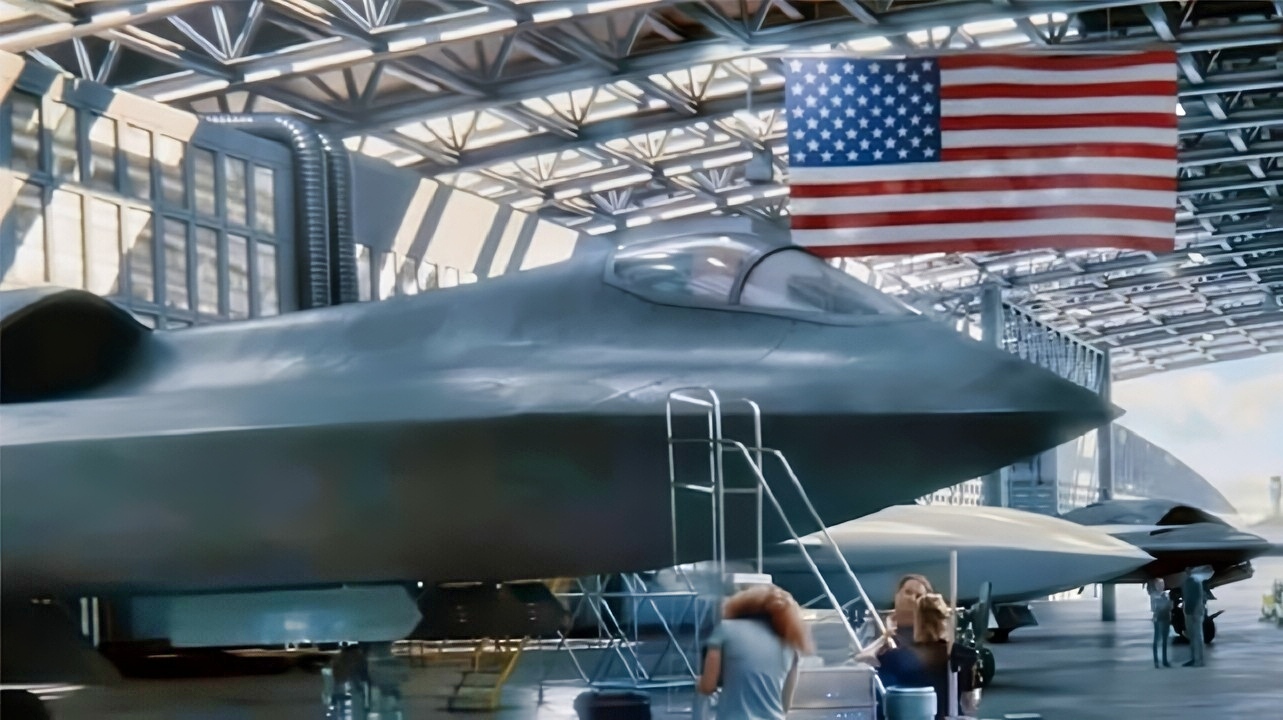
FA-XX Fighter Screenshot. Image Credit: Northrop Grumman.
As part of that so-called “Ferrari” F-35 proposal, Lockheed Martin explained that a number of the technologies that went into their demonstrator NGAD aircraft could, in theory, be incorporated into an advanced F-35 derivative. Taiclet said that such an aircraft could provide “80 percent of six-gen capability at half the price.”
An advanced F-35 could serve as a bridging aircraft. Similarly to how some advanced fourth-generation fighters have been dubbed fourth-gen plus, the proposed F-35 could be a fifth-gen plus aircraft.
F-55?
American President Donald Trump made waves in the aviation community last year when he suggested that a twin-engine F-35 could be technically feasible during remarks in Doha.
Speaking to reporters, the president said that “we’re going to do an F-55, and I think — if we get the right price, we have to get the right price — that’ll be two engines and a super upgrade on the F-35.”
President Trump added that after that, “we’re going to do the F-22. I think the most beautiful fighter jet in the world is the F-22, but we’re going to do an F-22 Super, and it’ll be a very modern version of the F-22 fighter jet.”
But a year on, it is unclear how serious either of those proposals was — if at all.
Any Seriousness to the Matter?
Given the relative dearth of new information related to either an F-22 Super, F-35 Ferarri, an F-55, or any other similarly astounding but unknown fifth-generation plus aircraft, it may be safe to assume — barring any new information coming to light — that these projects may be somewhat akin to the centerpiece of President Donald Trump’s Golden Fleet: the Trump-class battleship.

Trump-Class Battleship. Image Credit: White House.
Serious analysts have asserted that the proposed class of warship will never float and that it is too far-fetched to become a reality. The fate of these hypothetical aircraft may ultimately be the same.
MORE – The Dodge Durango of Submarine: The Virginia-Class Is Best on Planet Earth
About the Author: Caleb Larson
Caleb Larson is an American multiformat journalist based in Berlin, Germany. His work covers the intersection of conflict and society, focusing on American foreign policy and European security. He has reported from Germany, Russia, and the United States. Most recently, he covered the war in Ukraine, reporting extensively on the war’s shifting battle lines in the Donbas and writing about its civilian and humanitarian toll. Previously, he worked as a Defense Reporter for POLITICO Europe. You can follow his latest work on X.


