

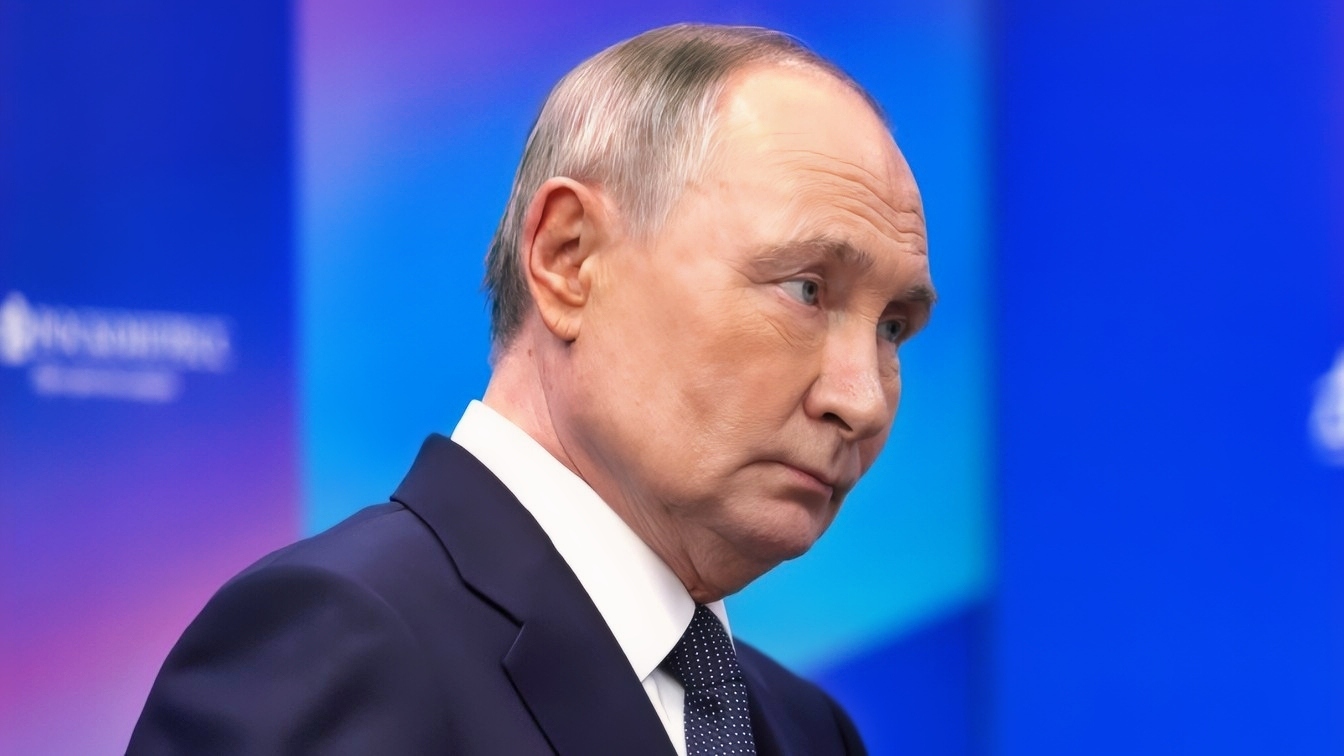
Summary and Key Points: Russia’s own polls show Putin is as popular as ever — with approval near 80 percent and no sign of public revolt. But there’s a gap between the numbers and the Kremlin’s actions. As Ukraine’s drones bring the war home, Putin has reportedly pulled back from public view, fearful of drones and assassination, and the state is arming private guards to shoot them down. Russians may not be at a breaking point — but the people in charge are acting as if something has changed.
The Ukraine War Is Coming Home to Russia
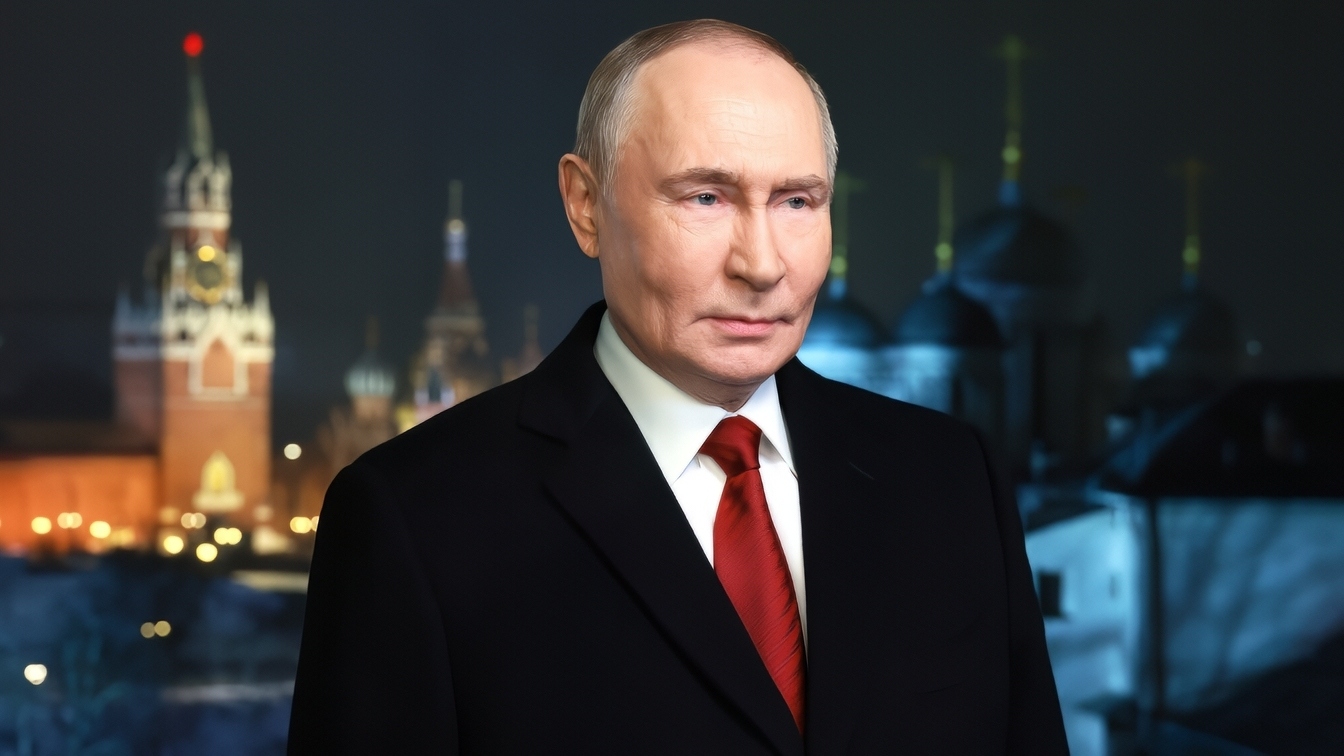
Putin New Year’s Message. Image Credit: Russian Government.
With Ukraine’s drone strike campaign against Russian energy targets in full swing, the Kremlin’s main source of financing — the processing and export of energy products — is under increased stress. So too, seemingly, is the Russian population.
Broadly speaking, average Russians appear to be irritated, anxious — inconvenienced even — and war-weary, but by no means pushed to an extreme limit, nor do there appear to be indications of fomenting rebellion against the Putin regime.
Indeed, polling that does occur inside Russia appears to show strong overall support for Putin, despite some signs that confidence has dipped slightly.
As the effects of the war in Ukraine move from that country and spill over into Russia itself, life in those cities under Ukrainian attack feels less in control.
The Mood of the Public
The response to Ukrainian drone or missile attacks on Russian territory most often surfaces in reports that include fear, anger, uncertainty, and unease. Organized protests — that is, protests organized by a body other than the state — are not only difficult to coordinate and carry out, but also carry significant penalties for those involved.
One OpenMinds study found that the war in Ukraine would evoke sadness, disgust, and anger as well as fear among ordinary Russians, as some people are particularly attuned to claims that the war is harming ordinary Russians or that the public is tired of the conflict.
Some more recent coverage of the Ukrainian strikes around Moscow indicates some residents feel shaken by a war that suddenly feels quite close rather than far distant, and some have described their situation as “a nightmare.”
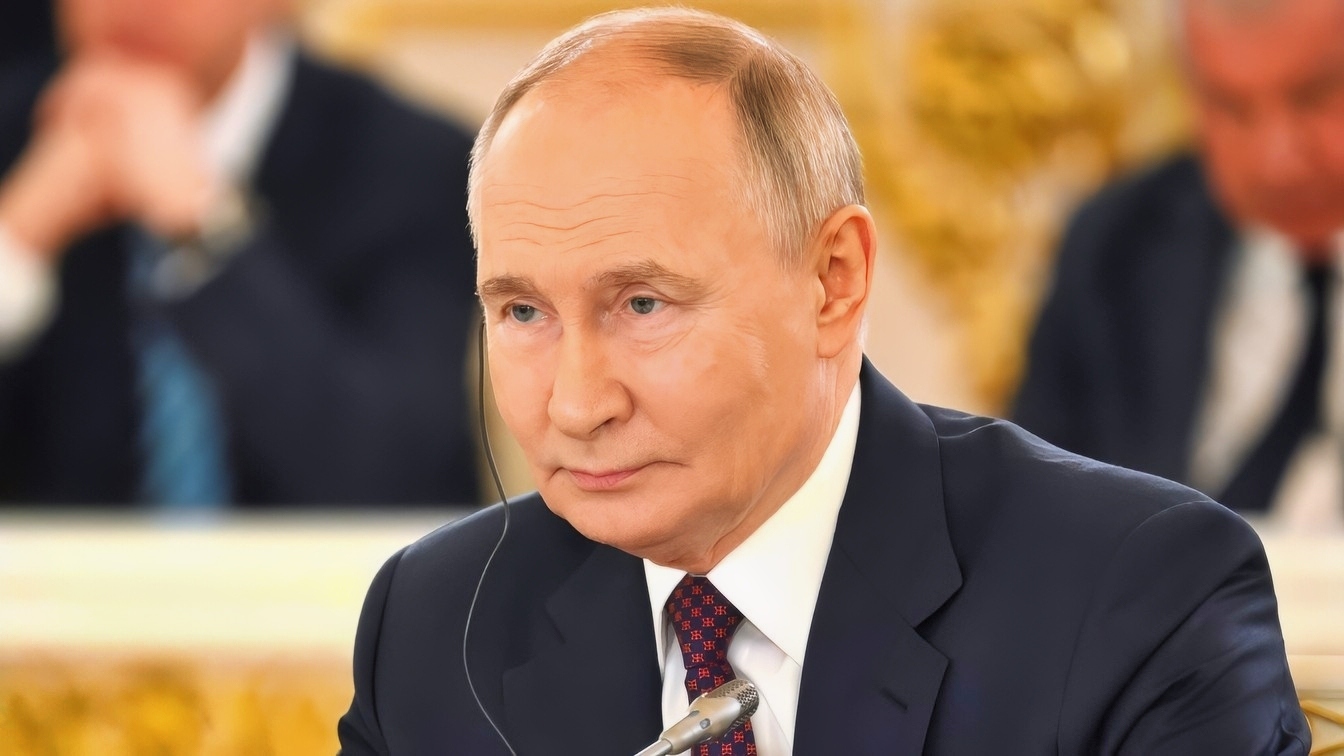
Putin in 2025 Russian State Media Image
Polling Results: Discernible Trends but a Lack of Definition
Polling in Russia is notoriously difficult, and independent polling centers are very scarce.
However, some polling suggests that Putin still enjoys a good deal of support.
Some polling from Levada, a Russian pollster, placed Putin’s approval rating at about 79 percent in April 2026, down from a previous high of 85 percent at the end of 2025. In December 2025, 67 percent of respondents said that Russia was indeed moving in the right direction.
Despite the seemingly intractable difficulties Russia has experienced on the battlefield, the ongoing war in Ukraine has not produced a significant collapse in Putin’s approval. Still, there has been a steady chipping away of support — an erosion, perhaps — from the very high approval levels seen during the war’s early days.
Dissatisfaction As Well as Fear
Dissatisfaction is difficult to gauge with absolute certainty, but there are indirect signs of it. Complaints about disrupted GPS signal in major cities, part of an attempt to misdirect Ukrainian drones, are one indicator.
Drone alarms, mobile internet shutdowns, and a sense that the Russian state is unable to fully protect ordinary residents certainly cool confidence in the state.
But the frustration is hardly enough to translate into a serious political challenge of large and public proportions. The seemingly strongest emotions expressed by the public are not anti-Putin, anti-regime mobilization, but rather a mix of dissatisfaction, resignation, worry, and a wish for the war to end.
Putin’s Personal Security
There are clearer indications that Putin and the Kremlin are reacting to the increased drone threat to Moscow.
Some reporting from May 2026 described the extreme security measures that have been arranged around Putin, which include tighter surveillance, increased restrictions on staff, reduced mobility, and claims that the Russian president is avoiding public exposure due to fears about assassination attempts, drones, or internal destabilization.
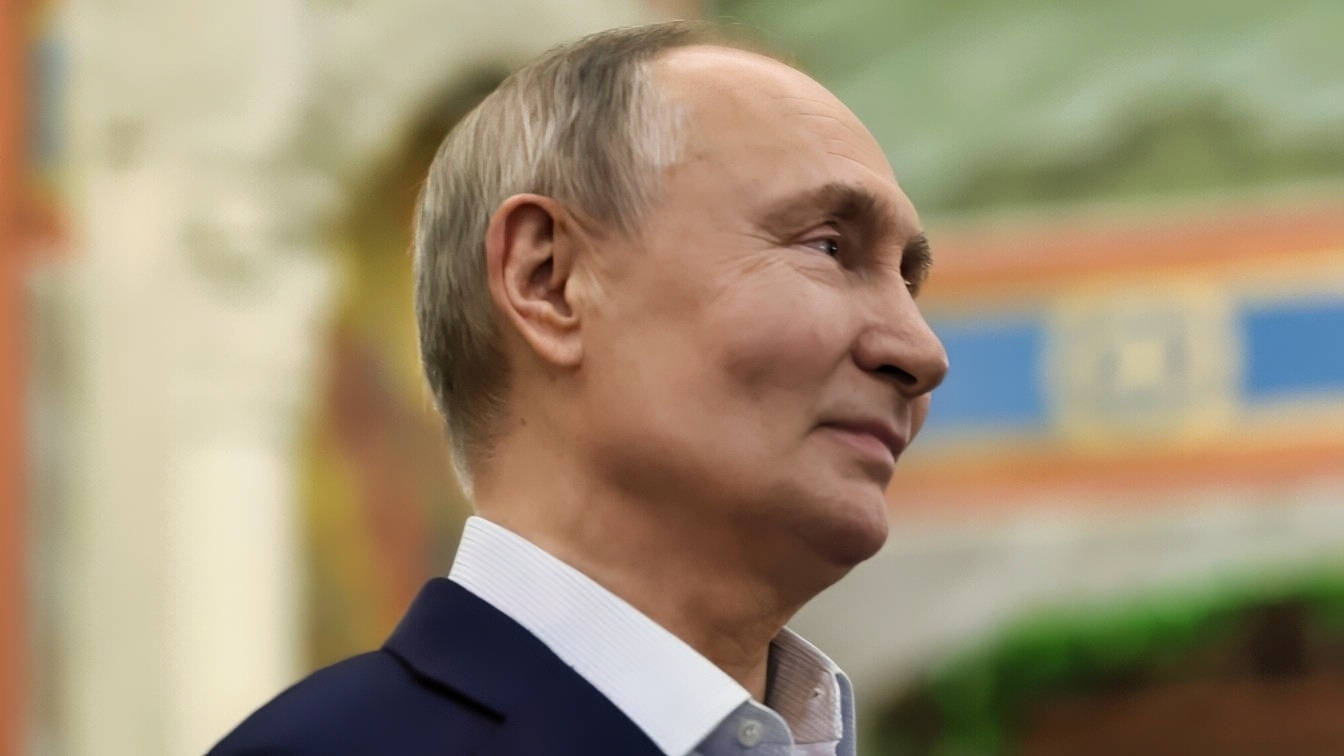
Putin State Media Photo
Some other reporting notes that Russia has increased protection around critical infrastructure and even given private security firms the go-ahead to use live ammunition against drone threats, together painting a picture of perceived vulnerability.
The Overall Picture
Russians are not seemingly panicking nor turning against Putin or his regime, despite some reservations about the current situation and trepidation about the future. But Ukraine’s drone and missile attacks have brought the war much closer to home in a way that it has not been felt before.
Fear and irritation are likely on the rise within Russian society, but, crucially, they have probably not reached a breaking point. On the other hand, the behavior of the Kremlin and Russia’s ruling elite suggests that there is perhaps less confidence in the polling numbers available than elsewhere.
About the Author: Caleb Larson
Caleb Larson is an American multiformat journalist based in Berlin, Germany. His work covers the intersection of conflict and society, focusing on American foreign policy and European security. He has reported from Germany, Russia, and the United States. Most recently, he covered the war in Ukraine, reporting extensively on the war’s shifting battle lines from Donbas and writing on the war’s civilian and humanitarian toll. Previously, he worked as a Defense Reporter for POLITICO Europe. You can follow his latest work on X.


