

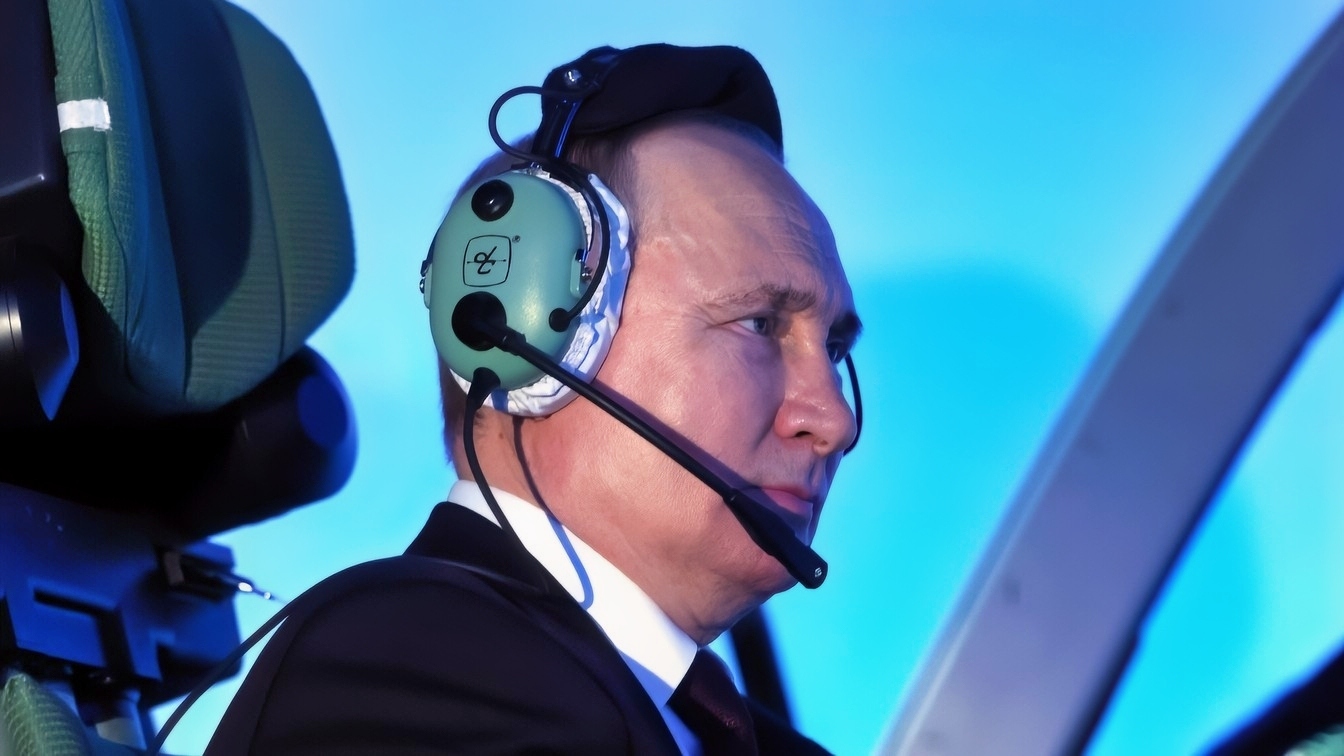
After four years of fighting in Ukraine, one of the biggest surprises of the war is that Russia’s economy never collapsed fully in the way Western observers expected. Russian GDP growth even remained positive at times during the war, with factories churning out products and, of course, military production humming, while unemployment remained relatively low. But that production and that employment were a superficial gloss that hid a deeper reality of stagnation. Economists estimate that had Putin never invaded Ukraine, the Russian economy would be about 12 percent larger today, and that, instead of growing normally, the invasion prompted a shift of the Russian economy into a wartime mobilization system, in which military spending has masked serious structural damage.
Bleeding Budget in the Ukraine War
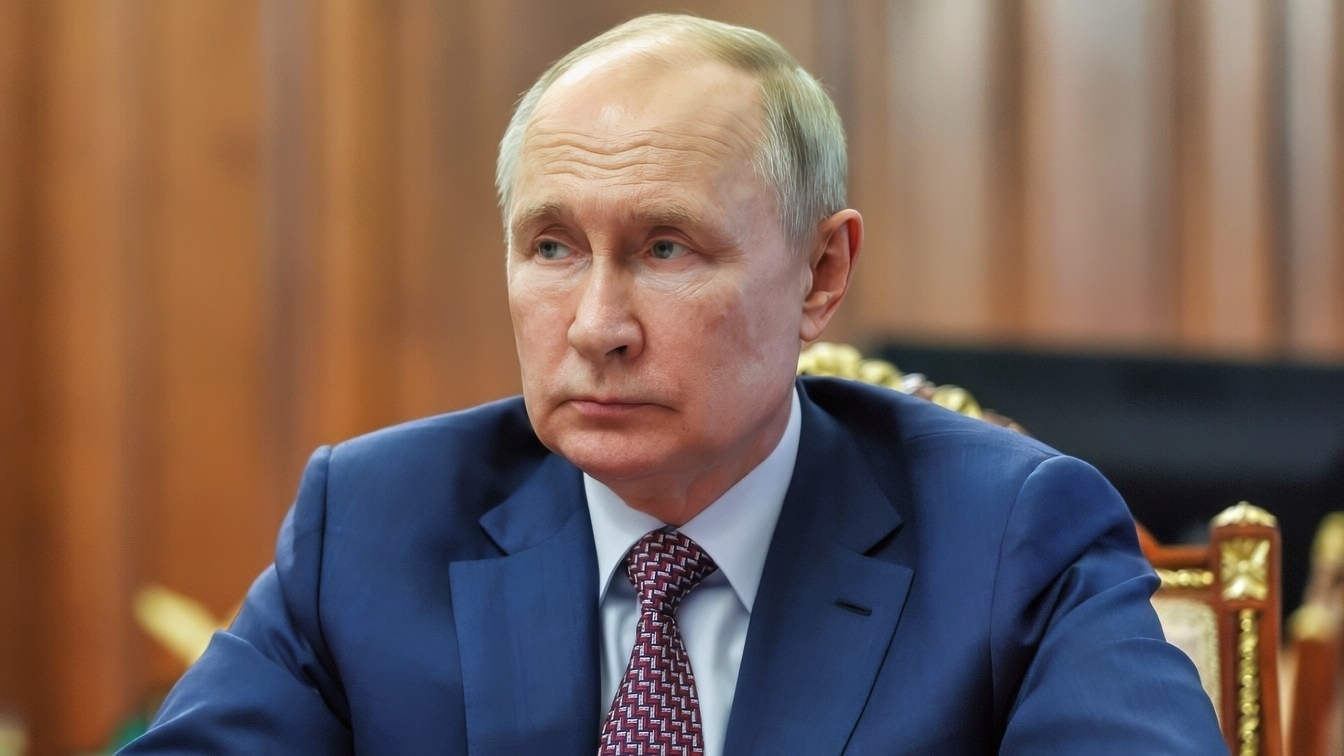
Putin in 2023. Russian Federation Photo.
The numbers are concerning. In the first four months of 2026, the Russian deficit hit 5.9 trillion rubles, or $65 billion USD. This new mark obliterates the original full-year target of 3.8 trillion rubles in just one-third of the year. Not good. The deficit, as deficits tend to do, is forcing Russia to borrow, cut spending, raise taxes, and sell assets.
To raise cash, Russia has reportedly begun privatization efforts and emergency asset sales, i.e., Aeroflot shares and strategic oil-export facilities. These are not normal development policies but emergency measures undertaken only when the government needs cash immediately.
And while selling strategic assets generates short-term revenue, it reduces future state income and flexibility. It’s another example of cashing in long-term economic strength to meet near-term wartime spending requirements. Basically, Russia is all in on the present, paying only limited attention to future needs.
Energy Misfire
Historically, Russia’s economy has been heavily dependent on the export of oil and natural gas. Before the war in Ukraine, Russia supplied nearly 50 percent of Europe’s gas imports. But in response to the invasion, most of Europe decided to import its gas from elsewhere; today, Russia supplies only 15 percent of Europe’s gas.
In response, Russia rerouted exports eastward, to China and India—but at steep discounts. Russian Urals crude is reportedly selling at about $20 below the Brent benchmark.
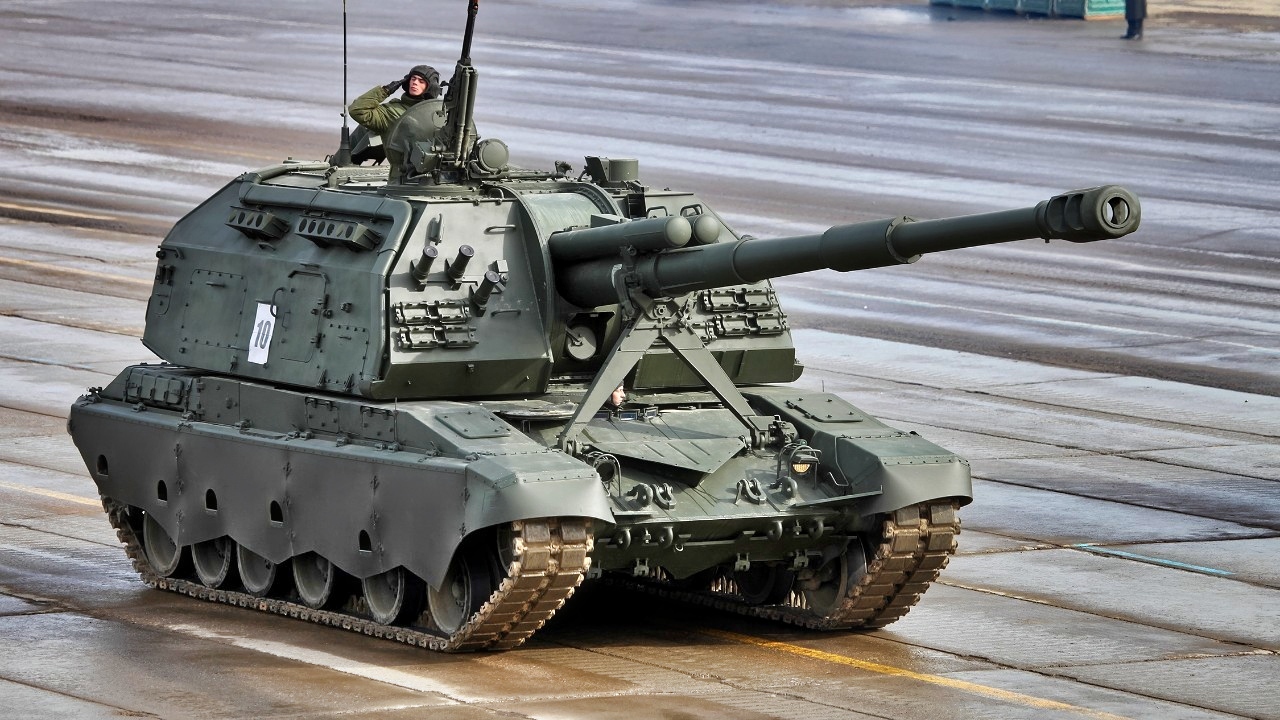
Msta-S Russian Army. Image Credit: Creative Commons.
The problem is exacerbated further by Ukrainian efforts to disrupt Russian infrastructure; repeatedly, Ukraine has employed drone strikes to target refining infrastructure, with estimates suggesting that roughly 40 percent of Russia’s refining capacity has faced disruption since the war began. So, while Russia still exports energy, the business is less lucrative.
Wartime Economy
The Russian government has spent enormous sums on tanks, missiles, ammunition, military salaries, etc.—all predictable expenses required to sustain a war. These investments have naturally caused money to flood the economy, but the economy is calibrated to produce weapons rather than consumer goods, so there is too much money chasing too few products.
This causes prices to rise, which causes inflation. The Central Bank responded by raising interest rates to 21 percent to curb spending and reduce inflation, before settling at around 15 percent.
But high interest rates pose a different set of problems: borrowing becomes expensive, so businesses stop investing, consumers stop borrowing, and economic growth stalls. The end result is that Russia faces elements of inflation and stagnation at the same time.
Labor Shortage
Russia is running short on workers, predictably. Military casualties have been egregious, estimated at 800,000 killed or wounded, which cuts into the workforce. Similarly, military mobilization has reduced the workforce, as citizens are pushed to the front. Still other citizens have fled the country, avoiding the war or service and, in effect, the workforce.

TOS-1. Image Credit: Creative Commons.
The end result of all this: approximately 1.5 million workers have been removed from the civilian economy, many of whom are difficult to replace, i.e., engineers, coders, technicians, managers, etc. So the effects of removing these skilled workers from the workforce can’t be fixed overnight; it’s a generational problem.
Moving Forward
Russia still has money, meaning they will likely be able to continue financing the war, and it is unlikely to collapse entirely 1990s-style. But the trend is concerning, reflecting increased stagnation.
The transition to a wartime economy has allowed Russia to sustain a war of attrition in Ukraine, but it seems to have cost it any future prospects for economic growth.
About the Author: Harrison Kass
Harrison Kass is a writer and attorney focused on national security, technology, and political culture. His work has appeared in City Journal, The Hill, Quillette, The Spectator, and The Cipher Brief. He holds a JD from the University of Oregon and a master’s in Global & Joint Program Studies from NYU. More at harrisonkass.com.


