


Last night, Iran carried out its first ballistic missile attacks against Israel for the first time since the ceasefire was enacted in April earlier this year. Israel did respond and counterattack. Interestingly, the IRGC has stated that it intends to cease additional attacks against Israel as long as Israel does not launch any further attacks against Lebanon. Now, the U.S. is once again rushing in order to broker a lasting peace in the region.
The burden is now on Israel and Hezbollah to come to an agreement to stop the fighting from escalating even further.
Iran and Israel Attack Each Other: The Sequence of Events
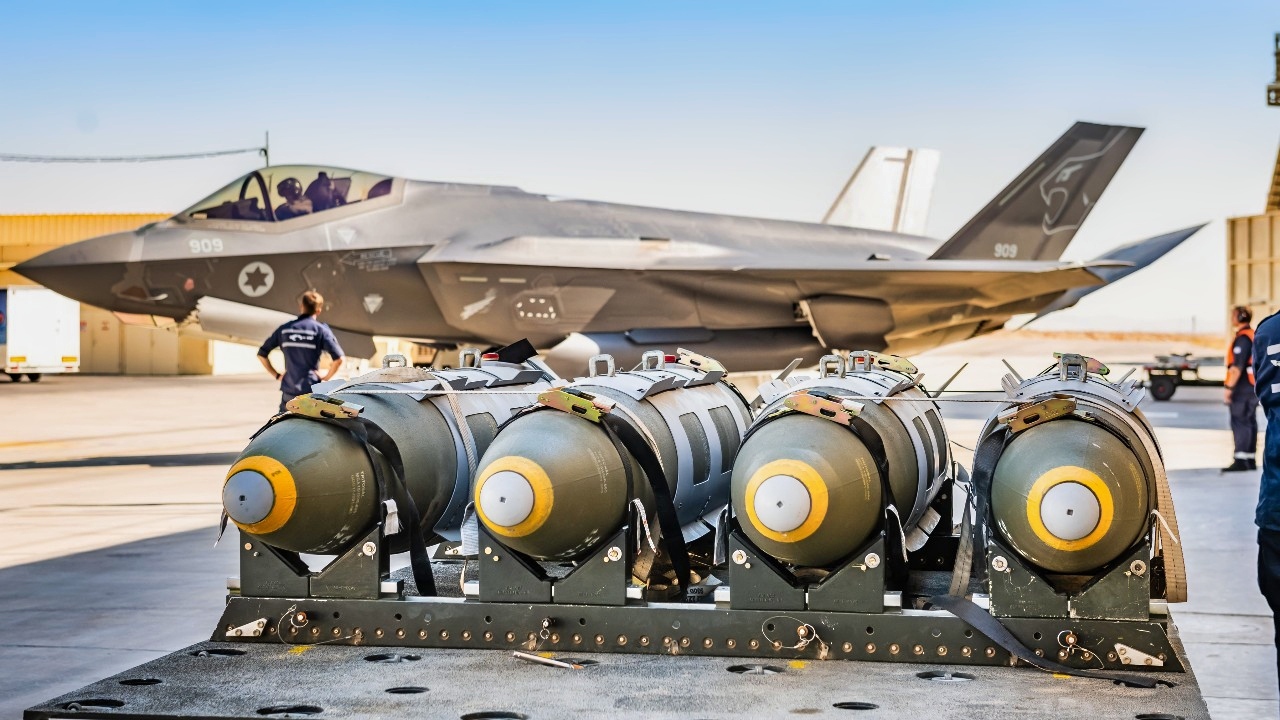
Israel F-35I Adir Stealth Fighter. Image Credit: IAF.
Last night, Israel carried out another attack against Beirut, the capital city of Lebanon.
According to the IDF, the target was a “terrorist headquarters in the Dahieh district of Beirut, in response to Hezbollah’s firing at Israeli territory”.
The strike killed two people and injured an additional 20, according to preliminary reports.
The ongoing conflict in Lebanon has been a major roadblock on the path to peace.
U.S. President Trump has been trying to impose a peace agreement on both sides for the past two months, but neither side has been able to reach an agreement.
Hezbollah is especially important for Iran, and has repeatedly warned Israel that there would be severe consequences if its attacks continued. This is what caused Iran to fire its missiles towards the Jewish state.
Israel retaliated and launched attacks against targets across central Iran. One of the targets of the attack was the Iranian military center in Tabriz, as well as the petrochemical plant in Mahshahr. Other impacts were recorded in Tehran and other large cities across the country. The damage from the attacks is still being assessed, although no casualties have been reported at this time. The targets of these attacks, according to the IDF, were Iranian military installations and non-military sites assisting the IRGC’s war efforts.

F-35I Adir Lockheed Martin Photography by Todd R. McQueen.
Diplomacy is Not Yet Dead
What is most interesting about this newest set of attacks, however, is that after the fact, Iran announced that it called off any additional attacks against Israel.
Following its attack against Israel, the IRGC announced that no further military action would be taken against Israel unless attacks continue against its own territory or Southern Lebanon.
If Israel attacks again, however, Iran warned that it would respond “more severe and forceful than before.” This was announced after Trump took to social media and urged both sides to stop attacking each other.
Likewise, Israeli officials also stated that attacks against Iran and its proxies will stop “at Trump’s request.” However, the statement also adds that strikes in Southern Lebanon will continue if Hezbollah continues its attacks against Israel. President Trump reportedly had a telephone conversation with Israeli Prime Minister Netanyahu last night, presumably about last night’s attacks and potential avenues to peace.
American diplomats have been working around the clock to bring all sides to the negotiating table. Despite the escalating attacks, both Iran and Israel seem to be willing to negotiate, or at least come to the table with Trump as the mediator.
The Onus is on Hezbollah
All eyes are currently on Hezbollah, which could sabotage any prospects of a peace talk at any moment.
Hezbollah has rejected peace deals with Israel on multiple occasions, with the terrorist proxy group calling any peace agreements “an illusion” and saying that any concessions to Israel would be a betrayal. Israel, for its part, has also violated past agreements on ceasefires with Lebanon.
Since the ceasefire was implemented in April, the IDF has struck Lebanon around 3,500 times, in direct violation of the ceasefire’s terms. This has strained both Hezbollah and Lebanon’s willingness to negotiate with Netanyahu, with the latter party still at least trying to uphold its end of the ceasefire agreements.
The main issue for U.S. diplomats is getting Israel and Hezbollah to agree to a long-term peace settlement.
This is a herculean foreign policy challenge, especially given the fact that one side’s existence is predicated on the destruction of the other.
After years of hostility (which is really a continuation of centuries of religious and cultural tensions). Iran also shares many grievances with Israel, but it at least has the pragmatism to coexist with its regional enemy. Hezbollah, on the other hand, is an extremist group, motivated by religious fundamentalism.
Brokering a peace between the two will require much more than a border agreement.
About the Author: Isaac Seitz
Isaac Seitz, a Defense Columnist, graduated from Patrick Henry College’s Strategic Intelligence and National Security program. He has also studied Russian at Middlebury Language Schools and has worked as an intelligence Analyst in the private sector.


