
The Pressure Is On Russia – But Will It Work?: For much of the war in Ukraine, Russia has largely maintained the upper hand. It has also enjoyed relative protection from Ukrainian strikes in the form of Western reluctance to provide long-range weapons, and the geographical reality that Russia is a huge land mass with cities that are hard for Ukraine to reach. But that reality is changing, and Russia is now being forced to confront it. Ukrainian drone strikes are now reaching deeper into Russian territory than ever. Fuel shortages in Crimea prove that those strikes are working. And even the Kremlin is now publicly acknowledging that there are problems. In fact, on June 8, Kremlin spokesman Dmitry Peskov admitted that there are “certain problems” affecting fuel supply.
Ukrainian President Volodymyr Zelenskyy is growing more confident by the week, too, noting recently that Russian forces are “losing the initiative each day.”
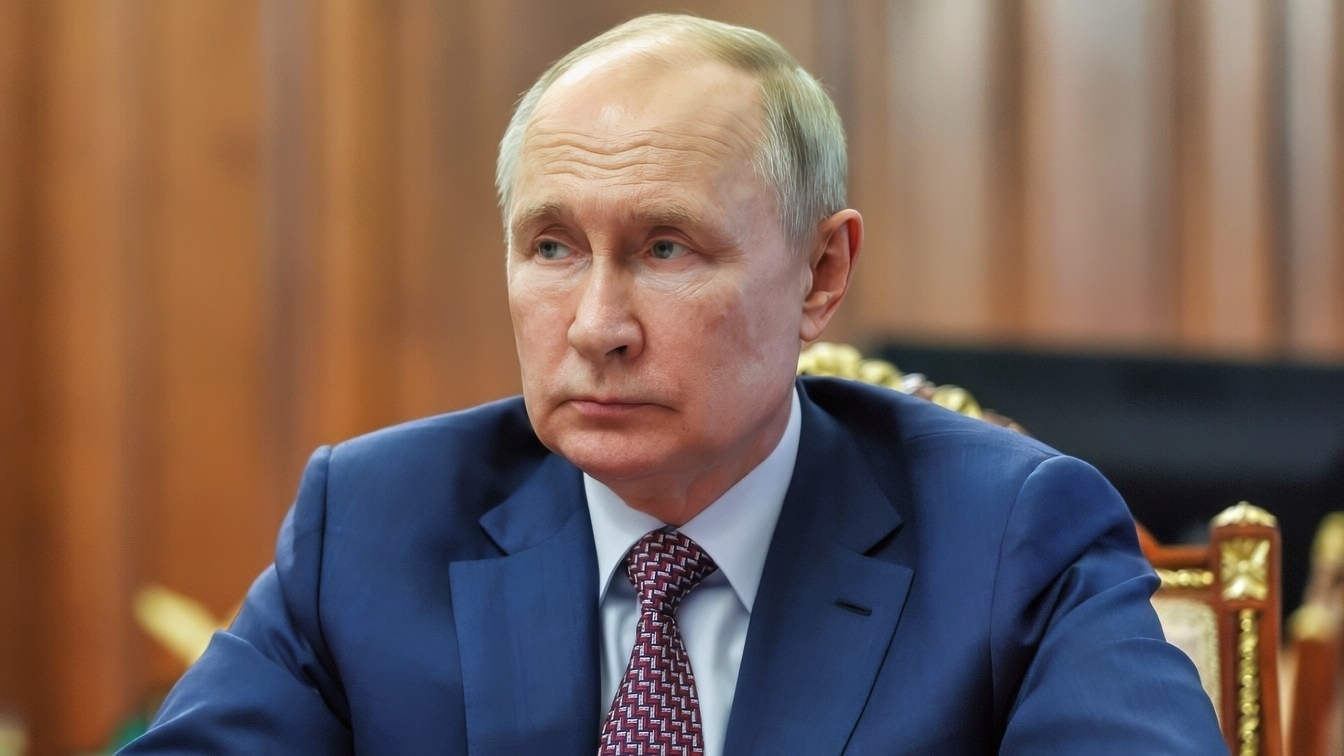
Putin in 2023. Russian Federation Photo.
Moscow’s gains are slowing down across the front line while Ukraine is proving more capable of launching long-range attacks all the time. The pressure is on Moscow, but whether that will eventually translate into political consequences remains to be seen. Russian history, though, suggests that military setbacks – particularly those that expose state weaknesses – can sometimes reshape the country’s political landscape.
Ukrainian Strategy Is Evolving
For much of the war, Ukraine’s long-range strikes – once they were possible – focused heavily on Russia’s refining capacity. Refineries in Ryazan, Tuapse, Kirishi, and elsewhere were all targeted as part of an effort to reduce Moscow’s ability to process crude oil.
Recently, though, Ukraine has begun to expand its approach, targeting infrastructure required to both store and move fuel.
On June 7, Ukrainian forces reportedly struck the Semykolodezkaya oil facility in occupied Crimea – a site that is believed to be supporting Russian operations in Ukraine.
A number of other fuel depots and storage facilities in the region have also come under attack in recent months, resulting in fuel shortages and rationing measures that Moscow simply cannot hide. Russia is cutting its industrial output – and not by choice – and its networks that transport supplies to the battlefield are being disrupted every week.
Russia Can’t Ignore This
For several years, Russia has proven fairly capable of shielding much of Russian society from the direct consequences of the war. But that is no longer the case. According to analysis by the Jamestown Foundation, approximately 25 percent of Russian territory, containing about 70 percent of the country’s population, now falls within the reach of Ukrainian long-range drones.
And that has an effect beyond military installations; Russian airports have suspended operations at times because of drone threats, and mobile internet restrictions have even been introduced in some areas. Residents are now living under constant threat – just as the Ukrainians have been for four years – and are now becoming familiar with air raid alerts and the disruptions that come with them.
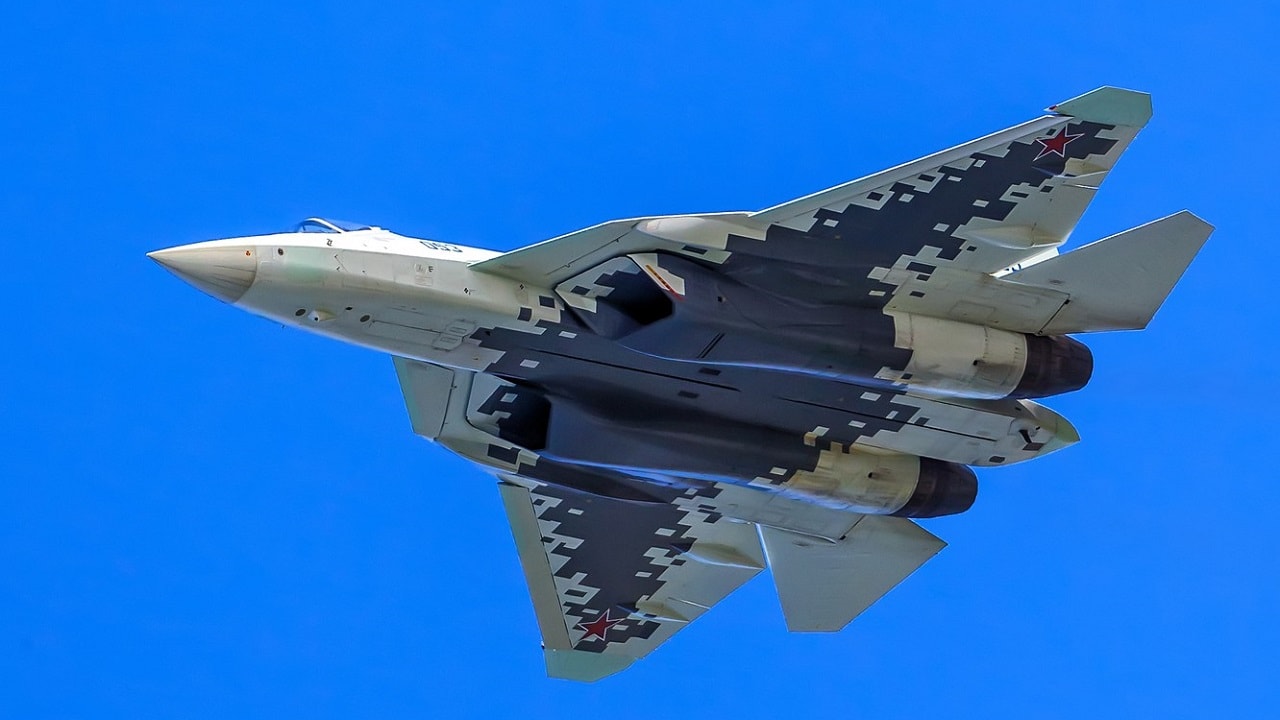
Su-57 Felon from Russian Air Force. Image Credit: Creative Commons.
Russia’s economic growth has also slowed dramatically despite massive wartime spending. After growing by 4.9% in 2024, Russia’s economy slowed to around 1% in 2025, and the government has now cut its 2026 GDP growth forecast to just 0.4%.
Russia Has Experienced Political Change After Failures Before
Russia, like many other countries throughout history, has seen military setbacks contribute to its political transformation. The 1905 Revolution, for example, followed Russia’s defeat in the Russo-Japanese War and forced Tsar Nicholas II to establish the State Duma. Then, the First World War contributed to the collapse of the Russian Empire in 1917.
History does not always repeat itself, but these examples – along with the collapse of the Soviet Union in 1991 after years of economic decline and political turmoil – prove that no government in Russia is safe forever.
Military disappointment alone does not produce these outcomes, but years of decline and major strategic failures eventually undercut the support and power of these regimes, and Putin is as vulnerable as any other leader would be under this kind of prolonged pressure.
Putin Knows He’s At Risk
The Russian president may have genuinely believed the “special military operation” in Ukraine would have lasted only a handful of weeks, but the system he has spent decades building was always there to protect him if it didn’t.
Russia’s political opposition has been severely weakened over the decades, with prominent critics having been imprisoned or exiled.
Laws targeting so-called “foreign agents” and “undesirable” groups have also hampered political activity that opposes Putin’s regime.
The Kremlin has also strengthened its security apparatus. The Wagner mutiny in 2023, for example, showed that armed dissent could only briefly challenge the Russian state, and ultimately reinforced Putin’s position as a strong leader.
Key institutions remained loyal, and the government tightened controls even more.
Ukraine’s pressure may not oust Putin tomorrow, but long-term strikes on key Russian infrastructure could severely weaken the Russian president’s position over a period of years.
What happens next, though, is anybody’s guess.
About the Author: Jack Buckby
Jack Buckby is a British researcher and analyst specializing in defense and national security, based in New York. His work focuses on military capability, procurement, and strategic competition, producing and editing analysis for policy and defense audiences. He brings extensive editorial experience, with a career output spanning over 1,000 articles at 19FortyFive and National Security Journal, and has previously authored books and papers on extremism and deradicalization.


