

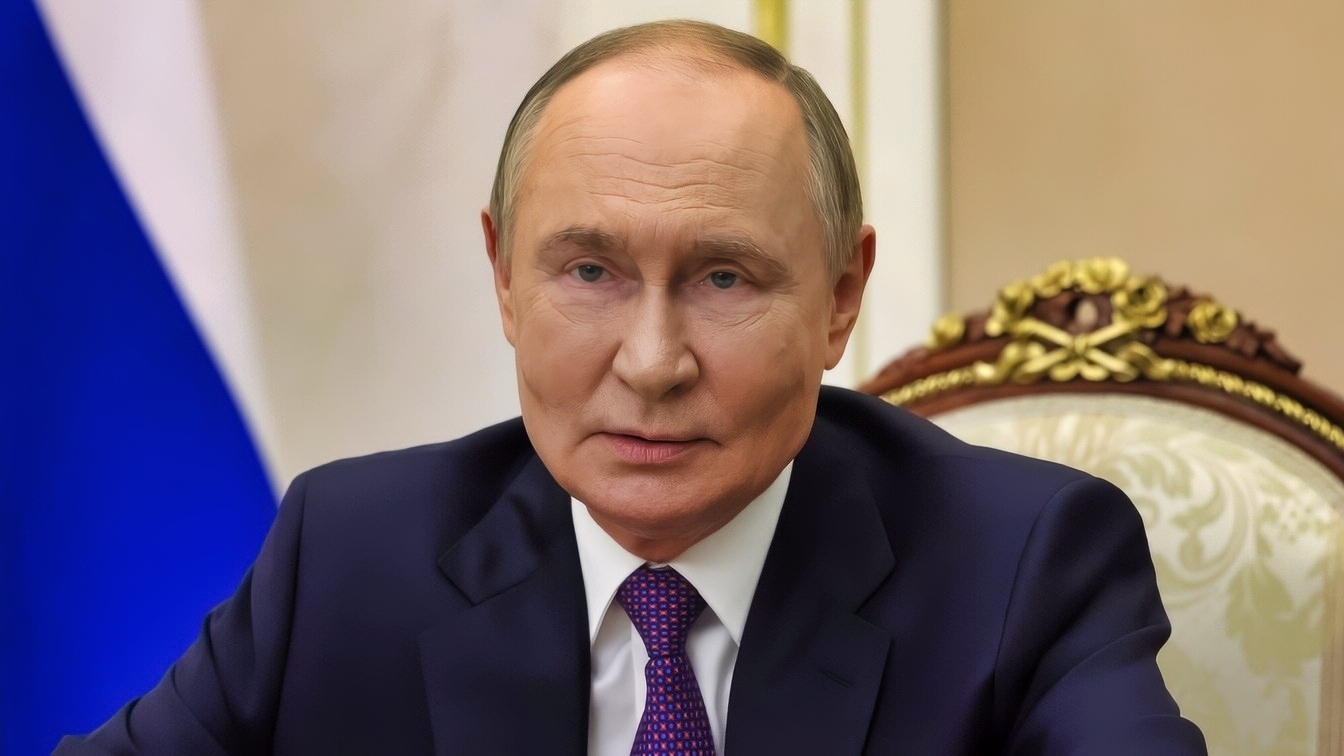
An acute fuel shortage is squeezing drivers in Crimea as authorities on the Russian-occupied peninsula suspend fuel supplies amid a concerted Ukrainian strike effort against Russia’s ability to refine and transport fuel and other energy products throughout Russia, as well as to occupied Crimea.
Sergei Aksyonov, the Russian head of occupied Crimea, announced the termination of fuel sales, Reuters reported. “Starting today, for several days, the sale of gasoline for cash will be completely suspended,” he said.
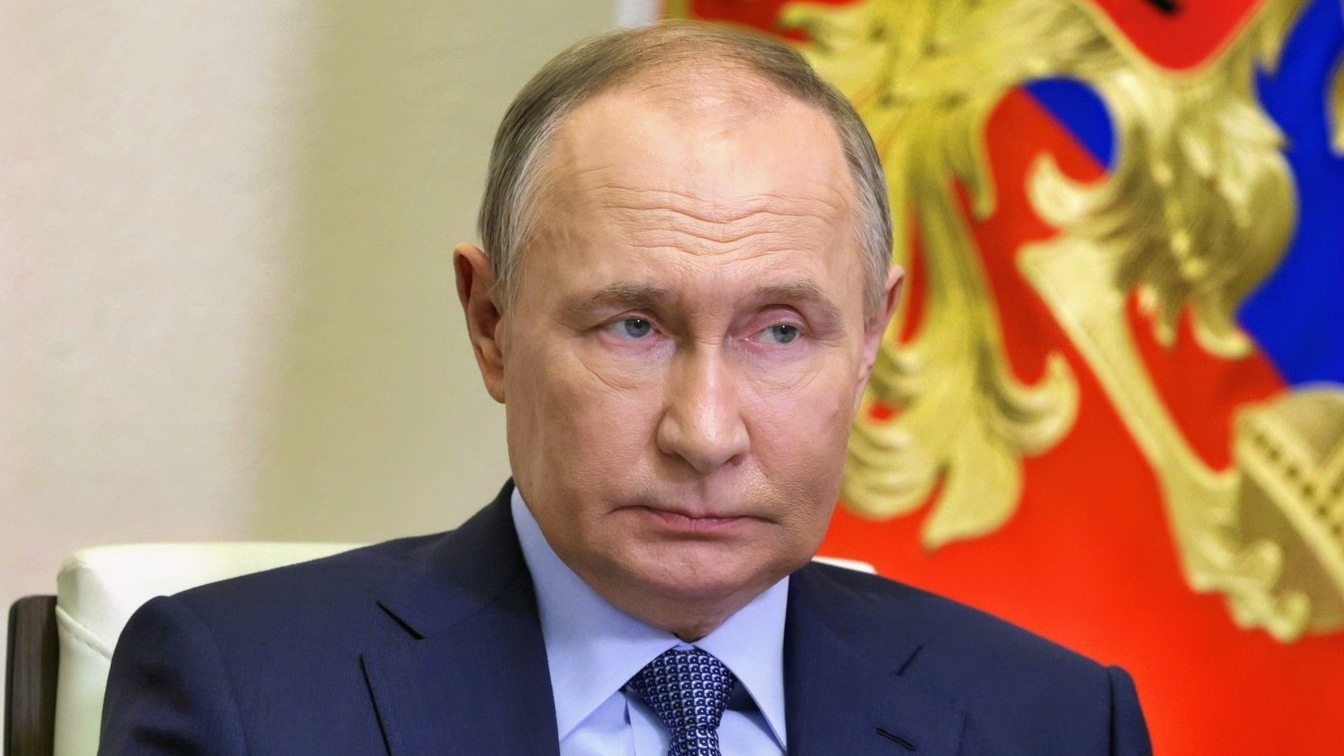
Putin Meeting With Russian Government in 2024. Russian Federation Photo.
Though fuel coupons would continue to be accepted at stations, no new coupons would be issued, and those sales would be limited to 20 liters (less than 5.5 gallons) per transaction.
In a sign of how acutely the shortages in Crimea have been felt, Kremlin mouthpiece Dmitry Peskov acknowledged access to fuel was difficult, saying there is a “certain problem.”
But Peskov sought to downplay the effect of Ukrainian drone strikes, blaming the shortage instead on local Crimeans’ panic-buying of fuel.
Russian Annexation of Crimea
Russia annexed the Ukrainian peninsula in 2014 after then-president Viktor Yanukovych fled to Russia following widespread popular protests in Kyiv. Russian troops stripped of national insignia landed in Crimea in a nearly bloodless takeover shortly thereafter, and Russia has held the territory ever since.
Crimea was absorbed into the Russian Empire by Catherine the Great during the 18th century, along with a significant portion of what is today Ukraine. Soviet Premier Nikita Khrushchev formally gave administrative responsibility of Crimea to the Ukrainian Soviet Socialist Republic in 1954, and modern-day Ukraine retook the peninsula upon the dissolution of the Soviet Union in 1991.
Ukraine’s Burgeoning Strike Campaign
The strikes are part of what Ukrainian President Volodymyr Zelensky has termed his country’s “long-range sanctions” regime against Russia. Ukrainian drones have struck oil and gas infrastructure throughout Russia, putting energy refining and shipping infrastructure offline for days or weeks at a time and disrupting fuel availability in Russia’s southern regions in particular.
Ukrainian drones hit Russian energy refineries and processing facilities on a nearly daily basis. The effects have been felt most acutely in Russia’s south, and consequently, in Crimea. But Ukraine has also targeted a vital stretch of highway along Ukraine’s southern Black Sea coast linking the peninsula to Rostov, a Russian city near the Sea of Azov. Tanker trucks and other vehicles ferrying fuel and supplies along the route have been singled out for destruction by Ukrainian drone operators and disrupted Russian logistics not only to Crimea but also further afield to other parts of occupied Ukraine.
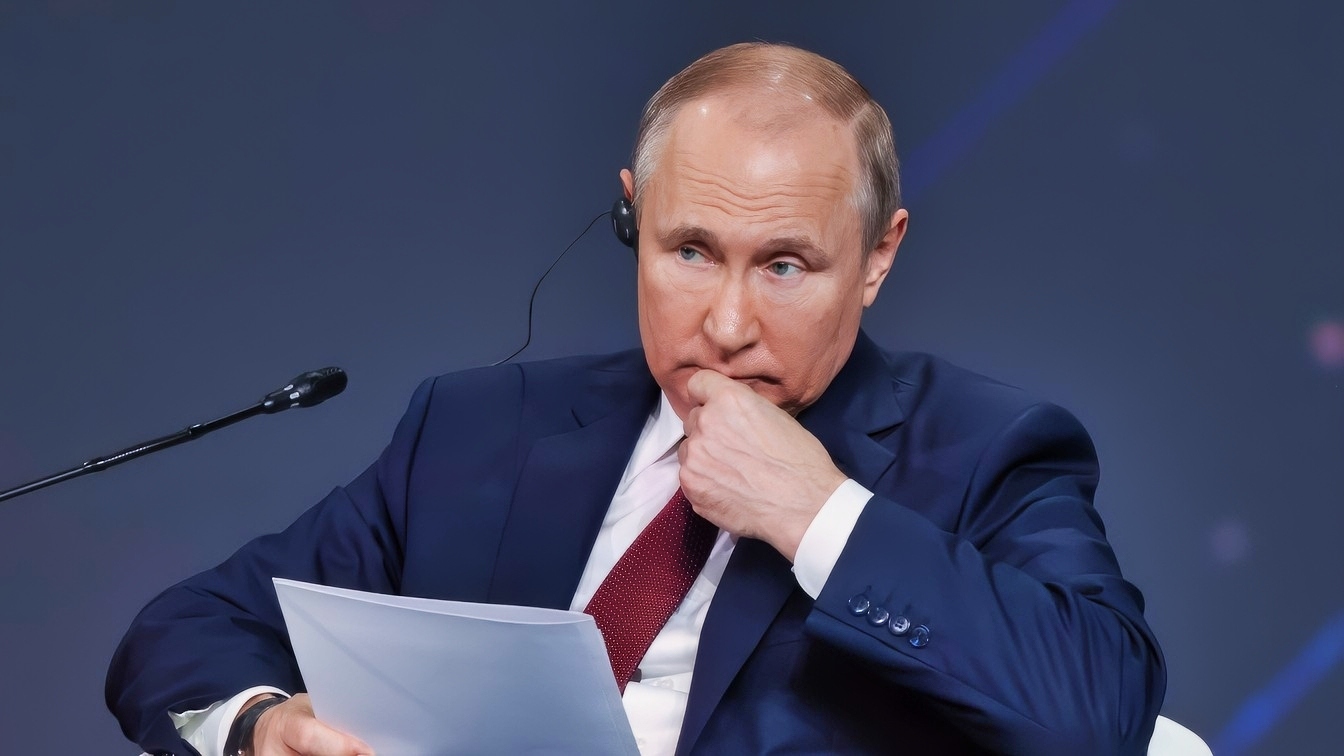
Putin in June 2021 Russian State Media Photo
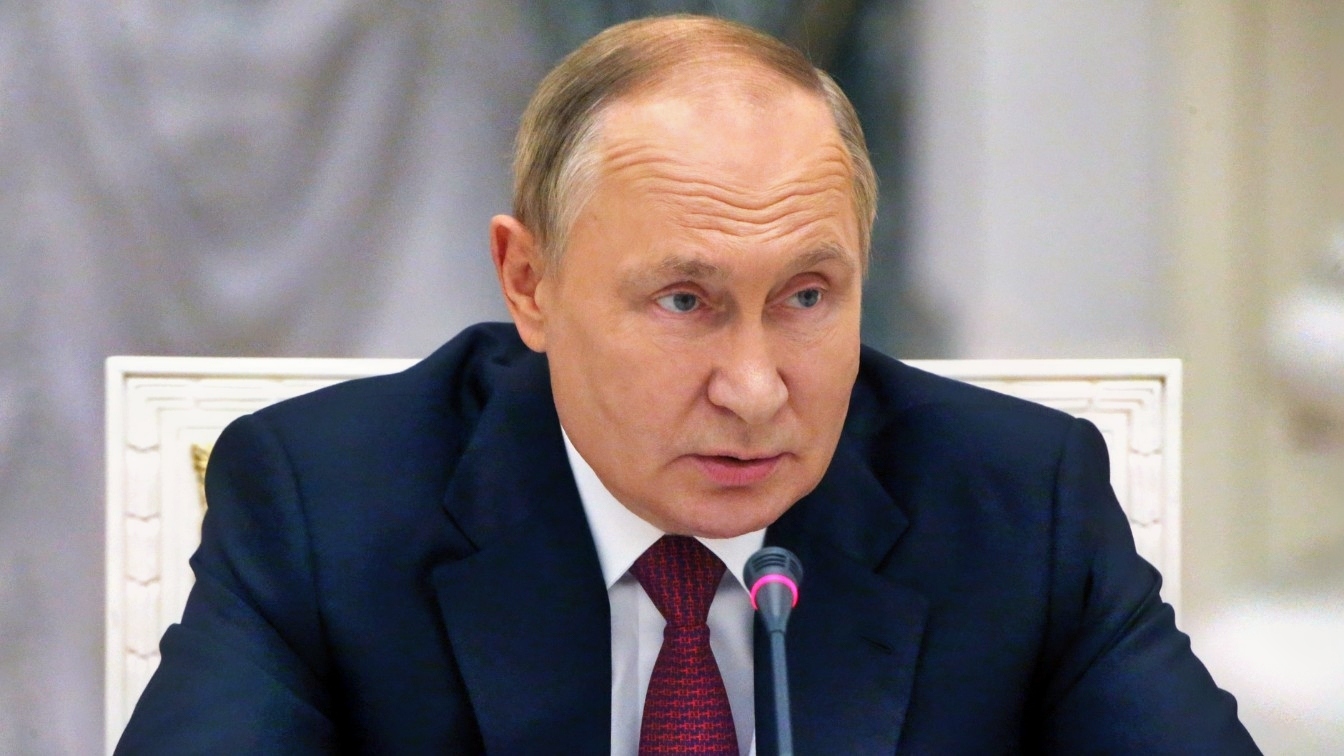
Putin in September 2022 Russian State Media Photo
Ukraine’s Security Service recently released drone footage of strikes on a pair of Russian warships. And while the dates and locations of the strikes were not disclosed, it is apparent that Ukraine’s drone capabilities are outpacing Russia’s ability to defend against those strikes.
Indeed, Ukrainian forces have secured modest but significant territorial gains against Russia for the first time since the 2023 Ukrainian counteroffensive, which culminated in the liberation of Kherson in southern Ukraine.
Russian Economic Growth Forecasts: Low
Hampered by Western sanctions following the full-scale invasion of Ukraine in 2022, economic forecasts for Russia were gloomy, with serious economic contraction anticipated. Price caps on limited the sales potential of Russian energy products while also securing access for customers unprepared to diversify their energy sources. But Russia has most surprisingly beaten those predictions.
Russian economic growth rebounded with surprising vigor after 2022, thanks in part to an economic realignment aimed at supporting the ongoing war in Ukraine. While funding for social projects, pensions, and other non-military areas contracted, the Russian defense budget has received an enormous cash injection. Enormous sign-up bonuses for new Russian recruits — in some cases as much as nearly a decade’s worth of the average Russian yearly wage — have also helped to buoy spending and stave off a severe economic contraction.
But with economic growth slowing, wartime spending has seemingly found its limit. Russian employers must contend with the Ministry of Defense, which has vacuumed up working-age men at an incredible rate, causing a labor shortage. High borrowing costs, as well as Western sanctions, have put a damper on economic forecasts, too.
Economists at the International Monetary Fund, the World Bank, and Russia’s own central bank expect very minimal GDP growth this year, ranging from 0.5 to 1.5 percentage points.
About the Author: Caleb Larson
Caleb Larson is an American multiformat journalist based in Berlin, Germany. His work covers the intersection of conflict and society, focusing on American foreign policy and European security. He has reported from Germany, Russia, and the United States. Most recently, he covered the war in Ukraine, reporting extensively on the war’s shifting battle lines from Donbas and writing on the war’s civilian and humanitarian toll. Previously, he worked as a Defense Reporter for POLITICO Europe. You can follow his latest work on X.


