
A major oil spill from a sanctioned tanker carrying Russian crude has reached the Omani coastline as salvage teams work to prevent hundreds of thousands of barrels of oil from leaking into the Arabian Sea.
The Caroline Bezengi tanker ran aground near the Omani Hallaniyat Islands on June 30 after it suffered an explosion weeks earlier near Yemen.
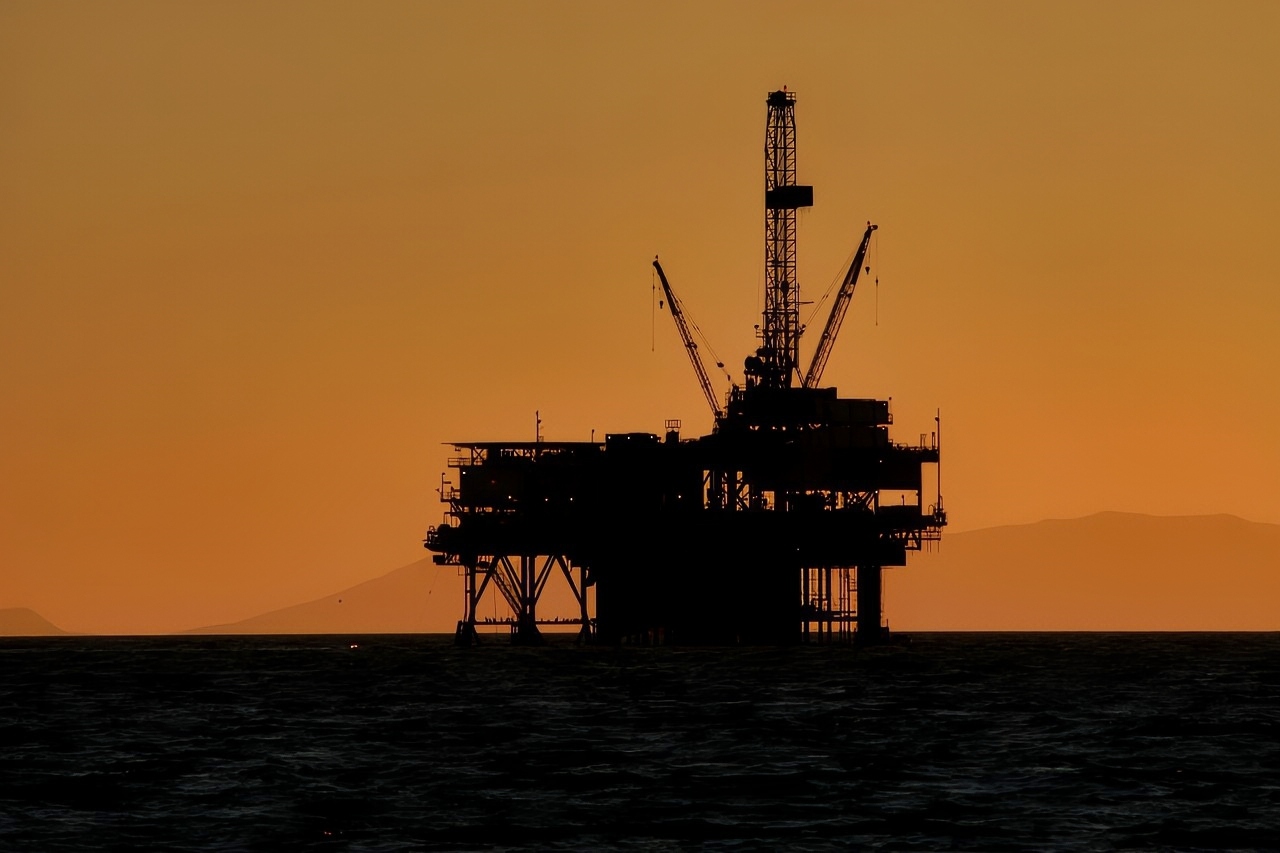
Oil Platform. Image Credit: Creative Commons.

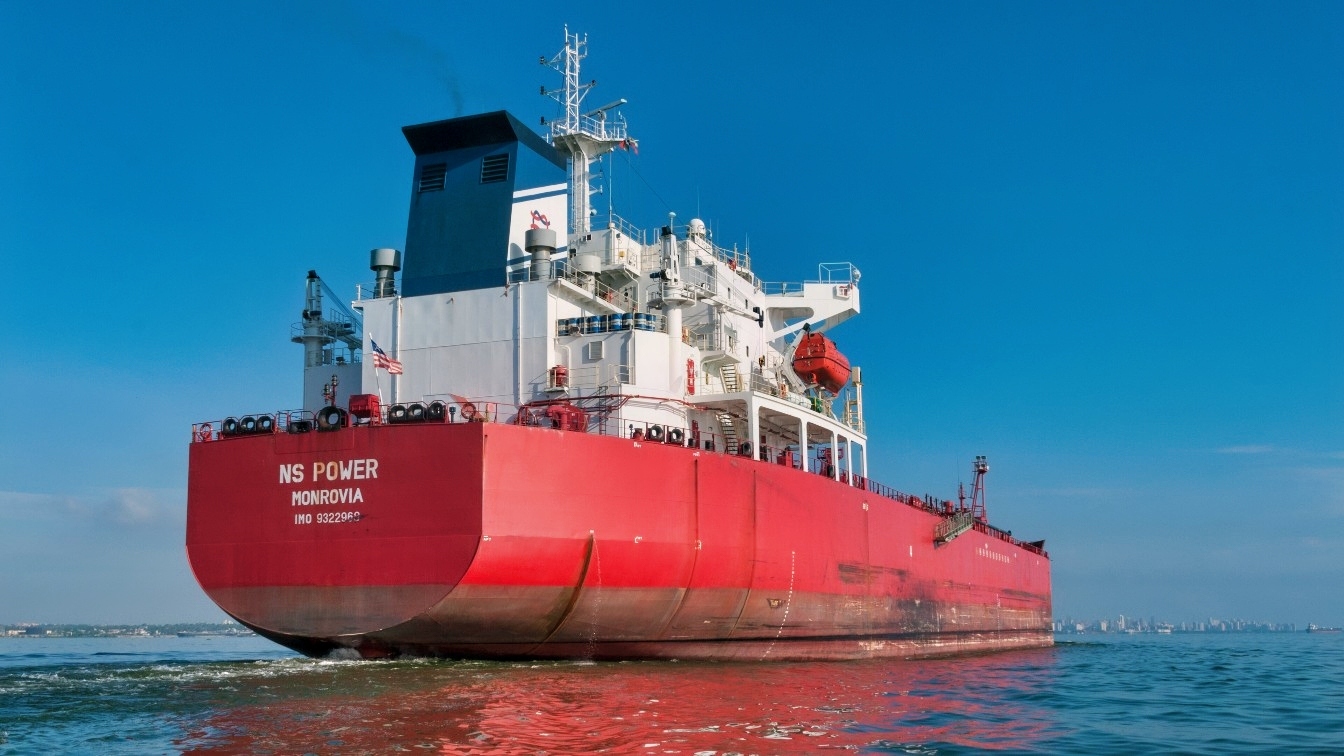
Generic Oil Tanker Image. Image Credit: Creative Commons.
The vessel was understood to be carrying as much as 800,000 barrels worth of Russian crude and is part of what’s known as Russia’s “shadow fleet” used to keep Russian oil on the global market despite ongoing Western sanctions.
Oil has now spilled onto the beaches around Ras Madrakah. Omani authorities are warning that the pollution could also spread as far as Masirah Island.
According to satellite imagery analysis cited by Reuters, the oil slick has now grown to 2,000 square kilometers in size – dramatically larger than official estimates that were published only days earlier.
It is an environmental crisis that arrives at the worst possible time, amid two wars and major disruptions in both the Strait of Hormuz and the Strait of Bab el-Mandeb.
Salvage Teams Race to Stabilize Vessel
According to British maritime risk company Ambrey, the salvage operation involves a number of specialist vessels and aircraft, as well as 100 metric tons of equipment.
The immediate challenge for workers now is to stabilize the damaged tanker and remove any remaining crude onboard.
Workers are rushing to complete the job before the tanker’s condition worsens.
Adding to the problem, specialists are also working in poor conditions, with the Khareef monsoon bringing strong winds and waves to southern Oman during the summer months.
Oman’s Ministry of Agriculture, Fisheries and Water Resources says it is monitoring the spill’s impact on marine life and seafood.
Fishermen have been warned to avoid affected waters and report any unusual conditions while sailing, as well as changes in the water or other abnormalities.
The response follows weeks of satellite imagery showing little evidence of a major salvage operation.
John Amos, the CEO of the environmental organization SkyTruth, said that satellite image data showed that the activity around the ship appeared to be new.
“We haven’t seen that on publicly available satellite imagery. We haven’t seen that on satellite-collected AIS tracking data. And that’s a concern,” Amos said earlier this week.
Growing At A Shocking Rate
A statement from Oman’s Environment Authority on Monday said that the slick now covers around 390 square kilometers and has moved to within roughly seven kilometers of the mainland.
Independent satellite analyses later suggested that the affected area was significantly bigger.
On Wednesday, the SkyTruth CEO suggested that the oil had spread over more than 2,000 square kilometers.
Hanen Keskes of Greenpeace Middle East also said that the area had expanded from 45 square kilometers in late July to 150 square kilometers by the early days of August. It then quadrupled to 600 square kilometers within two days.
Amos said that an inadequate response to the spill would be a “nightmare scenario” and that the eventual release could reach upwards of 50 million gallons.
Protected Wildlife At Risk
The location of the spill makes the situation particularly dangerous.
The Caroline Bezengi grounded near the Hallaniyat Islands – an archipelago that is surrounded by waters that were designated as a nature reserve in 2025. The region is home to a wide range of protected wildlife, including Arabian Sea humpback whales and Socotra cormorants.
When oil reaches shallow coastal waters, it may contaminate beaches, reefs, and other marine habitats—and the damage is likely to persist long after the visible slick disappears and salvage work is complete.
Tony Gutierrez, an environmental microbiology professor at Heriot-Watt University in Edinburgh, said the impact will be mitigated if as much oil as possible is kept away from shallow waters.
“If this oil is kept offshore, the impact will be much less than if the oil reaches shallower waters and the actual coastline,” he said, adding that “you could find oil still there years later.”
He also described how the Exxon Valdez incident in Alaska left oil remnants in the water ten years after the 1989 spill.
What Caused the Explosion?
It is still unclear what caused the damage to the Caroline Bezengi tanker.
The 25-year-old vessel was loaded with Russian crude at Novorossiysk on the Black Sea in April.
It then passed through the Suez Canal at the end of May, before reporting trouble near Mukalla, Yemen, on June 8. Initial assessments indicated that there had been an explosion aboard the ship.
No country or armed organization has claimed responsibility for the incident, leaving open the possibility that it was an accident.
Whatever the cause, specialist crews are already aboard the Caroline Bezengi, and additional vessels are reportedly on the way as teams prepare to prevent the disaster from worsening—but it looks to have already been done.
About the Author: Jack Buckby
Jack Buckby is a British researcher and analyst specializing in defense and national security, based in New York. His work focuses on military capability, procurement, and strategic competition, producing and editing analysis for policy and defense audiences. He brings extensive editorial experience, with a career output spanning over 1,000 articles at 19FortyFive and National Security Journal, and has previously authored books and papers on extremism and deradicalization.


