
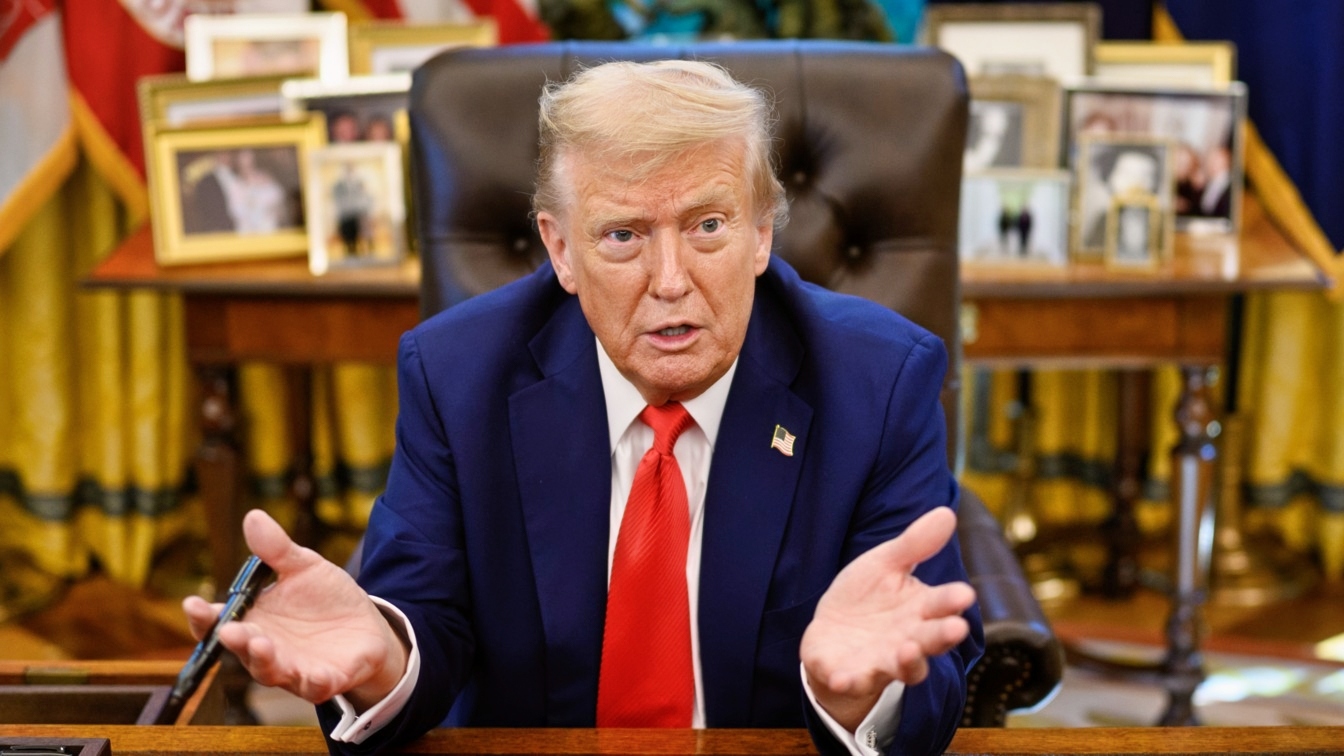
How Iran Won the Negotiations Without A Military: A CNN report claimed on Thursday that U.S. intelligence agencies believe that Iran now has the ability to shut down the Strait of Hormuz whenever it decides to. If true, the assessment means that Tehran could once again hold the global economy hostage and has a major point of leverage over the next sixty days as Washington attempts to hash out a deal with the regime.
According to the report, U.S. intelligence officials now assess that Iran’s actions during the conflict demonstrate the country’s ability to disrupt maritime traffic through one of the most important energy chokepoints in the world. Rather than presenting evidence of a breakthrough or major change in technological or military capability, the intelligence assessment appears to be an analysis of recent negotiating tactics and how the conflict has unfolded in recent months.
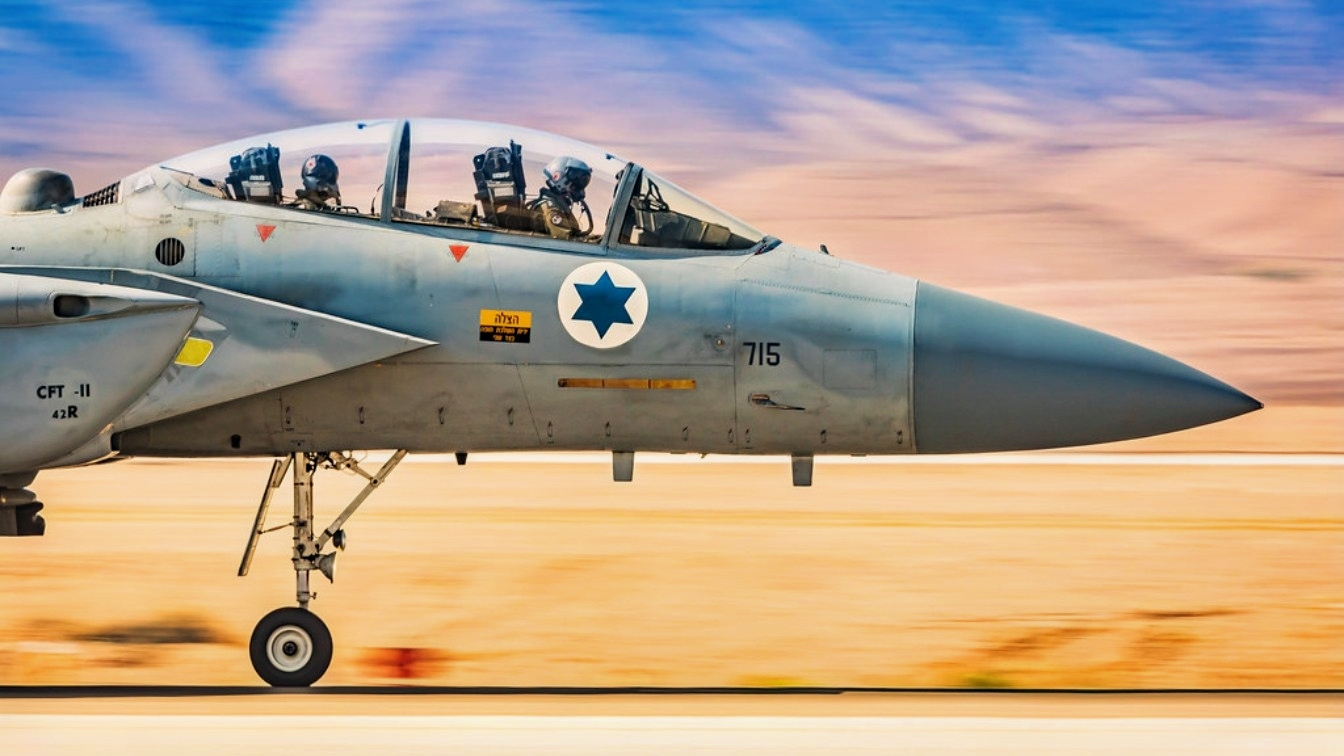
Israeli Air Force F-15I Image Credit IDF
An unnamed source told CNN that the United States has “effectively ceded control of the Strait to Iran,” describing the leverage as a “tool more powerful than any nuclear weapon.”
The same source also said that the recent war has fundamentally changed how Tehran views the conflict and that it now realizes it can use the Strait of Hormuz as leverage in negotiations.
The Delay Tactics Worked
On paper, Iran is far weaker now than it was before the war began. Israeli and U.S. strikes successfully hit air defense sites and missile production facilities. The U.S. and Israel took out naval infrastructure and military command centers, destroyed much of what was left of Iran’s aging air force, and left it almost powerless militarily.
According to Israel, hundreds of missile launchers were destroyed during the campaign, and U.S. assessments indicate that Iran’s stockpile of medium-range ballistic missiles has been substantially reduced. According to one assessment cited by the Foundation for Defense of Democracies, over 85 percent of Iran’s ballistic missile, drone, and naval defense industrial base has been destroyed or damaged.
Those military losses alone do not determine leverage in negotiations, however, and what ultimately mattered in this conflict was time.
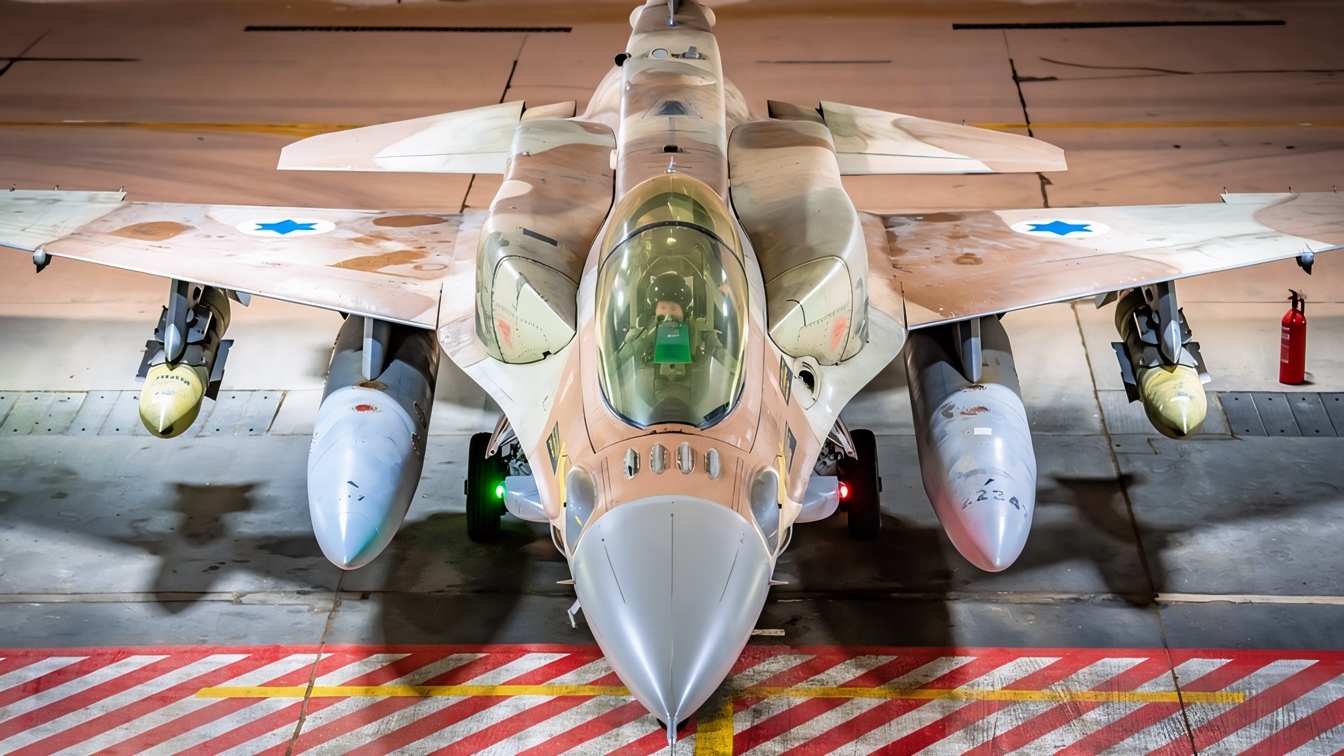
Israeli F-16I Fighter. Image Credit IDF
Throughout the war, Tehran repeatedly slowed down the diplomatic process, even as bombs were being dropped. Responses to U.S. proposals or communications typically took days and usually arrived only through intermediaries in Oman, Pakistan, or Qatar.
It’s hard to say whether this was a deliberate strategy, but the result was that negotiations dragged on far longer than necessary and piled pressure on global energy markets.
Every single delay increased the cost of continuing the conflict, with oil markets on edge and shipping companies hesitating to enter the region. Insurers raised vessel costs, and the United States was forced to draw down its strategic reserves to address shortages in Asia.
By the time Washington and Tehran finally reached a memorandum of understanding, President Donald Trump himself was telling the world media in Evian, France, that the world was just four weeks away from an oil supply crisis.
In that sense, Tehran proved that it never needed missiles or remnants of an aging air force anyway.
All the regime needed to do was delay – and that’s precisely what it did.
The Next Sixty Days
Trump has sixty days to establish a lasting peace deal with Tehran – at least, that’s what the MOU specifies.
The president has already told reporters that he is concerned less about a hard deadline and more about Iran “behaving” during the negotiations process – but regardless, the president needs to establish a lasting deal in the near future, whether that’s 90 days, 120, or more. For now, the president’s priority is obvious: he needs to keep oil flowing and prevent further shocks to energy markets.
He is also no doubt hoping to enter the 2026 midterms without gasoline prices skyrocketing all over again – so whether that means they stay low while negotiations continue or a deal is made and they fall even lower, it doesn’t really matter.
That reality, though, gives Tehran leverage despite its military setbacks. According to CNN, Tehran has control over the Strait of Hormuz. That was true during the war, and it is true during this glorified ceasefire.
The administration may ultimately conclude that a deal that prevents Iran from obtaining nuclear weapons and limits its missile production while reopening global energy markets is worth substantial concessions.
Trump could then present the outcome as a strategic victory and argue that Iran’s nuclear ambitions have been contained and regional stability restored. But none of that is guaranteed.
The very same leverage that helped Tehran secure favorable terms under the MOU could become a source of future pressure tomorrow.
And if the current talks collapse, Iran will still possess the ability to threaten Hormuz and hold the global economy hostage for as long as it takes for suppliers to fully bypass the strait, no matter how many times Washington orders strikes.
About the Author: Jack Buckby
Jack Buckby is a British researcher and analyst specializing in defense and national security, based in New York. His work focuses on military capability, procurement, and strategic competition, producing and editing analysis for policy and defense audiences. He brings extensive editorial experience, with a career output spanning over 1,000 articles at 19FortyFive and National Security Journal, and has previously authored books and papers on extremism and deradicalization.


1KoolKat
June 21, 2026 at 6:06 am
When absolute military dominance can no longer guarantee commercial transit, trade ceases to be a global certainty and becomes a chip to be bartered away in regional power struggles.
This creates a far more dangerous world where regional actors hold veto power over global prosperity. It isn’t just about Iran anymore; it’s about the fact that the price of admission for challenging a superpower has dropped significantly, and the whole world is in trouble.