
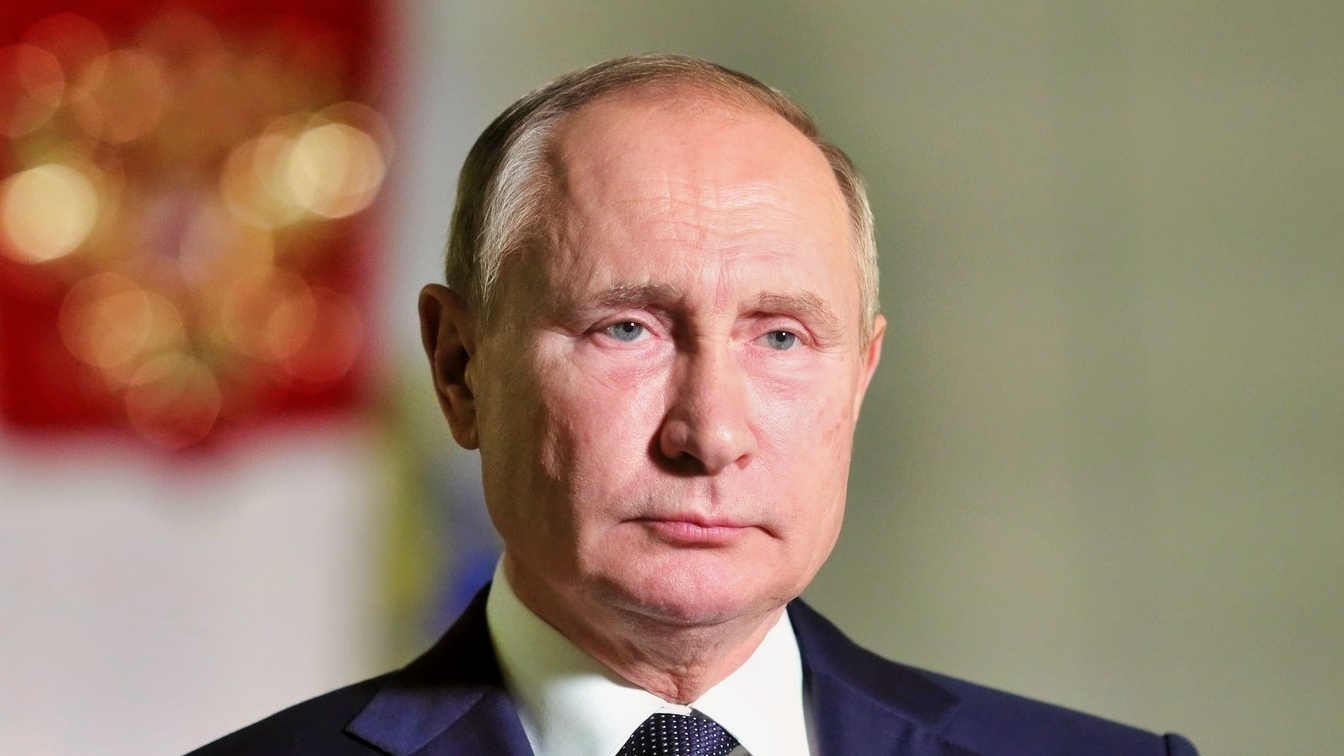
In February 2023, the Biden administration dashed Kyiv’s hopes of launching long-range strikes deep into Russia when it refused to deliver Army Tactical Missile Systems (ATACMS) to Ukraine. During meetings with the Pentagon, Kyiv representatives were told that Washington did not have sufficient ATACMS to spare to transfer to Ukraine. The Biden administration also expressed concern that providing long-range weapons would risk escalating the conflict and give Russian President Vladimir Putin an excuse to threaten or attack NATO territory.
Today, Ukraine doesn’t need those ATACMS. With a world-leading drone manufacturing industry and several new weapon designs, including indigenous long-range drones, we are seeing today what might have happened had the U.S. and its Western allies been willing to deliver long-range weapons sooner.
And in response, Russia is stepping up both the rhetoric and the nature of its retaliatory strikes.
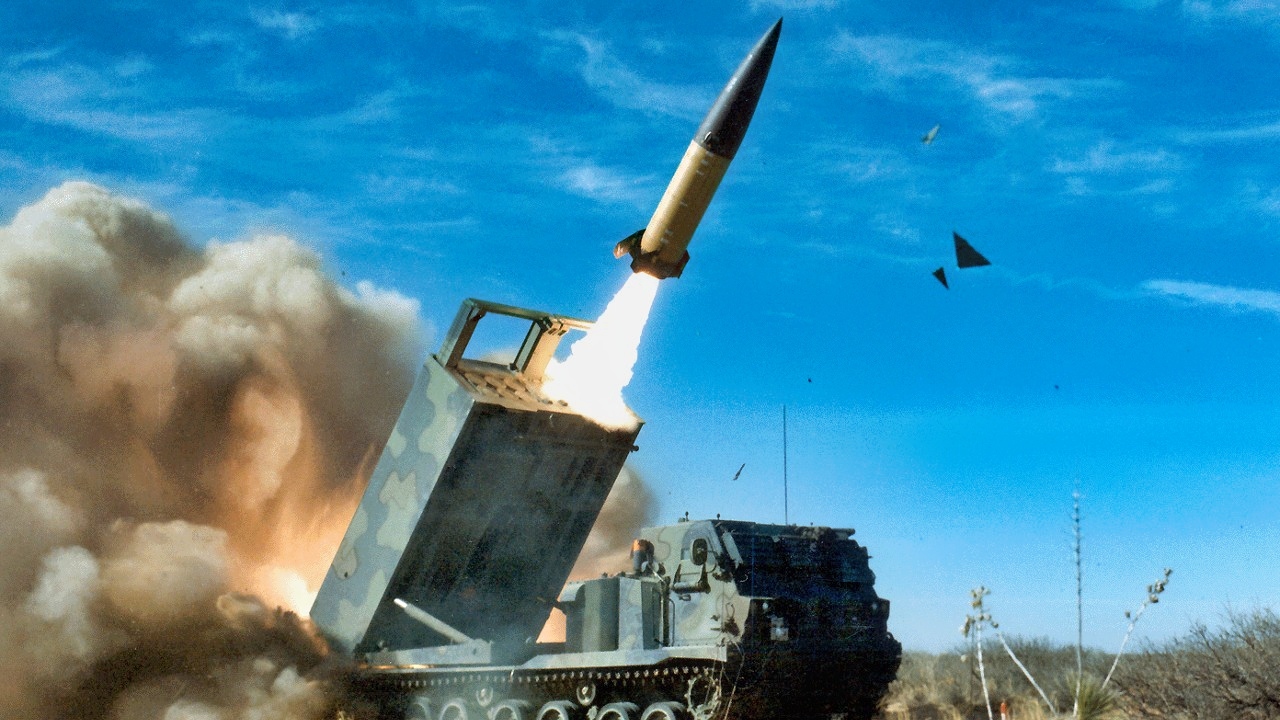
An ATACMS missile being launched from an M270 MLRS.
The Moscow Strike Explained
On June 18, Ukrainian forces launched one of their most significant and visible long-range attacks of the war, striking the Moscow Oil Refinery in the Kapotnya district of southeastern Moscow.
The facility is one of the biggest and most important refineries in Russia, processing roughly 11.6 million metric tons of crude oil annually and supplying a significant share of the capital city’s fuel needs.
Russian authorities confirmed that large numbers of Ukrainian drones were intercepted throughout the region, but at least one reportedly penetrated the city’s air defenses and hit the refinery for a second time in a week. Subsequent reports have also indicated that it may have been one of Russia’s own interceptors that caused the damage.
The strike then triggered a major explosion visible for miles around. Video footage was widely shared on social media showing a fuel cap lid flying hundreds of feet into the air after a storage tank erupted in flames. Thick black smoke was also visible around the refinery, and black soot was found on window sills and streets across the Russian capital.
The attack was a crippling blow to Russia’s energy infrastructure, but it was also hugely symbolic. The refinery was only nine miles from the Kremlin, making it perhaps the clearest and most visible demonstration yet of Ukrainian reach and power.
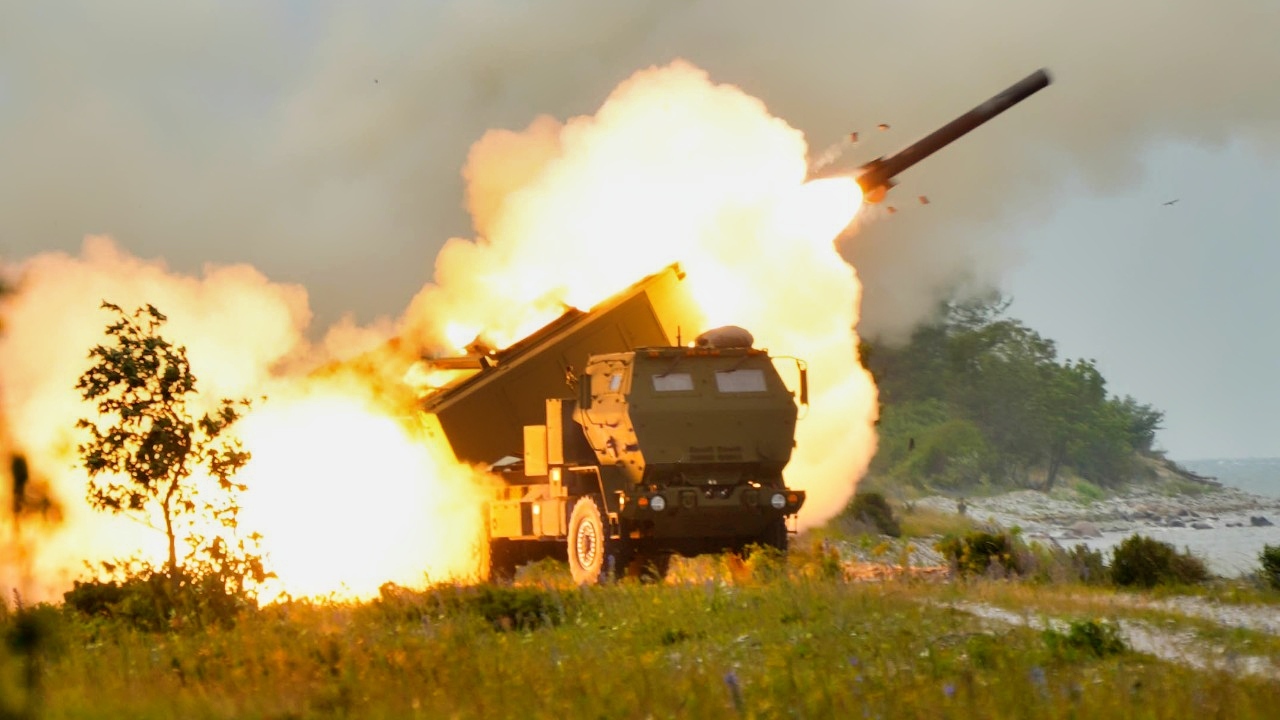
An Estonian Defense Forces M142 High Mobility Artillery Rocket System (HIMARS) fires a training rocket during a live-fire exercise in Undva, Estonia, July 11, 2025. U.S. Army elements from Bravo Battery, 1st Battalion, 14th Field Artillery Regiment, 75th Field Artillery Brigade, supporting Task Force Voit, assisted in the training process. The task force was originally formed in 2023 to support the Estonian Defense Forces in the creation of a HIMARS unit. Task Force Voit works closely with the Estonian Armed Forces, sharing critical defense strategies, training, and military readiness support. The presence of U.S. troops in the region serves as a cornerstone of NATO’s commitment to security in the Baltic region. The task force provides combat-credible forces to V Corps, America’s only forward-deployed corps in Europe. (U.S. Army photo by Staff Sgt. Rose Di Trolio)
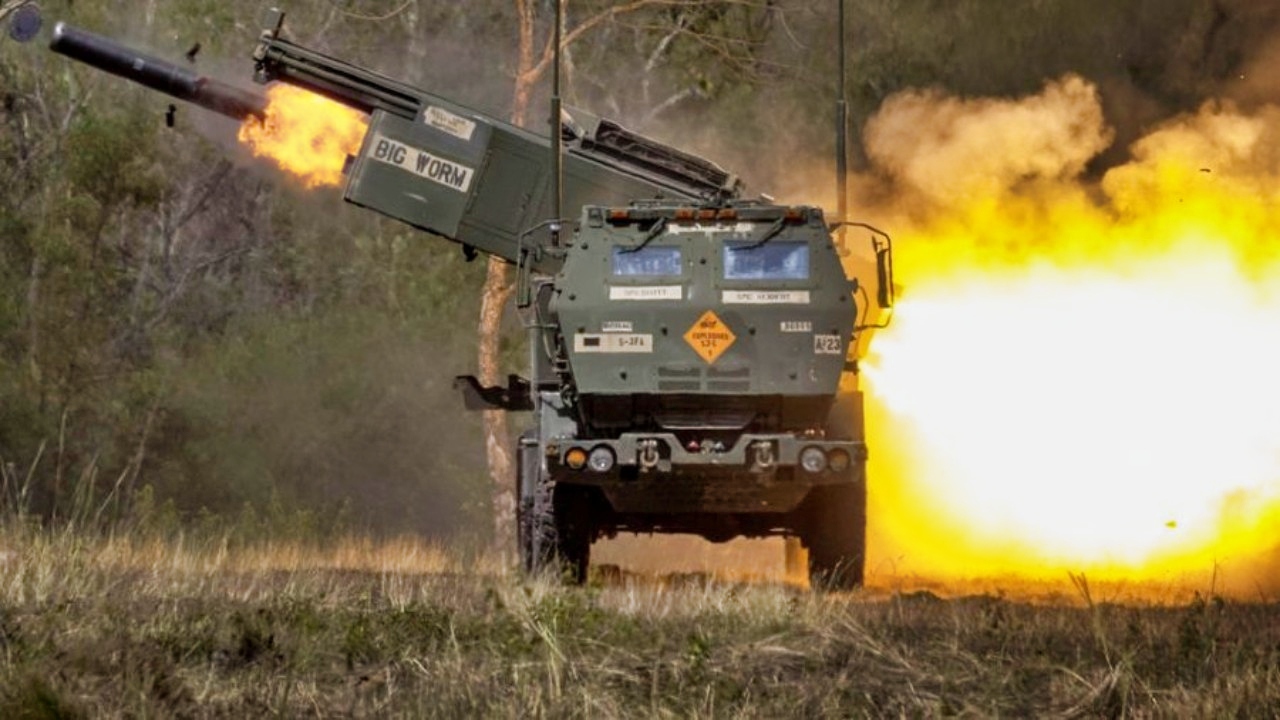
HIMARS. Image Credit: U.S. Government.
How Russia Says It Will Respond to Ukraine Strikes on Moscow
Russia has responded in an entirely unsurprising way: with threats to escalate. Speaking to reporters during an event in Kazan after the attack, Russian Foreign Minister Sergei Lavrov promised a massive and ongoing retaliation.
“It is no coincidence that the president announced some time ago, after yet another Kyiv terrorist attack, that we will now conduct massive group strikes on a regular basis against targets whose condition directly affects the combat readiness of the Ukrainian Armed Forces,” Lavrov said.
For Russia, it is embarrassing. A smaller army that is no longer as dependent on Western ammunition as it was is causing chaos within its own borders. That is particularly troubling for Moscow, given that the war was never meant to last this long; Putin, after all, promised that this would be a weekslong “special military operation.”
What’s more, Russia has already responded to Ukrainian long-range strikes with missile and drone barrages on major Ukrainian cities in recent weeks, all of which have yet to deter Ukraine.
Ukraine War in 2026: Was This the Best Outcome All Along?
These strikes have been years in the making, and the country has suffered greatly in the time it has taken to build a sufficient manufacturing base and logistical infrastructure to support long-range strikes.
That being said, the fact that Ukraine is causing so much damage to Russia now, and without relying on Western munitions and the go-ahead to conduct the strikes, is probably the best outcome.
Had the Biden administration been less worried about escalation, provided the long-range weapons from the start, and given the go-ahead to use them, Russia’s retaliation may not have been limited to escalation in Ukraine.
Kremlin officials have repeatedly warned that the nuclear option remains on the table if Russia’s territorial sovereignty is deemed to be under threat. That’s a vague description of Putin’s red lines, but it is not hard to imagine that Western munitions striking Moscow, after the U.S. and European powers gave the go-ahead to Ukraine, would be seen by the Kremlin as an unacceptable escalation.
In the event that had happened, there’s no telling how Russia may have responded – and even if it wasn’t a limited nuclear strike, it may well have been some form of military strike on NATO soil or infrastructure.
But now that Ukraine is putting the Russian economy under extreme pressure with its relentless barrages, Putin can’t label it a direct escalation from the West. He cannot, at least not without consequences, threaten to strike NATO. And, he can’t expect the West to simply cave to his demands. Kyiv can maintain the pressure, and Moscow will undoubtedly continue retaliating.
Eventually, something will give, but right now it doesn’t look like it will happen while both Putin and Zelenskyy remain in power.
About the Author: Jack Buckby
Jack Buckby is a British researcher and analyst specializing in defense and national security, based in New York. His work focuses on military capability, procurement, and strategic competition, producing and editing analysis for policy and defense audiences. He brings extensive editorial experience, with a career output spanning over 1,000 articles at 19FortyFive and National Security Journal, and has previously authored books and papers on extremism and deradicalization.


