
Putin’s Goals in Ukraine, Then and Now: Russian President Vladimir Putin still insists that peace with Ukraine is possible – but only on his terms. Today, Putin’s demands of Ukraine are hard to parse. The goals have moved over years of fighting, and with Ukraine now proving it can cripple the Russian economy and make warfighting even more expensive than it was before, it’s hard to imagine a scenario where a negotiated deal doesn’t end up with concessions from Russia. But what concessions might they be, and what goals does Putin still have today?
Putin Wants to Talk
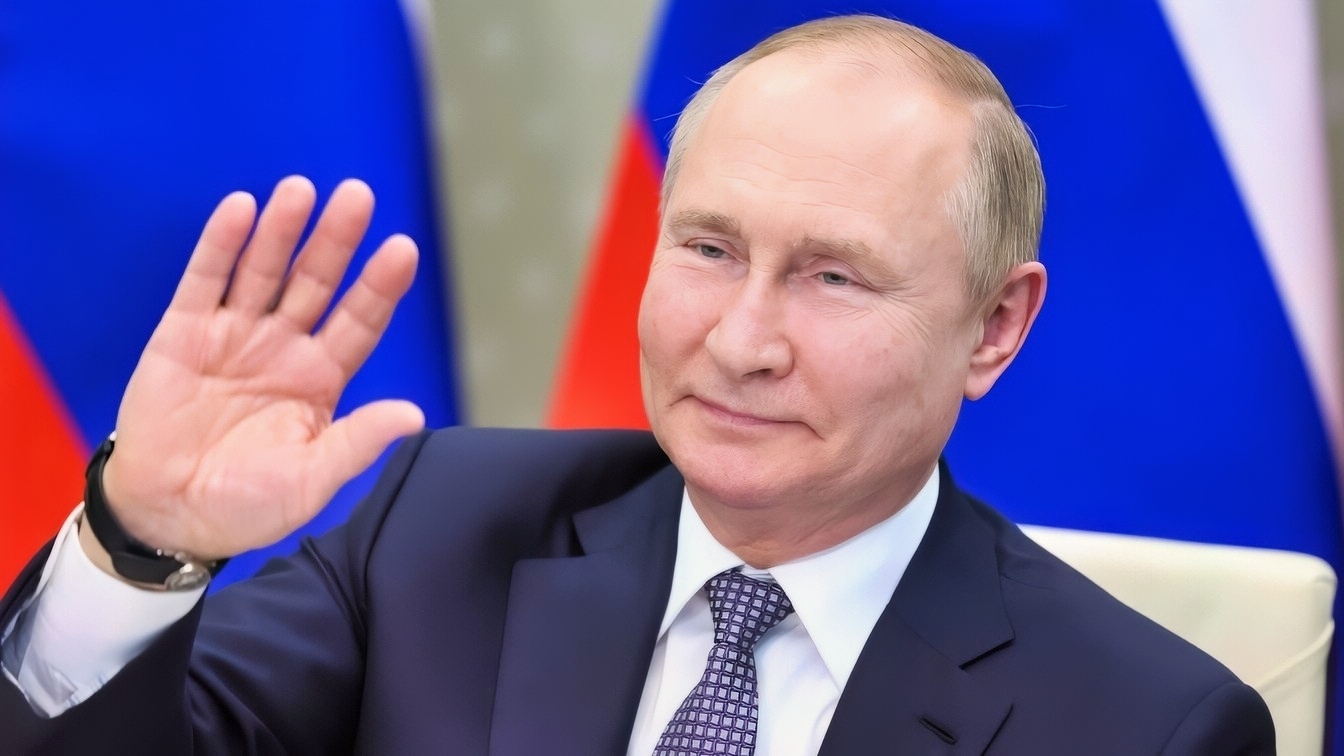
Vladimir Putin Back in June 2022 Russian Federation Photo.
On June 23, Putin reiterated that Moscow is prepared to resume negotiations with Ukraine and Washington on the basis of the agreements reached during the last round of talks in Istanbul.
“Russia is ready for peace talks with Ukraine – based on the agreements reached in Istanbul,” Putin said.
“Based on the agreements reached in Istanbul, on the modalities discussed in Anchorage, and, most importantly, on the realities on the ground.”
The comments were interesting because while Putin has repeatedly insisted that a negotiation can only end with Russia’s demands being met, he also left one thing open-ended: the matter of the “realities on the ground.” To be clear, when Putin talks about the realities on the ground, what he really means is the “realities” he expects the global media and the Russian people to believe. Moscow insists that it is winning the war, and those are the realities, he says, that must shape the discussion.
But behind closed doors, the Kremlin is well aware of the rising economic and political pressure at home and that Ukraine has the ability to worsen existing fuel shortages.
Putin wants to talk because the war is becoming expensive, and the true “realities on the ground” might finally come into play whenever the next round of negotiations occurs.
Has Putin Made Concessions?
Putin argues that Russia has already made concessions during the August 2025 summit in Anchorage, Alaska. Speaking to Russian business leaders in December 2025, Putin said that Moscow had accepted compromises during those negotiations and was prepared to honor them. According to sources cited by Kommersant and Reuters, Putin had indicated that Russia could accept some territorial flexibility outside Donbas while insisting that the Donbas itself must come under Russian control at the end of the war. Putin reportedly stated clearly that “Donbas is ours.”
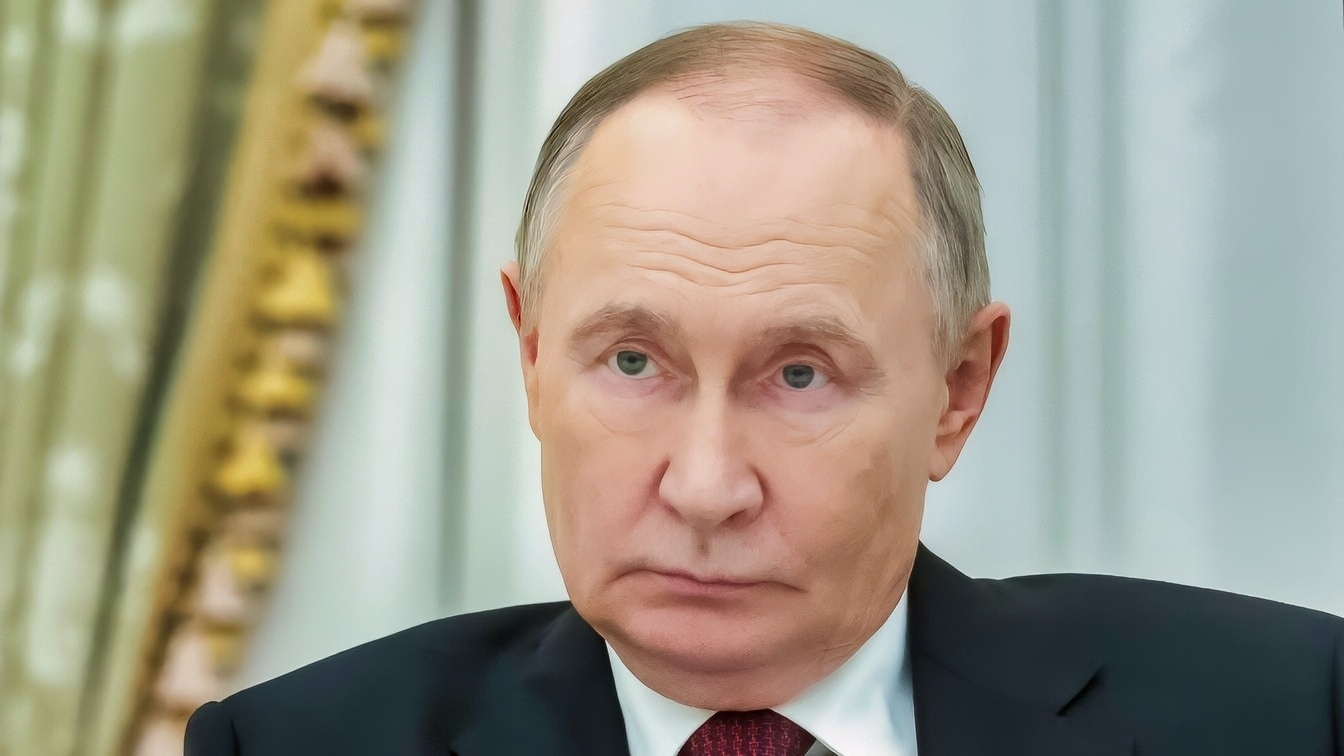
Putin in 2025 Russian Government Photo
But precisely what those Anchorage concessions are is unclear. Neither Moscow nor Washington has outlined in detail the material changes to Russia’s aims, leaving considerable uncertainty about how much Russia is actually prepared to compromise.
Putin’s demands are far more ambiguous today than they were during the opening phases of the war, and yet Putin continues to insist that Russia will fight until it achieves the goals of the special military operation.
What Putin Said He Wanted In 2022
When Putin announced the full-scale invasion of Ukraine on February 24, 2022 – the so-called “special military operation” – Russia’s objectives were straightforward. Kremlin messaging and Putin’s televised address said that the purpose of the operation was to protect people in Donbas who had suffered “genocide” at the hands of the Ukrainian government. To achieve that, Putin said, Russia would pursue the full “demilitarization” and “denazification” of Ukraine, while promising to bring to justice those responsible for what he described as crimes against civilians.
That messaging was reinforced by Kremlin messaging throughout the spring that followed.
In April that same year, Kremlin spokesman Dmitry Peskov said that one of Russia’s principal goals was to restore the self-proclaimed republics of Donetsk and Luhansk to the borders they had claimed under their 2014 constitutions. Foreign Minister Sergey Lavrov insisted that Russia was not in fact seeking regime change in Kyiv, but was aiming to eliminate a military threat from Ukrainian territory.
What began with an effort to seize Kyiv ultimately became a push to claim Donbas and degrade Ukraine’s military capabilities, as well as to pursue the so-called “denazification” of Ukraine – the latter of which is a highly contested and political claim by Russia.
What Does Putin Really Want Today?
Putin no longer defines victory in Ukraine in the same certain terms.
Over years of conflict, the Kremlin’s public demands have become less clear, and much of its messaging has focused on how it is “winning” the war. The Russian president repeatedly refers to his intention to achieve the “goals of the special military operation.”
But today, Russia’s goals are as defensive as they are offensive. The Kremlin has been forced to respond to Ukraine’s expanding long-range strike campaign by reallocating air defense systems to protect its refineries, fuel depots, critical energy infrastructure, and critical military sites.
Russia is on the defensive, though Ukrainian military officials now believe Moscow is preparing another offensive from the north that could force Kyiv to divert troops and stretch its already limited air defense resources amid its 40-day strike campaign.
Today, only one of Putin’s goals is fully clear: to push back as Ukraine conducts daily, devastating strikes on high-value targets supporting Putin’s war.
About the Author: Jack Buckby
Jack Buckby is a British researcher and analyst specializing in defense and national security, based in New York. His work focuses on military capability, procurement, and strategic competition, producing and editing analysis for policy and defense audiences. He brings extensive editorial experience, with a career output spanning over 1,000 articles at 19FortyFive and National Security Journal, and has previously authored books and papers on extremism and deradicalization.


