

Russia Unleashes One of the Largest Air Assaults of the Ukraine War: As one conflict simmers down, the Iran War, another–the Ukraine War–is boiling over. After a series of Ukrainian drone attacks on critical Russian energy infrastructure, causing massive disruptions to the civilian economy inside Russia, Moscow retaliated with a thunderous cacophony of violence. Russia’s recent airstrikes on Kyiv resulted in tragedy: nearly 27 people died, and countless other Ukrainians were injured.
During an overnight assault, Russia launched a massive combined attack on Kyiv involving hundreds of attack drones, ballistic missiles, and cruise missiles. The targets included:
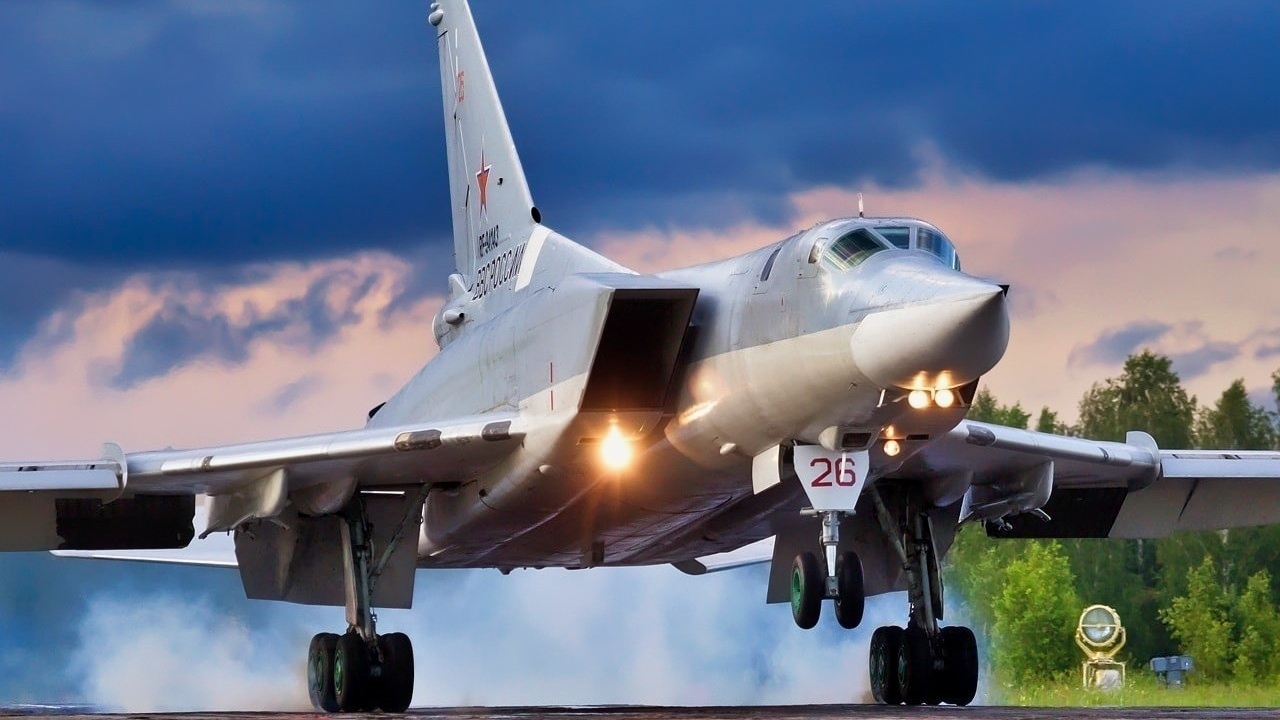
Tu-22M3 from Russian Air Force. Image Credit: Creative Commons.

Tu-22M3 Bomber from Russia. Image Credit: Creative Commons.
-Residential apartment buildings,
-Hotels,
-Medical facilities,
-Scientific institutions,
-Energy infrastructure
Kyiv is understandably outraged and is calling on the Americans to hand over more missile defense interceptors to its defenders.
Moscow is ambivalent to the suffering, stating that they were merely responding to the provocations from Ukraine.
Lost in all this tit-for-tat is the human suffering.
Deutsche Welle (DW) reports that 27 people died in the Russian attack on Kyiv and around 90 people were injured. Many expect those numbers to change soon, as the situation in Kyiv is fluid.
Scale of the Attack
According to the Ukrainian Air Force, Russia launched 496 drones and 74 missiles at Kyiv. Ukrainian air defenses intercepted many incoming weapons. However, numerous ballistic missiles penetrated the defenses and struck their targets. The barrage ranks among the largest air attacks since Russia’s full-scale invasion began in 2022.
There are concerns in the West that Russia might carry out further attacks.
Plus, the Russians’ use of drones to distract Ukraine’s drained and strained air defenses is a classic tactic we’ve witnessed in other wars, such as the recent Iran War, to make open paths for missiles to hit their targets.
That’s exactly what happened in Kyiv.
Why Now?
As noted above, Moscow claims the attacks on Kyiv were in retaliation for the Ukrainian strikes on Moscow and other critical civilian infrastructure throughout Russia.
Ukrainian President Volodymyr Zelenskyy had warned shortly before the Russian attack that intelligence indicated Moscow was preparing for a “massive strike.”
The Kremlin appears intent on increasing pressure, both military and psychological, while negotiations remain stalled.
And because Ukraine continues facing shortages of interceptor missiles–particularly against ballistic missiles–Moscow went for the tactical equivalent of low-hanging fruit. They figured that some of their missiles and/or drones would make it through the broken defensive screen around Ukraine.
They were correct. Now, of course, Ukrainian officials are begging for air defense systems from Western partners rather than using this recent experience as an excuse to cut a deal ending the war.
Ukraine War: The Bigger Picture
The strike underscores that, more than four years into the conflict, Russia retains a consistent ability to conduct strategic bombardment at scale–even as the Ukrainians have subjected Russia to an impressive array of energy infrastructure damage.
Rather than relying solely on battlefield advances, Moscow increasingly combines their drone swarms with cruise missiles and ballistic missiles to exhaust Ukrainian air defenses, damage Ukraine’s infrastructure, and impose psychological costs on the people of Ukraine.
Russia’s attack reinforces a central lesson of modern warfare: success is increasingly determined not by battlefield tactics, but by industrial capacity–the ability to manufacture massive numbers of drones, missiles, interceptors, and replacement equipment faster than an opponent can destroy them.
About the Author: Brandon J. Weichert
Brandon J. Weichert is Senior National Security Editor. He also manages The Weichert Brief on Substack. Weichert also hosts “National Security Talk” on Rumble. He is the author of four bestselling national security books, the most recent of which is A Disaster of Our Own Making: How the West Lost Ukraine (Encounter Books). Follow him via Twitter/X @WeTheBrandon.


