
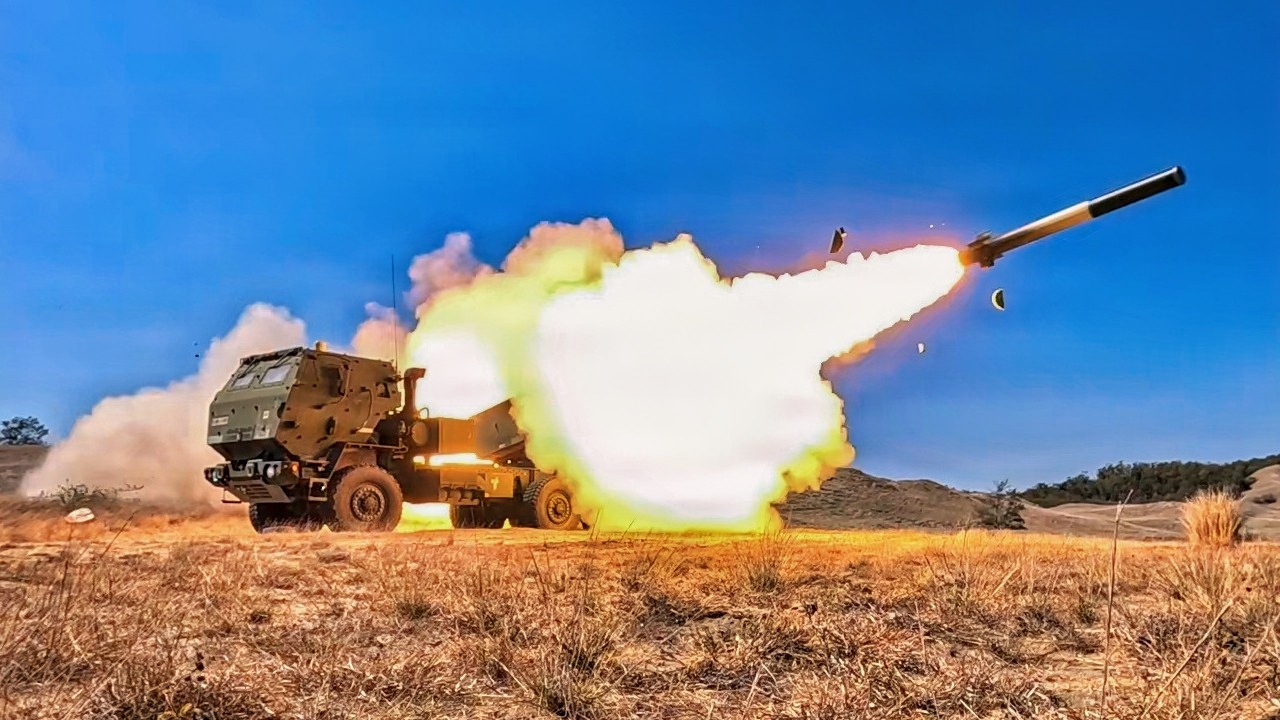
Ukraine’s planned 40-day, long-range strike campaign against Russia has weeks left, but we may already have an idea of where this is headed.
The campaign goes above and beyond just destroying military targets in Russia; it is a deliberate attempt to damage the economic system that keeps Putin’s war running. And it’s working so far.
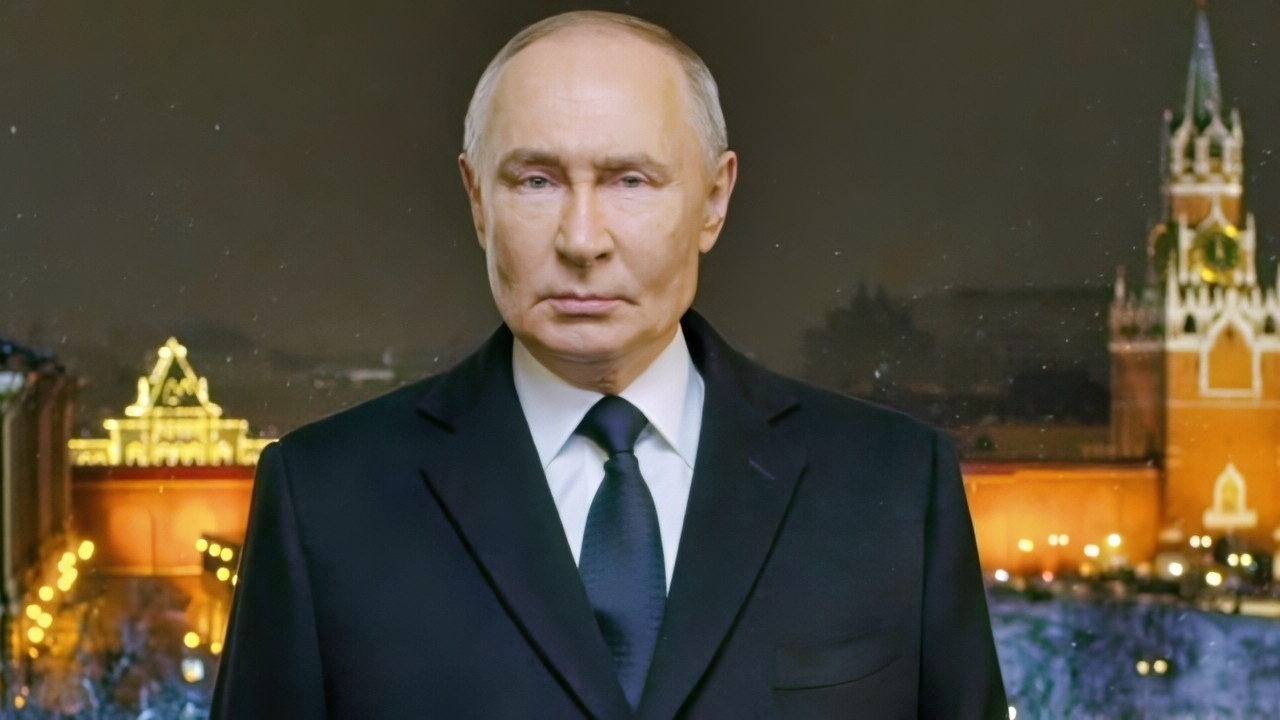
Putin Is Speaking Image from the Russian Federation Government End of 2024
The strategy proved to be effective yet again this week when Ukrainian drones struck the Omsk oil refinery in Siberia – the largest Russian refinery.
It was also one of the deepest Ukrainian strikes of the war so far. On July 7, reports described how the Gazprom Neft-owned facility had been forced to shut down processing operations after the attack damaged CDU-10, a unit responsible for around 38% of the plant’s production.
CDU-11, which accounts for another 37%, was also shut down due to network damage. The refinery processed 22 million tons of oil in 2024, producing 5 million tons of gasoline and 8 million tons of diesel.
And now, Moscow faces a difficult question: can it really repair these facilities, reroute the oil, and adapt faster than Ukraine can keep destroying them?
Ukraine Targets Russia’s War Economy
The Omsk strike is just the latest in a string of similarly damaging attacks. On July 6, Ukraine also struck facilities in Yaroslavl and the Baltic Sea ports of Ust-Luga and Vysotsk.
A day later, Ukraine said that it had struck 12 Russian “shadow fleet” tankers in the Sea of Azov that were supplying fuel to Crimea amid shortages on the peninsula.
Ukraine is not just destroying Russian weapons.
It is not only destroying oil refineries, but it is also taking out air defenses: its military is destroying every aspect of its fuel economy to ensure that Russia feels as much pressure as possible. And more is coming.
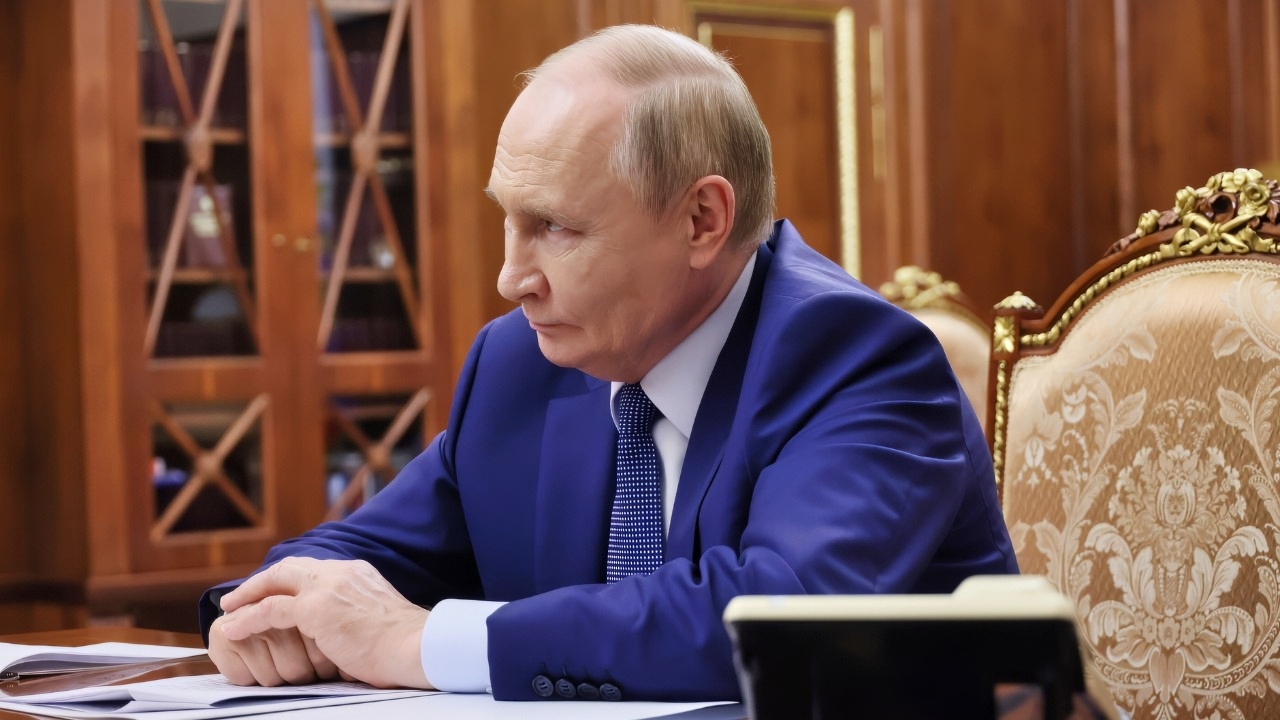
Putin in 2025 looks stern. Image Credit: Creative Commons.
The Scale Is Changing
The campaign has accelerated dramatically in recent weeks. According to analyses published in various Ukrainian outlets, reported by the Financial Times, Ukrainian drones have struck Russian refineries at least 194 times in the first half of 2026.
That’s 11 times as much as during the same period last year. The report also said that May alone saw a record 16 successful strikes.
Russia can no longer ignore the attacks. Kremlin spokesman Dmitry Peskov has admitted that they are causing problems.
The Russian president has been forced on multiple occasions to announce measures to mitigate the looming nationwide oil crisis. On June 29, reports described how fuel shortages were reaching virtually all parts of Russia, driven by a combination of panic buying, seasonal demand, and, of course, Ukrainian strikes.
Reports also revealed in late June how Russian gasoline output had fallen to around 90,000 metric tons per day – roughly 25% below the daily average in 2025. And by early July, there was no denying the problem was growing, with reports and social media posts showing long lines at fuel stations following the Omsk refinery strike.
Russia May Still Be Able to Adapt
None of this means Russia is collapsing immediately – though, if the strikes continue, it well could. Moscow still has options for now; it can repair damaged refineries and bring mothballed units back online.
It can restrict exports, as it already is, and begin importing fuel from friendly countries.
It can temporarily lower fuel-quality standards and ration fuel, prioritizing the military over civilian drivers. This is disastrous for the civilian economy, of course, but it will all be necessary if Putin intends to keep fighting.
But adapting like this carries major costs, and Putin must now decide whether he is willing to plunge his country into economic despair for the sake of winning a war that didn’t need to happen.
And it’s still unclear whether Moscow has the air defense systems it needs to protect every piece of infrastructure across its vast land mass. At present, it doesn’t seem like its military is up to the job.
The U.S. Could Add More Pressure
Ukraine’s strike campaign continues, and Russia is not only grappling with how to protect its remaining infrastructure – it could be looking at new sanctions packages that put further pressure on its economy.
U.S. Senator Lindsey Graham once again pushed a proposed sanctions package against Russia on July 7, arguing that a bill put forward by him and Senator Richard Blumenthal could deny Putin the revenue he needs to keep the war going.
Under the proposal, the U.S. would sanction countries that purchase cheap oil from Russia, forcing them to buy from elsewhere.
“Ukraine has exceeded every expectation in terms of liberating its country from the Russian invasion and is worthy of continued increased support.
My Russia sanctions bill with Senator Blumenthal can make a real difference.
The legislation – with wide and deep bipartisan support – would allow President Trump to put tariffs on the top countries that buy cheap Russian oil and natural gas to prop up Putin’s war machine,” Graham said.
”In my opinion, this summer is the time to go all in to put pressure on Putin to get to the peace table and end the bloodbath.”
If Graham gets his way, this summer could become the tipping point for Russia and Ukraine’s fuel war. But whether it will be enough to force Putin to end the conflict is hard to predict.
It all depends on how much economic pain Putin is willing to inflict on the Russian people.
About the Author: Jack Buckby
Jack Buckby is a British researcher and analyst specializing in defense and national security, based in New York. His work focuses on military capability, procurement, and strategic competition, producing and editing analysis for policy and defense audiences. He brings extensive editorial experience, with a career output spanning over 1,000 articles at 19FortyFive and National Security Journal, and has previously authored books and papers on extremism and deradicalization.


