
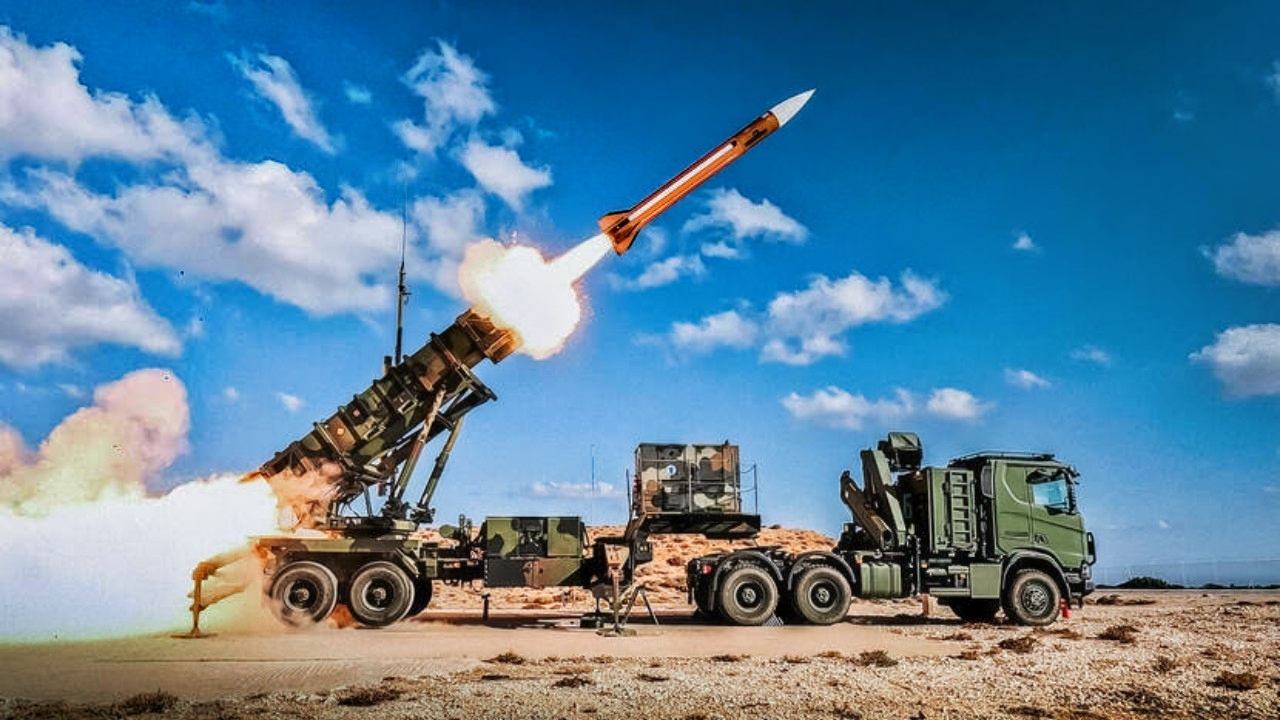
Ukraine Needs Patriot Missiles – But The U.S. Can’t Supply Them All: Russia’s latest missile strike on Ukraine has exposed what Kyiv has been saying is one of its most critical vulnerabilities for weeks now: a shortage of Patriot interceptor missiles capable of stopping Russian ballistic missiles.
When Russia launched one of the largest aerial attacks of the year overnight into Monday, July 6, a total of 68 missiles and 351 drones were fired across the country, primarily targeting Kyiv and the surrounding region. Ukrainian officials confirmed that air defenses intercepted dozens of cruise missiles and hundreds of drones, but also said that every Russian ballistic missile reached its intended target.
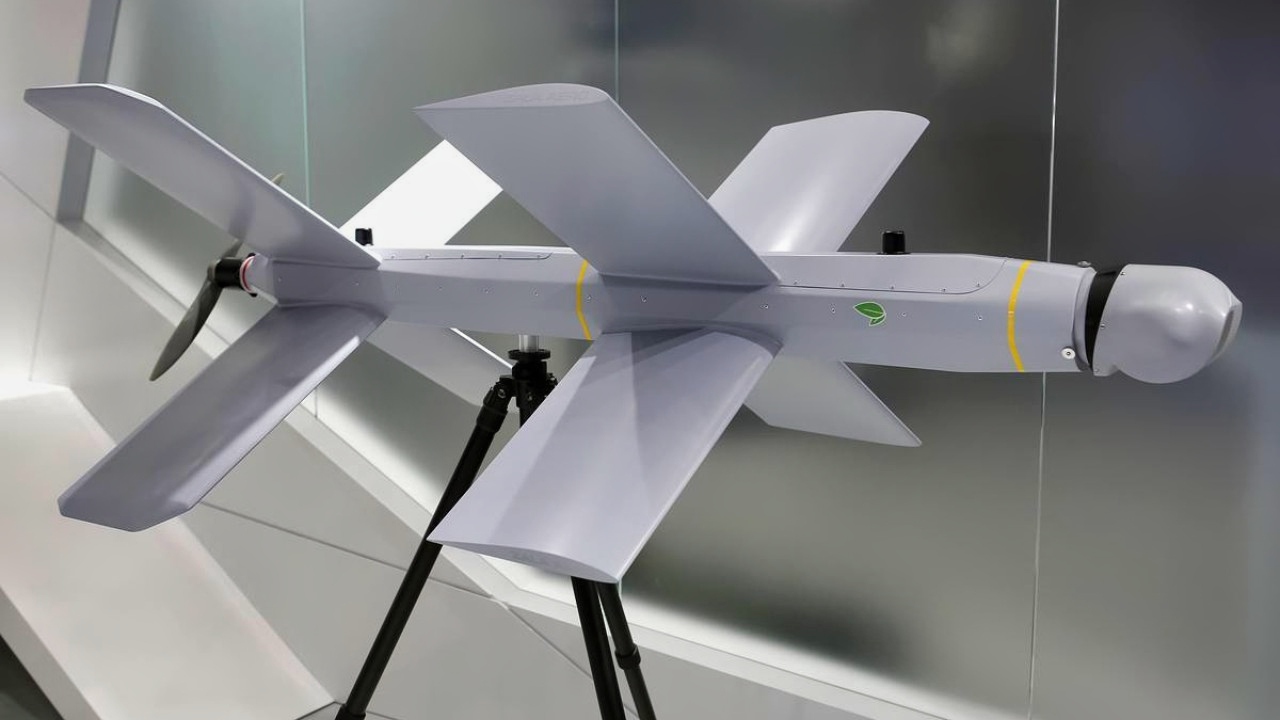
Lancet Drone. Image Credit: Russian State Media.
It was devastating for Kyiv and enabling for Russia: it proves that without urgent assistance, Ukraine is vulnerable to these kinds of strikes because it does not have the air defense capabilities required to tackle every drone and missile at the same time.
The barrage killed at least 21 people and injured more than 70 others. Rescue operations continue, and the death and injury count is likely to rise.
The attack also came just one day before NATO leaders meet in Ankara, Turkey, where Ukrainian President Volodymyr Zelenskyy is expected to appear and press allies to speed up the delivery of promised air defense systems.
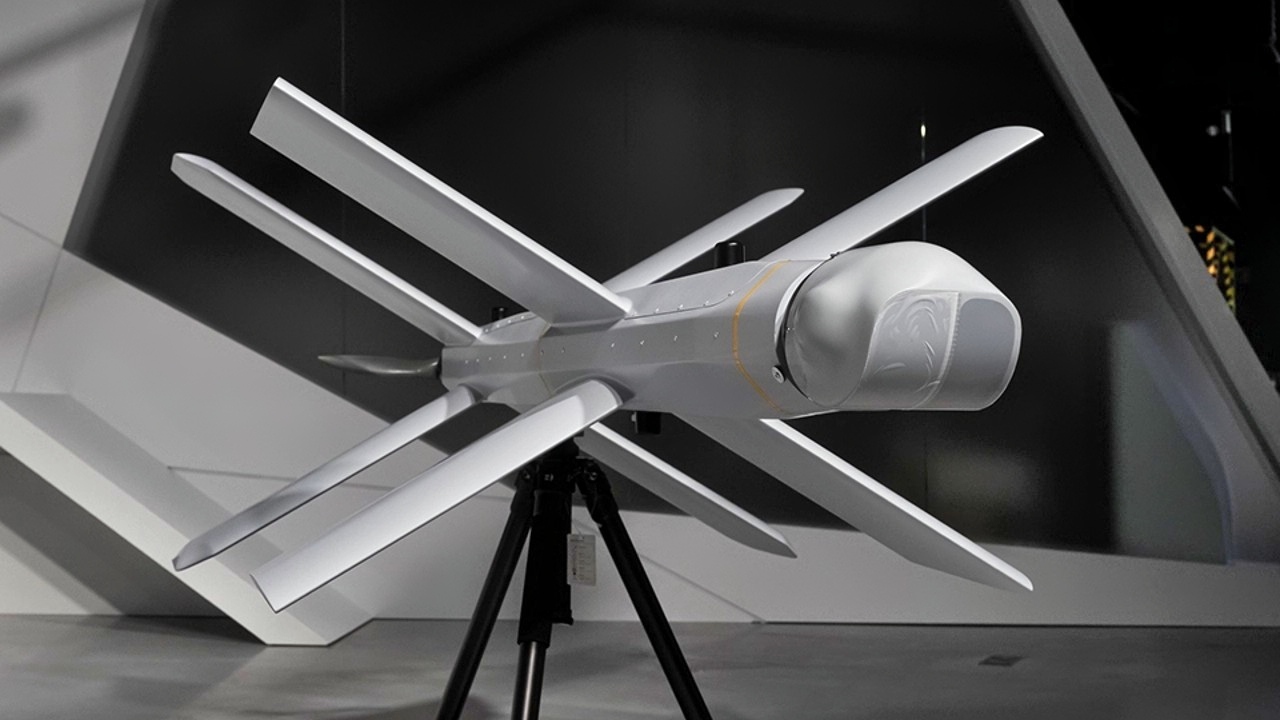
Lancet Drone from Russia. Image Credit: Creative Commons.
Every Ballistic Missile Reached Its Target
Ukrainian Air Force spokesman Yurii Ihnat said that Russian ballistic missiles struck every intended target in and around Kyiv because of Ukraine’s shortage of interceptor missiles.
Speaking on national television, Ihnat said that Ukrainian forces cannot do the job without the right equipment.
“To intercept ballistics, we need the means for interception,” he said. “Russians are certainly using the fact that there is a serious deficit of interceptor missiles now, in Ukraine and the world.”
Kyiv bore the brunt of the latest assault.
Tymur Tkachenko, the head of the Kyiv City Military Administration, confirmed that 15 people were killed in the capital city and another 56 injured. Ukrainian emergency workers also said another six people were killed in the surrounding regions. Rescue workers continued through Monday afternoon searching for survivors in the rubble beneath destroyed residential buildings.
Why Patriot Missiles Matter
Patriot missiles are critical to Ukrainian defenses because they can intercept faster, more powerful projectiles launched by Russian forces.
Unlike slower Shahed attack drones and cruise missiles, which are also regularly used in attacks on Ukrainian soil, ballistic missiles travel at extremely high speeds and then descend steeply toward their targets.
That speed and angle of attack give defenders only seconds to react, and Patriot air defense systems are the most effective tool for protecting against this threat. But the United States has a finite supply of systems and interceptors, and Ukraine is pushing for even more.
Ukraine Needs Patriots
Since the invasion began, Ukraine has been assembling one of the largest Patriot air defense networks outside of the United States. Kyiv has received at least six Patriot batteries from its partners, including the United States, Romania, Germany, and the Netherlands. Several other launchers and components have also been provided separately by other allies.
The batteries themselves, however, are only part of the equation. Each system only works if it has a supply of interceptor missiles, which are fired individually and must constantly be replenished. The more Russia bombards Ukraine with drones and missiles, particularly ballistic missiles, the more of these interceptors are required. And this is what has become a real bottleneck for Ukraine.
A single PAC-3 intercept costs roughly $4 million, and typically two are fired in tandem to intercept each incoming ballistic missile, maximizing the probability of a successful kill. When Russia engages in heavy bombardment, Ukraine can expect to expend dozens of Patriot missiles in a single night. And although the exact number of missiles transferred to Kyiv is difficult to confirm, President Volodymyr Zelenskyy and Ukrainian officials have been warning for some time now that they are running short of critical interceptors. Earlier this month, Ukraine’s defense ministry confirmed that it would purchase 100 Patriot missiles with $1 billion in European Union loan financing.
“A step was taken to purchase about a hundred Patriot missiles for $1 billion at the expense of an EU loan. This year, Ukraine also began receiving missiles from European partners’ warehouses for the first time,” the ministry said in a statement.
The U.S. Needs Them Too
While Kyiv is on the hunt for more Patriot missiles, the United States is juggling its own priorities with its willingness to continue supporting Ukraine – especially now that U.S. President Donald Trump appears to favor Kyiv piling the pressure on Moscow to come to the table. But the United States cannot simply hand over its entire Patriot inventory.
Washington relies on the system to defend U.S. forces and allies in Europe, the Middle East, and the Indo-Pacific. As global tensions continue to rise, Washington knows that maintaining a sufficient Patriot stockpile is essential to America’s own national security and alliance commitments.
About the Author: Jack Buckby
Jack Buckby is a British researcher and analyst specializing in defense and national security, based in New York. His work focuses on military capability, procurement, and strategic competition, producing and editing analysis for policy and defense audiences. He brings extensive editorial experience, with a career output spanning over 1,000 articles at 19FortyFive and National Security Journal, and has previously authored books and papers on extremism and deradicalization.


