

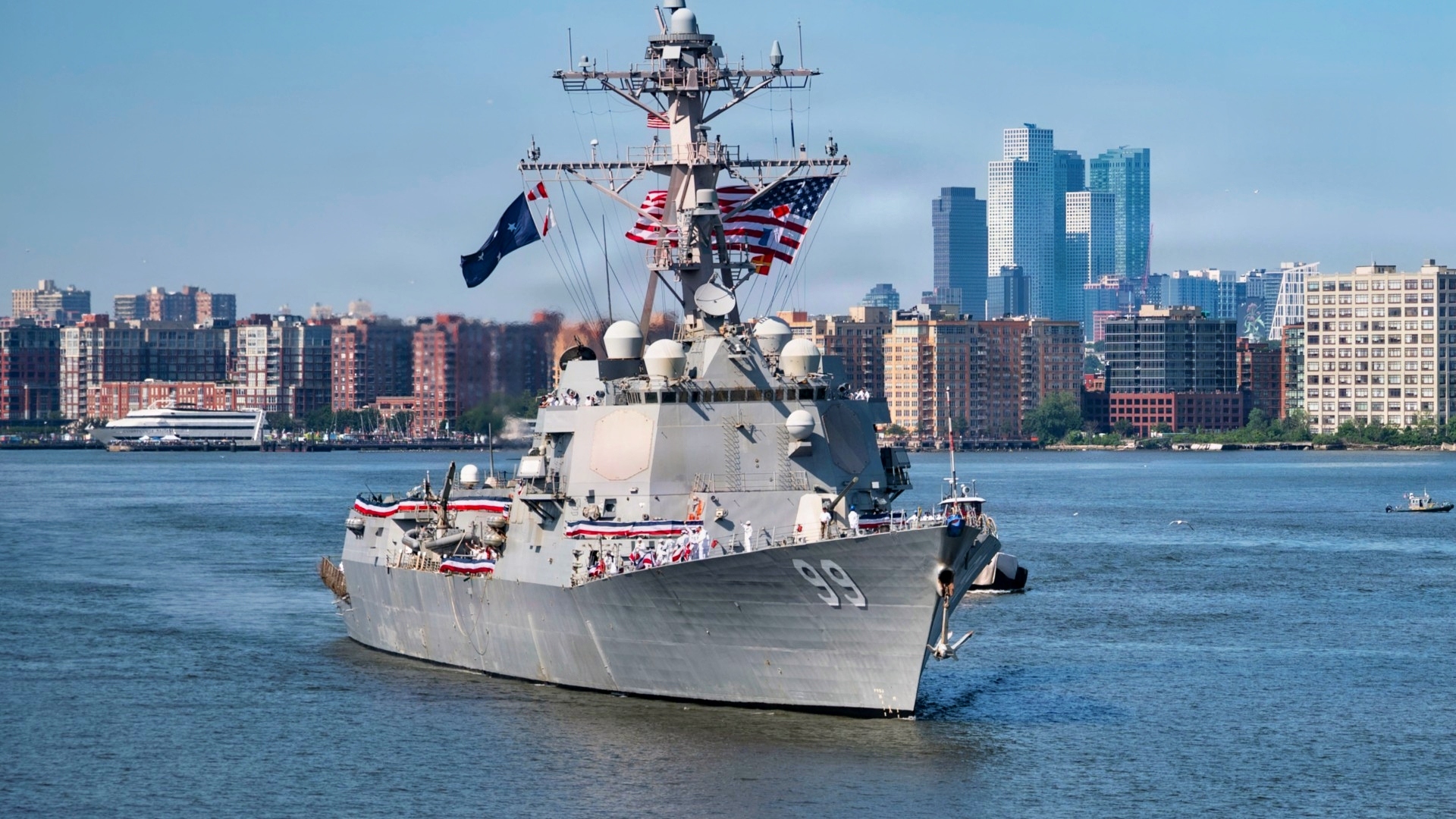
Despite crude oil levels remaining low, oil prices, which have reached pre-conflict levels, may have given President Trump some much-needed leverage over Iran.
The Iranians had closed off the strategic waterway, the Strait of Hormuz, threatening any tankers or container ships that entered the Strait with missiles, drones, or attacks by small speedboats.
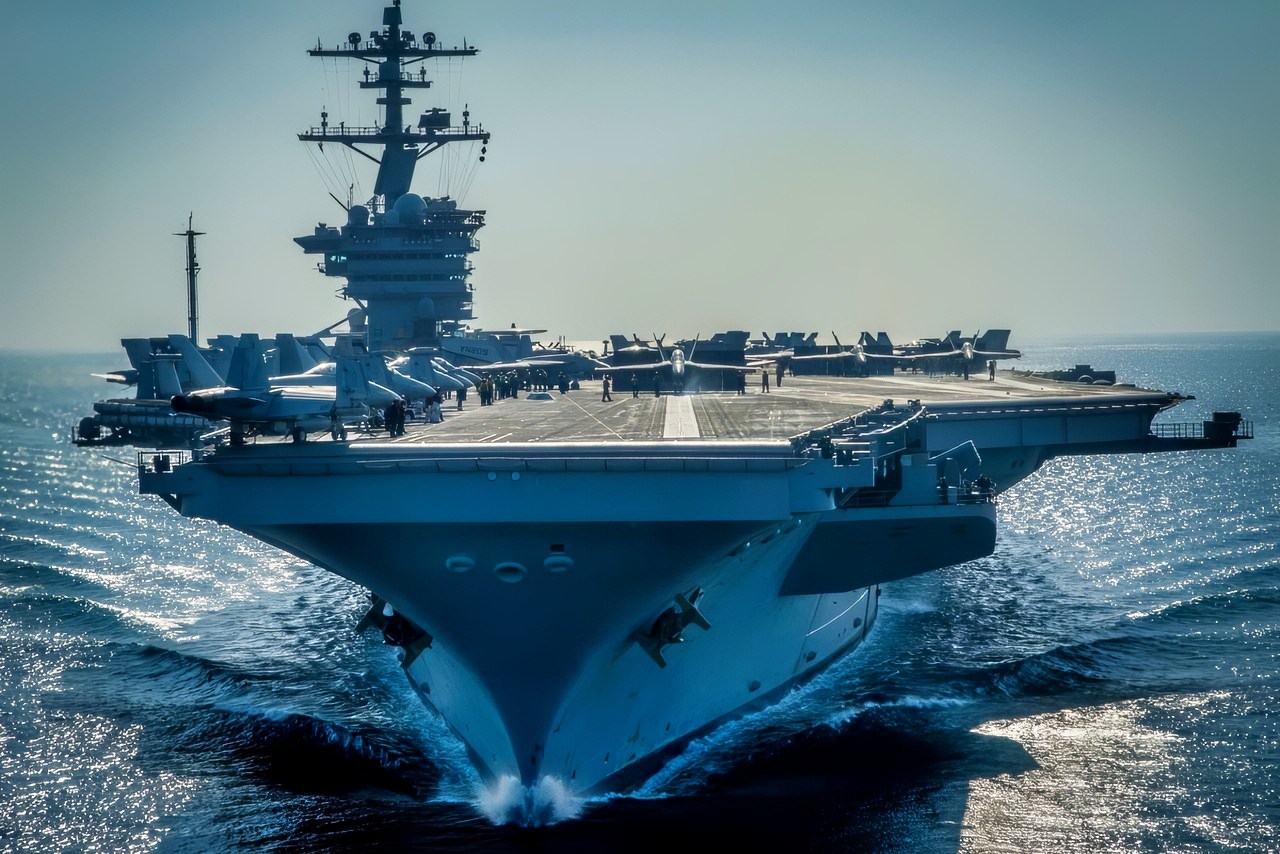
141208-N-WD464-386 ARABIAN GULF (Dec. 8, 2014) The Nimitz-class aircraft carrier USS Carl Vinson (CVN 70) prepares for flight operations in the Arabian Gulf. Carl Vinson is deployed in the U.S. 5th Fleet area of operations supporting Operation Inherent Resolve, strike operations in Iraq and Syria as directed, maritime security operations, and theater security cooperation efforts in the region. (U.S. Navy photo by Mass Communication Specialist 2nd Class Alex King/Released)
This caused oil prices to spike throughout the spring months. However, the US and many other countries tapped into their strategic petroleum reserves (SPR), helping alleviate global shortages.
The US Strategic Petroleum Reserve (SPR) sits below 326 million barrels of emergency oil, down 22 percent from the 415 million barrels just before the current conflict, according to the US Energy Information Administration. That’s the lowest level since the Reagan administration began filling the SPR in 1983.
The US, in a devastating and effective air campaign, crushed Iran’s air force and sank the vast majority of its naval forces. This campaign targeted Iran’s missiles and missile launchers, as well as their radars close to the coast. This allowed a trickle of tankers to run the Strait at night with their transponders turned off.
The MoU, Gradual Reopening Of The Strait, And Lower Oil Prices
The Memorandum of Understanding (MoU) was intended to open the Strait for 60 days, followed by further negotiations. Iran has broken that agreement several times, and on Monday, it fired on two ships transiting the strait.
The IRGC’s attacks on three tankers in the Strait of Hormuz are driven by broad strategic retaliation and wartime blockades. Tehran uses these disruptions to inflict global economic pain and intentionally sabotage fragile peace negotiations. However, a smaller factor is that it knows oil prices will increase, which will give it more leverage in negotiations.
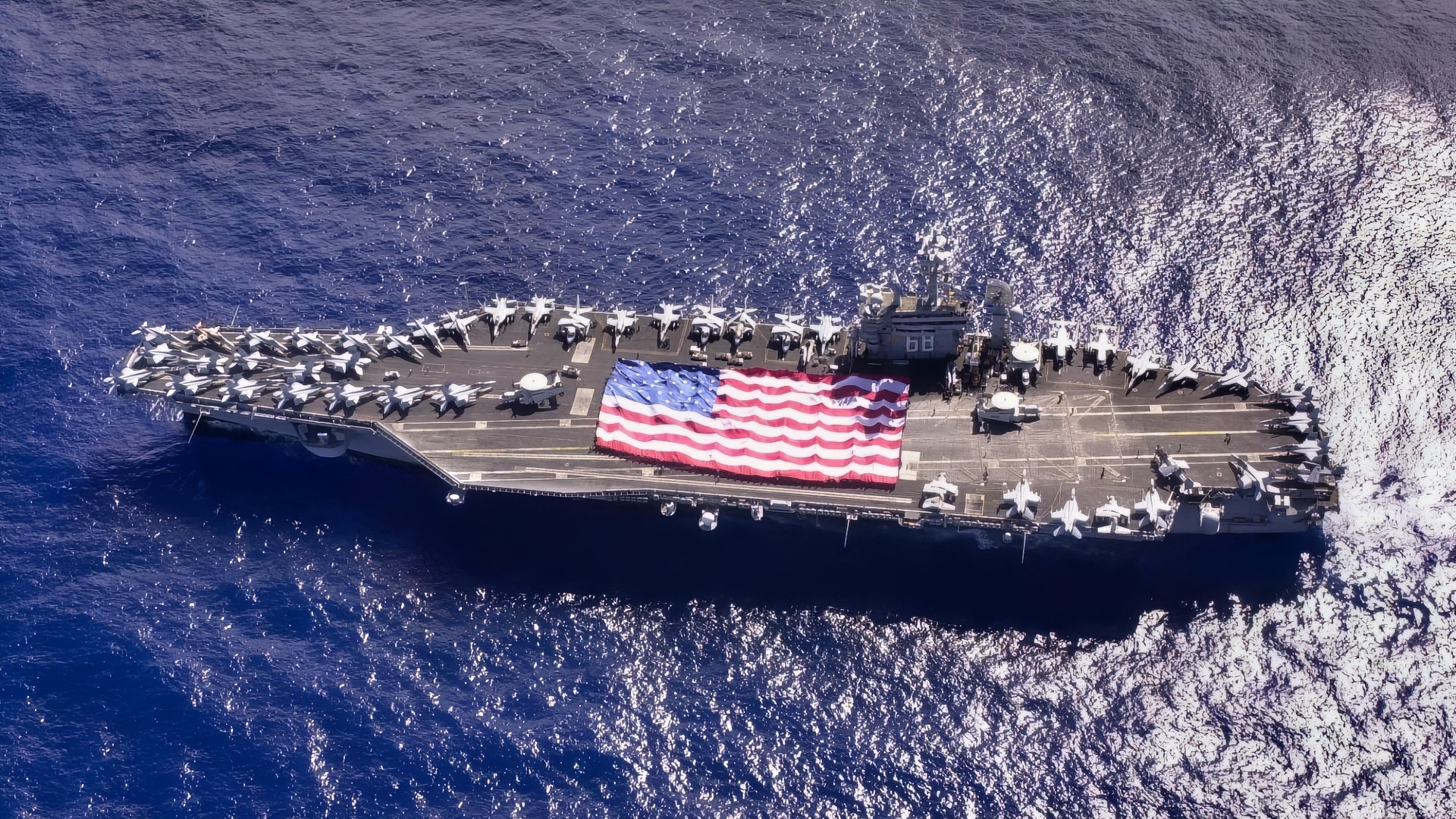
Pacific Ocean (Nov. 3, 2003) — USS Nimitz (CVN 68) crewmembers participate in a flag unfurling rehearsal with the help of family and friends on the ship’s flight deck during a Tiger Cruise. The Nimitz Carrier Strike Group and embarked Carrier Air Wing Eleven (CVW-11) are en route to San Diego, Calif., following an eight-month deployment to the Arabian Gulf in support of Operation Iraqi Freedom. U.S. Navy photo by Photographer’s Mate 3rd Class Elizabeth Thompson. (RELEASED)
But as CNN reported, the Strait of Hormuz is reopening, albeit slowly. “Oil traders expect the historic oil supply shortage to quickly turn into a major glut as the world is flooded with crude. That’s why Brent crude hovers right around $70 a barrel, trading below its price from two weeks before the war.”
Low Oil Prices May Buy The US Time In Negotiations
Falling oil prices—which recently hit four-month lows with West Texas Intermediate trading near $67–$68 per barrel—are giving U.S. negotiators more room to maneuver in negotiations with the Iranians.
However, the Wall Street Journal says that low crude oil inventories, due to strategic oil reserve stocks falling to their lowest level since 1990, have reduced any long-term leverage.
The amount of oil in strategic storage stocks worldwide is playing a significant role in U.S.-Iran power negotiations. The faster countries restock their strategic buffers of crude oil, the weaker Iran’s ability to threaten the world economy by holding the Strait of Hormuz hostage.
Inventories in the Organization for Economic Co-operation and Development, a group of mostly wealthy countries, fell by 163 million barrels from March to May, reaching their lowest level since December 1990.
As the Strait of Hormuz reopens, even if not at the level of before the conflict, tens of millions of barrels of oil are once again flowing through the Persian Gulf.
Global Demand For Oil Is Now Much Lower
During the fighting, the demand for oil tumbled as countries sought alternative energy sources. The CNN piece quoted Natasha Kaneva, head of global commodities strategy at JPMorgan, who said that the world was learning to survive with a limited oil supply.
“The surge in oil supply is about to collide with a market that, at least for now, simply does not need it,” she added.
China and Europe are aggressively prioritizing electricity over oil to build energy security, hedge against fossil-fuel volatility, and reduce reliance on foreign oil imports.
China’s electric vehicle (EV) fleet displaces over 1 million barrels of oil per day. Electricity now accounts for roughly 30 percent of China’s final energy consumption, double the share in the EU.
Supplies Will Soon Surge Past Demand
The International Energy Agency expects oil demand to recover to just 2 million barrels a day. But they expect oil production to top 8 million barrels a day. That would significantly oversupply the world with oil and lead to much lower prices.
Many analysts, such as JPMorgan, expect oil prices to be at about $60 a barrel next year, with some predicting prices as low as $50 a barrel, said Kieran Tompkins, senior climate and commodities economist at Capital Economics.
Currently, the US SPR is at 319.2 million barrels, less than half of its 714 million barrel capacity.
However, Energy Secretary Chris Wright has stated that the country’s rainy-day oil reserve is slated to receive a major influx of oil soon.
Companies that borrowed crude oil from the SPR during the Iran conflict will return those barrels with premiums attached, leaving the reserve about 40 million barrels larger than it would have been otherwise by the time the conflict ends, Wright said, in an article from oilprice.com.
Appearing on Fox Business in late June, Wright said, “We’re not selling any barrels of oil.” “We’re flowing oil to the marketplace in the short term when it needs it, and we’re trading those barrels.”
Vice President JD Vance said that the US is restocking its supplies and playing a waiting game during an interview with conservative Michael Knowles last week.
“I think what the president has told us to do is to use this MOU to refill the world’s oil economy, refill some stocks, and then to see where (Iran’s) hand is,” Vance said.
Despite Iran’s attacks on shipping in the Strait, the world doesn’t have a shortage of oil, and the more that oil reserves increase, the less leverage Tehran has in negotiations and the more leverage the US may have. That would be welcome news.
About the Author: Steve Balestrieri
Steve Balestrieri is a National Security Columnist. He served as a US Army Special Forces NCO and Warrant Officer. In addition to writing on defense, he covers the NFL for PatsFans.com and is a member of the Pro Football Writers of America (PFWA). His work was regularly featured in many military publications.


