


In an effort to partially alleviate the fuel squeeze in Russia caused by Ukrainian strikes on oil and gas infrastructure, Russian authorities have allowed some of the country’s fuel refineries to produce fuel with significantly higher levels of sulfur and other pollutants for the domestic market, Reuters reported. As a part of the relaxed production standard, gasoline and diesel refined for use in Russia can now contain up to 150 parts per million of sulfur, which is about 15 times the legal limit permitted in India, China, and Europe.
Reuters also explained that fuel can contain higher levels of aromatic hydrocarbons, carbon-based oil derivatives that pose significant health risks due to their carcinogenic potential.
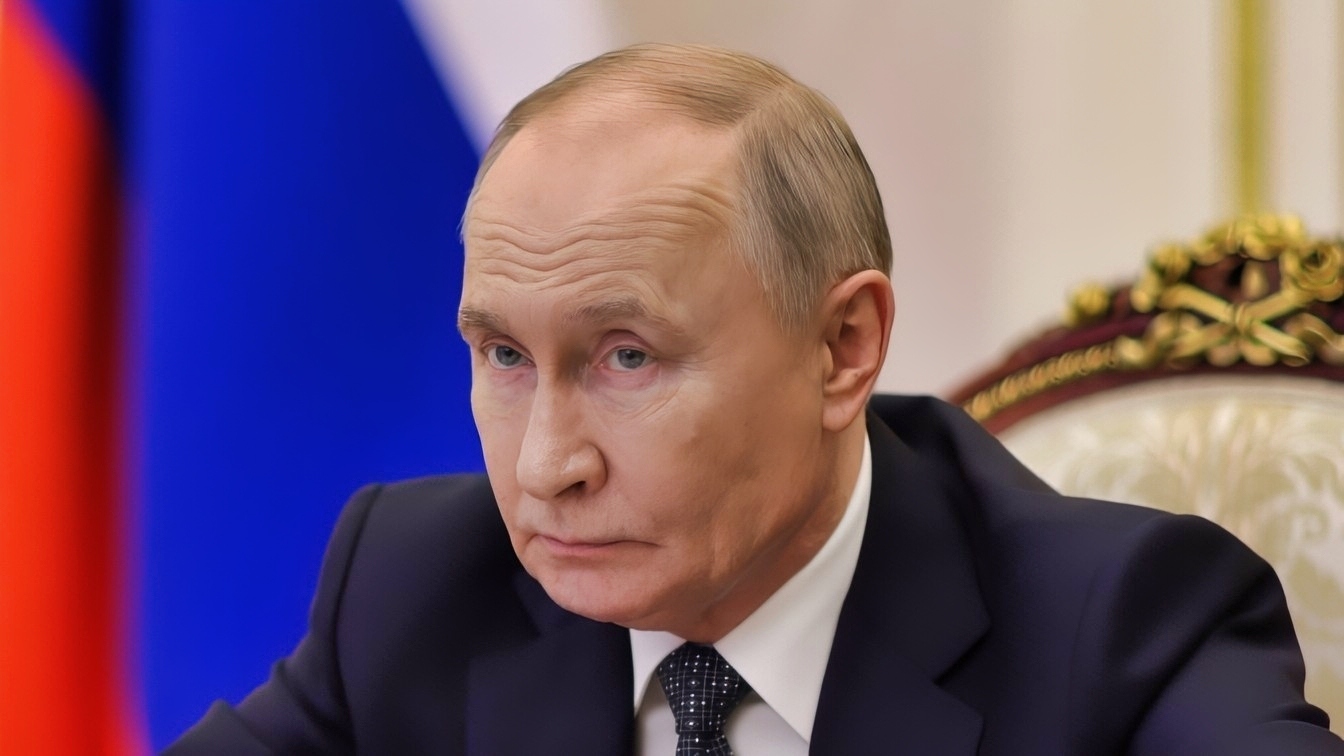
Putin Back in March of 2026 Creative Commons Photo
Fuel for Sale in China
In another sign of how deeply Ukraine’s strike regime against Russian oil and gas infrastructure has bitten into fuel availability, residents of Russia’s Zabaykalsky region, which borders Mongolia and China, are being offered fueling services in China.
Local Telegram groups are advertising transportation for Russian vehicles to China, where they would be refueled and shipped back to Russia, according to Russian media. Though potentially cheaper than domestic fuel — and potentially cleaner-burning as well — it is not the only solution proposed to ease the fuel squeeze in Russia.
Imports of Fuel from Abroad
Though Russia is among the top five oil-producing countries in the world, according to the International Energy Agency, it has been forced to import oil due to a dearth of domestic supply.

T-64 Tank. Image Credit: Creative Commons.
One somewhat surprising source of energy for Russia has been India, a country that, in the past, typically imported significant quantities of energy from Russia.
Speaking to Reuters, several sources said that India has sent 60,000 to 70,000 metric tons of gasoline to Russia, and that Belarus has also exported fuel to Russia to alleviate the ongoing summer fuel crunch, with shipments tripling.
For India in particular, the world’s third-largest oil importer, it has been a strange reversal.
Long Lines, New Rules
On Wednesday, Russian authorities introduced new rules aimed at alleviating the domestic fuel shortage, banning the export of diesel fuel. Speaking to Russian President Vladimir Putin about the domestic situation during a televised interview, Deputy Prime Minister Alexander Novak said that the fuel situation is difficult and that “it is clear that the current situation at filling stations is causing concern among the public.”
“Today, a ban on diesel fuel exports was introduced, and this will make it possible to increase supplies to the domestic market,” Novak said, adding that the ban would remain in place until July 31st.
Unprecedented Steps
Open critique of the Russian president, the Kremlin’s foreign policy decisions, and the overall domestic situation is not tolerated in Vladimir Putin’s Russia. But in one sign of just how upset ordinary Russians are — and how seriously the Russian leader views the worsening fuel situation — the Russian president addressed the shortage in an interview with local media.
Speaking in response to a query about Ukrainian attacks on industrial facilities and energy infrastructure, Putin was unequivocal. “As for the attacks on critical infrastructure in general, and energy infrastructure in particular, they are, of course, creating problems,” the Russian president explained, adding “that is obvious.” But the Russian leader attempted to downplay the severity of the attacks. “We are currently seeing certain shortages, although they are not critical.”
Going forward, Putin explained, air defenses must be a priority. “It is also clear what needs to be done to ensure stable fuel supplies and eliminate the temporary shortages that have arisen,” he said. “Repairs must be completed more quickly, the necessary level of imports must be secured and, as I have already said, these facilities must be reliably protected.” But it is unclear how that will be achieved, in part due to the enormous size of Russia, the world’s largest country.
Most recently, Ukrainian forces landed successful strikes on Russia’s single largest oil refinery in Omsk, forcing the facility to halt the production of refined oil products.
The strike was in Russia’s Siberia, far in the east, and underscored just how capable — and long-range — Ukrainian strikes on Russia’s energy infrastructure have become.
MORE – Trump Declares Ukraine Can Build Their Own Patriot Missiles
MORE – Russia Can Now Jam Starlink
About the Author: Caleb Larson
Caleb Larson is an American multiformat journalist based in Berlin, Germany. His work covers the intersection of conflict and society, focusing on American foreign policy and European security. He has reported from Germany, Russia, and the United States. Most recently, he covered the war in Ukraine, reporting extensively on the war’s shifting battle lines from Donbas and writing on the war’s civilian and humanitarian toll. Previously, he worked as a Defense Reporter for POLITICO Europe. You can follow his latest work on X.


