

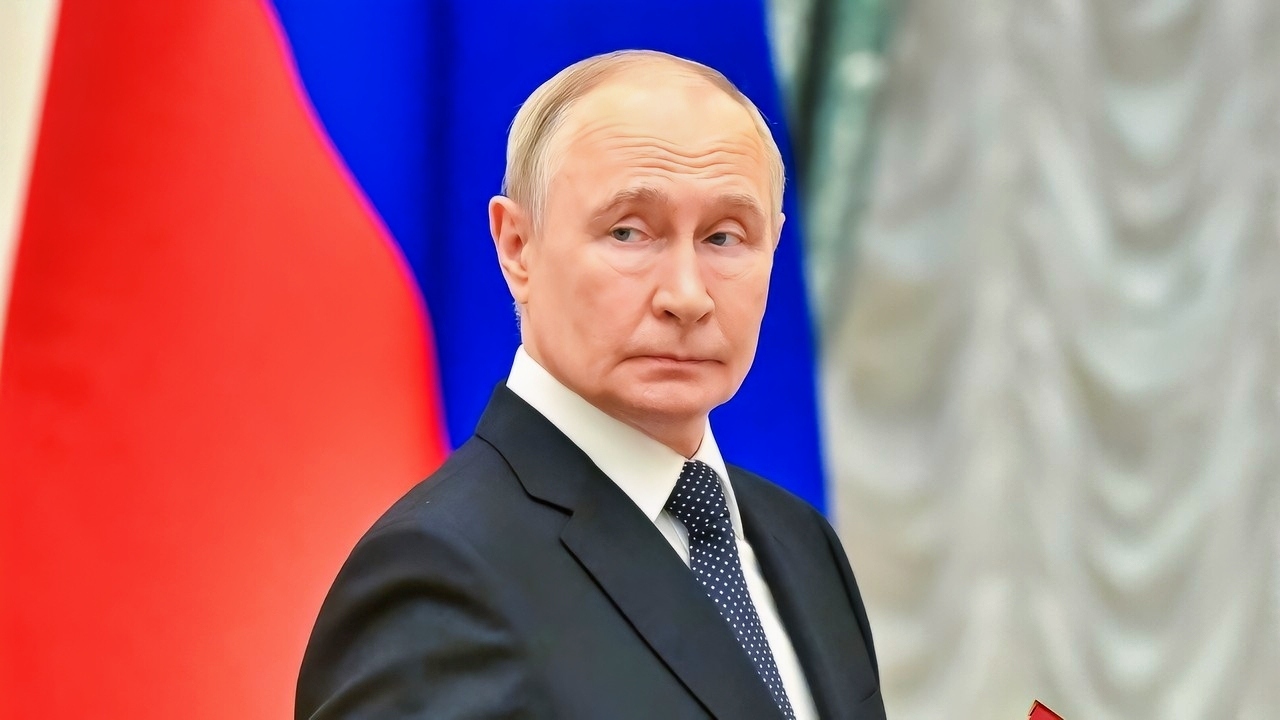
It was a singular, surprising admission from Russian President Vladimir Putin. Yes, Russia is experiencing fuel shortages — and he knows it.
“As for the attacks on critical infrastructure in general, and energy infrastructure in particular, they are, of course, creating problems,” the Russian president said during an interview with a local journalist. “That is obvious,” he added. But, Putin admitted, although “we are currently seeing certain shortages… they are not critical.”
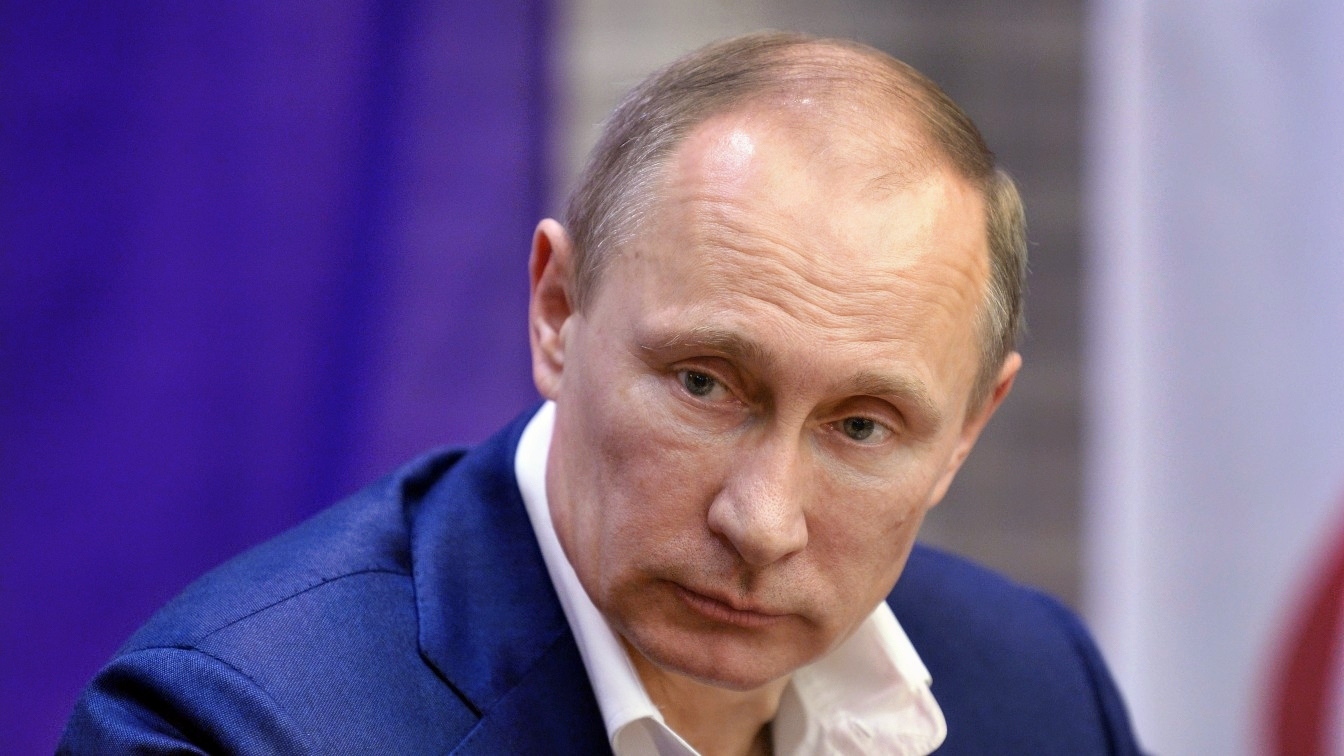
Putin Back in 2014 Image Credit Russian Federation
But Russia — one of the world’s energy-producing heavyweights — is feeling the effects of a fuel squeeze, thanks to ongoing Ukrainian attacks on Russia’s energy refining and transportation facilities. It is part of what could be dubbed a battle over gasoline.
And it is a battle that Ukraine is, for the moment, winning.
Ukraine’s Long-range Sanctions
The attacks on Russia’s energy sector are part of what Ukrainian President Volodymyr Zelensky has dubbed his country’s “long-range sanctions” regime against the Russian state.
While Ukraine has managed to strike Russian energy sites multiple times since Russia launched its full-scale invasion of Ukraine in 2022, this year’s recent uptick in strikes is unprecedented.
According to reporting by the Financial Times, Ukrainian strikes against Russia’s energy infrastructure so far this year represent an 11-fold bump compared to the same period of time last year. And the results of the Ukrainian campaign have been devastatingly clear.
Although regional leadership in Russia is quick to tally the number of Ukrainian explosive-laden drones and a growing crop of Flamingo cruise missiles, enough of those long-range weapons have managed to punch through Russia’s air defense umbrella throughout the country and cause an acute fuel squeeze throughout Russia’s many disparate regions, some of which are several thousand miles from Ukraine.
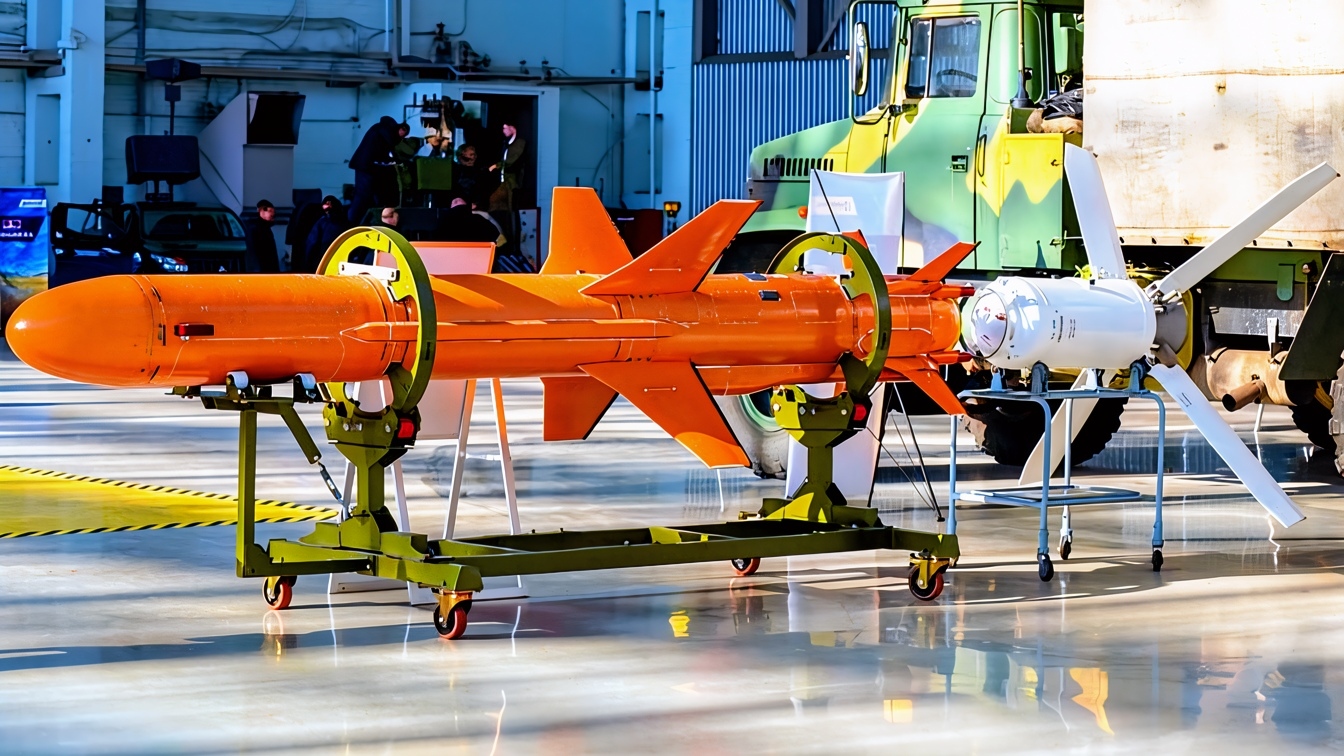
Neptune Cruise Missile Ukraine Government Photo
Reporting by Mediazona, an independent investigative outlet, shows that in at least 56 of Russia’s regions, fuel sales have been curtailed, either by local authorities or by gas station chains. But the effects of the Ukrainian strikes on fuel infrastructure have been felt most acutely in Crimea, the Ukrainian peninsula on the Black Sea annexed by Russia in 2014.
Russian social media has been replete with photos and videos of burning Russian fuel infrastructure. Burning fuel and oil products have sent clouds of thick black smoke billowing into the sky, much to the chagrin of local residents and authorities. So prolific have Ukrainian attacks been that Russian authorities have green-lit the purchase of air defense systems by some private companies. The measure includes anti-aircraft guns, radar equipment, electronic warfare platforms, and other types of weaponry.
A Far-away War Comes Home
Russia recently passed a grim milestone in the war, suffering two million casualties — a number greater than the Soviet Union suffered during the Battle of Stalingrad, widely considered one of the deadliest battles in world history. But the costs of that war have been borne disproportionately in Russia’s regions far from the two urban centers of power in Moscow and St. Petersburg.
Attracted by almost unbelievably generous sign-up bonuses, sometimes representing nearly a decade’s worth of wages, and supplemented by other juicy bonuses, including preferential employment and education options post-service, as well as a broad debt-forgiveness scheme signed into law by the Russian president earlier this year, the Kremlin has managed to keep its ranks replete with new recruits, despite the danger.
But Ukrainian strikes have brought the Kremlin’s war to life in the Russian heartland, forcing residents of Russia’s two leading cities — the capital, Moscow, and St. Petersburg in the far north — to grapple with the costs of a war they had, until recently, been relatively well insulated from.
From Fuel Exporter to Fuel Importer
The fuel crunch in Russia has been so acute that Russian authorities are purchasing fuel from abroad to cover domestic summer demand. In one strange reversal, India has been a source of fuel for the Russian state, despite typically importing fuel from Russia. But it has not necessarily been smooth sailing.
The Japanese Trade Minister Ryosei Akazawa recently explained that Tokyo’s ban on jet fuel exports to Russia, put in place in response to the invasion of Ukraine, also includes at-sea transfers and shipments via third countries. “”We will continue to implement strict export controls in collaboration with other countries, while taking the international situation into account,” he said.
In the meantime, Ukraine continues to hammer Russian fuel sites, recently striking Russia’s largest refinery in Omsk, in Siberia. By some estimates, one-eighth or more of Russia’s refining capacity is now offline, in what is rapidly amounting to a significant crimping of the Kremlin’s ability to finance its incredibly costly war against Ukraine.
MORE – Trump Declares Ukraine Can Build Their Own Patriot Missiles
MORE – Russia Can Now Jam Starlink
About the Author: Caleb Larson
Caleb Larson is an American multiformat journalist based in Berlin, Germany. His work covers the intersection of conflict and society, focusing on American foreign policy and European security. He has reported from Germany, Russia, and the United States. Most recently, he covered the war in Ukraine, reporting extensively on the war’s shifting battle lines from Donbas and writing on the war’s civilian and humanitarian toll. Previously, he worked as a Defense Reporter for POLITICO Europe. You can follow his latest work on X.


