

Ships Are Rejecting U.S. Guidance Through Hormuz: After forcefully opening the Strait of Hormuz by ordering devastating new strikes against Iranian coastal sites and military infrastructure, President Donald Trump had hoped that traffic would once again begin moving freely through the waterway. But according to a Reuters report on Wednesday, July 15, sources claim that many ships are refusing U.S. escorts and refraining from transiting for the time being.
What Trump Said vs. Reality
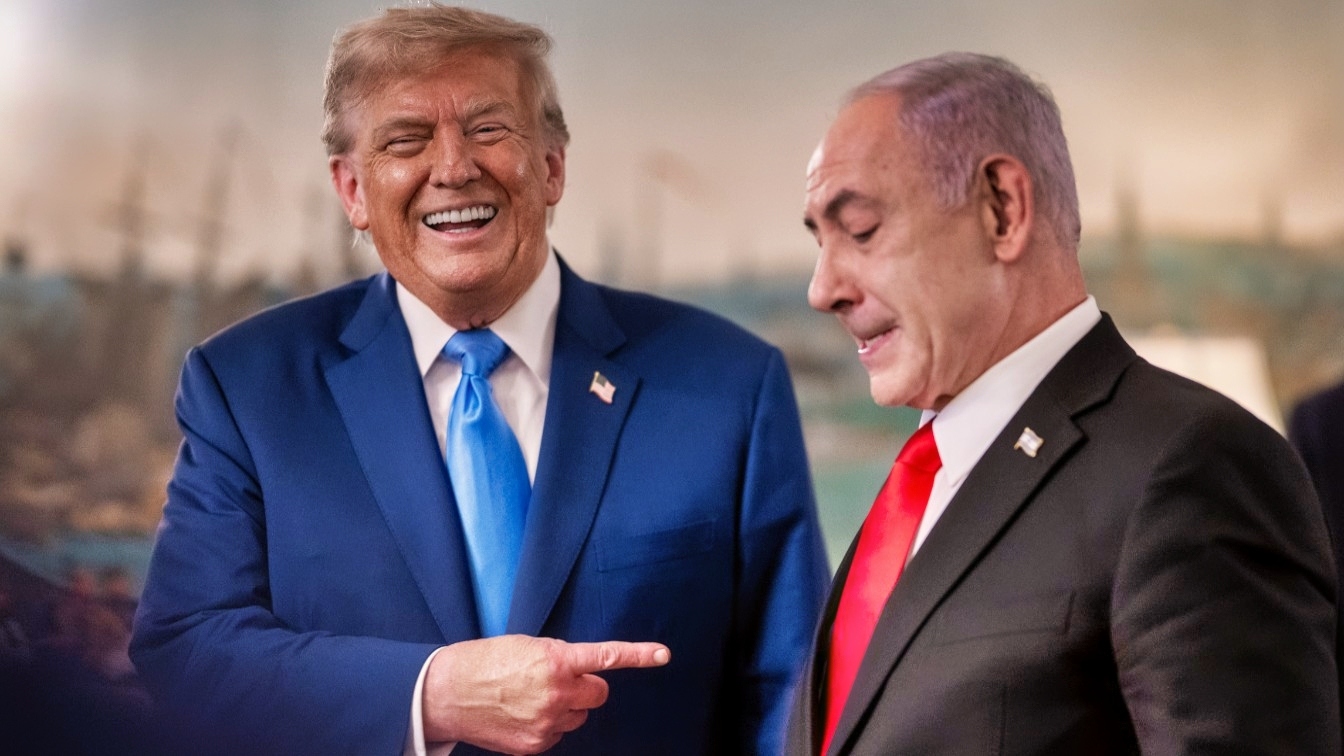
President Donald Trump and Israeli Prime Minister Benjamin Netanyahu speak privately in the Vermeil Room before a dinner, Monday, July 7, 2025, at the White House. (Official White House Photo by Daniel Torok)
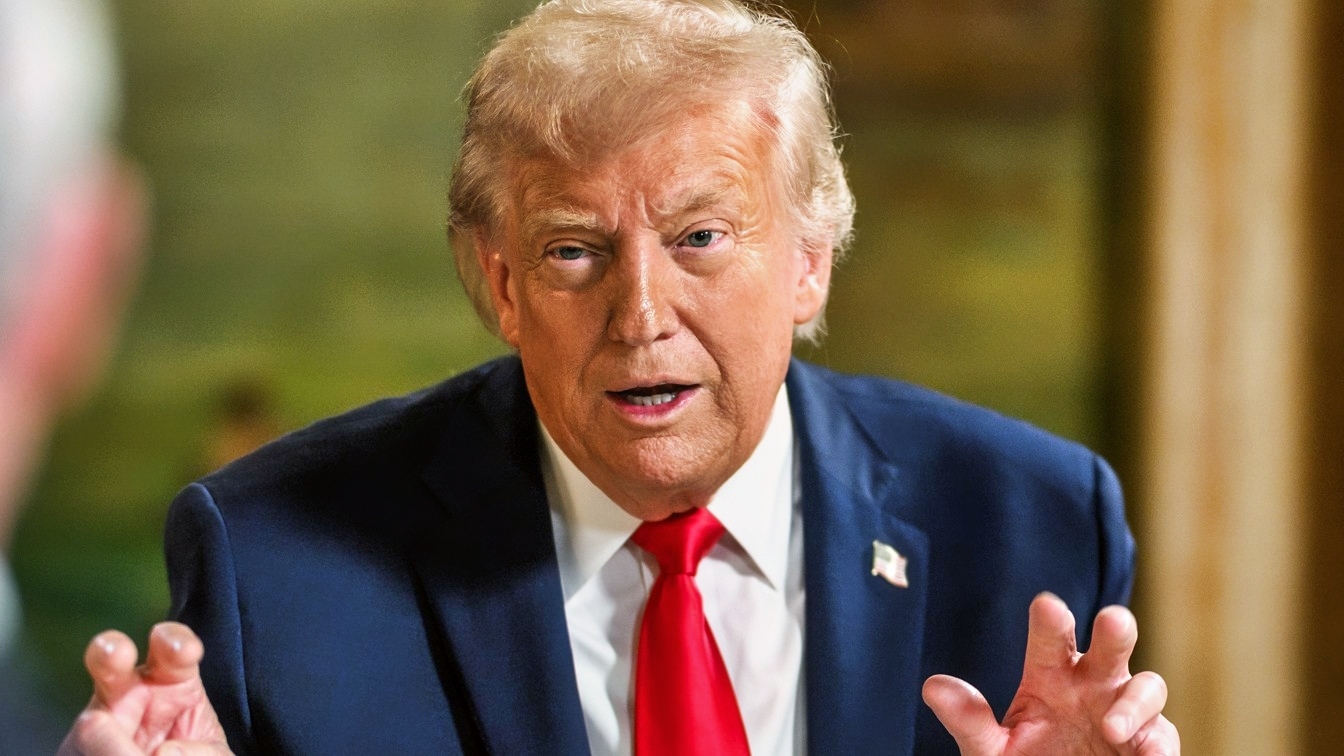
President Donald Trump hosts a bilateral meeting with Israeli Prime Minister Benjamin Netanyahu, Monday, December 29, 2025, at the Mar-a-Lago Club in Palm Beach, Florida. (Official White House Photo by Daniel Torok)
On Tuesday, July 14, President Trump insisted that the waterway was once again open to all ship traffic. The president also announced that the blockade on Iranian-linked ships entering or leaving the Strait of Hormuz was once again in effect, but promised that the United States would ensure that all other ships could pass.
“We will therefore have a FULL Blockade, but only on Ships coming to and from Iranian ports, or carrying anything have [sic] to do with Iranian cargo,” he said on Truth Social.
The president had hoped that by launching fresh strikes on Iranian infrastructure and military assets that make disrupting the Strait of Hormuz possible, global shipping would return, and oil would freely leave the Gulf.
However, according to Reuters, shipping companies are currently refusing to participate in the U.S. military-led transit program established to help move commercial ships through the strait. According to seven maritime security and shipping industry sources, operators are instead opting to delay their voyages rather than risk both their crew and cargoes – even as Washington insists the route is open and safe.
The Guided Transit Program
The U.S. military’s guided transit program is a system under which commercial vessels receive routing instructions and surveillance support from the U.S. military. In some instances, it may involve direct naval assistance from the U.S. Navy.
In May, President Trump announced “Project Freedom” – an effort to move ships that were stranded inside the Gulf following Iranian attacks and mining that closed the Strait of Hormuz. The U.S. military later confirmed that two U.S.-flagged merchant vessels had transited the strait with the support of Navy guided-missile destroyers, one of which was identified as Alliance Fairfax.
But since then, there have been several rounds of strikes, with the Strait opening under the June memorandum of understanding (MOU) and later closing again after Iranian strikes on commercial shipping.
Shipping was once again restored on June 24 when Oman announced two temporary routes, one north and one south of the established shipping lane, developed with the International Maritime Organization. Ships were instructed to group and were given guidance on when to depart and which route to follow.
Exactly how the U.S. military is supporting commercial shipping today is unclear, but according to Reuters, the operation involves far more than just a few naval escorts.
According to its report, U.S. forces are using a combination of aerial drones, unmanned surface vessels, and helicopters to monitor temporary shipping routes through the Strait of Hormuz, with forces guiding tankers through the waterway.
The system also reportedly coordinates commercial traffic via temporary corridors along the Omani coast, where vessels receive routing instructions before entering the strait. Reuters previously reported that the operation has also facilitated several ship-to-ship oil transfers, allowing tens of millions of barrels of crude oil to continue leaving the Gulf and reaching global buyers.
CENTCOM Announces More Strikes
As the U.S. prepares to bring Iran back to the negotiating table and ensure the safety of vessels transiting the strait, U.S. Central Command (CENTCOM) announced another round of strikes against Iranian military infrastructure shortly after 3 pm Eastern on July 15.
“At 3 p.m. ET, U.S. forces launched operations for a second wave of strikes today against Iran. The strikes are targeting Iranian military capabilities used to threaten vessels freely transiting through the Strait of Hormuz, an international waterway vital to global commerce. The U.S. military is holding Iran accountable at the Commander in Chief’s direction,” a statement reads.
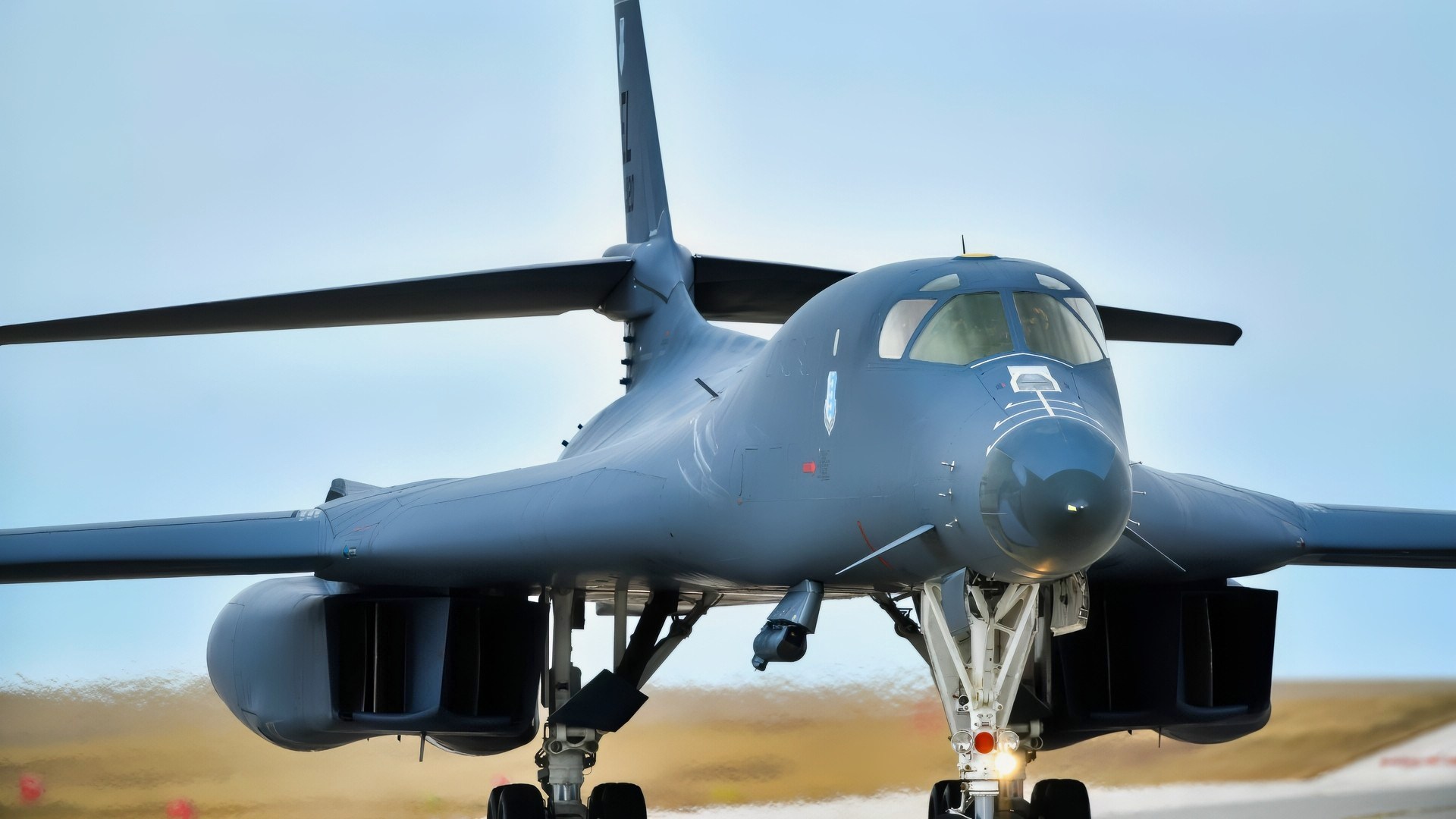
A U.S. Air Force B-1B Lancer assigned to the 37th Bomb Squadron taxis off the runway at Ellsworth Air Force Base, S.D., after completing a CONUS-to-CONUS mission, Nov. 03, 2024. All missions are closely planned with the appropriate Geographic Combatant Commands, Allies, and partners to ensure maximum training and integration opportunities as well as compliance with all national and international requirements and protocols. (U.S. Air Force photo by Airman Alec Carlberg)
The strikes may just be enough to achieve what President Trump wants: to open the strait and force Iran to return to negotiations. Also on Wednesday, Iran’s chief negotiator, Mohammad Bagher Ghalibaf, appeared to hint at a possible return to negotiations.
Ghalibaf said that Tehran has “never welcomed war” and that while the regime remains “prepared for battle,” diplomacy is still the preferred option.
“We must also use the tools of diplomacy and negotiation to achieve and solidify our national interests,” he said.
The comments indicate that the latest strikes could have served their purpose, and that Washington will return to negotiations with Tehran with a strengthened hand.
About the Author: Jack Buckby
Jack Buckby is a British researcher and analyst specializing in defense and national security, based in New York. His work focuses on military capability, procurement, and strategic competition, producing and editing analysis for policy and defense audiences. He brings extensive editorial experience, with a career output spanning over 1,000 articles at 19FortyFive and National Security Journal, and has previously authored books and papers on extremism and deradicalization.


