

In the last two months, perceptions of the war in Ukraine have shifted in the West. After Ukraine increased its drone campaign against Russian oil refineries, the economic situation in Russia has worsened considerably, as the country’s supply of gasoline has diminished. This campaign, along with successful attacks against Russian logistics, is a sign to many that the tide of the war is now turning in Ukraine’s favor. In her most recent visit to Kyiv, the President of the EU Commission, Ursula von der Leyen, declared on social media that “It’s a special moment. Ukraine has built a strong military momentum. The tide is turning.”
Is Vladimir Putin going to cave under the mounting pressure, or will his dictatorship survive the war in Ukraine?
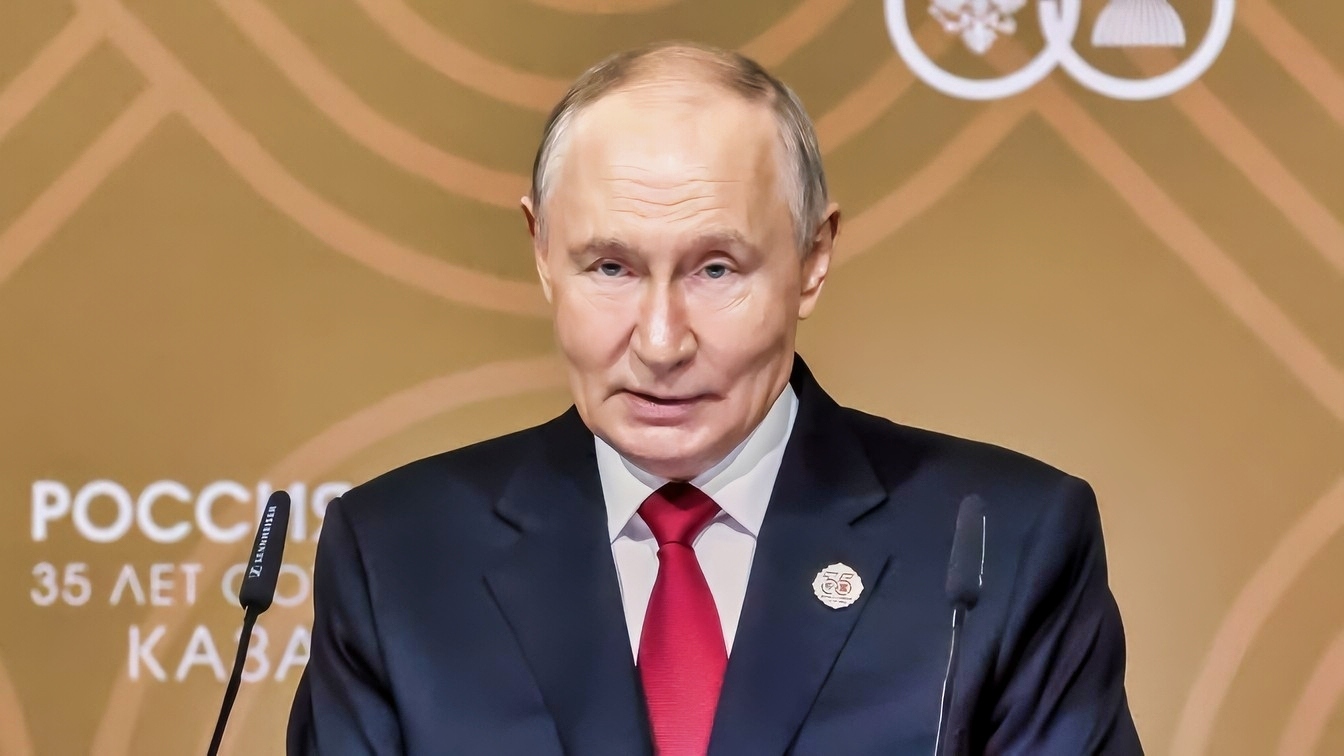
Russian President Putin Speaking at Summit Creative Commons Image
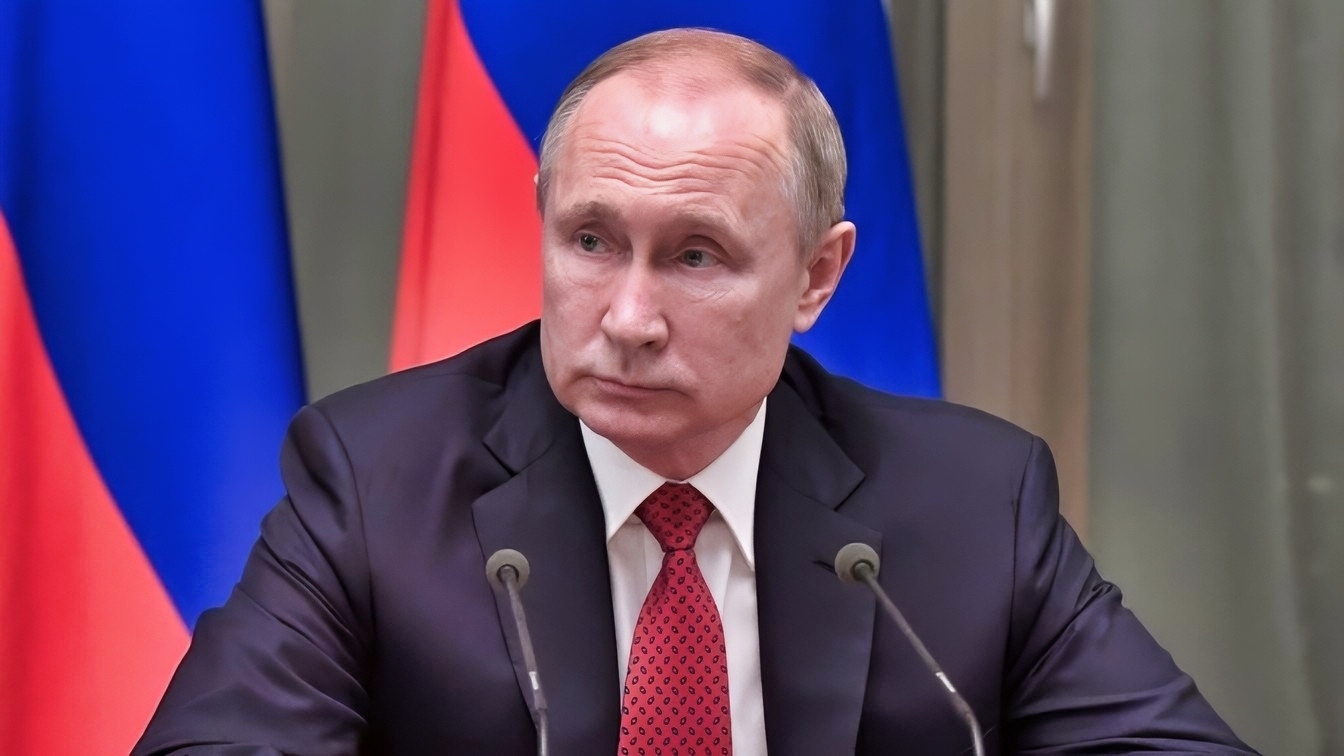
Putin in January of 2020 Creative Commons Photo
Sticking Deeper in Russia
For the first several years of the war, Moscow enjoyed near-complete dominance in long-range strike capabilities.
Despite deliveries of Western cruise missiles, Ukraine was unable to turn the tide or bring the war home to Russia. In 2025, however, Kyiv began to bridge the gap. Domestic developments in medium-to-long-range weaponry have allowed Ukraine to put pressure on the Russians that it was unable to achieve earlier. The development of systems such as the FP-5 Flamingo cruise missile and other long-range unmanned systems has allowed Ukraine to strike targets previously considered safe by the Russians.
Thanks to these advancements in long-range strike technology, Ukraine was able to inflict significant damage on Russia.
Throughout 2026, Kyiv increased its attacks against fuel refineries across the country. Less than a week ago, it attacked the Omsk refinery, which sits around 2,500 kilometers from the front lines and is one of the largest in the country. Russia’s ten largest refineries have all been attacked and temporarily disabled by Ukrainian drone strikes.
Recently, Kyiv has also been attacking naval tankers located in the Sea of Azov. These attacks have not only been threatening Russia’s domestic fuel supplies but also imports brought in to mitigate the country’s ongoing fuel crisis.
The Russian Economy in Decline
Consequently, Russia has been experiencing a massive fuel shortage for the past few months. Originally constrained to Crimea, these restrictions have now been extended to most regions across the country. In extreme cases, some civilians have had to wait in queues for upwards of three days just to fill their cars. The shortages have been frustrating for the general public, which has been forced to shoulder the increasing economic burden of the war. Many civilians have taken to the internet to vent their frustrations, complaining about the long wait times for fuel and blaming the Kremlin for their current misfortunes.
Even before the fuel shortages, cracks were appearing in the Russian economy. Government spending remains high as the country enters its fourth year of large-scale fighting, forcing the Bank of Russia to raise interest rates and taxes to offset the elevated spending.
This has, in turn, gravely affected the civilian market as the high interest rates have curtailed domestic growth and foreign investment. The economy has been propped up by its exports of raw oil and natural gas.
Despite bleak predictions from the West, however, the Russian economy is not on the verge of collapse. After weathering the initial rounds of Western sanctions in 2022, the economy has trudged along, albeit with several noticeable bruises. Energy exports remain high, despite Moscow’s embargo on refined fuels, and the quality of life across the board has been mostly unaffected.
Missing the Forest for the Trees
When looking at the situation in Russia, one might get the sense that Ukraine is winning. However, this conclusion requires ignoring the alarm bells currently sounding in Ukraine. This view was expressed by Ukraine’s current diplomat and former commander-in-chief, Valerii Zaluzhnyi.
Despite successful strikes on fuel refineries, they are unlikely to evoke any favorable changes in Russia. “Ukraine’s increasingly effective strikes against Russian logistics and critical infrastructure have imposed real costs on Moscow,” He writes. “But these attacks are expensive, technologically demanding, and ultimately reciprocal. Russia retains the ability to strike back with equal or greater force. Neither side can rely on this form of warfare to produce a decisive strategic outcome.”
Despite the economic fallout, the Russian war machine still has plenty of fuel in the tank.
Despite the public discontent, Putin has spent years consolidating his power and centralizing authority in the Kremlin. Opinions of him may change internationally, opinions of him may deteriorate domestically, but the chances of Putin getting ousted from office by a coup or a popular revolution are extremely unlikely.
Kyiv, on the other hand, is facing a shortage of interceptor missiles and has been suffering from critical manpower shortages for some time now.
Even if strikes do increase against Russian refineries and infrastructure, Ukraine still faces the herculean task of removing the Russians from their land, which is much easier said than done.
About the Author: Isaac Seitz
Isaac Seitz, a Defense Columnist, graduated from Patrick Henry College’s Strategic Intelligence and National Security program. He has also studied Russian at Middlebury Language Schools and has worked as an intelligence Analyst in the private sector.


