

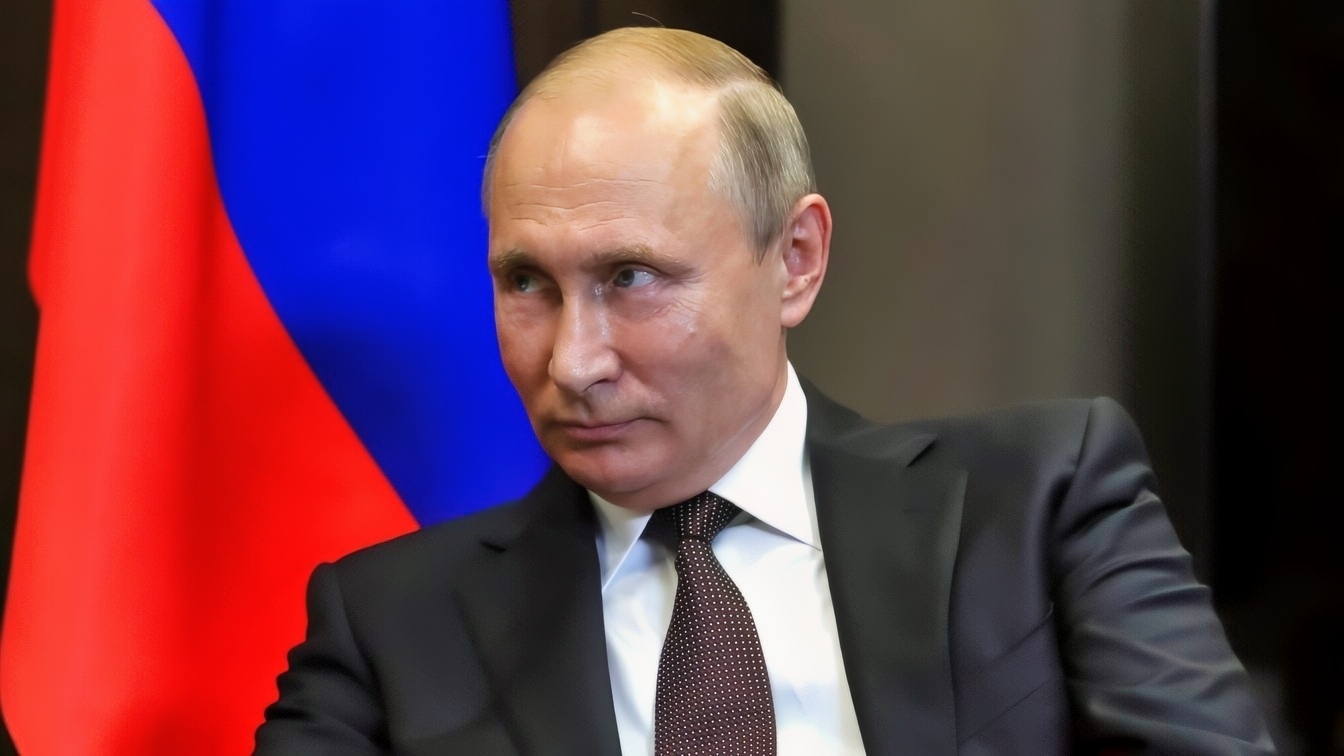
Nearly every day brings new headlines about successful drone strikes by Ukraine against Russia. Now, Ukraine has reportedly carried out a strike on the Russian capital of Moscow.
According to ABC News, which cited Moscow Mayor Sergey Sobyanin, at least 200 drones were launched towards Moscow overnight.
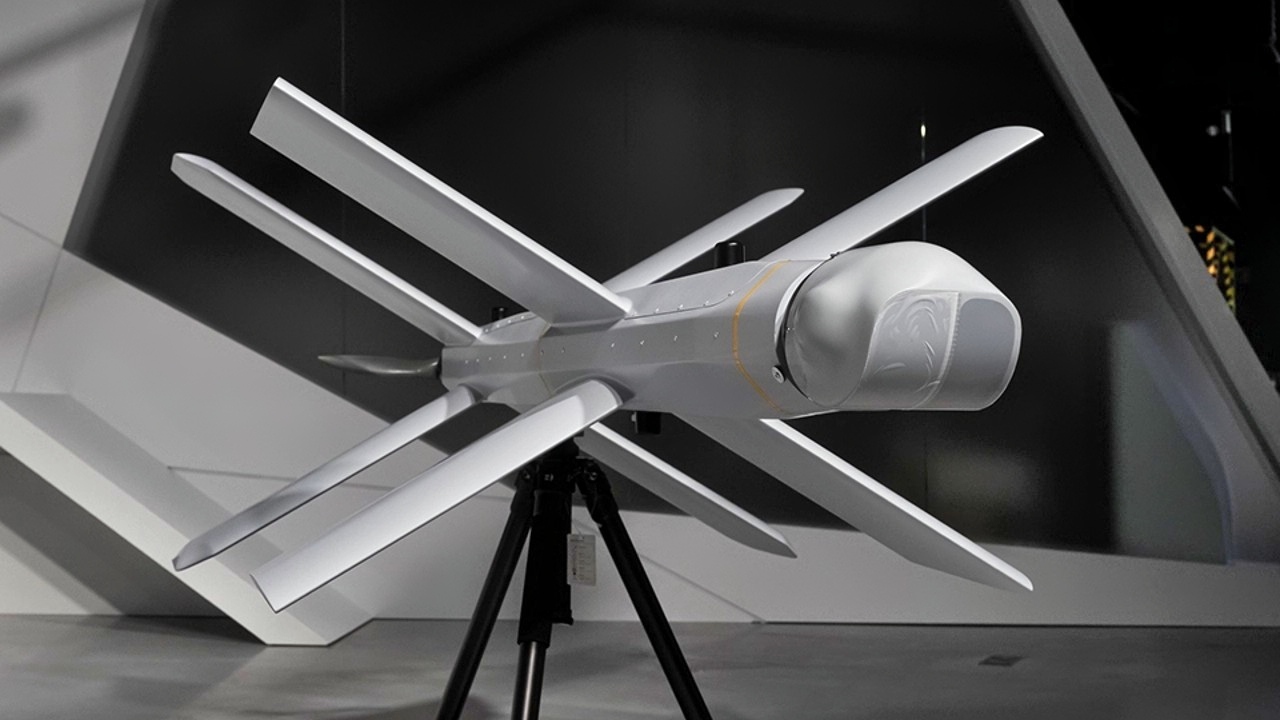
Lancet Drone from Russia. Image Credit: Creative Commons.
“More than 200 drones were flying towards the Moscow region. Most of them were neutralized by air defense systems at a distance,” the mayor said in a Telegram post cited by ABC.
He claimed that ten of the drones were “destroyed as they approached Moscow.”
Russia’s Defense Ministry added the claim that its forces downed “at least 375 Ukrainian drones” from Wednesday night into Thursday morning.
The ABC story noted that Ukraine has prioritized taking the war to Russia’s soil.
“Our responses to Russia’s prolonging of the war and strikes on our cities and communities are completely fair,” President Volodymyr Zelensky said in a May Telegram post. “The Moscow region has Russia’s densest concentration of air defenses. But we are getting through.”
Strikes on the “Central Nervous System”
Meanwhile, according to a CEPA analysis by Sergiy Makogon on Wednesday, Ukraine has begun attacking Russia’s “central nervous system.”
“Only pain can convince Russia to reconsider its war of aggression,” the article’s subhead says. “Ukraine may have found a way.”
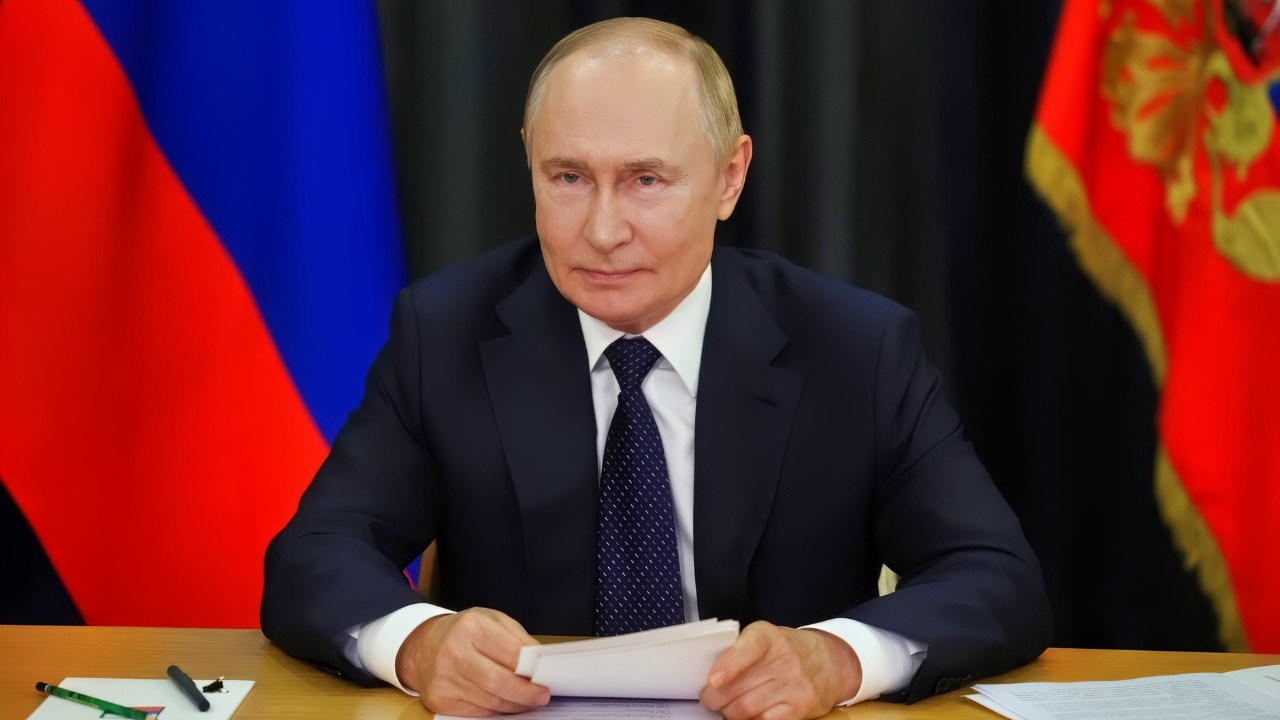
Putin in August 2025. Image Credit: Creative Commons.
“For most of the full-scale war, Russia enjoyed a dangerous strategic asymmetry. It could destroy Ukraine’s power plants, refineries, heating systems, and civilian infrastructure, while much of Russia’s own war economy remained far behind the front line and largely out of Ukraine’s reach,” he writes. “Not anymore.”
The key is that Ukraine has found that it can inflict pain by striking Russia’s crucial oil infrastructure.
“The purpose is not symbolic retaliation. It is to raise the economic, military, and political cost of continuing the war until Moscow understands that prolonging it may become more expensive than ending it,” he writes.
And drones, as seen by the hundreds of them launched at Moscow this week, have been key to Ukraine’s strategy.
“It’s not just about distance. The new drones are extremely accurate and are hitting key and hard-to-repair refinery facilities. The Omsk targets include crude distillation units (CDUs), which are the initial processing point. CDU-10 was damaged and caught fire; it processes 38% of the refinery’s production, and CDU-11 likewise. It accounts for another 37%,” he writes.
And those drones can go very far.
“This was a strategic milestone, and the message was unmistakable: even Russia’s most important energy assets deep in Siberia are no longer beyond Ukraine’s reach. Earlier Ukrainian attacks had shown that refineries in western and southern Russia were also vulnerable. Omsk proved something more consequential: Russia no longer has a safe rear, and distance is no longer protection.”
Kyiv is Struck
Meanwhile, Ukraine’s own capital of Kyiv was struck by Russian missiles on Wednesday night, as announced by Zelensky on social media.
“As of now, two people are confirmed to have been killed in Kyiv in last night’s Russian missile strike. My condolences to their families and loved ones. Five people have been injured, including a child. The Russians have damaged a residential high-rise, warehouse facilities, and vehicles,” the Ukrainian president said on social media.
“Russian strikes on the Kharkiv region have left four people injured. The region was attacked with drones and a guided aerial bomb. Ordinary homes and entirely civilian sites have been damaged, including a movie theater and tennis courts. In Sumy, a public park was struck, and in the region, a tractor brigade in the region was targeted. Apartment buildings were damaged in Zaporizhzhia. Damage has been reported at power grid facilities in the Vinnytsia, Zhytomyr, Mykolaiv, and Donetsk regions.”
Russia, the president added, launched a total of 13 missiles, including eight ballistic missiles, and 151 drones, making it the sixth ballistic missile attack to strike Kyiv in the month of July. And he went on to call for additional help from Ukraine’s allies.
“Moscow is counting on ballistic terror and continues its strikes, so it’s critical now to speed up deliveries of interceptors for our air defense. Every package matters, and everything we have agreed with our partners must arrive on time.”
About the Author: Stephen Silver
Stephen Silver is an award-winning journalist, essayist, and film critic, and contributor to the Philadelphia Inquirer, the Jewish Telegraphic Agency, Broad Street Review, and Splice Today. The co-founder of the Philadelphia Film Critics Circle, Stephen lives in suburban Philadelphia with his wife and two sons. For over a decade, Stephen has authored thousands of articles that focus on politics, national security, technology, and the economy. Follow him on X (formerly Twitter) at @StephenSilver, and subscribe to his Substack newsletter.


