

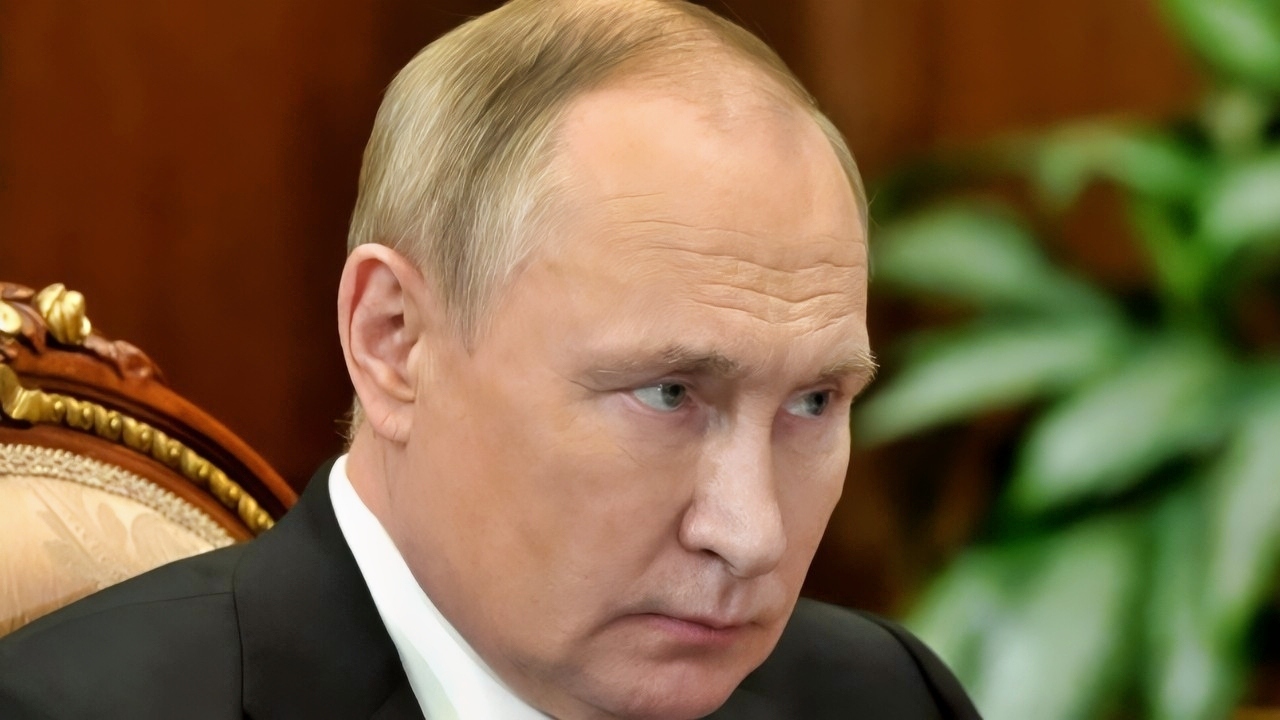
As of right now, the United States Senate is considering the Sactioning Russia Act of 2025. With the recent passing of Senator Lindsey Graham, the bill’s original sponsor, there has been a resurgence of support for the bill and opposition to further sanctions on Russia and its wartime economy. Europe, meanwhile, has been increasing its financial support for Ukraine, with a recent deal allocating over 40 billion Euros to assist defense development in Kyiv. The European Commission recently agreed to assist Kyiv in the production of drones on EU soil, effectively protecting its industrial base from Russian strikes. With all the vocal support and sanctions, however, there are voices who feel the collective West could be doing more to put economic pressure on Russia.
Sanctions and Their Effect on Russia
Western sanctions against Russia have had a noticeable effect on the Russian economy. During the first year of the war, nearly 1,200 European firms withdrew from Russia, and restrictions were imposed on Russian companies, politicians, businessmen, government officials, and many others.
Western companies in Russia comprised around 40% of Russia’s prewar GDP. This sudden withdrawal of Western companies, along with the sudden introduction of mass sanctions, was a serious shock to Moscow and was almost a fatal blow.
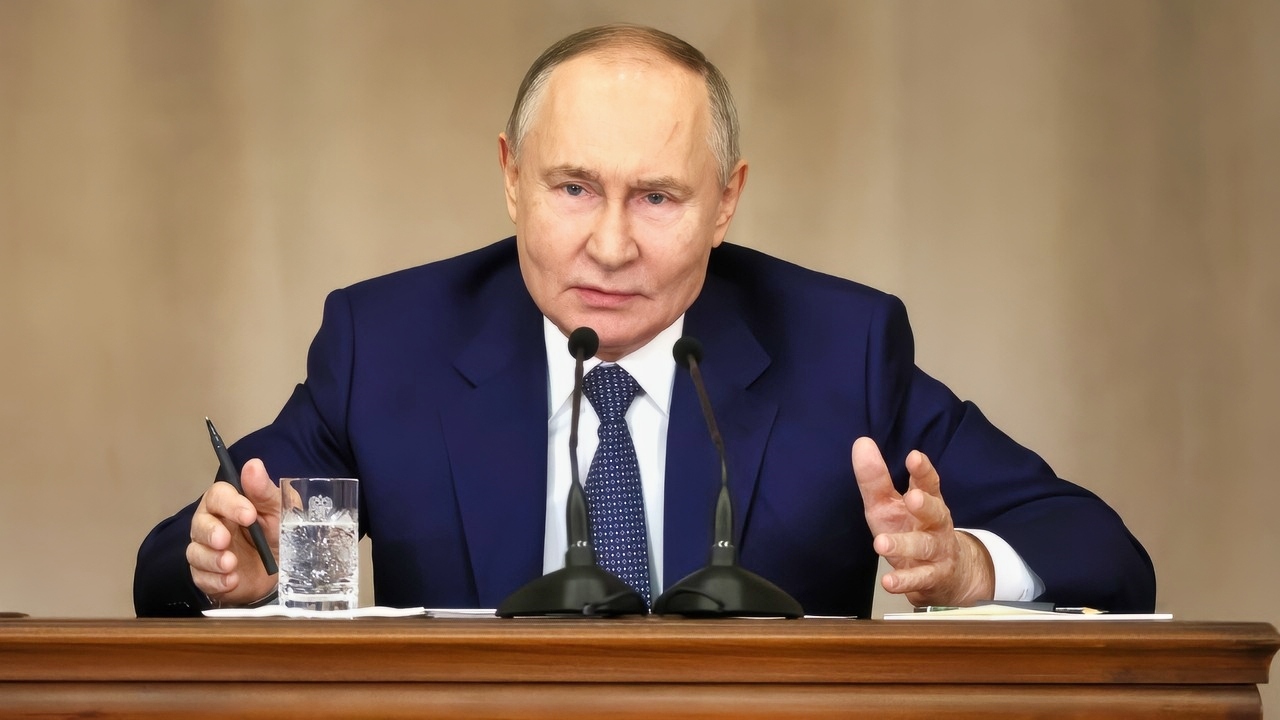
Putin Speaking in 2025. Image Credit: Creative Commons.

President Putin of Russia in 2018.
However, the Russian economy soldiered on, battered and bruised as it was.
The problem was that while the corporate pullout was effective, the actual sanctions themselves were half-hearted. While Europe ceased doing business with Russia directly, it did not impose secondary sanctions on sellers of Russian energy products, such as Kyrgyzstan and India, which continued to purchase Russian LNG and oil and resell them to Europe at higher prices.
The result was that Europe essentially continued to buy Russian fuel at higher prices than before, leading one to question what the point of the whole ordeal was to begin with. Some major European companies continue to operate in Russia, including Austria’s Raiffeisen Bank and the French supermarket chain Auchan, which generate revenue there.
The Shortcomings of Sanctions so Far
There were two main problems with the sanctions regime from the West. The first was that the Russian economy proved to be more resilient than anticipated. Many experts at the time believed that the economic chaos caused by the initial rounds of sanctions and the withdrawal of Western companies from Russia would cripple the economy. Instead, the Kremlin took great care in filling the gap with domestic alternatives and strengthening partnerships with countries like China, Iran, and North Korea. Despite initial chaos, the economy quickly got back on its feet and continued to grow slowly.
The second problem was the way the sanctions themselves were introduced. Despite the enthusiastic rhetoric from Europe, many EU nations were not ready to go the extra mile to destroy the Russian economy. As one of the world’s largest exporters of LNG and oil, Russia is heavily relied upon by many European states, and despite efforts to diversify Europe’s energy supplies, it remains a primary provider of European gas and oil, albeit indirectly. Europe is, at its heart, incredibly pragmatic. If all imports from Russia were to be halted immediately, multiple EU nations would be thrown into economic turmoil.
How Could the West Really Hurt Russia’s Economy?
Some commentators have shared options for how to more effectively hurt Putin’s war machine. One option is to impose harsher sanctions on countries that buy and resell Russian fuel. The Sanctioning Russia Act of 2025, currently being debated in the U.S., imposes a 100% tariff (reduced from 500%) on all nations that buy or sell Russian oil. These sanctions would primarily hurt India and China, which rely on LNG and crude oil and resell them abroad.
There is, however, a significant risk to this strategy. India and China are major economic powerhouses whose economies are heavily intertwined with the West. Sanctioning these countries could hurt the West as much as, if not more than, Russia.
Furthermore, the West could target the means by which Russia evades international sanctions. The A7 network is a payment platform that allows Russians to move their finances freely across borders using the cryptocurrency A7A5 stablecoin. According to some estimates, the A7 network moves around $90 billion per year, which accounts for roughly half of Russia’s current defense budget.
Additionally, Russia still relies on its ‘shadow fleet’ to illegally transport fuel and resources in and out of the country. One option is to sanction each vessel individually to stop the flow of illicit goods from Moscow.
Does Europe Have the Will?
So, going forward, the West could stop European companies from operating in Russia, sanction countries that are buying and reselling Russian oil and gas, cut off the Russian shadow financial system, and stop Russia’s shadow fleet.
Unfortunately, this is a lot easier said than done. While stopping all supplies from Russia is probably the morally right thing to do, it is not the most convenient option, which unfortunately matters a lot more to politicians looking to get reelected.
The real question is whether Europe thinks Ukraine is a cause worthy of sustaining short- to medium-term economic damage.
While many leaders would emphatically say yes, it remains to be seen whether the EU possesses the political will to actually hurt Moscow’s war effort.
About the Author: Isaac Seitz
Isaac Seitz, a Defense Columnist, graduated from Patrick Henry College’s Strategic Intelligence and National Security program. He has also studied Russian at Middlebury Language Schools and has worked as an intelligence Analyst in the private sector.


