

A Recipe for Victory Against Russia and Iran: In the United States during the 1970s, it was common for Americans to wait many hours in long gas lines. This was particularly acute in 1973 due to the OPEC oil embargo and the Islamic Revolution in Iran in 1979. Gas had to be rationed, stations closed, and prices went through the roof.
Now Russia is facing the same problem. Volodymyr Zelensky’s incessant drone and missile strikes targeting energy infrastructure have taken their toll. Oil refineries have been hit across the country, and gasoline is difficult to come by. Twenty to forty percent of refining capacity has been taken offline. The war has hit ordinary Russians like never before, and the wait for gas is causing mass frustration at a time when the overall war against Ukraine is not going well.

A M109A7 Paladin, assigned to 1st Battalion, 82nd Field Artillery Regiment, Division Artillery, 1st Cavalry Division, fires a round during Operator New Equipment Training on Fort Hood, Texas, Aug. 25, 2025. The First Team is fielding new equipment, as part of the Transforming in Contact initiative, and conducting training to increase familiarization and precision with the new vehicles. (U.S. Army Photo by Spc. David Dumas)
Fisticuffs in the Gas Lines
The pain at the pump is literal. People in Russia sometimes get so angry in gas lines that there are fistfights. Wealthy people hire stand-ins to wait in line. Road rage incidents are climbing, and there is an overall feeling of helplessness as the wait times continue to increase.
Perhaps the United States and Ukraine’s allies can make the Russians pay even more. Causing additional fuel shortages would mean that the man on the street will suffer greatly and the entire country’s economy could grind to a halt.
Could Russia Give Up for Good?
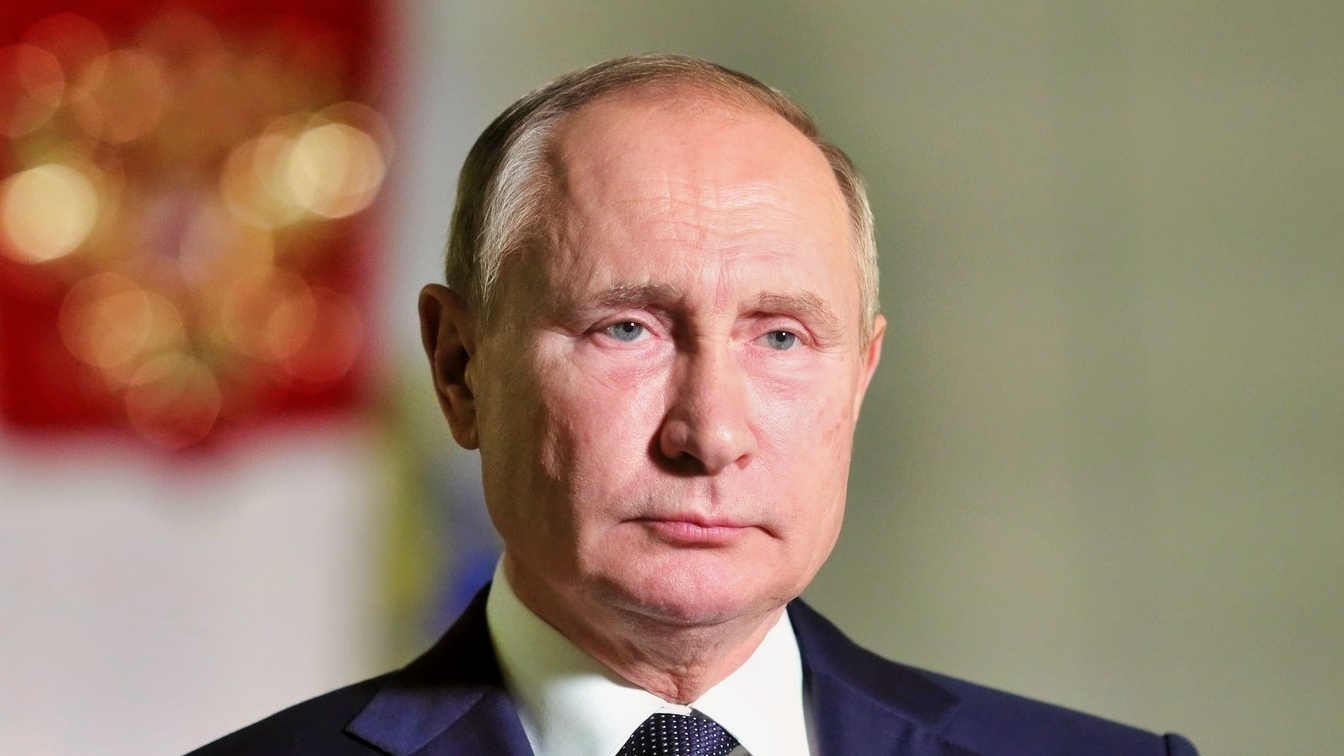
Would this be enough to force Vladimir Putin to seek a ceasefire and negotiate for peace? Joseph Webster believes so. Webster wrote an op-ed in The Hill on July 23.
The senior fellow at the Atlantic Council takes this scenario a step further. He predicts that Russia’s energy shortages could not only bring an end to the war, but also create peace with Iran. If there could be a lasting cessation of hostilities, Ukraine could shift all of its drone effort to bombarding Iran and could help the United States end that conflict too. This is all made possible by Ukraine’s incredible success with its drone program.

Sea Baby Drone Ukraine. Image Credit: Creative Commons.
“Ukraine’s aerial and seaborne drones have struck at least 35 vessels over 96 hours from July 5 to 9, knocked out more than half of Russia’s oil refining capacity, driven refinery run rates to their lowest level in 21 years and even struck an oil terminal and naval base in Saint Petersburg ahead of an economic forum attended by Putin,” Webster wrote.
Incredible Russian Losses
These strikes, combined with an extraordinary level of casualties, could send Putin to the negotiating table. Russia has lost 1.4 million people killed or wounded during the war. However, many Russians have not felt this loss in the bigger cities. Extensive casualties are coming from low-income households in the Russian provinces. There are many draft dodgers among the wealthy. The war has not come to the doorstep of the well-to-do in Moscow or St. Petersburg. But with the fuel shortages and queues, the middle and upper-middle classes are feeling the pain.
The Oil War Is Painful
Putin is now desperate. He has banned the export of refined diesel, gasoline, and jet fuel. Russia’s energy trade partners are upset that they do not have a dependable supply of hydrocarbons either. The price of gas in Russia has skyrocketed, and this situation has more wondering if the war is worth it.
Can Belarus Supply Enough Oil to Alleviate the Situation?
The Kremlin is desperately looking for new energy supplies. Belarus is one source, and Moscow believes Minsk could offer some relief, although the country is not seen as a global leader in oil and gas production; it does export 10 to 17 million metric tons of petroleum a year. It ranks between 60th and 70th among the world’s top oil producers. Belarus can help, but its fuel exports will not solve the problem.
Kazakhstan and China Would Have to Step Up
Kazakhstan could be one answer. The country has a high level of proven oil reserves, but it has also restricted exports. China is another source, but Beijing has been noncommittal about sending crude to Russia so far. Xi Jinping has placed limits on the amount of oil sent to Russia since the beginning of the war, but that policy could change. Putin’s diplomatic team is surely lobbying Xi to send more hydrocarbons.
India Is the Swing State
India could be a more dependable oil supply partner. The Russians and Indians are allies, and Moscow already provides them with the S-400 air defense system. Rosneft partially owns the Vadinar refinery in India, and this could be ramped up to send more gasoline to Russia.
Webster believes that India is the key to Russia’s energy future. He calls for the United States to “use a mixture of carrots and sticks to deter Indian gasoline sales to Russia.” This could be in the form of tariff relief for Indian goods. And if India still decided to export fuel to Russia, the Americans and European allies could slap sanctions on New Delhi to keep the energy supplies from entering Russia.
Ukraine’s Drones Come to the Rescue
The think tank expert thinks that once Russia is fully cut off from oil exports from India, then the Americans could shift their attention to Ukraine’s drone program. Since the war with Russia could enter into an extended ceasefire, the U.S. Department of Defense could work with Ukraine to bring more drones to America for use against Iran.
The Need to Supplement U.S. Missiles
Ukraine is considered the global leader in unmanned flight. The Americans could use more drone strikes from Ukrainian systems and save on the use of Tomahawk cruise missiles that are running low. Kyiv could also share counter-drone technologies with Washington under this arrangement.
Would This Scheme Work?
Webster’s plan is optimistic. It assumes that Putin will fold his hand due to the energy shortage. But we know historically that Russia can withstand much sorrow and hardship during warfare. This is a country that burned Moscow on purpose to save it from French pillaging in 1812. The Russians lost millions of people in World War Two and kept fighting, ultimately winning against Germany.
Putin loves the analogy to the Great Patriotic War and believes that Russia will finally win against Ukraine despite the losses. A mere fuel shortage is not likely to inspire the dictator to stop fighting.
Moreover, Webster’s belief in Ukrainian drones turning the tide in the Iranian war is also somewhat fanciful. The United States is finding that air strikes alone are not removing Tehran’s will to fight. Simply sending more unmanned systems to the Americans will not likely be decisive.
But give Webster credit for connecting the dots and looking at strategic ways that the United States could assist Ukraine in winning the war in Eastern Europe and devising means to guarantee victory against Iran. Few analysts have created such a unique scenario. Even though Russia will ultimately muddle through the dire fuel situation, the Americans should come up with tactics that can help quicken the pace to crimp Russian energy. More concentration in this effort could make a difference in the war.
About the Author: Dr. Brent M. Eastwood
Author of now over 3,500 articles on defense issues, Brent M. Eastwood, PhD, is the author of Don’t Turn Your Back On the World: A Conservative Foreign Policy and Humans, Machines, and Data: Future Trends in Warfare, plus two other books. Brent was the founder and CEO of a tech firm that predicted world events using artificial intelligence. He served as a legislative fellow for US Senator Tim Scott and advised the senator on defense and foreign policy issues. He has taught at American University, George Washington University, and George Mason University. Brent is a former US Army Infantry officer. He can be followed on X @BMEastwood.


