

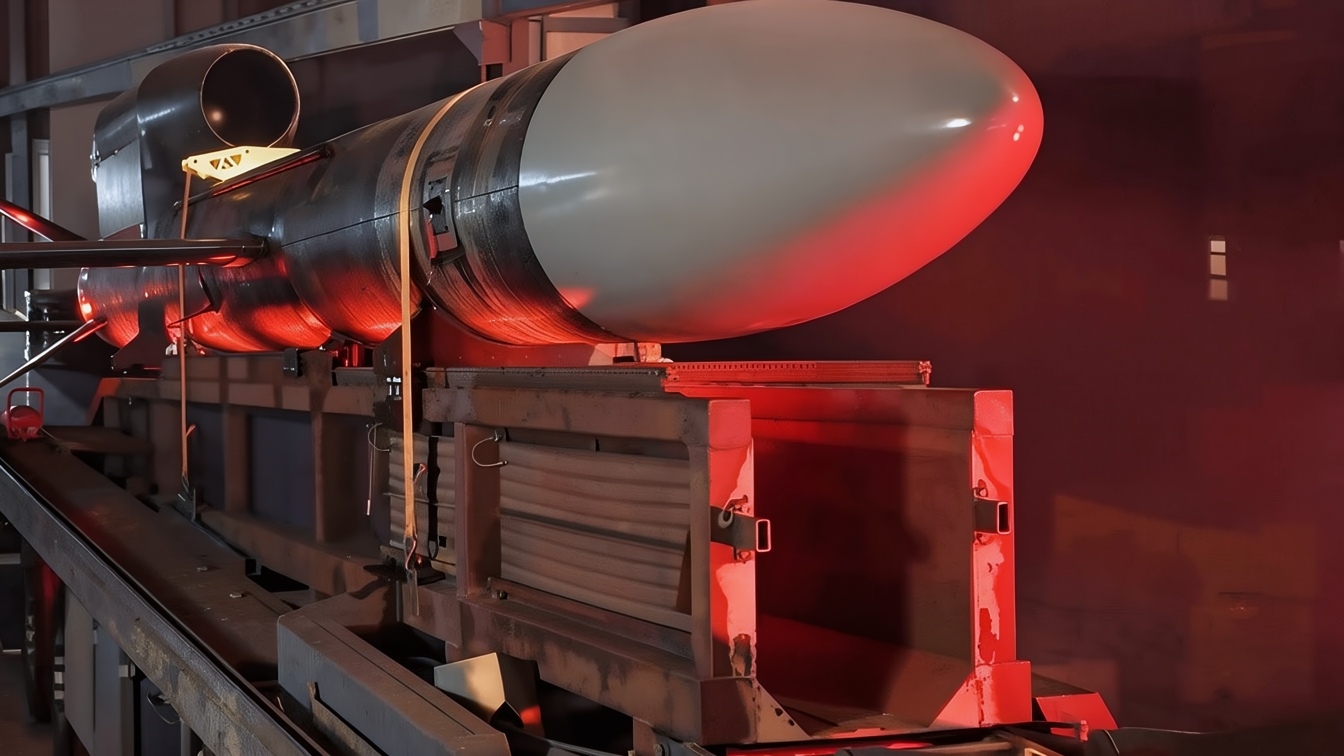
Ukraine’s ongoing strike campaigns against Russia’s shadow fleet have become one of the more significant facets of the war’s developing economic dimension.
What began initially as a broader effort to push the Russian Black Sea Fleet away from the Ukrainian coast has gradually expanded into a strategy aimed at the commercial shipping network that facilitates the flow of illicit Russian oil despite Western sanctions on Russian energy products.
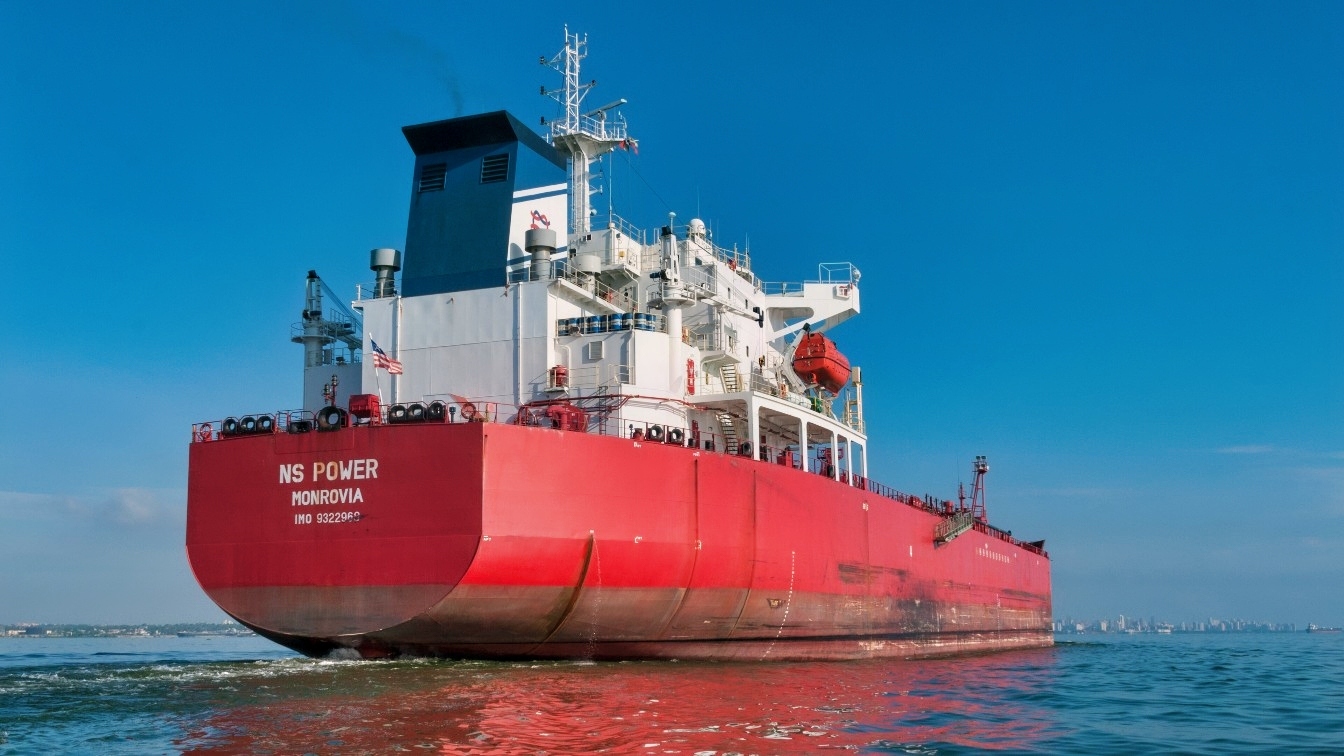
Oil Tanker. Image Credit: Creative Commons.
The campaign has severe ramifications.
Ukraine has repeatedly leveraged long-range naval drones, underwater vehicles, special operations and sabotage operations, and intelligence-directed strikes against Russian energy exports.
Beginning last year, and into 2026, Kyiv broadened its target set from warships to tankers that had already been identified by Western governments as part of Russia’s sanctions-evasion network. The practical effect has been meaningful — but is not yet decisive.
Increasing Friction
The Ukrainian campaign has forced shipowners and insurers to reassess the risks of routes to shadow fleet ships.
As a consequence, insurance premiums have risen, and ships are spending more time waiting offshore as port inspections have increased, delaying shipments. Cumulatively, this has made exported barrels of oil more expensive and slower to move.
Completely halting Russian illicit oil flows at sea is unrealistic — and Kyiv knows this. Instead, Ukraine’s efforts against Russia’s shadow fleet are to steadily increase the costs of sanctions evasion and reduce the revenue Russia earns from each shipment of sanctioned oil. Russia’s response to the attacks on its shadow fleet reflects that pressure from Ukraine.

Generic Oil Tanker Image. Image Credit: Creative Commons.
Some ships now avoid sailing into areas where Ukrainian naval drones or intelligence services have shown they can operate.
Other ships spend less time anchored in predictable locations, and abbreviate stays at port when possible. But the campaign has also interacted with Western sanctions in ways that were perhaps not anticipated at the outset.
Sanctions Enforcement
Sanctions enforcement for much of the war in Ukraine was not considered a credible threat.
Though hundreds of ships had been designated as part of the shadow fleet, those ships continued to operate virtually without consequence.
Ukrainian attacks on the fleet gave teeth to those designations. Cumulatively, the combination appears to have encouraged European governments to take more aggressive approaches.
The European Union has steadily expanded sanctions lists targeting shadow fleet ships, while several Nordic and Baltic countries have increased inspections and monitoring of suspicious ships passing nearby.
Russia has responded in kind and increased strikes against Ukrainian ports, including grain export facilities and civilian shipping infrastructure around Odesa, one of Ukraine’s most important ports on the Black Sea.
It is part of a larger cycle in which attacks on Russia’s energy-export system are followed by attacks on Ukraine’s maritime economy.
But another consequence has been political. Ukraine has increasingly argued that the shadow fleet should be viewed as part of Russia’s military logistics rather than ordinary civilian commerce.
That legal argument might be debatable, but it has influenced discussion in Europe about whether these vessels deserve the same protections afforded to commercial shipping during wartime.
The Look Forward
More broadly, the evidence seems to suggest that Ukraine’s strike campaign has not crippled Russia’s ability to sell oil internationally.
Russia still exports millions of barrels of oil every day, and its shadow fleet continues to function despite increasing pressure. But the campaign has made that system much less efficient for Russia, more expensive, and harder to hide.
Every shadow fleet tanker that is damaged, every route that is altered, every insurance premium increased, and each additional ship inspection imposed by foreign governments adds a layer of costs to the single most important revenue stream for the Kremlin: the export of oil and related energy products abroad.
That gradual erosion of Russian export abilities is the really significant part of the campaign.
Instead of looking for a single, decisive knock-out blow against the Russian shadow fleet, Ukraine has instead pursued a strategy of death by a thousand cuts: the accumulation of small disadvantages which force Moscow to dedicate more ships, more money, more resources, and more effort overall to just keep oil and cash flowing.
In a war that is very much an attritional test of endurance, the long-term effects of Ukraine’s campaign are cumulative and raise the costs of Russia’s number one source of revenue. And in the future, that pinch may prove more valuable than attempting to end illicit Russian oil exports outright.
About the Author: Caleb Larson
Caleb Larson is an American multiformat journalist based in Berlin, Germany. His work covers the intersection of conflict and society, focusing on American foreign policy and European security. He has reported from Germany, Russia, and the United States. Most recently, he covered the war in Ukraine, reporting extensively on shifting battle lines in Donbas and writing on the war’s civilian and humanitarian toll. Previously, he worked as a Defense Reporter for POLITICO Europe. You can follow his latest work on X.


