

Over the weekend, Russia and Ukraine traded blows with each other as the war continues to escalate.
On Sunday, August 2nd, Ukrainian drones struck another warehouse belonging to the online retailer Wildberries, this time in the city of Novosemeykino in the Samara region.
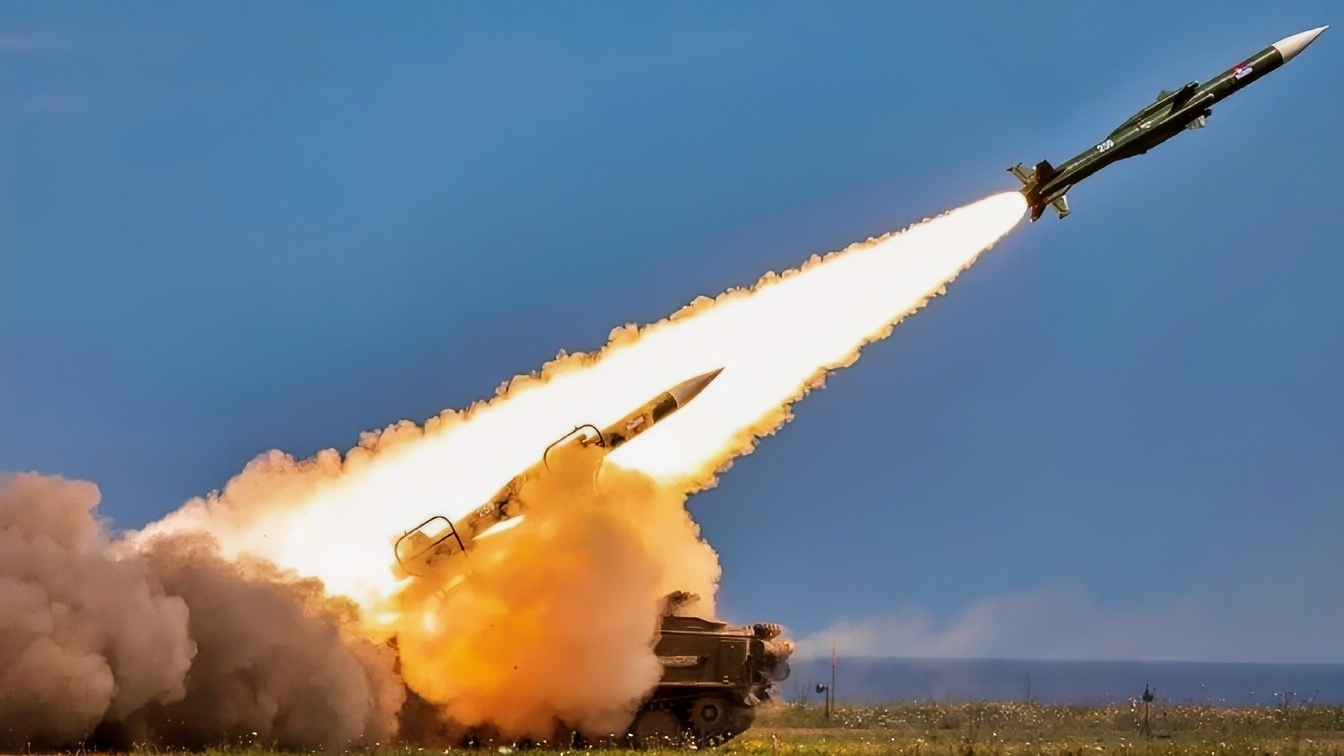
Missile System Department of Defense Photo
According to more recent reports, another Wildberries warehouse was struck earlier this morning in the Vladimir Region.
This puts the total number of warehouses struck at around 11-13, a harsh blow to Russia’s consumer economy.
Moscow, meanwhile, continues to strike targets around Ukraine with near impunity as Kyiv continues to suffer from a crippling shortage of air defenses.
Ukraine’s Campaign Against Wildberries
On Sunday, Ukraine carried out another long-range attack against Russia’s largest online retailer, Wildberries.
This time, the attack struck a warehouse in the Samara region, some 950 kilometers behind the front lines.
According to initial reports, no one was killed by the strike, but the resulting fire engulfed the majority of the facility, destroying tens of thousands of roubles worth of assets.
The facility reportedly employed several thousand workers, all of whom are now out of a job. “This is another terrorist attack by our enemy,” Said regional Governor Vyacheslav Fedorishchev. “An operational headquarters has now been deployed on site. Fortunately, there were no deaths.
The fire is currently being extinguished. Emergency services have been deployed to the site.”
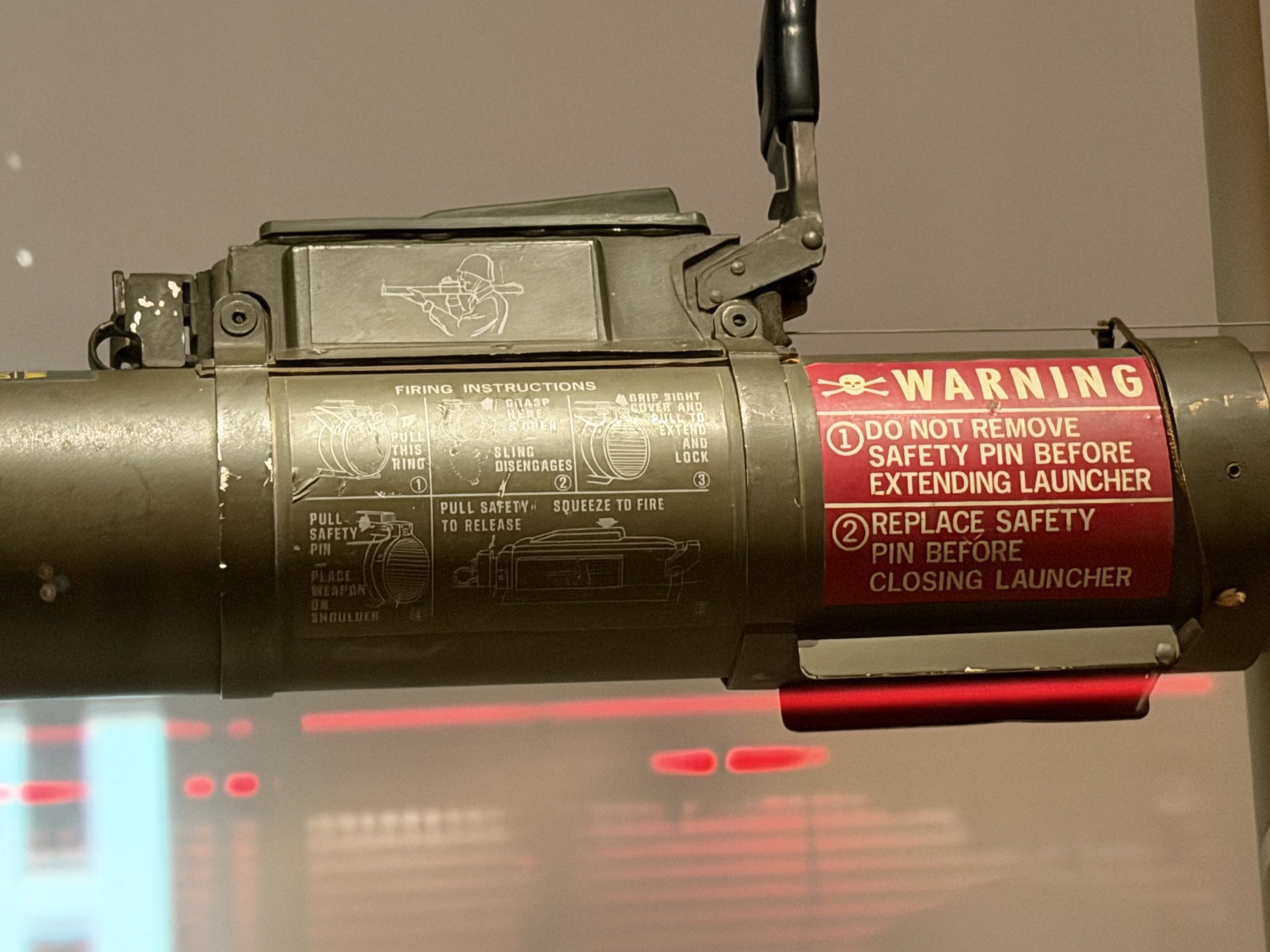
M72 Law Anti-Tank Weapon. Image Credit: 19FortyFive.com
Yet another warehouse belonging to the company was struck earlier this morning in the Vladimir region. The resulting fire, according to regional authorities, grew to over 100 square meters, completely engulfing the affected warehouse.
Three people are reported to have been injured, but no deaths have been recorded. These two attacks push the number of Wildberries facilities struck past a dozen.
According to the company and open-source estimates, more than 10% of the company’s warehousing space has been destroyed, with billions of rubles’ worth of goods lost.
Interestingly, Ozon, Wildberries’ main competitor, has been attacked only once by Ukrainian drones.
Russian Strikes Continue
Meanwhile, Kyiv’s lack of air defenses remains a pressing concern for Ukraine. On Saturday morning (local time), Russia launched a missile attack against Kyiv, utilizing more than 20 missiles, eight of which were reportedly Zircon hypersonic missiles.
According to initial assessments, none of the missiles were shot down by air defenses. The targets of the attack were defense-related factories in Kyiv.
Other industrial targets were also hit in the attack, as part of Moscow’s ongoing efforts to destroy Ukraine’s civilian and military industries.
Consequently, ten people were killed in the wake of the attack, with dozens more injured.
In the South, Ukraine’s campaign against commercial ships in the Sea of Azov continues to bear unintended results, as Russia continues to strike in the Black Sea and throughout the city of Odesa.
For the past month, the Russians have been attacking targets along Ukraine’s Black Sea coast with a wide variety of munitions, including Geran-4 jet-powered drones, P-800 Oniks anti-ship cruise missiles, and new S8000 Banderol air-launched cruise missiles.
Port infrastructure in Odesa has been the primary target of these attacks, and cargo vessels have also been frequently targeted. As a result, maritime traffic in Ukraine’s Black Sea ports has effectively ceased.
The port in Mykolaiv has been closed since the start of the war, but Odesa is a vital port for Ukraine’s grain exports, an important source of revenue for the country.
Who is Winning the Air War?
When comparing the attacks over the weekend, it is clear which side possesses the advantage in the air war. Despite Ukraine’s numerous advantages in long-range strike capabilities, there is a reason that its main targets are undefended civilian warehouses.
Russia, meanwhile, has effectively degraded Ukraine’s stock of air defense missiles and is now taking full advantage of Kyiv’s vulnerable state.
This is not to demean the impact of Ukraine’s campaign against Wildberries. The company is vital to Russia’s consumer economy and accounts for a notable share of Russia’s GDP as a whole.
There are also psychological benefits to the campaign, as many Russians are now feeling the impacts of the war on their daily lives.
That being said, Wildberries’ contributions to the war are secondary, at best. The company’s collapse is unlikely to bring Russia’s economy to its knees, nor is it likely to force Putin to cede his war goals.
The ones most affected by the strikes are small business owners, who rely on Wildberries for their goods, as well as the workers who are employed at the attacked facilities.
For the rest of Russia, the attacks are more of an inconvenience, and considering that Ozon has been sparsely targeted, they are not even a major inconvenience.
The campaign has been a major PR success, to be sure. Images of Wildberries warehouses are good at inspiring confidence in Ukraine’s abilities to strike deep behind enemy lines.
However, the actual value of the strikes, beyond the purely psychological, is minimal.
About the Author: Isaac Seitz
Isaac Seitz, a Defense Columnist, graduated from Patrick Henry College’s Strategic Intelligence and National Security program. He has also studied Russian at Middlebury Language Schools and has worked as an intelligence Analyst in the private sector.


