


Russia’s 3M22 Zircon is the third hypersonic missile to enter service with the Russian Armed Forces, following the Kh-47M2 Kinzhal and the Avangard intercontinental ballistic missile. Developed by NPO Mashinostroyeniya, the ramjet-powered cruise missile flies at an estimated Mach 9, ranges between 500 and 1,000 kilometers, and is launched from the 3S-14 vertical tube — making it compatible with Admiral Gorshkov-class frigates, Yasen-class and Oscar-II-class submarines, and the modernized Kirov-class Admiral Nakhimov nuclear battlecruiser. The Zircon entered service in 2022. Russia has claimed it struck targets in Kyiv in 2024. Moscow has ordered 80 missiles per year through 2026.
Russia’s Zircon Hypersonic Missile Looks Dangerous
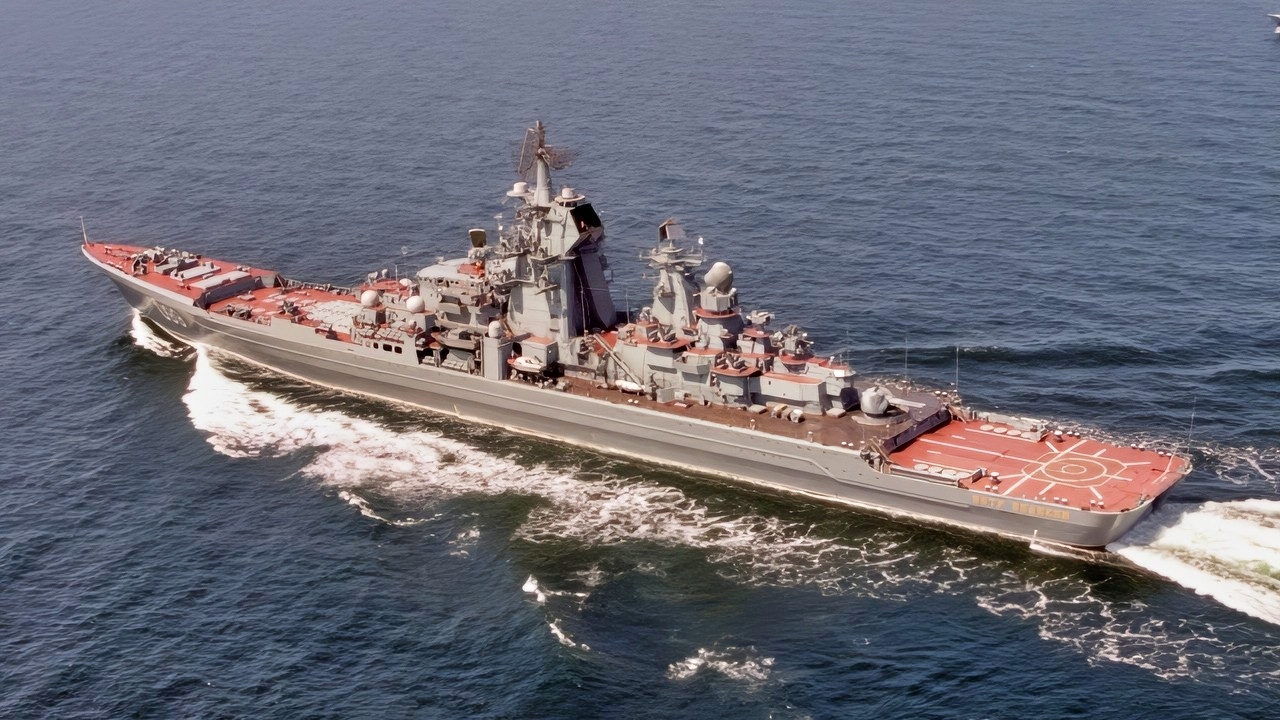
Russian Navy Kirov-Class. Image Credit: Creative Commons.

Kirov-Class from the Russian Navy. Image Credit: Creative Commons.
The 3M22 Zircon is the third hypersonic missile to enter service with the Russian Armed Forces, following the Kh-47M2 Kinzhal and the Avangard ICBM. Zircon is a short- to medium-range cruise missile powered by a ramjet, capable of reaching hypersonic speeds.
The system is intended for naval use, particularly with its newer missile frigates and submarines. The missile officially entered service in 2022 and has been sparingly used during the ongoing war in Ukraine.
Development of Russia’s Hypersonic Cruise Missile
Development of a hypersonic cruise missile began in the USSR in the 1980s with the Hypersonic Experimental Flight Vehicle (GELA). The GELA program produced the Kh-90, an experimental missile that reached Mach 13+ during its test flights.
However, the project was eventually canceled following the end of the Cold War. In the 2000s, however, the Russians once again looked into developing a hypersonic cruise missile to replace the aging P-700 Granit. The task of designing and manufacturing this new missile fell to NPO Mashinostroyeniya.
Testing on the 3M22 Zircon began in 2016, according to Russian sources.
According to some reports, the missile initially had trouble reaching 500 kilometers or exceeding Mach 5.
After some refinements to the design, tests in 2017 revealed that the system could reach Mach 8 and that its flight distance had increased to around 1000 kilometers.
In 2020, the Russian Navy confirmed that the program was still working through some technical difficulties with the missile but was progressing overall in a positive direction.
Later that year, a Zircon hypersonic missile was successfully launched from an Admiral Gorshkov-class frigate and successfully hit a ground-based target. Later tests showed that the system could consistently hit sea-based targets. In 2022, the missile successfully completed its trials and was accepted into service.

Russian Navy Kirov-class Battlecruiser. Image Credit: Creative Commons.
Specs and Capabilities
Like most hypersonic weapons, the exact details about the Zircon are classified.
It is thought that the system uses a dual-stage jet engine and a scramjet for propulsion.
Once the missile is launched, the system uses a conventional solid-fuel engine to reach supersonic speeds, after which the scramjet engine activates, propelling it to hypersonic speeds.
According to most estimates, Zircon has a top speed of Mach 9, which makes it extremely difficult for most existing naval air defense systems to intercept. It has an estimated range of 500 to 1,000 kilometers, depending on the trajectory, and is capable of mid-flight maneuvering to further confuse air defenses.
The missile measures around 8.5-9.5 meters (roughly 27-31 feet) in length and is equipped with a warhead weighing around 300-400 kilograms.
In addition to its speed and maneuverability, the missile reportedly features radar-absorbent coatings to make it harder to detect on radar.
How these materials withstand the thermal stress of hypersonic flight is unknown to the present author.
Launch Platforms and Production
The Zircon hypersonic cruise missile is designed as a versatile platform capable of striking both land and sea targets.
It can be equipped with a conventional or nuclear warhead, making it both a tactical and strategic missile.
The missile is launched from the 3S-14 vertical launch system, making it compatible with Admiral Gorshkov and Admiral Grigovich-class frigates, modernized Udaloy-class destroyers, and the newly modernized Kirov-class Admiral Nakhimov nuclear battlecruiser.
The Zircon is also compatible with Yasen-class and Oscar II-class submarines. The missile is currently being developed to become one of the main armaments of the Russian Navy, alongside the P-800 Granit and the Kalibr cruise missiles.
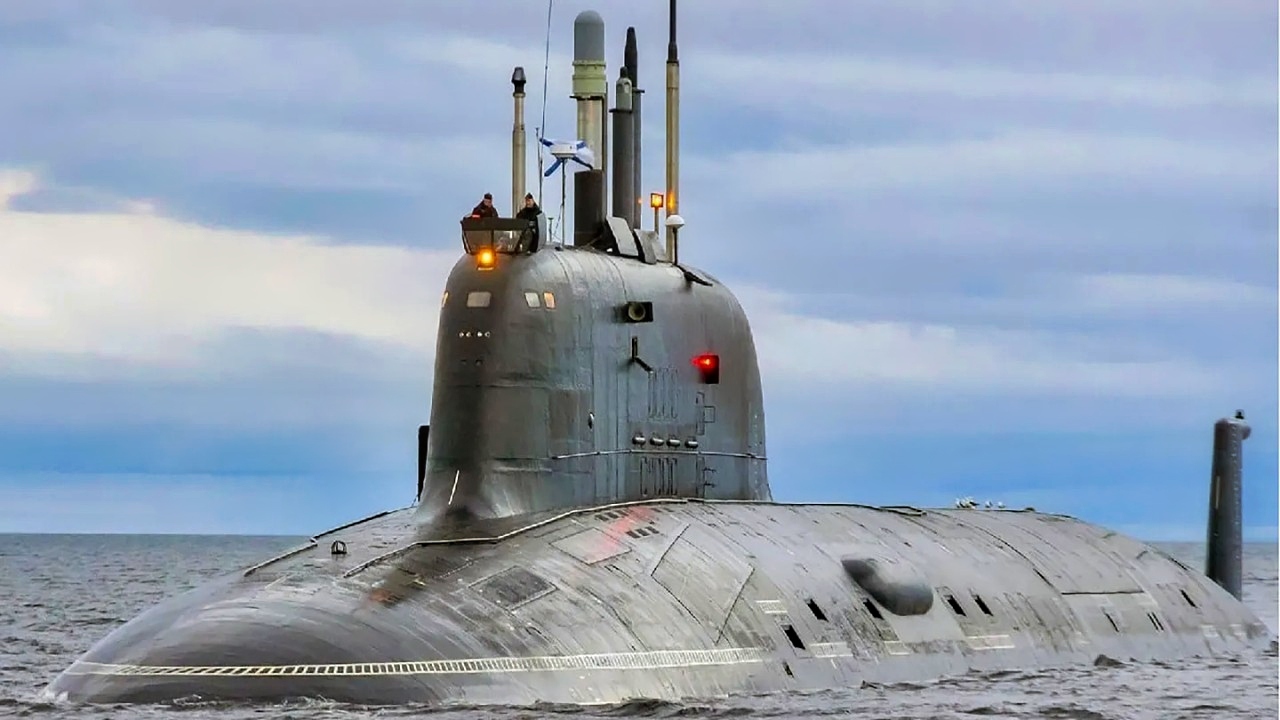
Yasen-Class Submarine from Russian Navy. Image Credit: Creative Commons.
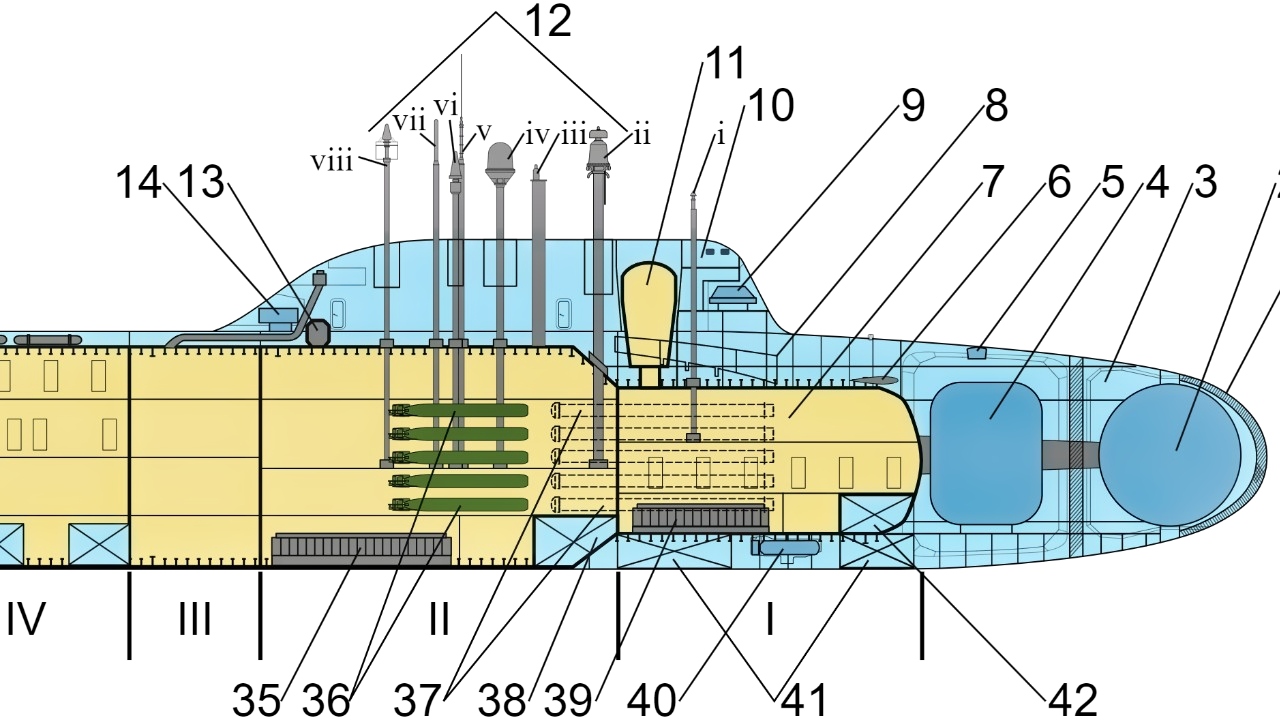
Yasen-Class Submarine from Russia. Image Credit: Creative Commons.
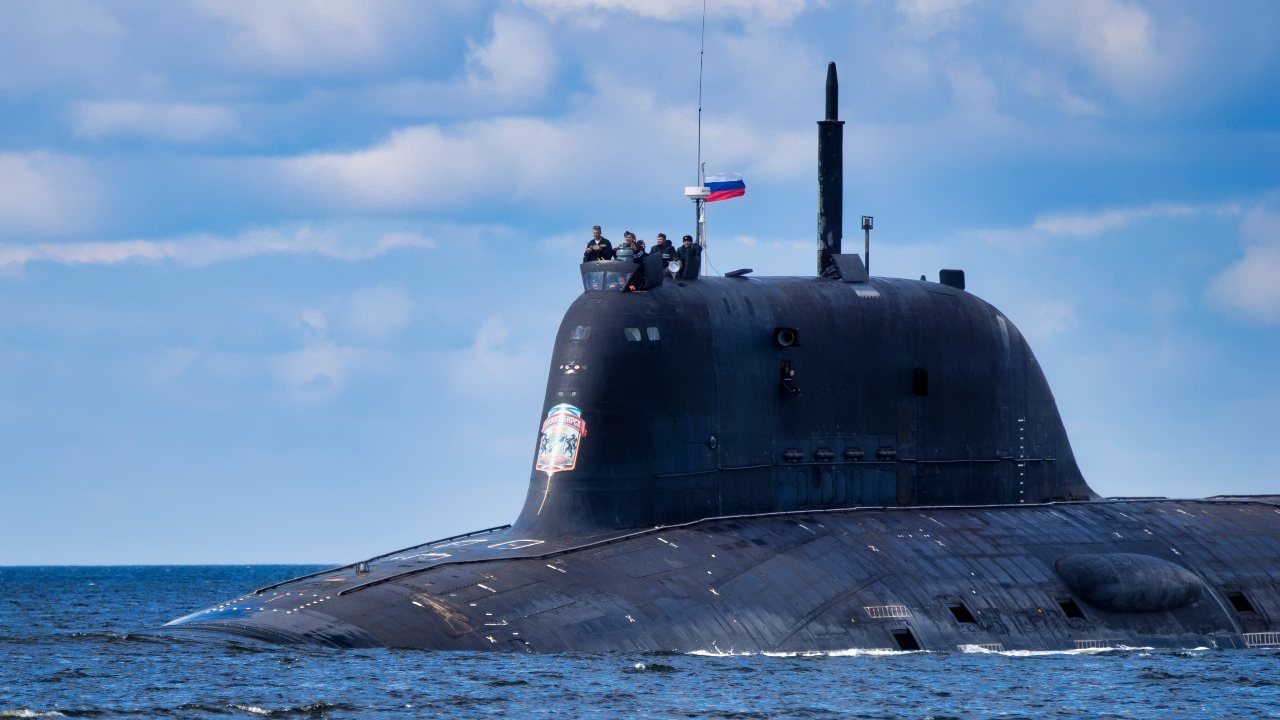
Yasen-Class Submarine Russian Navy. Image Credit: Creative Commons.
The missile is currently in active service with the Russian Ministry of Defense.
Currently, the Russians have an order for 80 missiles per year between 2024 and 2026. Whether Russian industry has been able to fulfill these orders remains unknown.
If true, the Russians should possess around 240 Zircon missiles by the end of this year. It is impossible to know the true extent of Russia’s inventory, though Western analysts are naturally skeptical of Russia’s ability to produce these advanced missiles in large quantities.
A ground-launched version of the platform is also available. This version is launched from a wheeled MZKT-7930 8×8 chassis, similarly to the K-300 Bastion-P coastal defense system.
Zircons in Ukraine
In 2024, Russia announced that it had successfully used the Zircon in Ukraine to strike targets in Kyiv.
The Ukrainians naturally claimed that they had successfully intercepted both missiles and posted footage purported to be remains of the intercepted missiles (both claims should be taken with a healthy grain of salt). According to OSINT reports, the Russians have used Zircon missiles on multiple occasions during the war, with the last use reported in March of this year.
Keep in mind that these reports should also be taken with a grain of salt. As of yet, there is not enough information about the Zircon platform or its use in Ukraine to draw any definitive conclusions about the missile’s actual performance.
About the Author: Isaac Seitz
Isaac Seitz, a Defense Columnist, graduated from Patrick Henry College’s Strategic Intelligence and National Security program. He has also studied Russian at Middlebury Language Schools and has worked as an intelligence Analyst in the private sector.


