

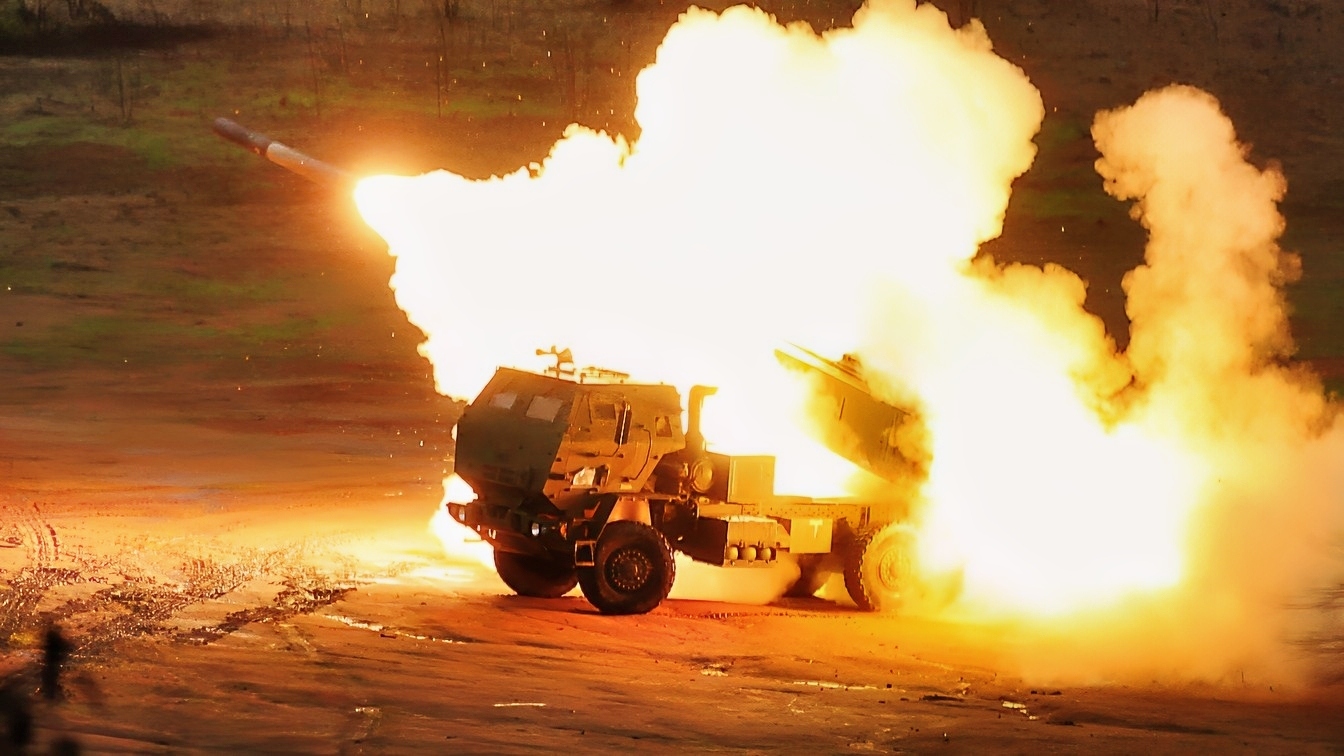
Ukrainian esprit de corps is palpable throughout the country, from Lviv near the Polish border to Kharkiv, a university town just 12 miles from the frontline, where schoolchildren study in metro stations and once-abandoned nuclear bunkers. Ukrainian men who evaded service are largely gone, and those who remain contribute to their country’s military industry, rescue, and reconstruction, if not on the frontline itself. Russian President Vladimir Putin miscalculated: He believed at a minimum that Russian forces could cleave off Russian-speaking Eastern Ukraine, but a June 2026 trip to eastern Ukrainian cities like Kharkiv, Dnipro, and Zaporizhzhia showed Russian speaking Ukrainian harbored nothing but fury for the Kremlin and for family members and lifelong friends who, living in Russian towns and villages, parrot Putin’s propaganda.
Ukraine Survives
Ukraine weathered the first assault that U.S. pundits and policymakers predicted would break the country. The U.S. intelligence community assessed Ukrainian President Volodymyr Zelensky, a former comedian, to lack the gravitas to be a wartime leader around whom his nation would rally. Secretary of State Antony Blinken and National Security Advisor Jake Sullivan counseled Zelensky to flee.
Zelensky proved them and the U.S. intelligence community wrong. Just as with President Ronald Reagan, Zelensky leveraged his entertainment background to excel at communication. Still, President Biden’s team sought to restrain Zelensky. Sullivan effectively granted Putin a qualitative military edge by insisting that Ukraine limit the use of any American weaponry to the territory of Ukraine itself.
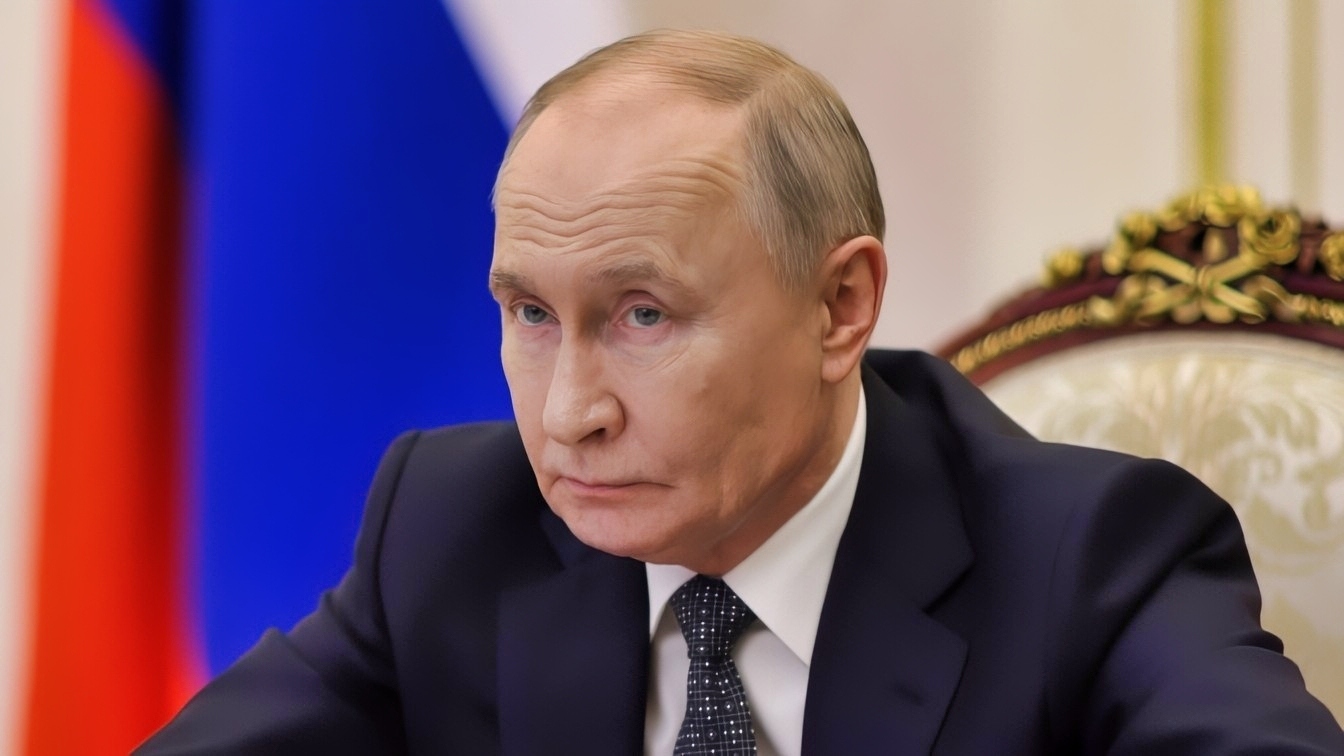
Putin Back in March of 2025 at Desk Creative Commons Image.
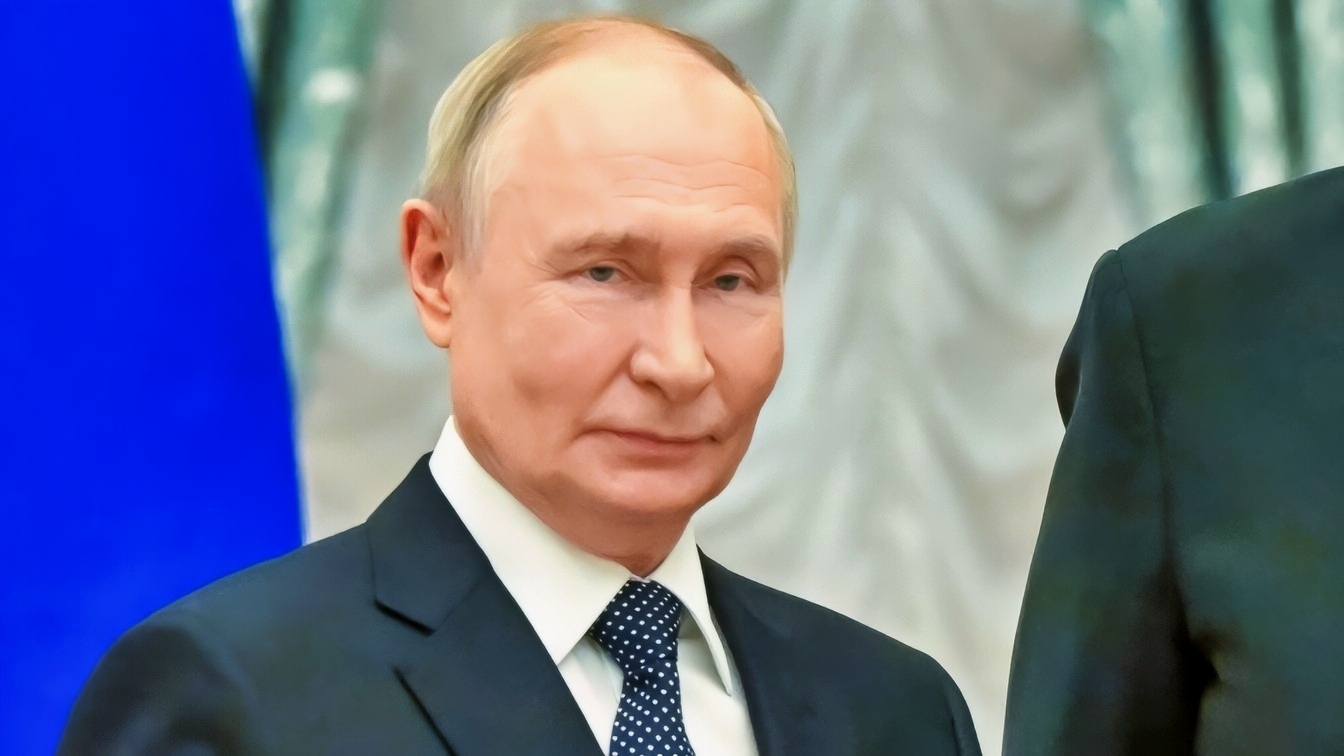
Putin at May 2026 Awards Creative Commons Photo
My Time In Ukraine
I visited a drone factory in Kyiv, one of many. It employed thousands of Ukrainians and produced various drone models, both short- and long-range, as well as anti-drone technology and armor. It and other factories can now produce multiple drones per minute. What was once a garage operation is now at the cutting edge of defense, not only for Ukraine but for the world.
Ukrainian technicians can make 500 tweaks to the assembly line for each drone model per year in response to near-real-time intelligence from the front. Such production, combined with pure ingenuity, has allowed Ukraine to target industrial and logistical hubs across Russia. His generals’ defenestration and falls down stairwells are a metric of Putin’s frustration.
Nuclear Weapons Use?
As the Russian morass grows, the nightmare scenario remains that Putin might resort to nuclear weapons rather than face the humiliation of defeat. From the very first minutes of his invasion, Putin sought to raise the specter of nuclear weapons in order to deter those who would oppose Russia.
“They must know that Russia will respond immediately, and the consequences will be such as you have never seen in your entire history,” Putin declared in his television address announcing the Ukraine invasion. Three days later, Putin ordered a “special service regimen” for Russia’s nuclear forces.
As Ukraine pushed Russian forces back, Putin again threatened to use “all weapon systems available to us,” underlining his statement with the declaration, “This is not a bluff.” Russia subsequently suspended its participation in the New START Treaty, and agreed to station tactical nuclear weapons in Belarus, expanding their potential reach into Ukraine.
A War That Keeps Going
As the war entered its third year, Putin warned that any NATO dispatch of troops to Ukraine would trigger a “destruction of civilization.” On November 19, 2024, Putin signed a new nuclear doctrine into law. Any conventional attack into Russian or Belarusian territory could trigger a nuclear response. In May 2026, as Ukraine struck deeper into Russian territory, reaching even Moscow and St. Petersburg, Russia conducted nuclear readiness exercises. The danger now increases as Putin faces embarrassment at home.
He cannot deny the war or trap Russians in an information bubble when they see drone attacks striking at the heart of Russian cities. The war will end when Putin dies, as any successor can blame him for Russia’s loss and try to start anew, but so long as Putin remains alive, a tactical nuclear weapon in Kyiv or along the front is a real possibility.
Nuclear command-and-control is more systematic in the United States, but the stalemate in Iran raises questions about potential U.S. use of nuclear weapons, especially to destroy targets under Pickaxe Mountain that the largest U.S. conventional weapons cannot. Trump may want a ceasefire in Iran, but Islamic Revolutionary Guard Corps Commander Ahmad Vahidi’s statement that Iran is pursuing nuclear weapons of its own, if true, suggests that policymakers cannot paper over the problem with an agreement that is more spin than substance.
What Does History Say?
Should either Russia or the United States use tactical nuclear weapons, there will be both outrage and rationalization. On August 21, 2013, Syrian President Bashar al-Assad used chemical weapons against East Ghouta. Often described as a Damascus suburb, East Ghouta is much more: An area of apartment blocks that once housed a million people.
When I visited last year, it was still a ghost town, with collapsed buildings and the threat of unexploded ordnance. While President Barack Obama had made chemical weapons use a red line, when challenged, his team took two tactics: First, they denied Obama had given a red line, never mind that they had background-briefed journalists and think-tanker analysts previously that it was, and second, they questioned why chemical weapons should really trigger such a response when so many atrocities had occurred utilizing conventional weaponry. Until Ahmad al-Sharaa, a former Al Qaeda chief, took Damascus on December 8, 2024, Assad suffered no consequences and had undergone a diplomatic rehabilitation, showing that the use of unconventional weapons did not make those who authorized their use permanent pariahs.
Can You Put the Genie Back in the Bottle?
When President Harry S. Truman ordered nuclear attacks against Japan, he had little idea of the true horror of nuclear warfare. In terms of destruction, the conventional attacks on Dresden were no worse than the nuclear attacks on Hiroshima and Nagasaki. Radiation sickness changed public perception, though, and the stigma of nuclear use has now lasted 80 years. The danger is this: If tactical nuclear weapons are used, it may not be possible to restore that stigma, let alone deterrence.
If Trump uses tactical nuclear weapons against Pickaxe Mountain, every small state will demand the right to the same technology. Any Russian use of nuclear weapons will likely be more destructive, meant to terrorize a civilian population. Even so, if Russia gets away with launching a limited nuclear attack, the threshold for other states will decline. Indeed, if either Russia or the United States uses nuclear weapons in their current conflicts with Ukraine and Iran, the likelihood is high that the other will as well.
What policymakers must then determine is how to re-establish the stigma surrounding nuclear weapons use. Politicians and diplomats might affirm that stigma and threaten sanctions if not regime change, but so long as Assad could get away with chemical weapons use, rhetoric and promises will never restore that deterrence. And that, more than any Pentagon planning for potential nuclear war, is what policymakers should now focus.
About the Author: Dr. Michael Rubin
Michael Rubin is director of policy analysis at the Middle East Forum and a distinguished fellow at India’s Usanas Foundation. A former Pentagon official, Dr. Rubin was a senior fellow at the American Enterprise Institute for more than two decades. He has lived in post-revolution Iran, Yemen, and both pre- and postwar Iraq. Opinions expressed here are the author’s own.


