

Ukraine Is Producing Hundreds Of Long-Range Drones Every Day: Drone manufacturer Fire Point, one of the largest private arms manufacturers in Ukraine, revealed on July 28 that it is now producing approximately 100 long-range Flamingo cruise missiles every month alongside hundreds of FP-1 and FP-2 long-range drones every day. The figures, disclosed by Fire Point Chief Executive Officer Iryna Terekh during an interview with The Guardian, demonstrate just how far Ukraine has come since the beginning of the war, transforming its weapons industry into a long-range missile and drone powerhouse.
The announcement also comes amid Ukraine’s ongoing long-range drone campaign against Russian targets, spanning oil refineries and logistics hubs, maritime infrastructure, and other high-value targets hundreds of miles from the front line.

Tomahawk Launch. Image Credit: Creative Commons.
One Of Ukraine’s Largest Defense Companies
After being founded in the wake of the full-scale Russian invasion of Ukraine in February 2022, Fire Point has grown rapidly from a small startup into one of the largest defense companies in Ukraine. Terekh told The Guardian that the company now operates 83 factories across the country, as well as another facility located in Denmark that employs approximately 6,000 people – up from 3,500 last year.
The company currently manufactures around 100 Flamingo cruise missiles every month, producing both FP-1 and FP-2 fixed-wing drones at the rate of hundreds per day. Terekh also said that Fire Point’s weapons have been used in almost every recent Ukrainian deep-strike operation.
“I’m not aware of any deep strike attack that was happening in the past few months that was not involving our products,” Terekh said, adding that between five and 15 Fire Point munitions were being used in strikes per day.
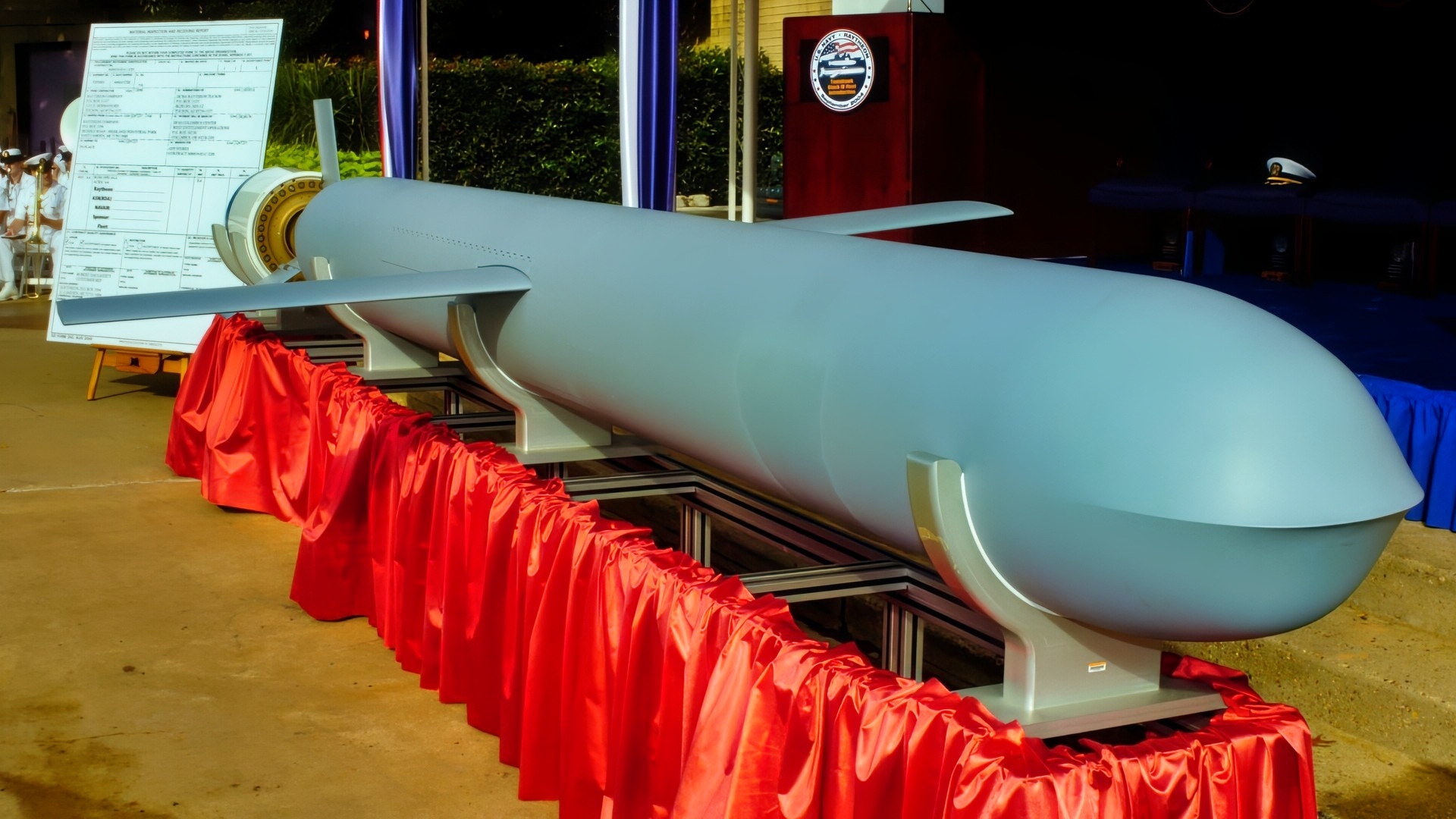
Tomahawk Block IV Missile. Image Credit: Creative Commons.
Among the company’s most famous, and capable, systems is the Flamingo cruise missile. The missile has been the focus of many reports in recent weeks as it has been used to successfully strike a variety of Russian targets deep inside the territory. Terekh said that one of the missiles was used during Ukraine’s June strike against a Russian factory that manufactured military hardware in Cheboksary, more than 600 miles from Kharkiv. Carrying a 1,150 kilogram warhead capable of penetrating reinforced concrete, the Flamingo is surprisingly inexpensive, costing just under $600,000 according to Terekh – substantially less than the $3.5 million price tag of an American-made Tomahawk cruise missile.
Long-Range Drones Changed the War
Fire Point’s FP-1 drones have become a critical component to Ukraine’s long-range strike campaign, or what Ukrainian President Volodymyr Zelenskyy has dubbed a “long-range sanctions” effort. Terekh said that the aircraft have a range exceeding 1,000 miles.
The drones have been used to target Russian oil refineries and industrial facilities at a cost of between $55,000 and $75,000 each. The campaign has so far reduced Russian refining capacity by around 20%, causing widespread fuel shortages and long lines at gas stations in many parts of Russia.
Targeting Russian Infrastructure
Since early 2024, long-range drones have repeatedly targeted Russian oil and energy infrastructure, forcing temporary shutdowns at some of the country’s biggest refining facilities. The Moscow Oil Refinery, which was hit twice in three days – on June 16 and again on June 18, 2026 – is not expected to return to operations until 2027.
Speaking during his nightly address on April 29, 2026, following briefings from the Security Service of Ukraine and military commanders, President Zelenskyy said that “Russia’s oil sector, Russia’s military logistics, and its military production – all of these are entirely legitimate and rightful targets of our long-range sanctions.”
He added that Ukrainian forces were also striking factories producing guided missiles and said that Ukraine would continue expanding the range and scale of its domestically produced long-range drones and missiles.
Ukraine As Europe’s Defense Manufacturing Hub
Fire Point’s rapid growth is just one element of Ukraine’s ambition to become Europe’s defense manufacturing powerhouse post-war. Speaking during Ukrainian Statehood Day celebrations on July 15, Zelenskyy said that the country now produces 10 million drones per year – ten times the target he announced previously – and that he still intends to double annual production to 20 million drones per year with the support of international investment.
“I remember when I first publicly announced the state’s plan: 1 million drones per year,” Zelenskyy said. “There was a lot of skepticism everywhere — both inside the country and outside it. And now we can state: We make 10 million drones a year. Ten, and it will be 20.”
Ukraine also recently signed a major defense-industrial partnership with the European Union intended to integrate Ukraine’s growing arms industry into Europe’s defense manufacturing base. The deal, signed in Kyiv on July 15, removes barriers to cooperation between Ukrainian and European defense companies and encourages joint ventures between European and Ukrainian companies. As part of the initiative, the European Commission promised €1 billion for Ukrainian drone production under the €90 billion Ukraine Support Loan, which also sets aside €60 billion for defense procurement between 2026 and 2027.
About the Author: Jack Buckby
Jack Buckby is a British researcher and analyst specializing in defense and national security, based in New York. His work focuses on military capability, procurement, and strategic competition, producing and editing analysis for policy and defense audiences. He brings extensive editorial experience, with a career output spanning over 1,000 articles at 19FortyFive and National Security Journal, and has previously authored books and papers on extremism and deradicalization.


