
The United States and Iran appear to be edging closer to a new deal designed to prevent continued strikes and pave the way for a new deal, with Iranian officials now claiming that Washington is prepared to return to commitments made under the failed June memorandum of understanding (MOU).
The news comes after negotiators in Oman and Iran spent weeks working on a new shipping arrangement for the Strait of Hormuz, with the last several days spent finalizing the details.
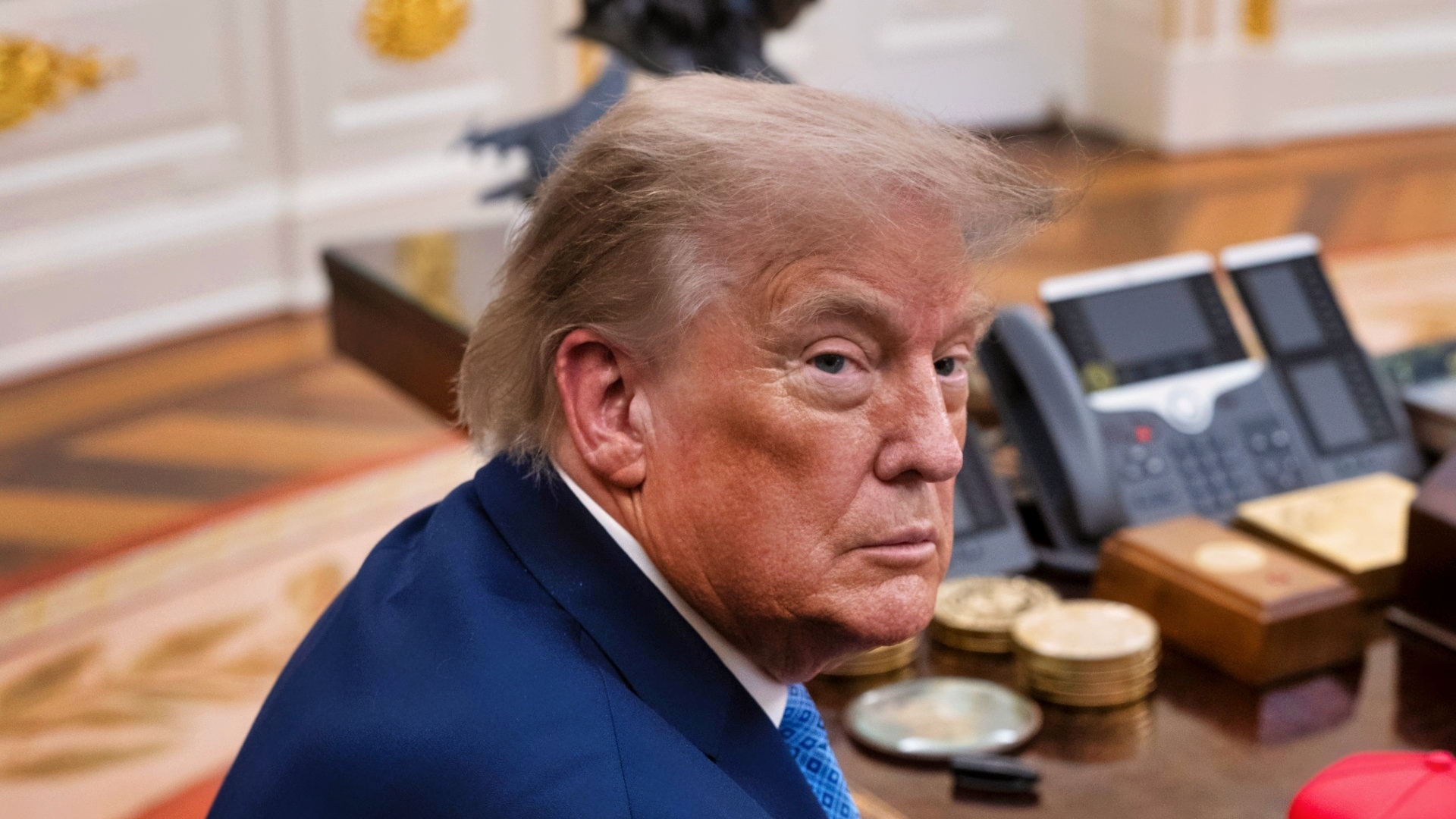
President Donald J. Trump speaks to the press during a presentation of the Religious Liberty Commission Report in the Oval Office, Friday, June 26, 2026. (Official White House Photo by Joyce N. Boghosian)
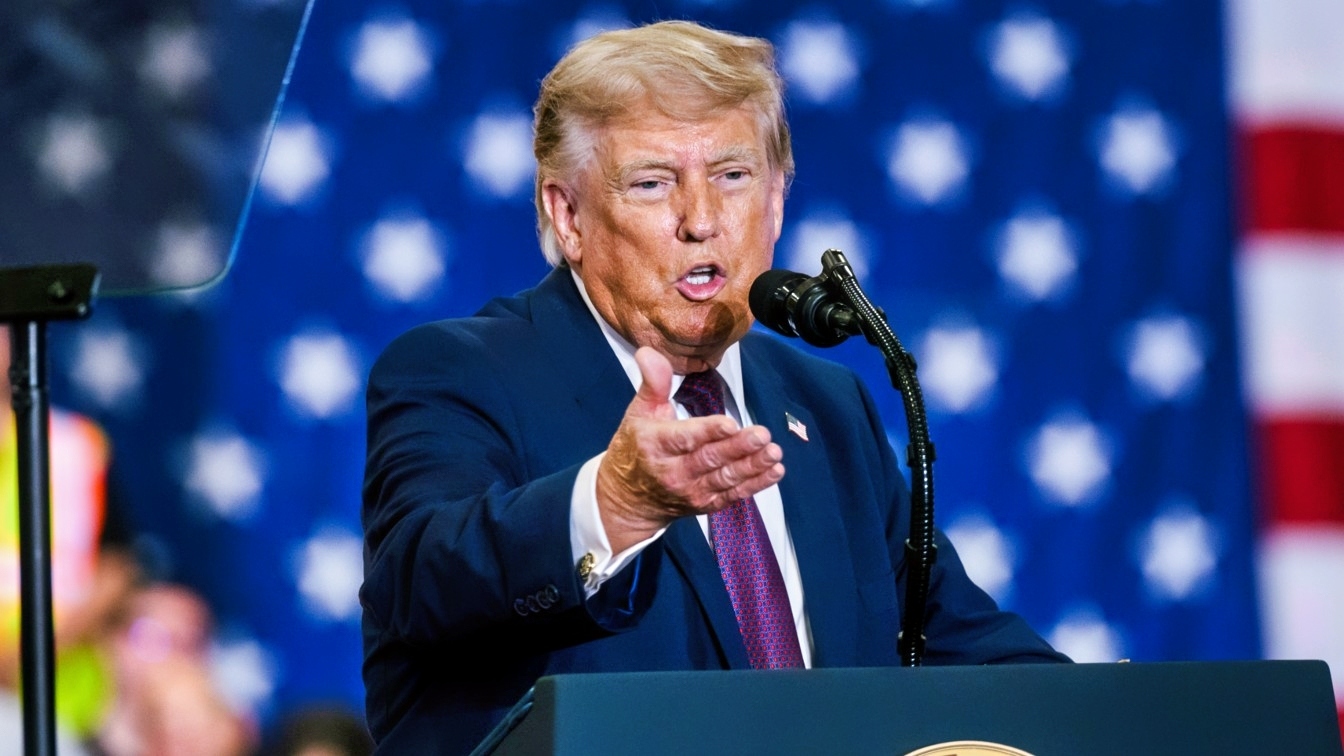
President Donald J. Trump delivers remarks at the Mack Trucks facility in Macungie, Pennsylvania, Tuesday, June 23, 2026. (Official White House Photo by Molly Riley)
With reports suggesting that a deal that was intended to arrive yesterday may finally land today, it’s clear that both sides are working to establish a diplomatic framework to end the fighting — and Tehran believes it still has the leverage to make demands of the United States.
Under an arrangement reportedly in the works with Oman, Iran looks set to restore commercial shipping through one of the world’s most important energy chokepoints as soon as today and to create a new 60-day negotiating window to establish a lasting peace deal.
Iran Says It’s Ready to “Return to Commitments”
Speaking to Iranian state news agency IRNA on Wednesday, Deputy Foreign Minister Kazem Gharibabadi said that the United States has indicated it is prepared to “return to commitments,” although he declined to specify exactly which commitments he was suggesting Washington was prepared to honor.
The remarks are most likely to suggest that Washington is preparing to return to the conditions of the June memorandum of understanding, under which Iran agreed to permit commercial shipping through the Strait of Hormuz without charging fees, while the United States ended its naval blockade of Iranian shipping and temporarily removed sanctions on Iranian oil exports.
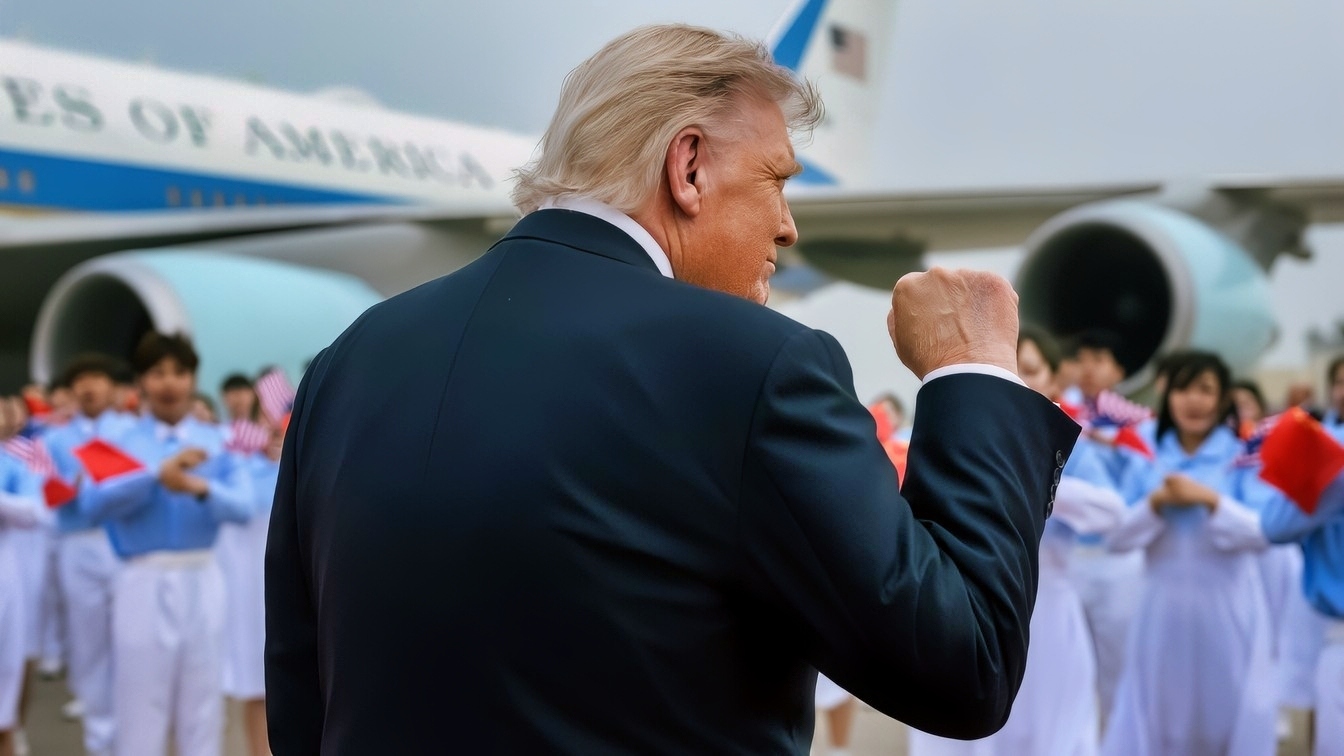
President Donald J. Trump greets Ambassadors David Perdue and Xie Feng, Executive Vice Minister of Foreign Affairs Ma Zhaoxu and Minister of Foreign Affairs Wang Yi at Beijing Capital International Airport, China on Friday, May 15, 2025, before boarding Air Force One en route Washington, D.C. (Official White House Photo by Daniel Torok)
But despite the apparent signal from Washington, Gharibabadi also rejected suggestions that direct negotiations are underway between the two countries, stating that the “path of understanding is between Iran and Oman, and no negotiations with the US have taken place during this period.”
On Thursday, Gharibabadi said that an understanding between Iran and Oman was close to being finalized, adding again that the pre-war system was no longer fit for purpose.
The Iranian official said that “old routes no longer meet the current difficult conditions that have jeopardized the national security of the Islamic Republic of Iran.”
The words followed comments made by Iranian Foreign Ministry spokesman Esmail Baghaei, who warned earlier this week that the deal was likely to succeed as long as “some third parties do not obstruct work in this regard.”
The words were widely interpreted as meaning that Iran did not want the United States to be involved in the discussions.
Oil Markets Remain Cautious
Despite optimism from Iran that it is close to announcing a temporary agreement with Oman over the Strait of Hormuz, oil markets show that traders are unconvinced that a breakthrough will fully restore normal energy flows any time soon.
Brent crude rose by more than 2% on Thursday morning to above $81 per barrel, while U.S. West Texas Intermediate climbed to around $76.60 as investors price in the possibility that another agreement could unravel as quickly as the MOU did in June.
The cautious reaction of the oil markets reflects the disastrous nature of the June peace deal, which only briefly eased tensions before Iran began launching drones at commercial vessels and prompted a major military response from the United States.
Speaking to Reuters, Tim Waterer, Chief Market Analyst at KCM Trade, said that traders are wary because the previous agreement was “short-lived.”
“Traders still remember the short-lived Memorandum of Understanding signed in June, so there is understandable anxiety that any new deal could prove equally fragile,” Waterer said.
What the U.S. May Offer
Reports this week indicate that the United States, grappling with a long-range missile shortage, may be preparing to accept several major Iranian demands in the hope of restoring global oil security.
Two regional officials and a senior Iranian source familiar with negotiations told Reuters on Wednesday that the draft agreement would give Tehran authority over commercial vessels entering the Persian Gulf through the Strait of Hormuz, rather than establishing new shipping lanes closer to the Omani coast.
One of the regional officials said the provision was one of the biggest concessions Iran secured in recent negotiations.
If the arrangement is finalized and backed by Washington, it would be a significant shift in the White House’s negotiating position.
President Donald Trump said that the United States would not allow Iran to impose tolls on international shipping through the Strait of Hormuz, but reports on Thursday also suggested Iran was preparing to charge tolls.
Per reports, Iran is seeking fees of up to 7% of the value of cargoes moving through the Strait of Hormuz, with Oman discussing smaller fees of around 3%.
Iran has also reportedly rejected Oman’s offer to establish a new regional management framework that would have allowed Iran to receive voluntary contributions from shipping companies using the waterway.
About the Author: Jack Buckby
Jack Buckby is a British researcher and analyst specializing in defense and national security, based in New York. His work focuses on military capability, procurement, and strategic competition, producing and editing analysis for policy and defense audiences. He brings extensive editorial experience, with a career output spanning over 1,000 articles at 19FortyFive and National Security Journal, and has previously authored books and papers on extremism and deradicalization.


