

Ukraine’s drones on Thursday struck the Russian city of Yaroslavl, and the strikes ignited a fire at Slavneft-YANOS, one of the largest oil refineries in Russia, United 24 Media reported.
That refinery, the United 24 report said, produces 15 million metric tons of crude oil annually, placing it among the top five refineries in the country.

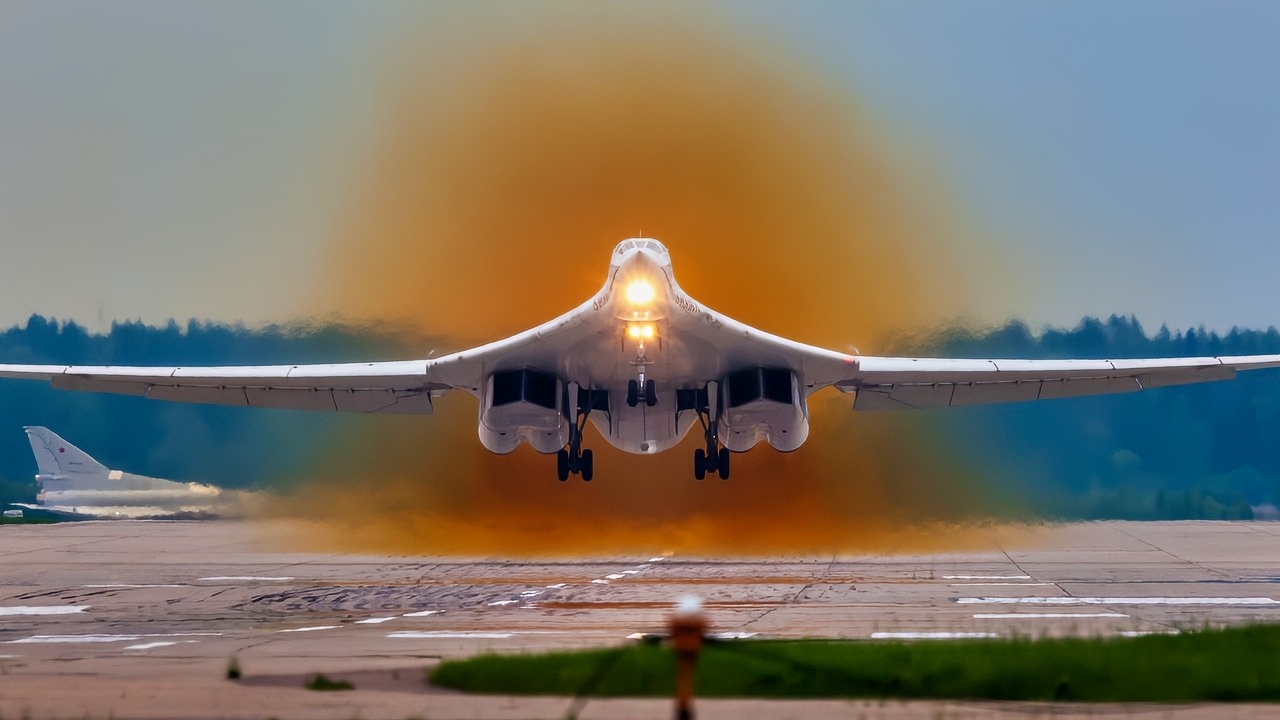
Tu-160 Bomber Russian Air Force Photo
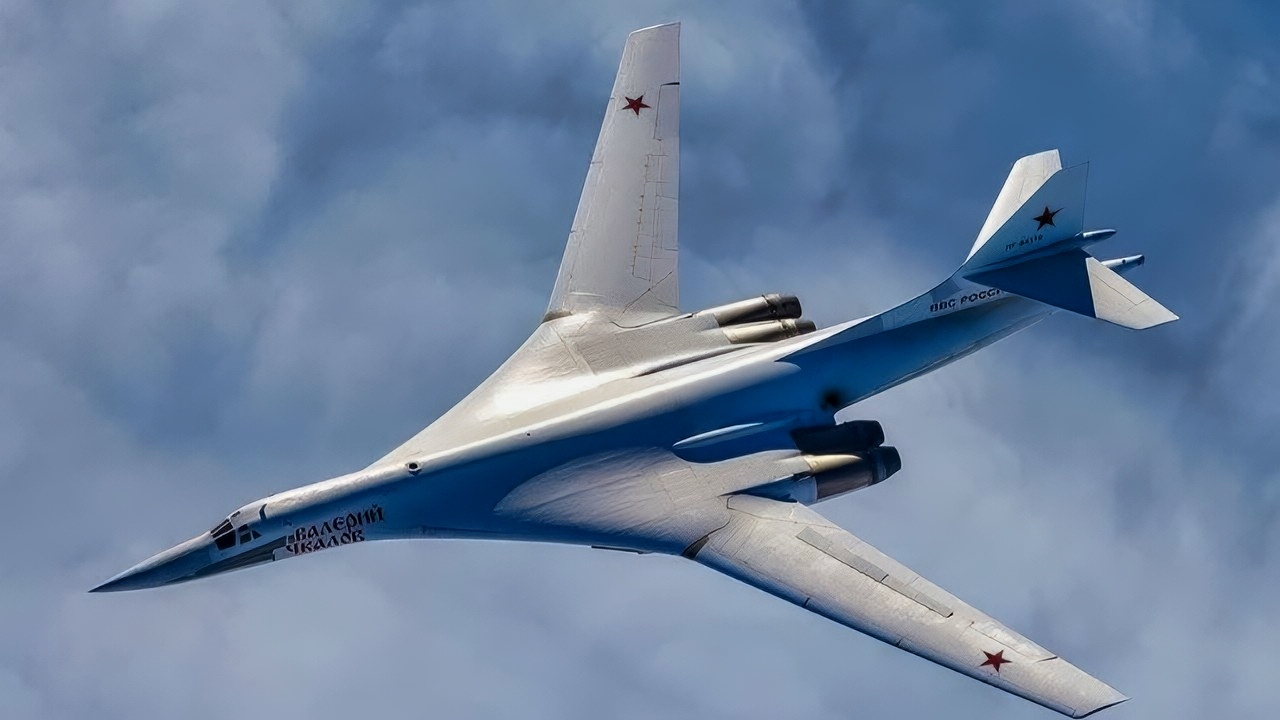
Tu-160 Bomber from Russia. Image Credit: Creative Commons.
Ukraine had also struck Rosneft’s Bashneft-UNPZ oil refinery the day before.
This follows a recent 40-day operation by Ukraine’s Security Service, which carried out over 100 strikes throughout Russia, including 14 oil refineries. In early July, Ukraine struck the Omsk oil refinery, described by Reuters as Russia’s largest, halting processing.
Photos and videos of the flaming refinery were posted to social media. There is also a second fire at an undetermined location, the report said.
The BBC had more on the attack, including that President Volodymyr Zelensky had touted the two refinery attacks, and that Yaroslavl regional governor Mikhail Evraev had confirmed four people were injured and described it as the “largest enemy drone attack.”
Evraev also claimed that the drones themselves had been shot down, but that “falling debris hit the oil refinery’s storage tanks,” causing the fire.
BBC Verify analyzed the photos and videos, concluding that there were as many as four fires at the Slavneft-YANOS refinery site.
The strikes on refineries have been coupled with attacks on oil tankers and other infrastructure, as part of Ukraine’s strategy for disrupting Russia’s energy setup.
Bloomberg News reported this week that Ukraine claims 125 attacks on “Russian-linked ships,” including 90 tankers in the Black Sea and Sea of Azov.
“Long Range Sanctions”
President Zelensky, in a social media post, touted the strikes as an example of what he calls “long-range sanctions,” which is his name for attacks on Russia’s oil infrastructure, and noted how far the drones had traveled for the most recent attacks.
“Ukraine’s Defense Forces struck the aggressor’s facilities more than 1,300 kilometers from the front line,” the Ukrainian leader said. “The Bashneft-Novoil refinery was hit in Bashkortostan.
In the Yaroslavl region, nearly 700 kilometers from our border, the Slavneft-YANOS refinery was hit.”
Zelensky went on to tout successful attacks on military patrol boats and the Russian “shadow fleet,” which he characterized as Ukraine’s response to “Russian aggression in the Black Sea.”
Fuel Shortages Spread
According to the Kyiv Post, this was the sixth time this year that the refinery in Yaroslavl has been struck by Ukraine, and that previous strikes had caused the facility to close temporarily.
The latest strikes could exacerbate Russia’s ongoing fuel shortages.
The Ukrainian general staff, Kyiv Post said, had estimated last month that as much as 43 percent of Russia’s fuel capacity had been knocked offline, with other data suggesting that capacity had dipped to its lowest level in 21 years.
Another report this week by Bloomberg News put Russian oil capacity at a 24-year low. Bloomberg reported that “large Russian refineries and oil tankers, as well as sea and major pipeline infrastructure” had been hit more than 30 times by Ukrainian attacks just in the month of July.
And this happened at a time when energy markets around the world were already strained, due in part to the Strait of Hormuz crisis.
This has all led to fuel rationing and queues at stations, especially in the Siberian region, the Kyiv Post said.
Throughout this year, Russia has banned exports of gasoline, jet fuel and diesel, while importing gasoline from India, Belarus and Kazakhstan, which are among the countries not participating in sanctions on Russian oil.
Russia extended those export bans last week, through the end of January of next year, after they were scheduled to expire in late July.
The Moscow Times, citing Russian government data, reported that the average gasoline price in Russia has risen 19 percent since the start of the year.
What Comes Next?
“The future of Russian refining and oil exports is dependent on the number of drones in Ukraine’s disposal and its decision to allocate these drones to particular targets,” Sergey Vakulenko, a former Russian oil executive who works as a senior fellow at the Carnegie Russia Eurasia Center in Berlin, told Bloomberg News.
About the Author: Stephen Silver
Stephen Silver is an award-winning journalist, essayist, and film critic, and contributor to the Philadelphia Inquirer, the Jewish Telegraphic Agency, Broad Street Review, and Splice Today. The co-founder of the Philadelphia Film Critics Circle, Stephen lives in suburban Philadelphia with his wife and two sons. For over a decade, Stephen has authored thousands of articles that focus on politics, national security, technology, and the economy. Follow him on X (formerly Twitter) at @StephenSilver, and subscribe to his Substack newsletter.


