

Oman is leading the charge for a renewed round of negotiations with the Islamic Republic of Iran, aiming to influence regional diplomacy. As a nation that sits just across from Iran, separated by the now-contested Strait of Hormuz (SoH), Omanis have struggled under the weight of being caught between their relationships with the United States and the Islamic Republic.
Oman’s newest attempt to get the US and Iran talking rather than shooting at each other centers around resolving the outstanding conflict over who controls the SoH.
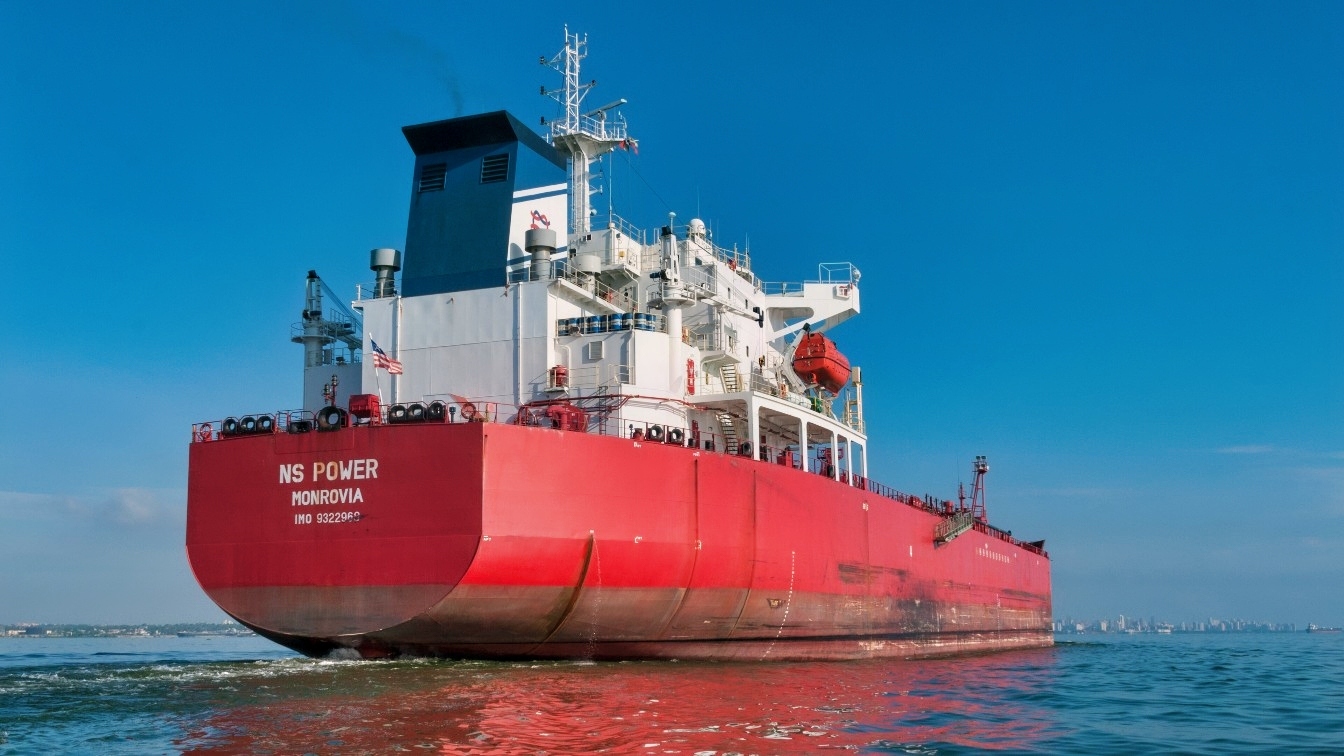
Oil Tanker. Image Credit: Creative Commons.
Reuters reports that Omani officials delivered a regionally backed proposal to Tehran over the weekend that would establish a joint mechanism for managing the strategically vital waterway, fostering a sense of regional cooperation and shared responsibility.
The initiative comes after the United States paused its air campaign against Iran over the weekend in an effort to create space for diplomacy. While the military pause has raised hopes for negotiations, President Donald Trump has warned that US strikes could resume if talks fail to produce an agreement.
The Battle for the Strait of Hormuz
The SoH has become the central issue in the war between the United States and Iran. Ironically, before the US and Israelis kicked off the war on February 28, there was no indication that Iran desired control over the Strait and the waterway was open to all shipping traffic.
This waterway is responsible for moving one-fifth of the world’s energy.

Generic Oil Tanker Image. Image Credit: Creative Commons.
The five-month disruption to those shipments has proven catastrophic for most of the world.
Because of how exposed to the instability of the global economy resulting from Iran’s closure of the SoH the United States is, the Iranians believe that time is on their side in the war.
The Americans, meanwhile, think that they can escalate the war and that will force Iran to be more compliant.
That assumption has repeatedly proven wrong, putting the US and global economies in a real crisis.
Iran argues that the waterway cannot simply return to its prewar status, when international shipping moved freely through the SoH without Iranian oversight.
The Gulf Arab states have opposed proposals that would require mandatory payments or tolls to Tehran for vessels using the passage.
The Iranians are unbending in their claim over the SoH.
To be clear, part of the waterway cuts through Iranian territory (it also cuts through Omani territory, which is why Muscat is so interested in a negotiated settlement).
The Malacca Model
Oman’s proposal would have Iran partaking in the co-management of the SoH, inspired by the Malacca model, which aims to promote regional stability.
However, the Omani proposal disallows Tehran from exercising sole authority over it.
Oman wants to share management responsibilities with Iran.
The region’s Gulf Arab states support this proposal.
They’ve added another caveat: any fees charged for using the SoH would be voluntary, and the money would be used for a common fund that would support navigation services, search-and-rescue operations, and other operations in the shared SoH.
This Omani proposal would effectively see the Strait become managed in much the same way that Indonesia, Malaysia, and Singapore manage the Strait of Malacca.
By making payments voluntary rather than mandatory, the proposal seeks to address Gulf states’ concerns about Iran collecting transit fees while still giving Tehran a recognized role in managing one of the world’s most important maritime chokepoints.
A New Round of Diplomacy–Will It Work?
Since the Yemen-based, Iran-backed Houthis closed the Bab el-Mandeb Strait, there has been a renewed interest by many of the Gulf states (along with Egypt and Pakistan) to get a settlement to the war that would allow for all shipping to return to prewar norms.
Iran’s Foreign Ministry reports that talks between their representatives and those from the Kingdom of Saudi Arabia as well as Oman have focused on addressing security concerns in the SoH and improving stability.
Iran has blamed the disruptions on US military operations, and the Iranian delegates have supposedly called for closer coordination among the regional governments.
Another False Positive for the Markets Or Something Real?
Oil prices plummeted to their lowest levels in more than a week on Tuesday as traders got wind of the negotiations, highlighting the potential impact on global markets.
Hope springs eternal in the energy markets, it seems, even as the Strategic Petroleum Reserve (SPR) in the United States drops to its lowest level in decades, and energy flows out of the Middle East become more strained, not less, thanks to the Houthis’ introduction into the conflict.
Iran has not publicly accepted or rejected Oman’s proposal for co-management and voluntary fee collections.
But it does represent what is likely the last, best hope for a negotiated settlement to this crisis.
Of course, it remains to be seen how the Trump administration will react, especially given that the Trump administration has been emphatic about its desire to see the SoH return to prewar operational levels and management styles (meaning it was open and uninterrupted).
For now, energy markets are reacting positively, the Mideast is engaged in negotiations, but the real wild card is what the US and Israel will do next.
About the Author: Brandon J. Weichert
Brandon J. Weichert is Senior National Security Editor. He also manages The Weichert Brief on Substack. Weichert also hosts “National Security Talk” on Rumble. He is the author of four bestselling national security books, the most recent of which is A Disaster of Our Own Making: How the West Lost Ukraine (Encounter Books). Follow him via Twitter/X @WeTheBrandon.


INTL Taroist
July 28, 2026 at 2:13 pm
First off, I’m glad there are straight cows but we don’t need to call them Hors. Second, The account can be used for improving living conditions and preparing for Chinas railway. Optional sounds a little lame, technically it should be a kaffir tax to make everyone happy.
INTL Taroist
July 28, 2026 at 2:15 pm
And there should be courts established for dealing with those who break the covenant under the tax protection order.