

The acting Ukrainian Foreign Minister Andrii Sybiha said during a briefing that frozen Russian assets could provide critical financial support for Ukraine as the country faces more than $600 billion in infrastructure damage caused by Russia’s invasion and attacks against its civilian infrastructure.
He said these assets could be a lifesaver for Kyiv and that their transfer should not be delayed.
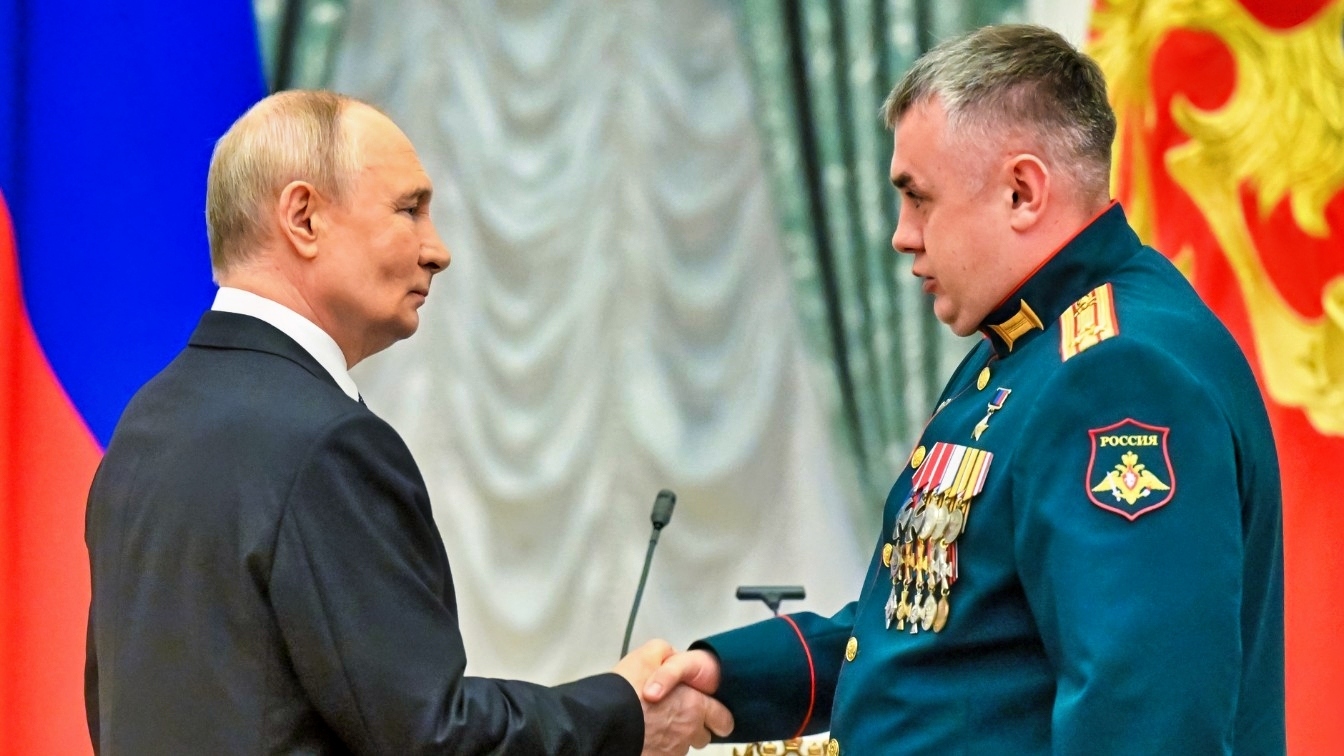
Putin and Russian Military Creative Commons Image
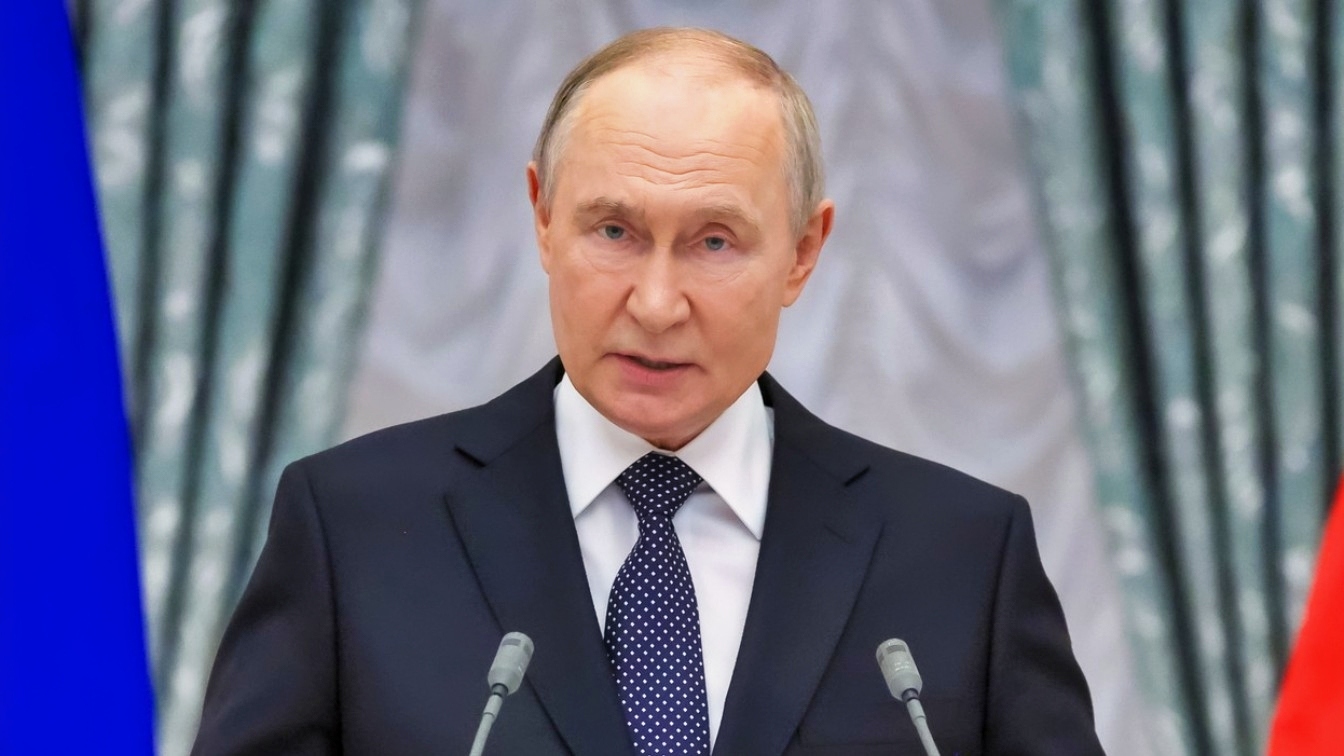
Putin in May of 2026. Image Credit_ Creative Commons
This is fair. After all, according to World Bank estimates, as of today, Russia’s damage to Ukrainian infrastructure is over $600 billion. This is difficult for one state to overcome. And even more so, this war is not about Ukraine,” he said.
Sybiha added that Ukraine isn’t just fighting for its own citizens but for those in Western Europe as well. Maintaining the country’s resilience and economic stability, he said, therefore requires continued support from international partners.
And the frozen Russian assets would strengthen Ukraine, putting the bill for its reconstruction on the regime that caused all of it.
Thus Far, The West Has Stalled On This Asset Transfer
“Frozen assets are one of those fundamental tracks that can significantly strengthen us through the direct use of Russian funds. Therefore, we, as Ukraine, will actively discuss this in European capitals, and not only in European capitals. We very much hope to reach clear, concrete decisions. This must be a collective decision and a collective responsibility,” Sybiha added.
But so far, the West has balked at transferring these assets.
Western nations hold roughly €300 billion ($347.3 billion) in frozen Russian central bank reserves. Instead of taking the cash, they use the investment income and interest these funds generate to support Ukraine financially and militarily.
The European Union will use €1.4 billion in interest earned on frozen Russian state assets to provide fresh support for Ukraine.
Brussels says the funds will help finance military equipment and other urgent needs, while Russia condemns the move as illegal.
The European Commission has proposed loaning Ukraine €90bn ($104.2 billion) in funding over two years, which it says will meet two-thirds of Kyiv’s financing needs for 2026 and 2027 and allow it to engage in peace talks “from a position of strength.”
Belgium has blocked direct confiscation moves out of fear that it will shoulder the legal and financial risks if Russia sues.
Belgium Would Agree If Western European Nations Share The Risk
But Belgian Foreign Minister Maxime Prevot stated on Tuesday, August 18, that his government could support using about 200 billion euros ($230 billion) of Russian frozen assets to support Ukraine, provided Europe shows “solidarity” in sharing the risks.
However, earlier this month, it was also reported that former high-ranking officials from Germany, France, and the United States proposed transferring Russia’s frozen assets to a new European Union-led structure.
“The European Union should immediately transfer the frozen funds of the Russian Central Bank… to the new EU administrator. Then Belgium will no longer have to fear ‘Russian coercion,’ the statement said.
The Western European Officials “See A Window Of Opportunity”
The released statement, made by Annegret Kramp-Karrenbauer, the former German Minister of Defense; Nathalie Loiseau, the former Minister for European Affairs of France; and Dalip Singh, who was the US Deputy National Security Advisor and worked as a sanctions expert under President Joe Biden, all agreed that Belgium’s concerns must be allayed.
The arguments for transferring assets to Ukraine center of what they see as a window of opportunity to end the war.
They believe that Putin’s “special military operation” has reached a dead end, Russian refineries are burning, and former Hungarian Prime Minister Viktor Orbán, the so-called “Trojan horse for Moscow in the EU,” is a thing of the past.
They also believe the new tools will “strengthen Ukraine’s negotiating position.”
“If the EU now transfers Russian assets to Kyiv, Putin will understand that continuing as before until Ukraine and its allies run out of money is hopeless.
This may increase his willingness to agree to a ceasefire,” Kramp-Karrenbauer said.
The Officials Fear A Weakening Of French Resolve And US Meddling
However, with next year’s French presidential elections approaching, the three officials worry that if President Macron were replaced by his opponent, Marine Le Pen, France’s support for Ukraine could dry up.
They also argue that this proposal would block the US from seizing Russian assets.
In the unofficial 28-point peace plan from last year, the 14th paragraph stated that $100 billion of the frozen assets should be invested in Ukraine’s restoration of Ukraine, under American leadership, with 50 percent of the profits going to the United States.
The remaining frozen Russian assets will be placed in a separate US-Russian investment account to fund joint projects that foster long-term stability and shared economic interests.
Russia and Putin will find all of this 28-point plan unacceptable. Especially since the new plan would liquidate all frozen Russian assets to finance Ukrainian reconstruction under U.S. direction and create a special U.S.–Russia investment mechanism for joint projects.
The EU could proceed with the plan put forth by the three officials if 15 out of 27 member states, representing at least 65 percent of the bloc’s population, vote in favor of it.
About the Author: Steve Balestrieri
Steve Balestrieri is a National Security Columnist. He served as a US Army Special Forces NCO and Warrant Officer. In addition to writing on defense, he covers the NFL for PatsFans.com and is a member of the Pro Football Writers of America (PFWA). His work was regularly featured in many military publications


