


Crude oil exports via the Strait of Hormuz have reached around 70% of their prewar levels, at least for Qatar and Kuwait.
Qatar and Kuwait Lack ‘Back Up’ Routes
Before the U.S. and Israel began strikes on Iran on February 28, the two Gulf States exported some 2 million barrels of crude per day through the busy waterway. On Thursday, traders told Bloomberg that shuttle tankers and ship-to-ship transfers outside the strait had helped them replenish most of this traffic.
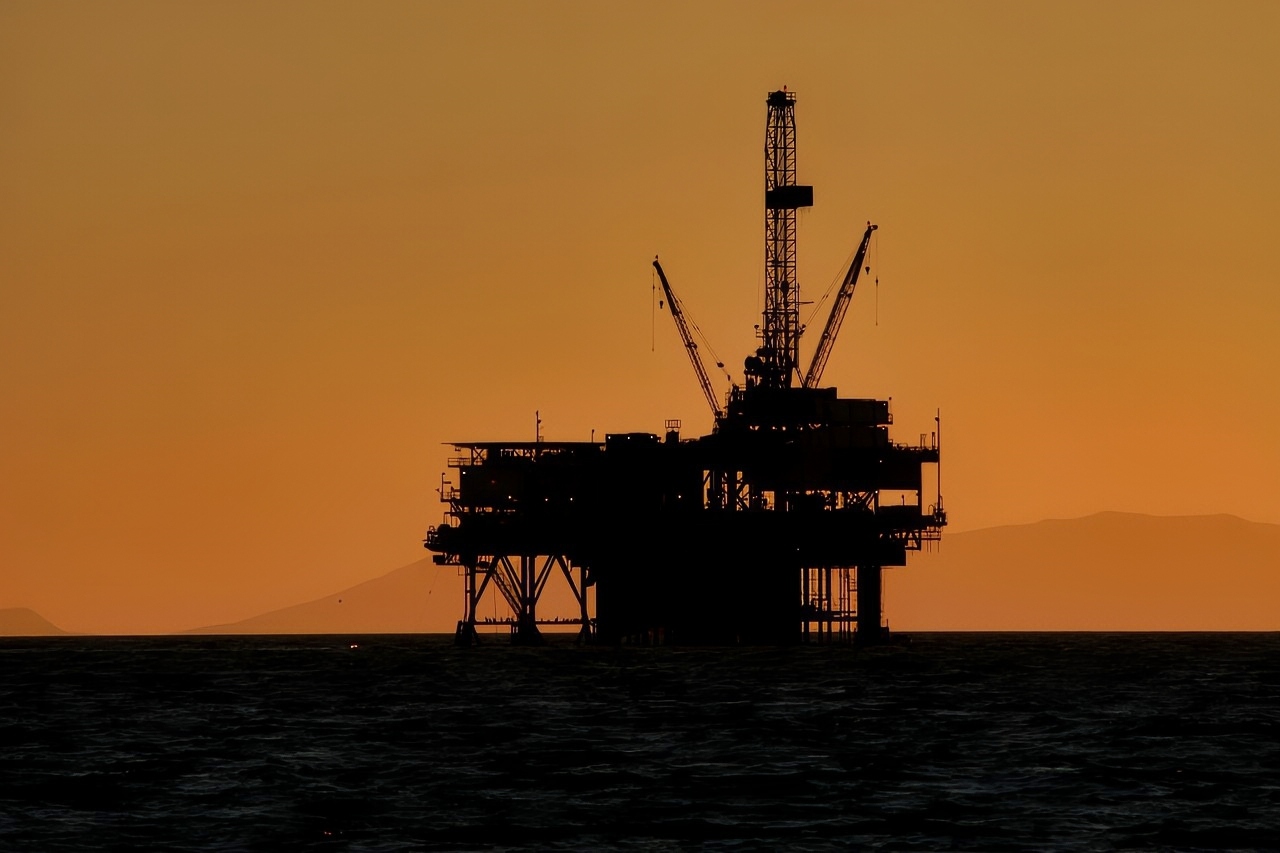
Oil Platform. Image Credit: Creative Commons.

Generic Oil Tanker Image. Image Credit: Creative Commons.
The issue of blocked traffic in the strait was pressing for Qatar and Kuwait, whose GDPs rely heavily on fuel exports, because they lack the backup routes that Saudi Arabia and the United Arab Emirates have.
Smaller Vessels Now in Use
The countries reportedly began shipping smaller vessels via Hormuz in June, then transferred their cargoes to other tankers in the Gulf of Oman.
The UAE had already rolled out a similar system and is also relying on its pipeline to Fujairah, which transports crude to the Gulf of Oman without passing through Hormuz. Saudi Arabia has used ship-to-ship transfers as well as its East-West pipeline and export routes through the Red Sea and Egypt.
Oilprice.com reported Thursday that traders now estimate total oil flows through Hormuz at roughly 7 million to 8 million barrels per day, compared with about 4 million in mid-July.
Those figures are still well below the approximately 20 million barrels per day of oil that passed through the strait before the war.
Such figures obviously fail to account for ships traveling with their Automatic Identification System (AIS) transponders turned off.
Kpler data cited by Reuters showed 10 commodity vessels passing through the strait on Wednesday, compared with eight on Tuesday and a 10-day moving average of 15.
Omani and Iranian Officials Meet in Tehran
The uptick in shipments comes as Iran and Oman try to formalize a temporary route for commercial traffic.
Omani Foreign Minister Badr Albusaidi met Iranian Foreign Minister Abbas Araghchi in Tehran on Tuesday, with both states claiming afterward to have discussed a “joint temporary navigational corridor” and a project to clear mines from the strait.
The Islamic Republic’s Deputy Foreign Minister Kazem Gharibabadi said the proposed corridor would be about seven miles wide.
Ships entering the Persian Gulf would travel through Iranian territorial waters, while the outbound route would pass through both Iranian and Omani waters.
Iran and Oman would then have 30 to 60 days to negotiate a permanent maritime traffic arrangement. Gharibabadi has also said military vessels would not be permitted to use the temporary route.
But whether even the temporary arrangement has been completed remains unclear.
IRGC spokesman Brig. Gen. Hossein Mohebbi said Wednesday that the two countries had reached “results that are acceptable to both sides” concerning control of the strait and revenue from it. A senior Iranian source subsequently told Reuters that an agreement had “not been finalized” and that negotiations were continuing.
Tehran Demands Washington Lift Sanctions
Tehran continues to stress that a full restoration of pre-war conditions in the Hormuz would require Washington’s agreement with demands linked to June’s expired “Memorandum of Understanding.”
On Wednesday, Argus Media summarized these demands as including: “lifting sanctions, releasing Iranian funds frozen under the sanctions and ending what it describes as a US naval blockade,” along with “an end to Israeli strikes on Lebanon and US strikes against Iranian-aligned groups in the Middle East Gulf.
Qatari Prime Minister and Foreign Minister Sheik Mohammed bin Abdulrahman Al Thani traveled to Tehran on Thursday, with Doha saying the talks would address freedom of navigation and restore conditions in Hormuz to what they were before the war.
The situation in the strait no doubt remains dangerous amid this uncertainty. On Thursday, a tanker in the strait had been hit by an unidentified projectile, causing a fire that was later extinguished.
Brent Crude Prices Fall
Oilprice.com showed Brent crude at $88.59 per barrel on Thursday and West Texas Intermediate at $82.59. They have previously fallen lower before increasing again.
Brent plunged to $86.22 and WTI to $80.65 before rebounding. KCM chief market analyst Tim Waterer said that if Hormuz opens more fully, “a further leg lower in crude is possible.”
In any case, such a scenario seems likely to arrive anytime soon, with Polymarket traders now estimating a mere 34 percent chance of the Strait of Hormuz traffic returning to normal by December 31.
About the Author: Georgia Gilholy
Georgia Gilholy is a journalist based in the United Kingdom who has been published in Newsweek, The Times of Israel, and the Spectator. Gilholy writes about international politics, culture, and education.


