

Until six months ago, few people had heard of the Strait of Hormuz.
The key shipping route — through which 20% of the world’s oil once passed — was merely a body of water in the Middle East to many across the world.
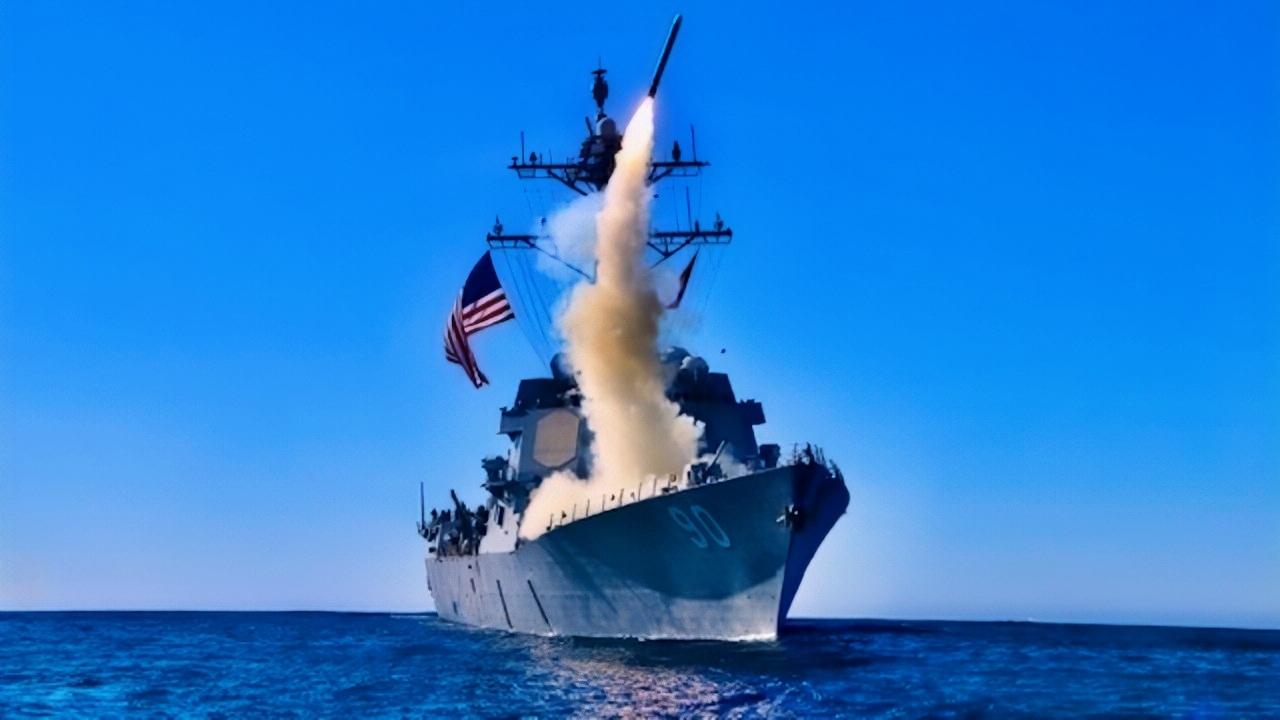
(Dec. 01, 2020) – The guided-missile destroyer USS Chafee (DDG 90) launches a Block V Tomahawk, the weapon’s newest variant, during a missile exercise. This event marked the first time a Block V Tomahawk missile was operationally tested, marking the Navy’s transition to a more advanced capability for the fleet. Block V includes an upgrade that will enhance navigation performance and provide robust and reliable communications. Chafee is currently assigned to Carrier Strike Group ONE and is homeported in Pearl Harbor. (U.S. Navy photo by Ens. Sean Ianno/Released)
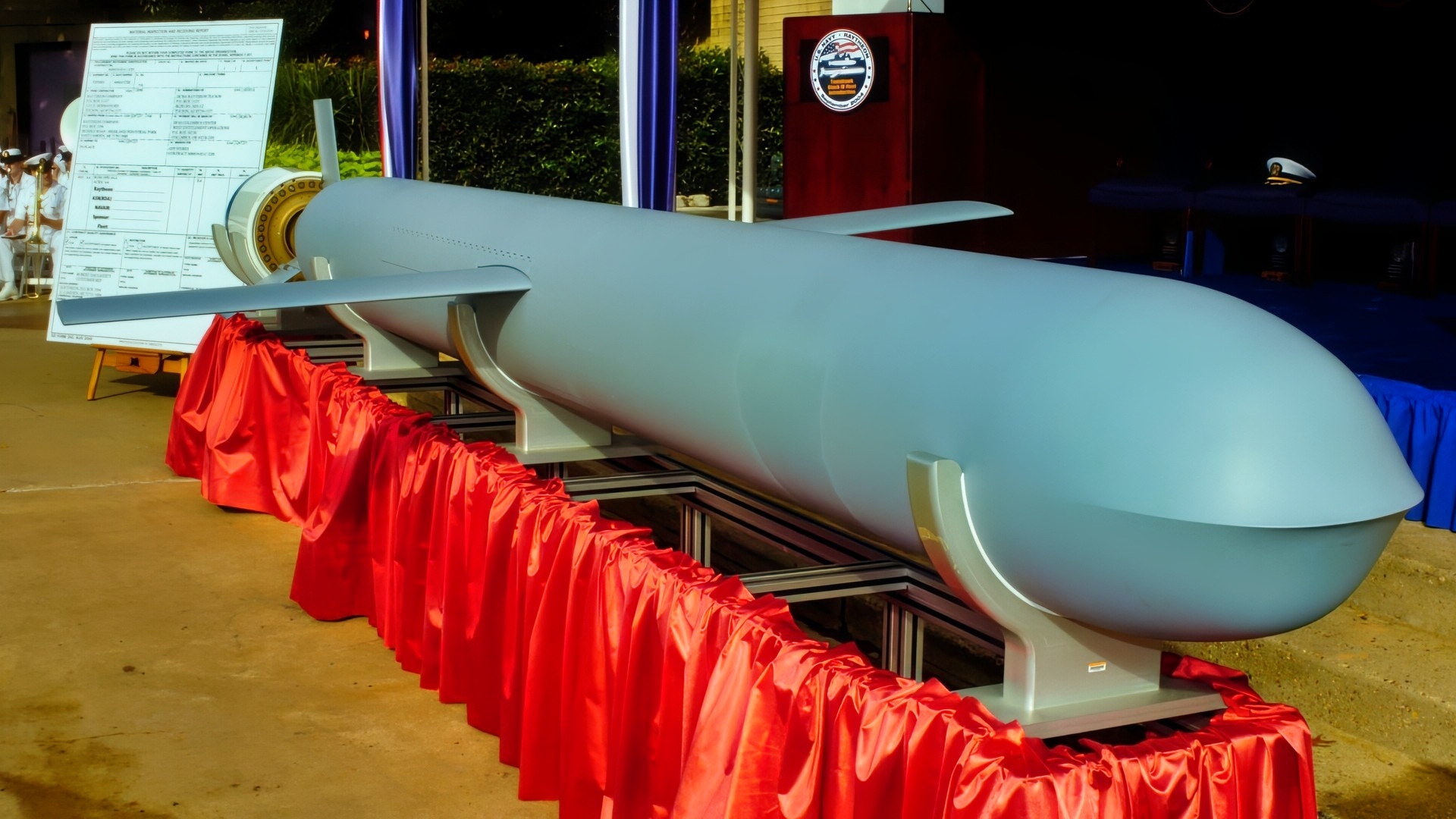
Tomahawk Block IV Missile. Image Credit: Creative Commons.
Fast forward to August 2026, and the Strait of Hormuz remains the deciding factor in how the war with Iran ends.
Passing Strait Through
For centuries, commercial shipping has passed through the Strait of Hormuz without let or hindrance. Bordered by Iran to the north and Oman to the south, the strait provides Gulf nations such as Qatar, Kuwait, the UAE and Bahrain with an easy route to export oil worldwide.
At its narrowest, the strait is 24 miles wide – well within range of Iran’s missiles. But until the war began in February this year, Iran had no reason to target non-military vessels which sought passage.
In the immediate aftermath of Operation Epic Fury, Iran closed the Strait of Hormuz, effectively prohibiting commercial vessels from passing through in either direction.
The mass bombardment soon ceased, but the shipping lane has remained closed ever since as President Donald Trump targets Tehran through economic sanctions, rather than long-range missiles and air strikes.
Iran’s Chokehold
Battered militarily, Iran’s main leverage has been its ability to render the Strait of Hormuz effectively closed. The knock-on effects have been felt not only in Gulf states that rely on vessels transiting through it, but also worldwide, as oil prices have risen sharply.
The last ace in Iran’s pack has earned the U.S. few supporters for a war whose necessity or purpose many question.
Negotiations to end the war – something Trump says he’s “not in a hurry” to do – have always had a key sticking point regarding who, if anyone, should control the strait.
Multiple Mediators
Given that the Strait of Hormuz is the main obstacle to any long-term solution, mediators from Oman and Pakistan have sought a compromise agreement which will end hostilities and reopen the shipping lane.
Qatar has also joined the mediation efforts, with its Prime Minister, Sheik Mohammed bin Abdulrahman Al Thani, meeting Iran’s Foreign Minister, Abbas Araghchi, on Thursday, 27th August. The two nations discussed an Iranian-Omani proposal to reopen the strait, with traffic passing wholly or partly through Iranian waters depending on the direction of travel.
“Discussion during the meeting dealt with the latest developments in the region and the efforts to de-escalate tensions and create a conducive environment for dialogue, thereby contributing to the enhancement of regional security and stability,” said Qatar’s foreign ministry on social media, adding “the necessity of respecting the sovereignty of neighboring countries and freedom of navigation, emphasizing the importance of continuing diplomatic efforts to de-escalate tensions and resolve disputes through dialogue,” was also raised.
For his part, Araghchi described the talks as “creative” and said diplomacy could resume should the U.S. cease its ongoing economic and military campaign.
Not Straightforward
Tehran and Washington differ on whether Iran has any jurisdiction over what can and cannot pass through the Strait of Hormuz.
Trump recognizes the strait as an international waterway – something his Iranian counterparts vehemently disagree with.
Perhaps what truly shows how far apart the sides are, and why mediators are increasingly ramping up their efforts, is the difference in approach.
Tehran’s demand that hostilities cease before the strait can fully reopen is being met by ever-increasing sanctions which, as of Monday, 24th August, extend to trading partners of the regime.
Therein lies much of the problem for those willing to bring the conflict to an end.
The warring nations have completely opposite views on the conditions for negotiation, let alone how the conflict itself is resolved.
Iran, far more reliant on the strait than the U.S., is arguably making concessions only because the closure has self-inflicted damage on its exports, which are reportedly 80% below pre-war levels.
Washington has overwhelming military superiority, but Tehran’s control over one-fifth of the world’s oil exports means it’s unwilling to budge from its initial demands.
Iran recognizes that American boots on the ground are highly improbable, and so, much like Trump, the regime is in no immediate hurry of its own to negotiate a long-term solution.
No matter what U.S. demands Iran agrees to, the regime will always have leverage while it controls the Strait of Hormuz.
Until that’s no longer the case, an end to the conflict is nowhere in sight.
About the Author: Shay Bottomley
Shay Bottomley is a British journalist. He has written for the Western Standard, Business Insider, Maidenhead Advertiser, Slough Express, Windsor Express, Berkshire Live and Southend Echo.