
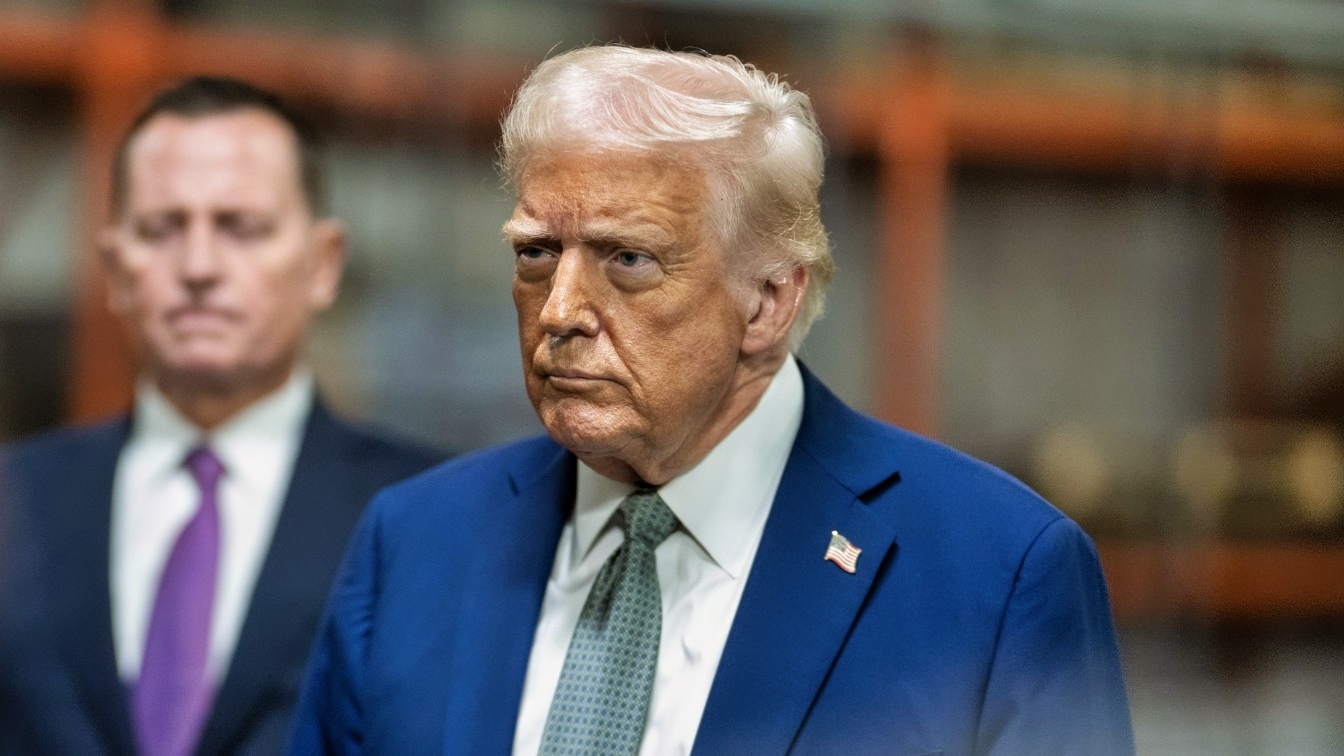
President Donald Trump published a surprise announcement last week, claiming that the United States was preparing to begin replenishing its badly depleted Strategic Petroleum Reserve using oil secured under a new agreement with Venezuela.
And on paper, the deal seems like a good one.
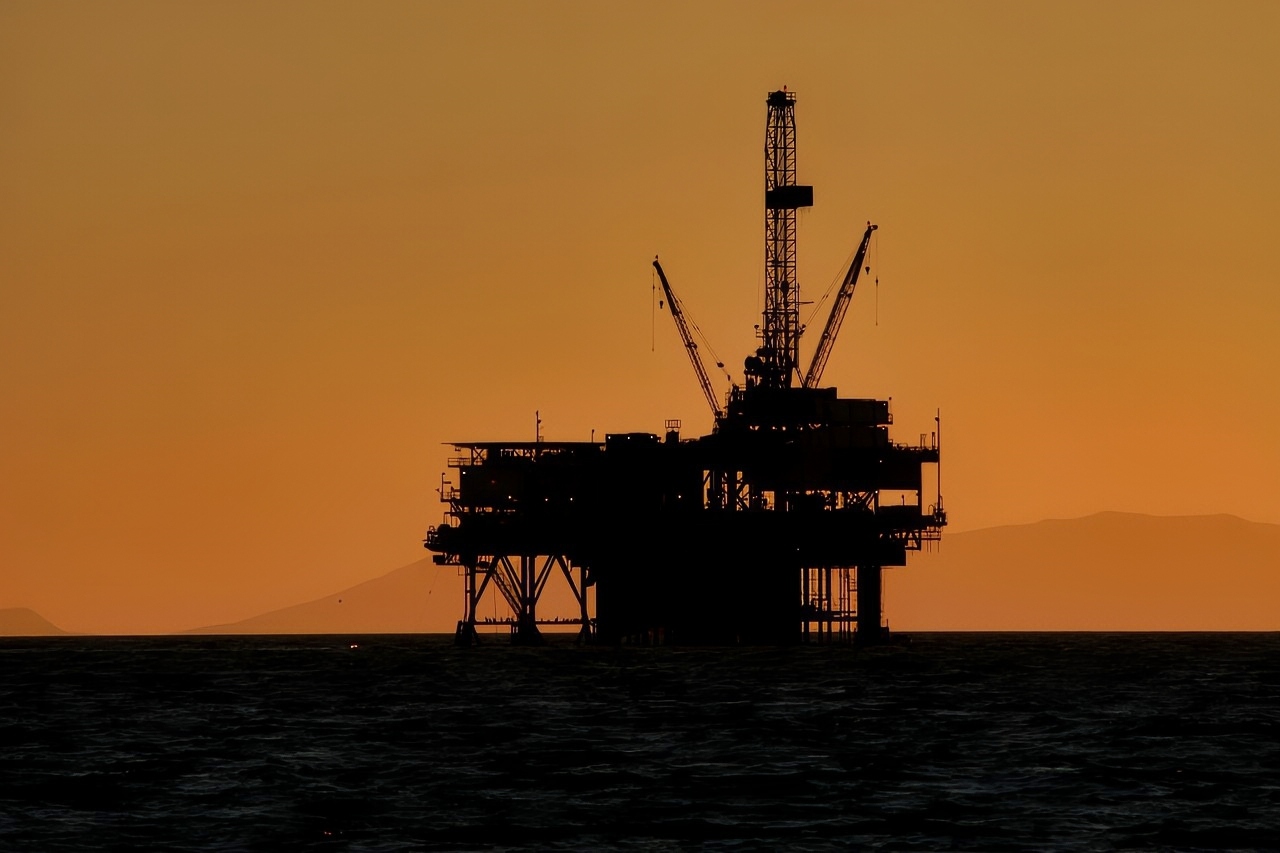
Oil Platform. Image Credit: Creative Commons.

Generic Oil Tanker Image. Image Credit: Creative Commons.
Trump says that the United States will gain majority control over more than 65 billion barrels of Venezuelan oil reserves — a huge boost that would more than replace the hundreds of millions of barrels lost throughout the disruption caused by the war in Iran.
But there’s a catch.
There are a few, in fact. First is getting that oil out of the ground, and second is getting it to the United States.
Then, the oil needs to make its way into America’s emergency stockpile — and even that comes with its own challenges.
Venezuela has confirmed the deal. We know it’s real.
But much of the oil President Trump is talking about will take years to develop, and Venezuela is already struggling to export what it currently produces.
There’s no doubt it is a positive development for the United States, and it could indeed bring economic prosperity to Venezuela, but anyone who hopes the deal will quickly replenish U.S. stocks may be badly disappointed to learn that this oil cannot simply be pumped directly into U.S. reserve facilities.
And even under the best possible circumstances, it could take years to complete.
What Trump Claims
The U.S. Strategic Petroleum Reserve is at its lowest level since 1982 — and with the Iran war raging on and traffic through the Strait of Hormuz still severely disrupted, the Trump administration is acutely aware of the fact that the reserve is at risk of being depleted even further.
That would be a strategic risk to the United States in such an unstable geopolitical environment, but depleting it entirely would also be impossible.
The SPR cannot be fully emptied of fluids, or the massive underground salt caverns that hold the oil will simply collapse.
Trump, then, knew something needed to be done — and the action taken in Venezuela last year now provides Washington with a rare opportunity to quickly gain access to huge volumes of oil.
And on Friday, August 28, Trump announced the “biggest oil deal in world history” with Venezuela.
Then, on Sunday, the president said that the United States would begin “topping out” the reserves “shortly,” and described the oil as a “gift from Venezuela to the People of the United States.”
The Deal Is Real – But Is Trump Overselling It?
Venezuela’s interim president, Delcy Rodriguez, confirmed that the new agreement will cover 17 strategic oil fields and run for at least 25 years.
“This 25-year bilateral project envisages the development of 17 strategic oil fields with a production target of more than 1.5 million barrels per day,” Rodriguez told state broadcaster VTV over the weekend.
“That figure relates solely to the bilateral agreement between Venezuela and the United States.”
The interim president also said the agreement sets an initial goal of 1.5 million barrels per day, with plans to expand production further over time.
The fields are estimated to contain 63.7 billion barrels of recoverable reserves, based on a 20% recovery factor.
It’s a huge figure, but it comes with several caveats.
First, the complete contracts have not yet been made public, and some energy experts and analysts have already publicly questioned exactly what President Trump means when he claims that the U.S. “controls” the reserves.
Venezuela maintains that it retains sovereignty over the resources.
Plus, President Trump’s suggestion that topping up the strategic reserve would be a “gift” to the United States is questionable, given that extracting the oil could first require around $100 billion in investment.
Replenishing Won’t Be Easy
There is another problem, too, in that much of Venezuela’s massive Orinoco reserves consist of extra-heavy crude oil, often described as “sludge.” That oil cannot simply be pumped into the Strategic Petroleum Reserve.
The Department of Energy says that the SPR does not hold heavy crude below 22.3 degrees API – the standard measurement of a crude oil’s density, with lower numbers indicating that the oil is heavy.
The SPR is not designed to contain oil as heavy as what Venezuela could, for the most part, offer to the United States.
That doesn’t mean Venezuelan oil is useless, but it does complicate matters.
Refineries can process heavy crude, and the U.S. may need to consider sending Venezuelan oil to refiners in exchange for U.S.-produced medium crude that could instead enter the SPR.
The administration, however, has not yet said how it intends to “top up” the SPR, and whether it would involve an exchange.
And then there’s the scale of the problem that Washington needs to consider.
The SPR currently holds around 286.6 million barrels and has a capacity of 714 million barrels. That leaves around 427 million barrels to replace.
Even if suitable crude were immediately available, filling that enormous gap would take years under anything but the most aggressive replenishment schedule – and it would need to occur at the same time Venezuela rapidly scales its own production via new investment and infrastructure.
The deal is real, and it could prove hugely positive for the United States – but it is far from a quick fix, and certainly won’t solve the world’s oil supply problems amid the ongoing war with Iran.
About the Author: Jack Buckby
Jack Buckby is a British researcher and analyst specializing in defense and national security, based in New York. His work focuses on military capability, procurement, and strategic competition, producing and editing analysis for policy and defense audiences. He brings extensive editorial experience, with a career output spanning over 1,000 articles at 19FortyFive and National Security Journal, and has previously authored books and papers on extremism and deradicalization.


