

WARSAW, POLAND – In his 1 September 2026 address, Ukraine President Volodymyr Zelensky declared that “the safe days in Russia’s skies are over.” He elaborated on the reason for his statement in saying that “drone-infested skies are no place for civilian aviation.”
The Ukrainian President Zelensky issued a warning to commercial air carriers and their passengers, stating that Russian airspace is “completely unsafe” due to the presence of Ukrainian drones operating throughout areas, including the corridors normally used by civilian and commercial aircraft.
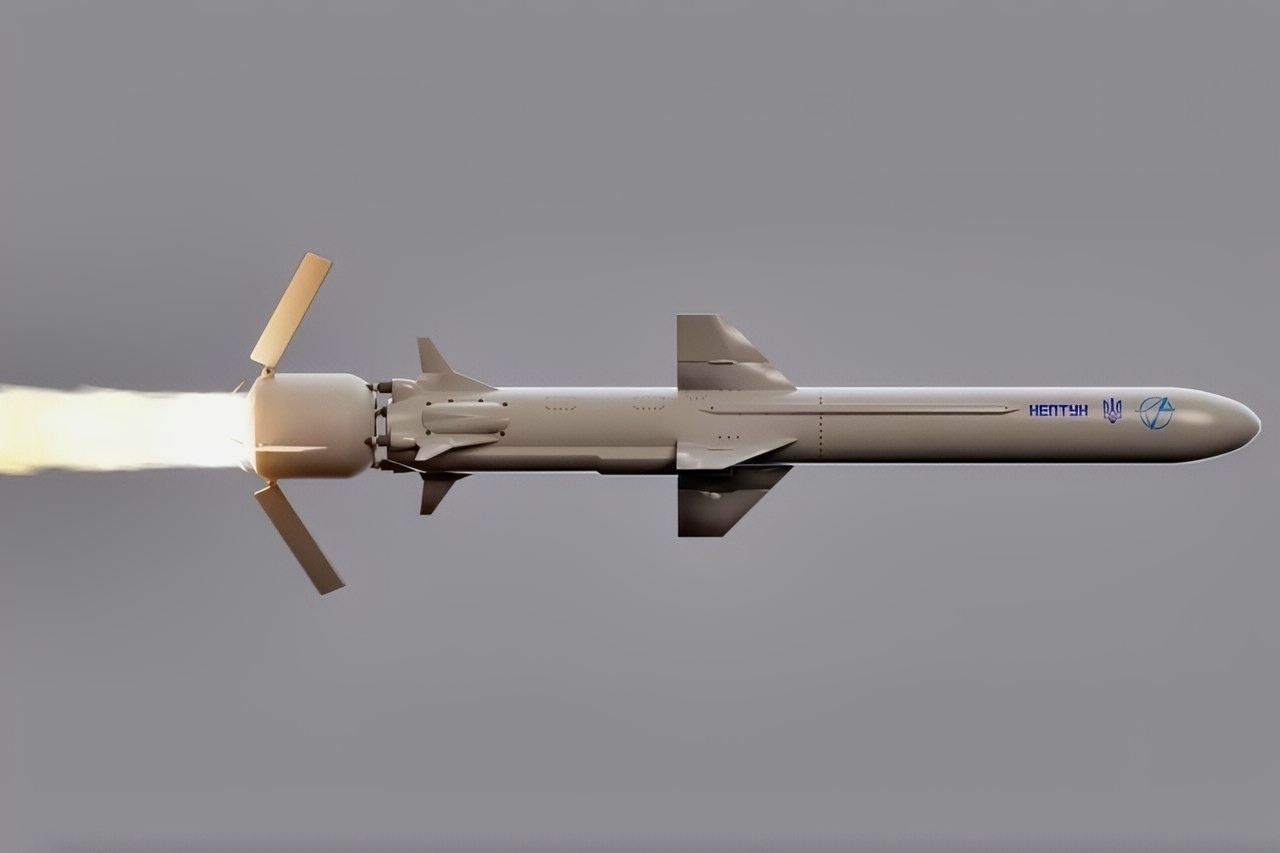
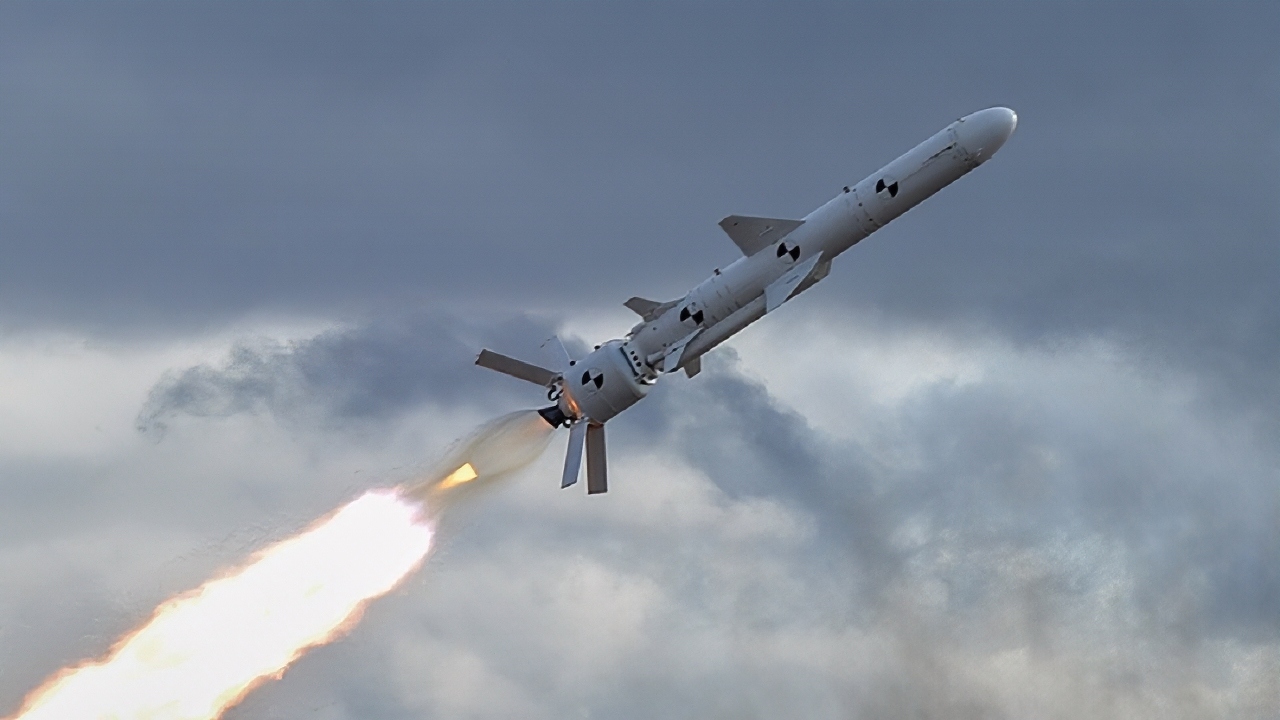
Neptune Missile. Image Credit: Government of Ukraine.
“Today, we want to warn every airline that uses Russian airspace, every insurer (emphasis added), and everyone who still uses Russia’s key airports: Russian airspace is becoming completely unsafe,” he said in his nightly address on Tuesday.
“Ukraine does not threaten civilian aviation as such – not a single civilian aircraft. There will simply be drones in Russia’s skies on a scale that has to be taken into account” by any non-military aircraft that regularly utilizes Russian airspace, he said.
Increasing Drone Warfare
Russian President Vladimir Putin has denounced Zelensky’s warning as “a declaration of state terrorism.” Kyiv is “asking us to resume negotiations… but you don’t negotiate with terrorists,” Putin responded in a televised news conference.
The war of words between the two leaders occurs as Russia intensifies drone strikes on the Ukrainian capital, Kyiv, and other cities following more than four years of war.
Zelensky said the latest missile and drone strikes have killed 12 people in the capital and other areas.
He added that many of the Russian drones are now powered by jet engines, making them far more challenging for Ukraine’s air defense forces (PPO).
The dramatic upsurge in the drone wars prompted Zelensky to say, “drone-infested skies are no place for civilian aviation,” he added. “The sky over Russia is currently for drones… as long as the war continues. We in Ukraine do not want innocent lives to be lost. That is why we are warning our partners.”
He explained further that at present the threat to commercial air traffic is largely – if not exclusively – due to the almost hourly-launched waves of Russian drones.
At the request of the US Trump Administration, Ukraine paused its strikes on Moscow for several days starting 25 August.
This was the date when the US CIA Director John Ratcliffe made a one-day visit to Moscow to meet with his Russian counterparts.
The visit has been reported as intended to warn the Kremlin that the US would respond to any attack by Russia on a NATO country.
Hitting Russia’s Revenue Stream
Air traffic at Russian airports has been regularly disrupted due to attacks by Ukrainian drones on targets inside Russia.
Past drone strikes on the Russian capital itself have shut down all four of the Moscow area airports more than once.
These attacks cause numerous disruptions and foment discontent and anger among the affected population. It also puts more than just a small dent in the revenue that air travel pours into the economy.
But the real price the Russian state would pay comes down to the warning to the key entity mentioned in Zelenskyy’s warning – the insurance firms covering the foreign commercial carriers.
“After the [July 2014] shootdown by Russian air defense forces of Malaysian Airlines flight 017, the issue of safety for airlines operating over Russia became a real hot-button subject,” said a former US intelligence official. “Any threat today of the potential for another disaster due to the Ukraine war weighs heavy on the minds of these air carriers – and their insurers.”
If foreign airlines decide that drone traffic over Russian airspace is too much of a risk and they either re-route their flights or cancel them altogether, Moscow stands to lose another source of badly-needed foreign currency.
For example, Chinese Airlines flying out of Amsterdam to Asia – the same route flown by the Malaysian flight in 2014 – pays $22 million every year in overflight charges for using the Russian air traffic management (ATM) network.
That is the cash flow from just one nation’s airlines flying from one foreign airport. Before the 22 February invasion of Ukraine, Rosaviatsia, the state ATM service, collected up to US $1.2 billion in overflight fees per year from foreign airlines.
The war in Ukraine forced a significant reduction in those fee payments, but it is still enough that it will hurt the Russian government’s already shrinking foreign revenue stream.
MORE – Putin Could Start a War with NATO
MORE – Trump Won’t Stop Thinking About Kharg Island
About the Author: Reuben F. Johnson
Reuben F. Johnson has thirty-six years of experience analyzing and reporting on foreign weapons systems, defense technologies, and international arms export policy. Johnson is the Director of Research at the Casimir Pulaski Foundation. He is also a survivor of the Russian invasion of Ukraine in February 2022. He worked for years in the American defense industry as a foreign technology analyst and later as a consultant for the U.S. Department of Defense, the Departments of the Navy and Air Force, and the governments of the United Kingdom and Australia. In 2022-2023, he won two awards in a row for his defense reporting. He holds a bachelor’s degree from DePauw University and a master’s degree from Miami University in Ohio, specializing in Soviet and Russian studies. He lives in Warsaw.


