

Record Diesel Prices – Diesel prices have soared in the United States to their highest level ever, putting more pressure on American consumers and causing more headaches for President Donald Trump as his party heads into the November midterms. The national average reached $5.85 per gallon on Friday, September 4, according to AAA data. It rose from $5.78 the day before.
That’s bad news, as so much is transported by diesel that there is bound to be a wide inflationary impact.
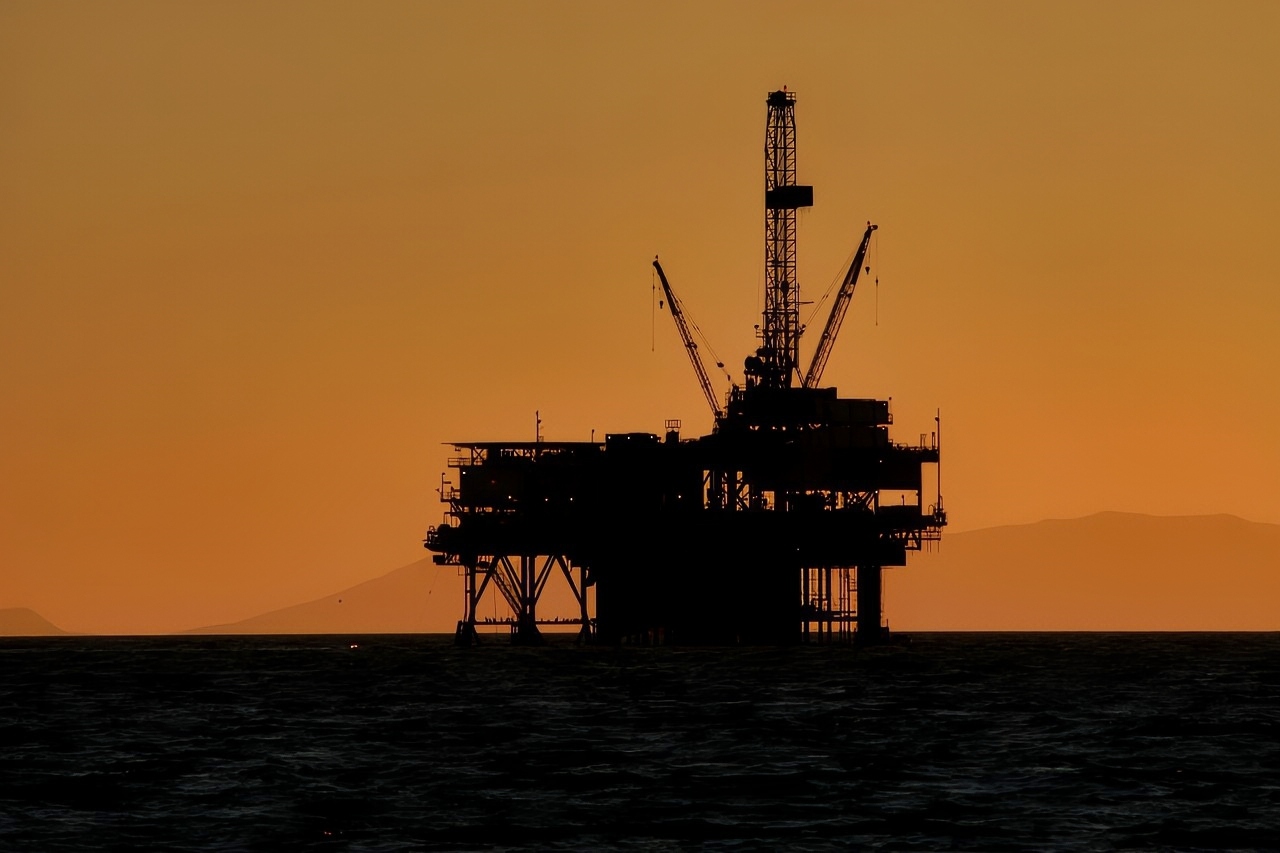
Oil Platform. Image Credit: Creative Commons.

Generic Oil Tanker Image. Image Credit: Creative Commons.
The new figure surpasses the previous record that was set in June 2022, months after Russia launched its invasion of Ukraine.
Compared with figures from before the war with Iran, the increase is shocking. In late February, before the U.S. and Israel launched their first wave of strikes against Iranian military sites, diesel averaged around $3.76 per gallon, meaning prices have risen by more than 55% in six months. Regular gasoline has also risen dramatically, reaching a national average of $4.15.
Diesel Crisis: Iran War Disrupts Global Energy Supplies
The cause of the price increase should come as no surprise.
The shock began as the U.S. and Israeli campaign against Iran began, and Tehran responded by instructing its military to disrupt traffic moving through the Strait of Hormuz, effectively holding the global oil trade hostage.
Before the conflict, around one-fifth of all global petroleum moved through the waterway — and although President Trump continues to claim that oil traffic through the Persian Gulf has recovered and the strait is open, shipping is still well below its pre-war level.
The ongoing disruption has pushed Brent crude above $95 per barrel, and while it remains below the worst-case estimate of $150 to $200, rising prices are still causing economic pain globally. Prices are up from around $70 before the war began.
Rising crude prices are only part of the problem, though, with refining capacity also constrained by refinery shutdowns and direct strikes at some facilities. The market is struggling to supply demand and turn available crude into sufficient volumes of diesel, gasoline, and other products.
The shortage is a major driver of higher refining costs. The U.S. Energy Information Administration said on Friday that the margins refiners make from turning crude oil into finished fuels have increased as supplies have declined.
Those margins are known as “crack spreads,” and the EIA said they are particularly high for diesel and other distillate fuels because refineries in Russia and the Middle East were previously major suppliers of those products.
It means that the war between Ukraine and Russia is also contributing to the higher prices.
Ukraine Knocks Russian Refineries Offline
The war in Iran has been a primary driver of rapidly rising prices, but the White House is acutely aware that long-range Ukrainian drone and missile strikes against Russian energy infrastructure are also causing refinery capacity shortages and rising prices.
Russia is, after all, one of the world’s largest exporters of refined petroleum products, and sustained Ukrainian strikes have forced many refineries offline and prompted Russia to seek petroleum products from overseas refiners, thereby contributing to global supply shortages.
Moscow also introduced a diesel ban on July 8, and after initially planning to end the restrictions by the end of the month, the ban has been repeatedly extended.
Russia is now expected to maintain restrictions on producer exports through September, though with continued Ukrainian strikes, there is no reason to believe they will remain in place any longer. Jet fuel exports have also been restricted through November.
The damage done by Ukraine is substantial. The Kyiv School of Economics calculated that Russian oil product exports fell by 31.6% month-over-month in July to 1.36 million barrels per day — the lowest level it has ever recorded.
U.S. Refiners Are Helping Fill the Gap
As Russian barrels disappear from the market and Middle Eastern supplies get caught up in Hormuz disruption, American refiners are taking the opportunity to help fill the gap as best they can.
U.S. diesel exports reached record levels in August as overseas buyers competed for supplies, while high refining margins encouraged American plants to process as much crude as possible. The United States has effectively become an increasingly important supplier to countries scrambling to replace missing Russian and Middle Eastern fuel — but it can’t handle the entire load.
China is also responding, with Reuters reporting this week that Chinese refiners are expected to export slightly more than 4 million metric tons of gasoline, diesel, and jet fuel in September, compared with an average of around 3 million tons per month last year. Over 1 million tons of expected exports in September will be diesel.
The situation could worsen as winter approaches, with East Coast diesel inventories already down to a record 19.3 million barrels as seasonal demand for heating oil begins to rise.
About the Author: Jack Buckby
Jack Buckby is a British researcher and analyst specializing in defense and national security, based in New York. His work focuses on military capability, procurement, and strategic competition, producing and editing analysis for policy and defense audiences. He brings extensive editorial experience, with a career output spanning over 1,000 articles at National Security Journal, and has previously authored books and papers on extremism and deradicalization.


