

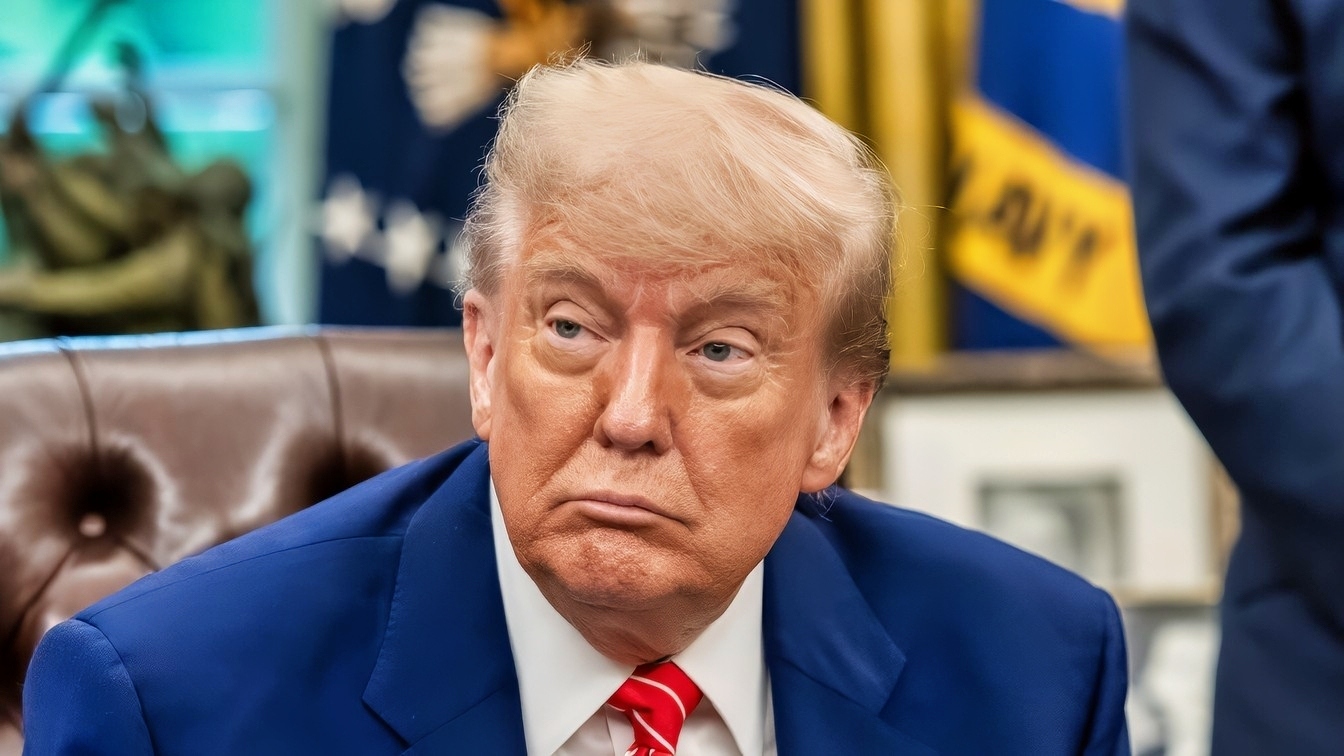
President Donald Trump is signaling that the United States does not intend to settle the Iran war with any sort of return to the prewar status quo. Speaking from the Oval Office, Trump said the US is going to “win” the war. “We’re going to win,” Trump said. “As far as I’m concerned, it’s going to be one way or the other.” The remarks come as the diplomatic track appears increasingly uncertain. The question now is what Trump would deem a sufficient victory. It seems he is presenting Iran with the option of accepting a settlement based on tougher US terms, or maintaining military and economic pressure until Tehran submits. Unfortunately, neither path is necessarily guaranteed to produce a quick resolution.
The Immediate Dispute: Iran vs. Trump
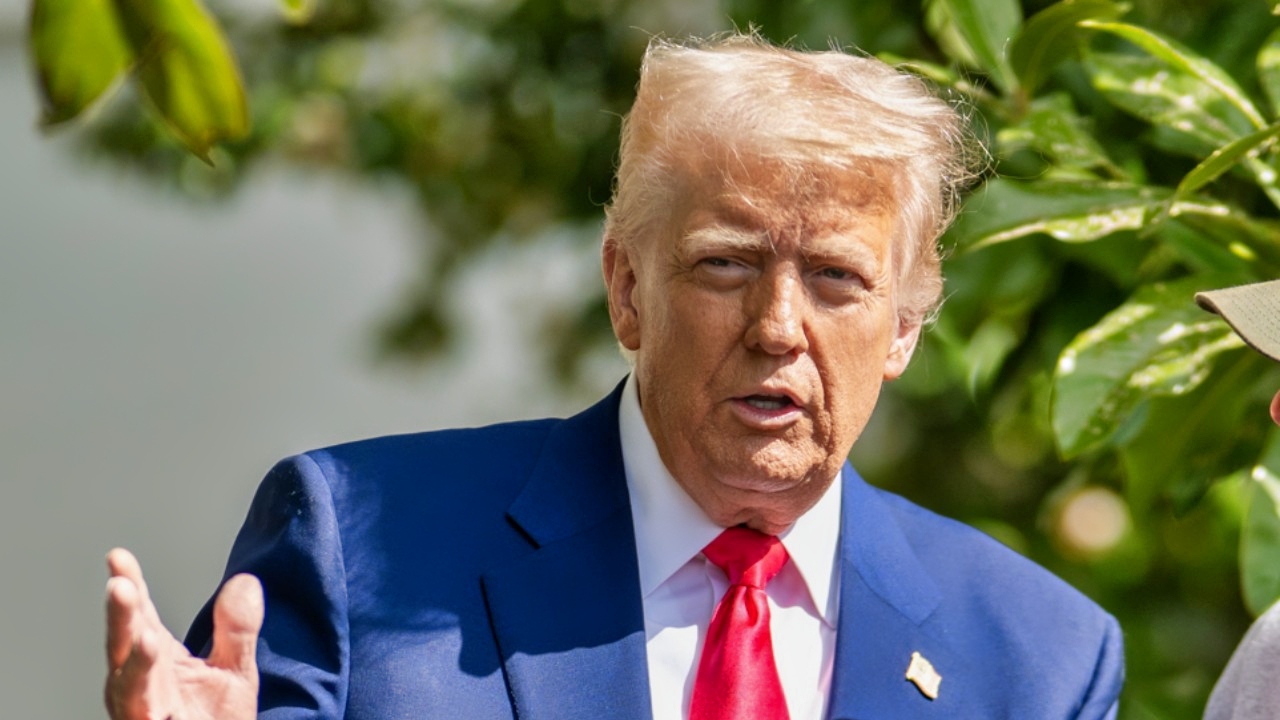
President Donald Trump participates in a commemorative tree-planting ceremony at the South Portico of the White House, Tuesday, April 8, 2025, to replace the Jackson Magnolia with a descendant sapling. (Official White House Photo by Daniel Torok)

Vice President JD Vance attends a bilateral meeting with President Donald Trump and Israeli Prime Minister Benjamin Netanyahu, Monday, April 7, 2025, in the Oval Office. (Official White House Photo by Emily J. Higgins)
Negotiations have reportedly focused heavily on the reopening of the Strait of Hormuz.
Of course, the strait is one of the world’s most important energy chokepoints. Historically, around one-fifth of global petroleum liquids consumption has passed through it.
But Iran has restricted traffic during the current conflict while the US has imposed naval pressure and a blockade against Iranian ports. Through Qatari mediation, Tehran has reportedly proposed a temporary framework, demanding a regional ceasefire (which includes Lebanon), the unfreezing of $12 billion in Iranian assets, energy-sanctions relief, and the end of the US naval blockade.
In exchange, Iran would reopen the Strait and move toward an end to hostilities. But Trump rejected the proposal. His argument is that Iran’s bargaining position is considerably worse than it was before the war and, therefore, Washington shouldn’t make concessions.
Take Your Time
Trump seems to believe that continued pressure will only continue to improve the US bargaining position. As Iran has suffered military damage during the conflict and its economy is under substantial pressure, Trump believes time will serve to further degrade the Iranian position. Restrictions on Iranian energy exports intensify that pressure, compounding the effect.
And continued US naval and economic pressure will serve to reduce Tehran’s resources and increase the incentive to accept Washington’s demands.
Trump, according to this logic, has little incentive to grant Tehran sanctions relief solely for the sake of temporary de-escalation.
Iran’s Take
But Iran gets a say, too. Economic coercion doesn’t automatically produce capitulation, as has so far been demonstrated.
Tehran can conclude for itself that it has more to gain by continuing the conflict than by accepting Trump’s terms.
Iran doesn’t seem impressed with Trump’s tactics, accusing Washington of coercion and bullying. This doesn’t mean diplomacy is dead, as negotiations have been stopping and starting for months.
But the immediate positions appear to be far apart. The US wants concessions before offering economic relief; Iran wants relief as a pathway towards concessions. The sequencing here is incompatible, meaning someone won’t achieve their preference.
Defining Victory
When Trump says that the US will “win,” it raises questions about what exactly constitutes winning. Possible US objectives include ending the Iranian nuclear program or imposing major restrictions, reopening the Strait of Hormuz, reducing the Iranian ability to threaten regional shipping and US forces, and securing an acceptable end to the hostilities.
Of course, Washington could achieve some of these objectives without achieving all of them. Would that suffice? What seems clear is that the US can destroy targets without compelling the Iranian government to accept specified political conditions. That’s been the case for months.
For the US, the path forward likely involves continued pressure. Specifically, maintaining sanctions, restricting Iranian oil revenue, continuing maritime pressure, and preserving the ability to conduct additional strikes—all while keeping the diplomatic channel available.
The goal is to make the cost of resistance unacceptable to Tehran. This would avoid an immediate ground invasion while preserving bargaining leverage. The downside, of course, is that this route could lead to a prolonged war of attrition.
Iran has already survived decades of sanctions and intense economic pain; there is no guarantee Tehran will change its position now just because of sustained economic pressure.
Trump’s words also implicitly preserve the option of military re-escalation.
If negotiations or economic pressure fail, the US can intensify air and missile strikes. But we’ve seen how effective that route is.
About the Author: Harrison Kass
Harrison Kass is a writer and attorney focused on national security, technology, and political culture. His work has appeared in Tablet, City Journal, The Hill, The Spectator, and The Cipher Brief. He holds a JD from the University of Oregon and a master’s in Global & Joint Program Studies from NYU. More at harrisonkass.com.


