

U.S. President Donald Trump denied on Monday, September 28, that he had offered Iran sanctions relief or access to frozen assets. His claim contradicted reports that his administration was preparing to offer economic concessions to Tehran in exchange for progress on Tehran’s nuclear program. The reports from Axios and CNN on Monday cited unnamed U.S. officials who claimed that the president was prepared to consider economic concessions as part of an agreement.
Writing on Truth Social, however, the president claimed that the stories were untrue.
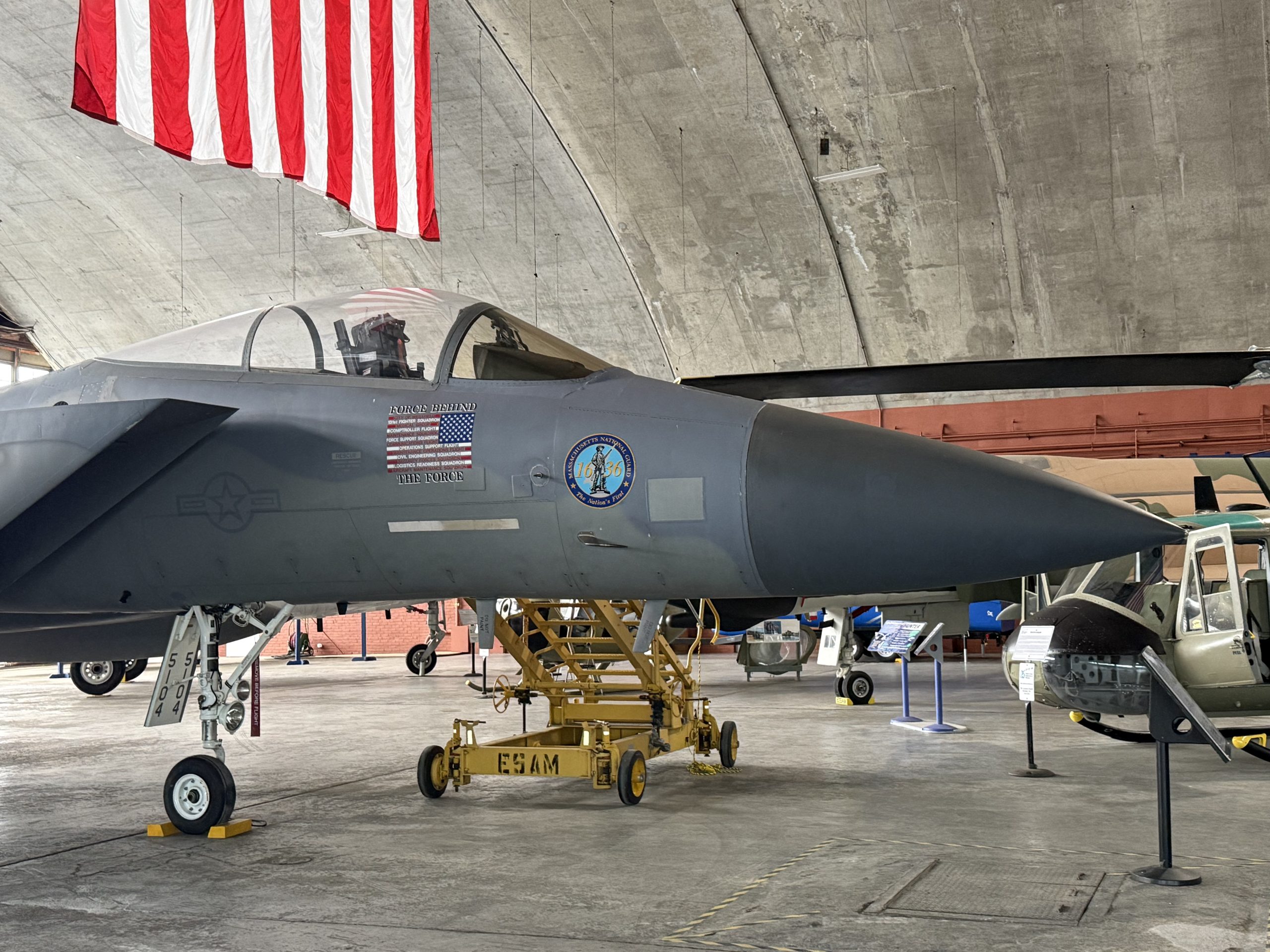
F-15 in museum. National Security Journal Photo.
What Trump Claimed
In a Truth Social post, the president claimed that the stories citing unnamed U.S. officials were hoaxes.
“Axios just released a story that ‘Trump’ offered Sanctions Relief and Frozen Funds to Iran. This is untrue,” he said.
“I offered them NOTHING! Axios’ story, like most others, is a HOAX, used only for purposes of satisfying their Trump Derangement Syndrome. They should withdraw this fake story, IMMEDIATELY!” he continued.
What Was Claimed
According to the reports, U.S. officials believe that Washington may be prepared to ease financial restrictions on Iran and restore access to frozen funds held in overseas banks. That would represent a major series of concessions from Washington, but they would only be offered in exchange for concrete action that stops Iranian nuclear activities and ensures that no clandestine efforts to continue building nuclear weapons follow.
A U.S. official familiar with indirect talks told Axios that there would be no agreement unless Iran is willing to concede on its nuclear program. The same official described ongoing discussions as positive and constructive, but acknowledged that neither side had yet settled the order of their commitments, noting that both sides remain far apart.
A report by the Jerusalem Post also claimed that a U.S. official had confirmed Trump was willing to make the concessions.
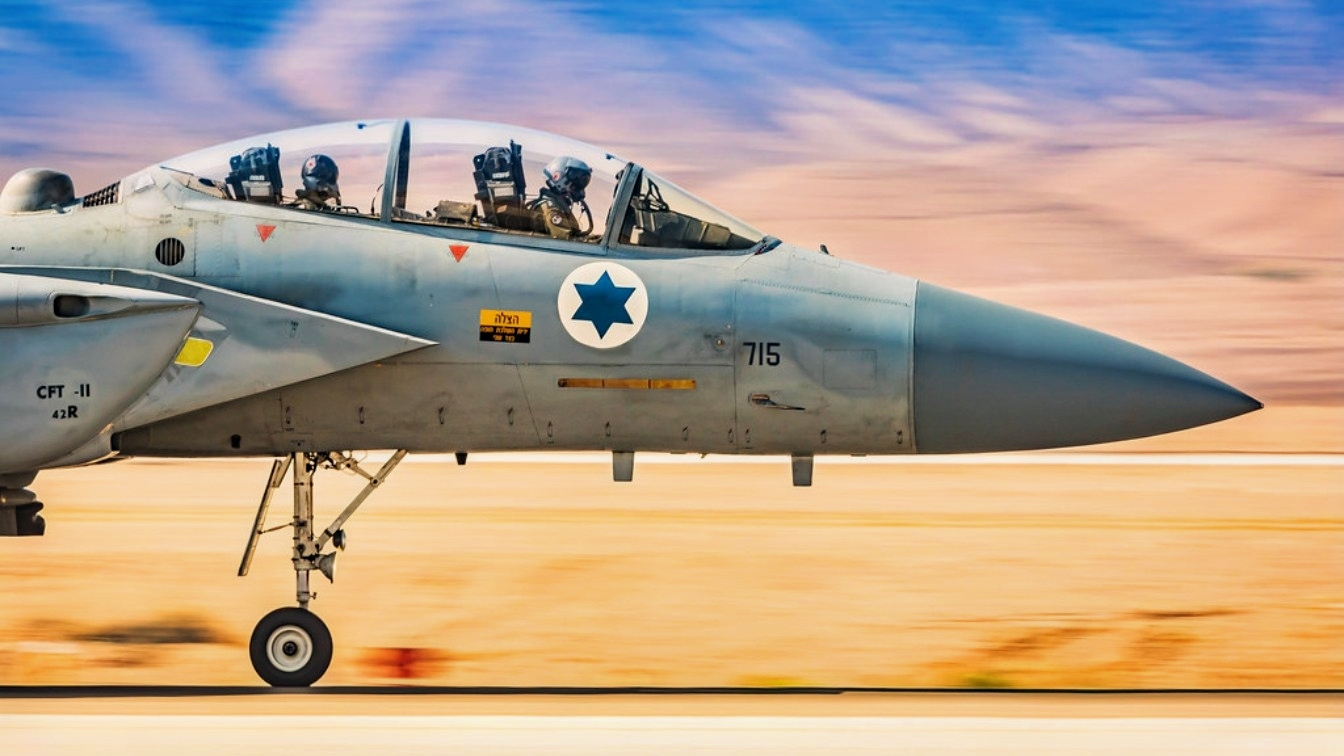
Israeli Air Force F-15I Image Credit IDF
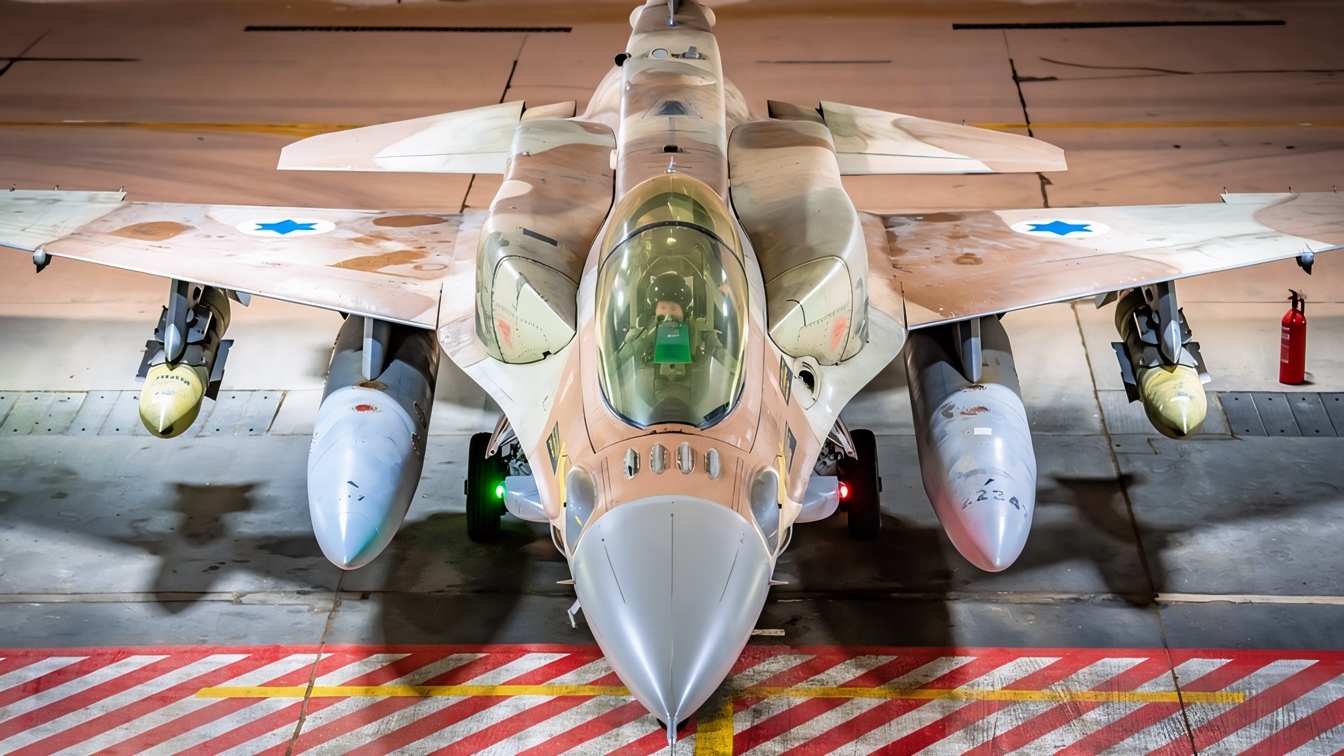
Israeli F-16I Fighter. Image Credit IDF
Why Nuclear Matters
Trump made preventing Iran from developing a nuclear weapon a critical condition for ending the war at the very beginning of the conflict. When he announced the U.S. military operation on February 28, he said:
“It has always been the policy of the United States, in particular, my administration, that this terrorist regime can never have a nuclear weapon.”
“I’ll say it again. They can never have a nuclear weapon. That is why in Operation Midnight Hammer last June, we obliterated the regime’s nuclear program at Fordow, Natanz and Isfahan. After that attack, we warned them never to resume their malicious pursuit of nuclear weapons, and we sought repeatedly to make a deal.”
A failure to reach a deal with Iran on preventing the development of a nuclear weapon, or indeed stopping the continued development of nuclear weapons through force, would therefore be a failure to reach the stated goals of the military operation – per Trump’s own words.
Following the announcement of an interim agreement with Iran in mid-June, Trump told reporters in Evian-les-Bains, France, that the only thing that matters to him is preventing Iran from building a nuclear weapon.
“The only thing that really matters to me is Iran will never have a nuclear weapon, and it says it loud and clear,” Trump said, adding that “all hell will rain down” on Iran if it sought to acquire one.
Will Iran Budge?
Before leaving New York on Tuesday, September 29, Iranian Foreign Minister Abbas Araghchi disputed the U.S. account of Tehran’s willingness to concede its nuclear program, insisting that Tehran’s position remains unchanged.
Speaking to reporters, Araghchi said that the “only issue is the Strait of Hormuz,” and challenged claims that Iran was willing to scale back its nuclear ambitions or end the program entirely.
Araghchi said Iranian representatives had met with a Qatari mediator, who would take the ideas discussed at the meeting to Washington. According to Iran International, he hoped to receive a response from Washington by Tuesday, but planned to return to Tehran rather than wait in New York.
Washington Says No Economic Relief Without This
Washington continues to object to providing economic relief before receiving major concessions from Iran.
Speaking to Jake Tapper on CNN’s “State of the Union” on Sunday, September 27, U.S. Ambassador to the United Nations Mike Waltz said Iran wanted sanctions relief and access to frozen assets before substantive negotiations.
“The bottom line is they were asking for everything up front with a promise that they would then talk,” Waltz said.
He also accused the regime in Tehran of violating an earlier agreement by attacking international shipping. Iran’s latest proposal, outlined by Araghchi outside the U.N. Security Council on September 25, would reopen Hormuz on the sixth day after American acceptance and start negotiations on a final agreement on day seven.
President Donald Trump rejected the proposal from Iran the following day, however.
About the Author: Jack Buckby
Jack Buckby is a British researcher and analyst specializing in defense and national security, based in New York. His work focuses on military capability, procurement, and strategic competition, and he produces and edits analysis for policy and defense audiences. He brings extensive editorial experience, with a career output spanning over 1,000 articles at National Security Journal, and has previously authored books and papers on extremism and deradicalization.


