

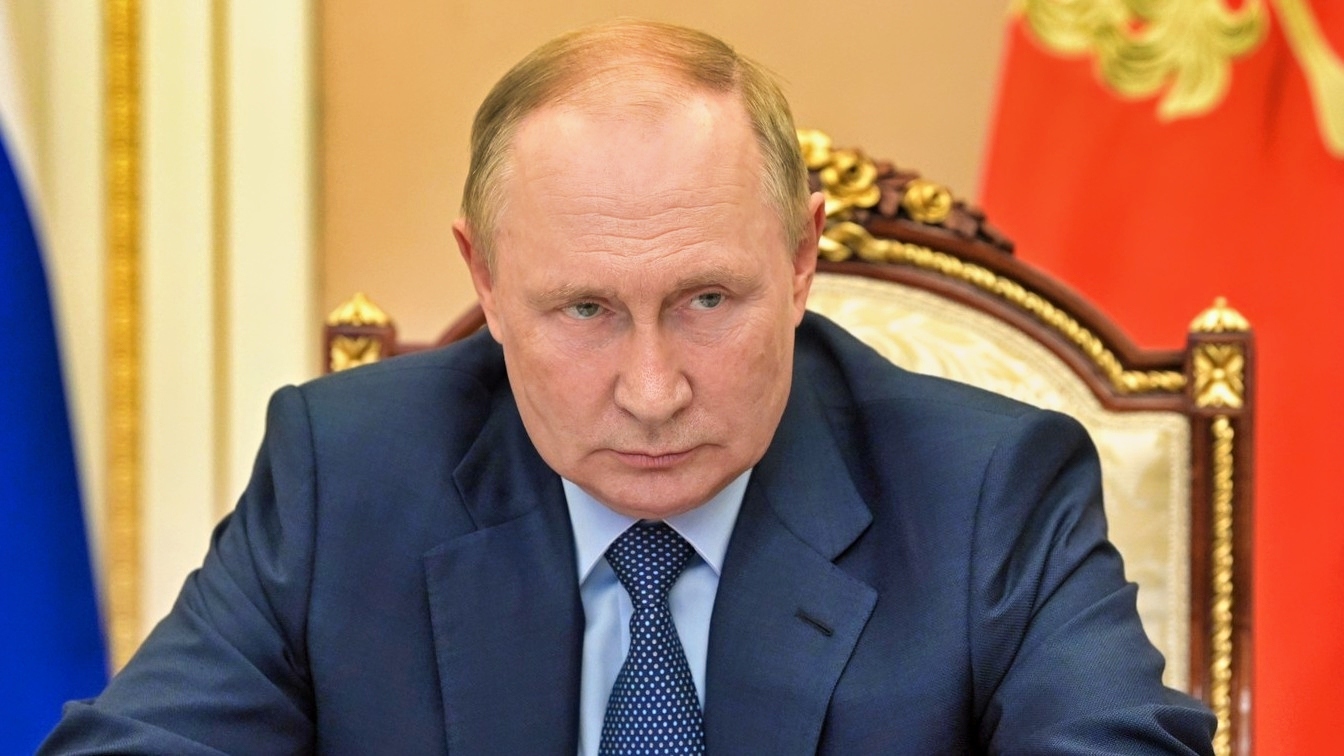
North Korea is preparing to send thousands more of its troops to Russia for combat in Ukraine, according to Kyiv. Taking to X, formerly Twitter, Ukrainian President Volodymyr Zelensky outlined the scope of Russia’s expanding axis to foreign countries — and the Kremlin’s recruitment of their soldiers — in stark terms. But he affirmed that his administration would “inform every relevant government” about how their citizens are involved in fighting on Russia’s behalf against Ukraine. One of the largest, and perhaps most concerning, sources of manpower for the Kremlin? North Korea.
“We also have new data on the deployment of North Korean troops to Russia,” Ukrainian President Zelensky detailed. “There are currently more than 8,000 North Korean troops on Russian territory. In addition, preparations are underway to deploy another 10,000 troops – they are being selected for training and subsequent deployment to Russia.”
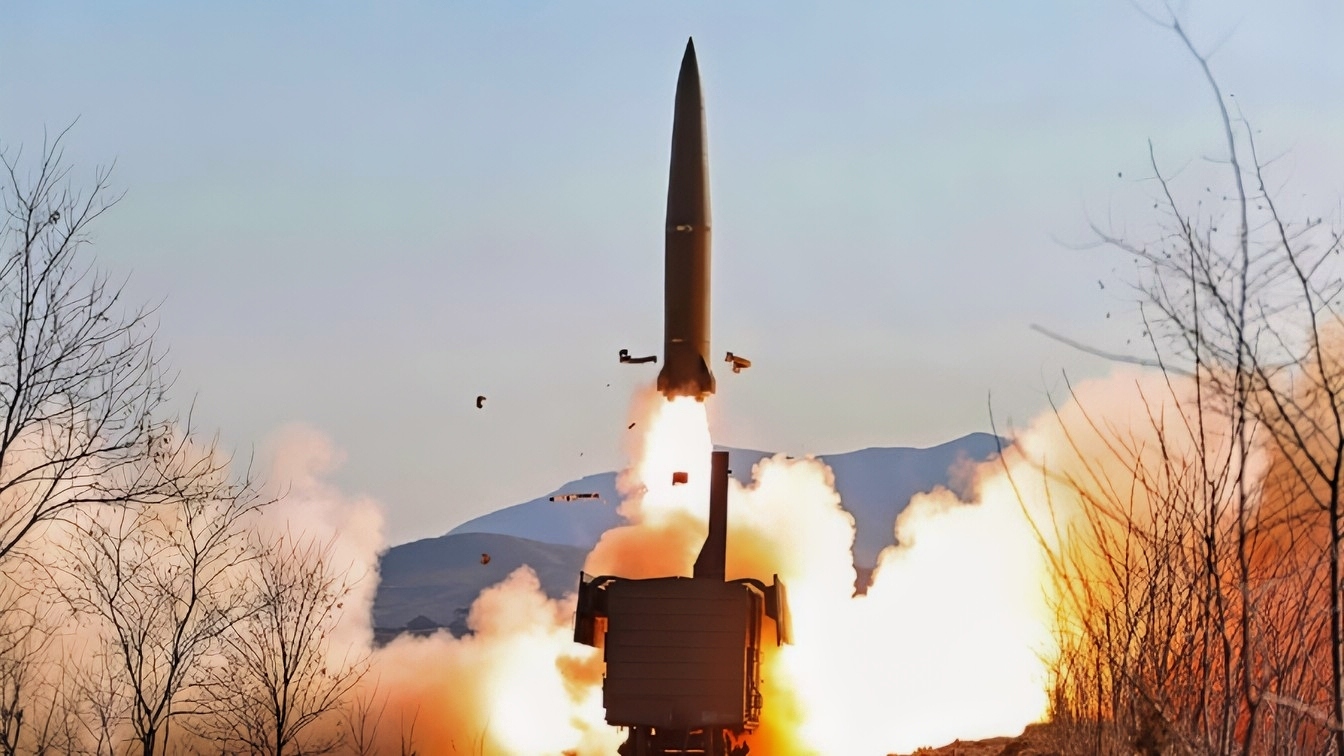
North Korea KN-23 Missile DPRK State Media
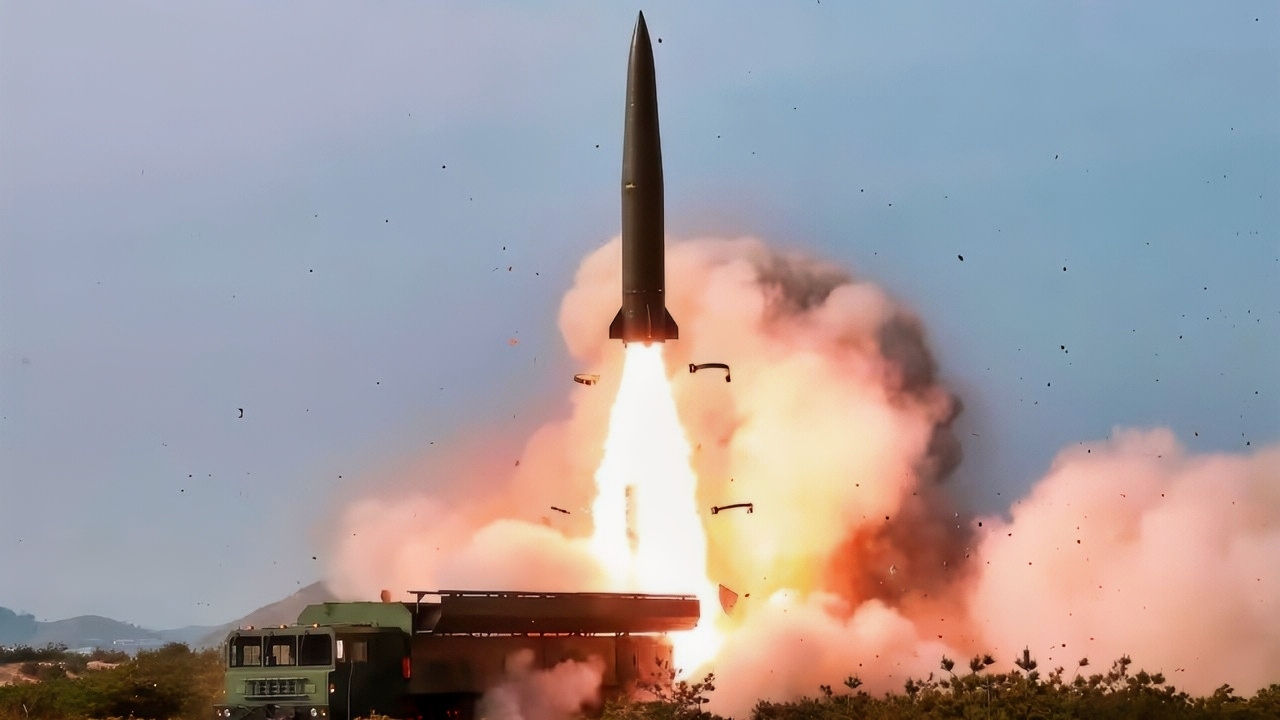
North Korea Missile Test Creative Commons Image
The majority of Pyongyang’s forces are believed to have fought in Kursk and are being used by Russia to expel Ukrainian troops from that area of Russia.
“In return,” he elaborated, “Russia is paying, among other things, with technology: production of Shahed-type attack drones has been established in North Korea with Russian technical support. This is how evil encroaches, and how a threat to life in one part of the world spreads to other parts. This can only be overcome together.”
Losses Mounting
Russia’s losses in Ukraine have been staggering.
According to one estimate earlier this summer by the Center for International and Strategic Studies, a think tank, Russia may have suffered 1.4 million casualties and counting — of which 450,000 are dead.
The numbers represent the highest battlefield casualties the Kremlin has suffered in any war it has fought since the end of the Second World War.
Russia’s losses in Ukraine have been so staggering that Moscow has been forced to source fresh recruits from increasingly far-off places, including countries in South America, in particular Colombia, as well as from North Korea.
And while the previous 8,000-strong North Korean contingent, augmented by 10,000 more, is unlikely to decisively turn the tide of the war in Russia’s favor, it does aid a beleaguered Russian war machine.
Earlier this summer, the Ukrainian president said that perhaps up to 50,000 North Korean soldiers could ultimately be sent to Ukraine to fight on Russia’s behalf.
In one remarkable instance, President Zelensky explained that Ukraine had transferred two North Korean soldiers, captured in Ukraine, to South Korea.
The admission caused a significant diplomatic kerfuffle, with Seoul insisting that the transfer was meant to be kept secret, and Kyiv denying that such an agreement existed. But the information came on the heels of an agreement earlier this summer in which South Korea announced a $100 million aid deal for Ukraine, and the prisoner transfer may have been part of that agreement.
North Korea has proven a not-insignificant source of ammunition for Russia as well, supplying the Kremlin with thousands of rounds of artillery and rockets as well as other weapons, seemingly in return for Russian aid with Pyongyang’s small missile program, and perhaps other aspects of its military as well.
Operation Vivaldi
Ukrainian forces have enjoyed a raft of recent successes, including the recapture of a wide swath of territory in Ukraine’s eastern Donbas region.
That push, dubbed Operation Vivaldi by Kyiv, has retaken an estimated 176 square kilometers, or nearly 68 square miles, from Russia.
Though a modest figure, the push represents one of the largest and most significant pushbacks by Kyiv since the 2023 summer counteroffensive, which ultimately stalled and ended with the establishment of more static, deeply entrenched lines in Ukraine’s east.
And while modest, the gains represent real, concrete evidence of Ukraine’s ability to slowly, if methodically, claw back parts of the country — and, perhaps equally importantly — to show the current American administration that even if prior rounds of talks with Moscow ultimately led nowhere, Ukraine has the manpower and ability to affect change on the ground on its own.
Winter Approaching
Though eking out some success on the battlefield, the situation for Ukraine’s civilian population looks increasingly dire.
With Ukraine’s notoriously bitter winter months just over the horizon, Russia has leveraged its war economy to build an enormous amount of munitions with which it has targeted a variety of civilian targets.
Ukrainian Railways, the state-owned rail firm that has proven the resilient lifeblood of Ukraine and ferried people and goods throughout the country — largely on time despite the war — has found itself in Russia’s crosshairs.
About the Author: Caleb Larson
Caleb Larson is an American multiformat journalist based in Berlin, Germany. His work covers the intersection of conflict and society, focusing on American foreign policy and European security. He has reported from Germany, Russia, and the United States. Most recently, he covered the war in Ukraine, reporting extensively on the war’s shifting battle lines from Donbas and writing on the war’s civilian and humanitarian toll. Previously, he worked as a Defense Reporter for POLITICO Europe. You can follow his latest work on X.


