
U.S. Calls for Europe to Release Diesel Reserves – The United States has urged European countries to release diesel reserves amid a global shortage of the vital commodity.
Prices have skyrocketed to record highs across the U.S. and Europe as conflicts in the Middle East and eastern Europe limit global supplies.

President Donald Trump attends UFC 314 at the Kaseya Center in Miami, Florida, Saturday, April 12, 2025. (Official White House Photo by Daniel Torok)

President Donald Trump attends UFC 314 at the Kaseya Center in Miami, Florida, Saturday, April 12, 2025. (Official White House Photo by Daniel Torok)
This follows domestic pressure on Donald Trump’s administration, with several Republicans calling for an export ban on diesel to curb rising costs.
Record Highs
Diesel prices reached record highs in the U.S. last month, peaking at a nationwide average high of $6.53. The cost per gallon has since dipped, but remains at an eye-watering $6.37 according to the American Automobile Association.
Europe too has suffered from rising costs. On Friday, 2nd October, the average price per liter in the United Kingdom surpassed £2 (approximately $2.65) for the first time.
Diesel prices typically rise after summer because heating oil demand surges seasonally. Expanded agricultural activity also increases demand, while refineries typically use Fall to conduct maintenance ahead of the annual switch to winter-grade diesel. Combined with ongoing conflicts in Eastern Europe and the Middle East, a growing shortage is causing problems across the United States.
The spike impacts consumers as much as producers. Drivers of diesel-powered automobiles notice a higher bill at the gas station, and the higher cost of diesel used in food production and transport is passed on to grocery-store consumers.
This strain on Americans’ wallets has prompted more Republican lawmakers and candidates to call for a diesel export ban, which President Trump is reportedly considering.
Release “Immediately”
As the world struggles with higher prices, calls are growing for European nations to release available reserves. On Thursday, 1st October, Treasury Secretary Scott Bessent urged Europe to support U.S. “commitments to help stabilize global energy markets.”
“Our European partners should accelerate delivery on their existing commitments and make additional supplies immediately available to address ongoing disruptions,” Bessent said on social media. “American farmers, truckers, and businesses should not be left carrying the burden of a global diesel shortage. America is doing its part. We look to our allies to match their commitments with action.”
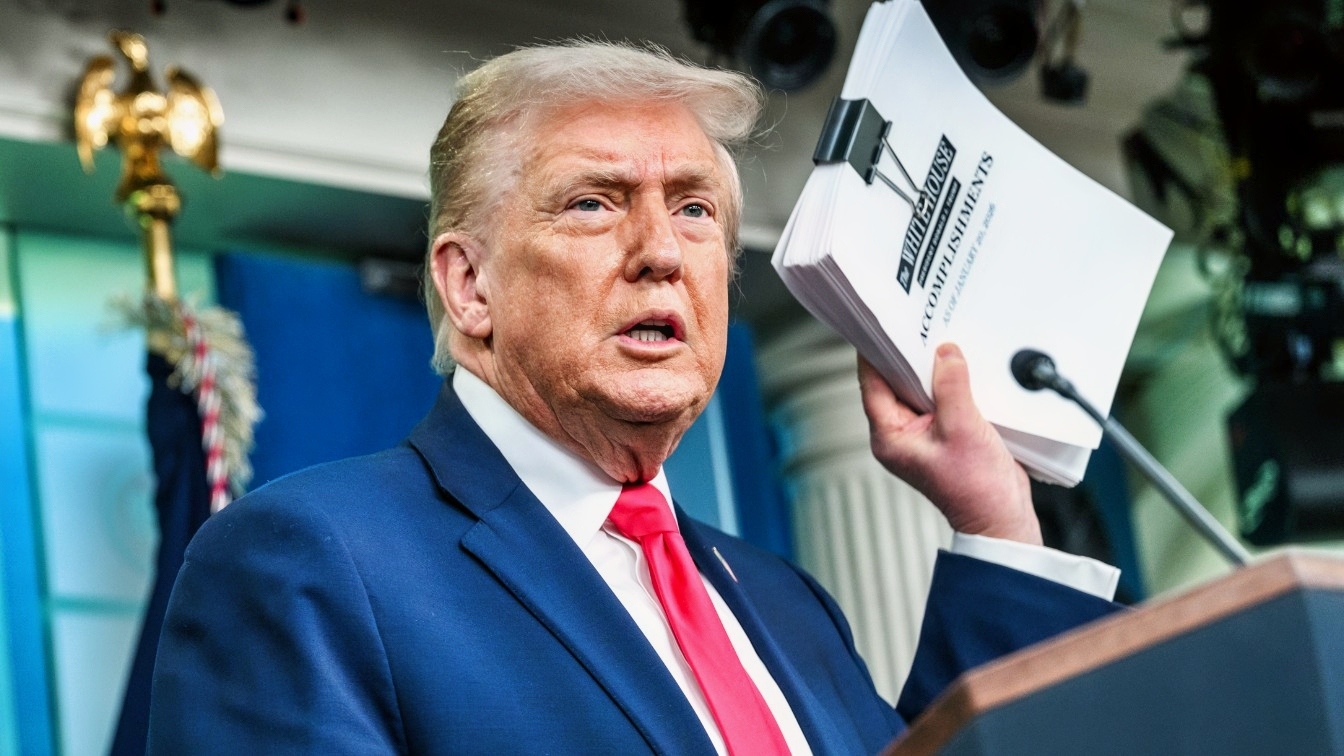
Trump echoed this suggestion on Thursday, telling reporters that he “may” ask European nations to release diesel reserves.
European Union trade chief Maroš Šefčovič said the EU had discussed this with the U.S. at a G20 meeting in Milwaukee this week.
“We have every interest in working together on lowering the prices, be it on diesel or also other products from oil and gas supplies,” Šefčovič said, according to Reuters.
Export Ban Fading
Trump has faced calls from within his own party to introduce an export ban. Such a move would keep diesel in the U.S., theoretically increasing supply and lowering prices.
The President has been considering the move, telling reporters on Sunday that his administration was “thinking about it very seriously.”
White House officials explored preparing a 90-day export ban last month, but some have warned against it because it could raise prices for other commodities, such as gasoline.
“I’m thinking about it,” Trump said of the export ban at the Oval Office on Wednesday. “I speak to [Energy Secretary] Chris [Wright] and [Interior Secretary] Doug [Burgum] about it a lot. They sort of think it’ll help diesel, but it might raise the price of other things.”
Traffic Resuming
Water is slowly being poured on the idea of an export ban as Middle Eastern oil exports return to pre-war levels. While Iran insists the Strait of Hormuz is closed, Gulf states have sought alternative ways to export commodities.
Saudi Arabia, for example, has resumed shipping through its East-West oil pipeline, directing exports to the Red Sea rather than the Persian Gulf. The United Arab Emirates has also rerouted oil to its Fujairah export terminal just outside the Strait of Hormuz, accelerating construction of a new pipeline ahead of completion next year.
Ship-to-ship transfers are also being used to export oil from the Middle East, with smaller vessels taking cargo through the Strait of Hormuz undetected, with trackers turned off. These alternative solutions have helped stabilize rising diesel prices over the past week, with the cost per gallon down 16 cents from last month’s record high in the U.S.
About the Author: Shay Bottomley
Shay Bottomley is a British journalist. He has written for the Western Standard, Business Insider, Maidenhead Advertiser, Slough Express, Windsor Express, Berkshire Live and Southend Echo.