

President Donald Trump has admitted that the war with Iran could cost his party the midterm election, as high fuel prices and dissatisfaction with the conflict threaten the GOP’s control of Congress with just four weeks to go.
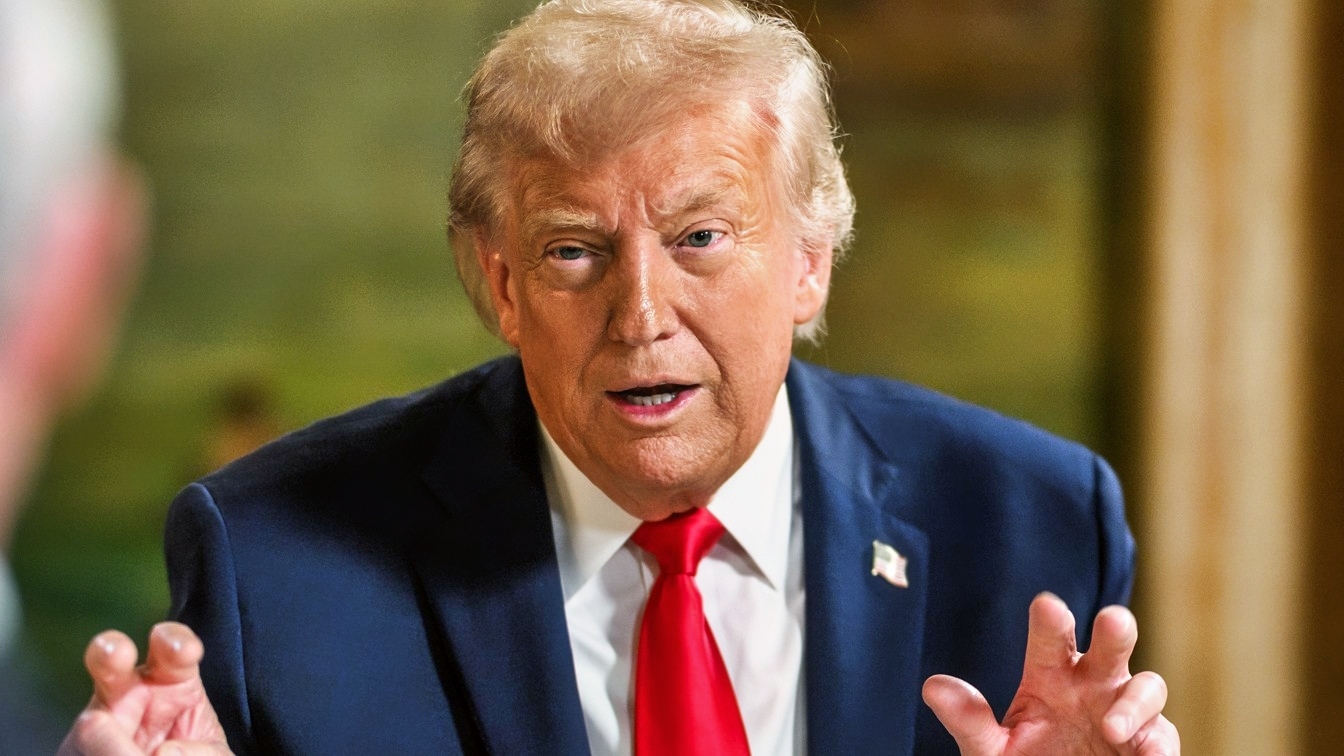
Speaking to reporters outside the White House on Thursday, October 1, Trump said that it’s “possible” the conflict could hurt Republicans when voters go to the polls, though he argued that voters should be rewarding his administration for preventing Iran from obtaining a nuclear weapon instead.
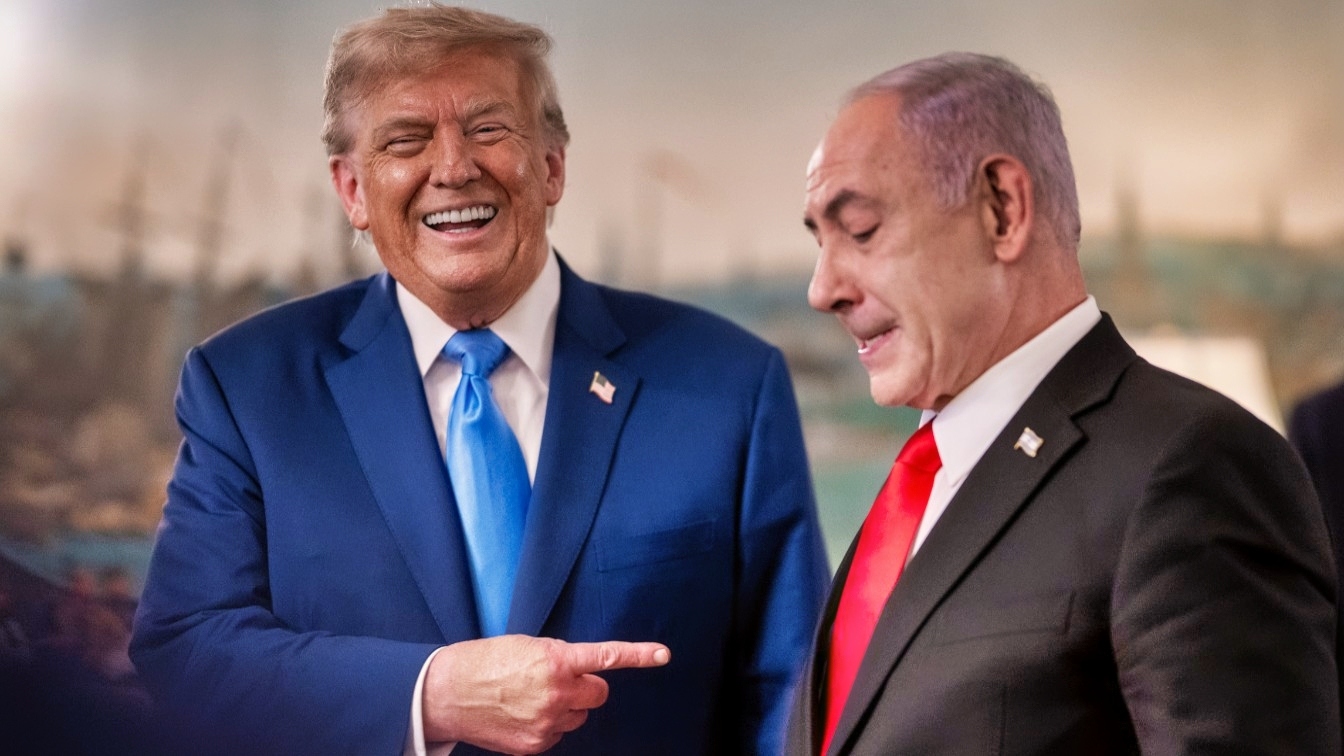
President Donald Trump and Israeli Prime Minister Benjamin Netanyahu speak privately in the Vermeil Room before a dinner, Monday, July 7, 2025, at the White House. (Official White House Photo by Daniel Torok)
President Donald Trump hosts a bilateral meeting with Israeli Prime Minister Benjamin Netanyahu, Monday, December 29, 2025, at the Mar-a-Lago Club in Palm Beach, Florida. (Official White House Photo by Daniel Torok)
On October 5, the president also sought to move the responsibility for the high price of gasoline to Ukraine and Russia, claiming that the main driver behind oil prices is the ongoing strikes on Russian and Ukrainian refineries.
The comments come as polling shows widespread dissatisfaction with both the war and Trump’s handling of the economy
Trump Says Iran Isn’t to Blame
Trump is clearly conscious of the political danger posed by rising energy prices, and on Monday, October 5, he sought to shift responsibility away from the Iran war.
Citing new data showing Middle Eastern oil exports briefly surpassing the pre-war average in September, the president said the high price of gasoline is actually being caused by the war in Ukraine.
“What’s driving up Gasoline is no longer the Strait of Hormuz, because Record Numbers of Barrels are coming out now on an almost daily basis, but the word, ‘Refineries,’ where Russia’s are being blown up by Ukraine, and where ours are being closed up, in Blue States, like California, by the Democrats,” the president wrote on his Truth Social platform.
While Trump’s argument has some substance, it doesn’t paint the full picture, and the disruption in the Strait of Hormuz still substantially contributes to high energy prices.
Kpler data published on Monday showed Middle Eastern oil exports exceeding pre-war levels, more than 18 million barrels per day, for several days at the end of September, despite Iran continuing to strike ships in the strait.
However, the figures refer to just three days in September — and Iran continues to escalate in the region, with its proxies and allies also targeting Saudi Arabia’s East-West pipeline and other alternative routes.
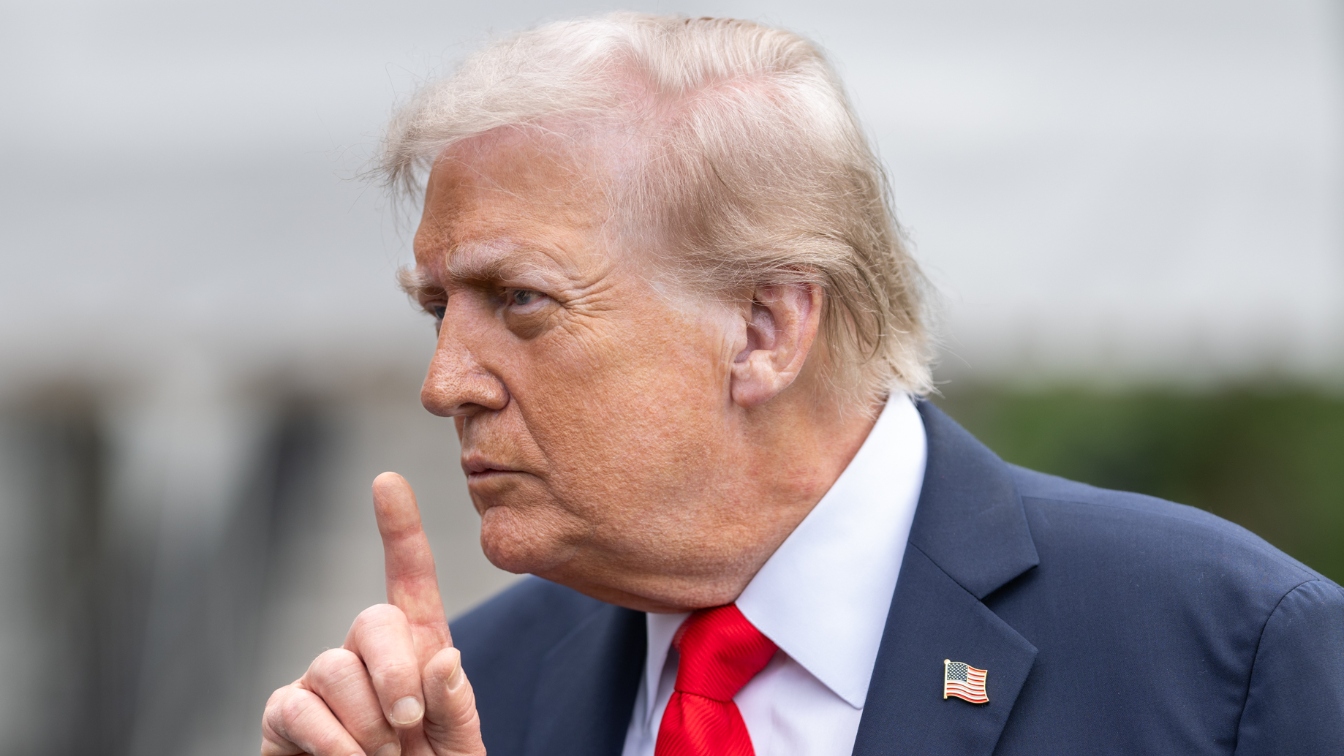
The President departs the White House and gaggles with the press on the South Lawn before boarding HMX-1 to begin traveling to the United Kingdom on Tuesday, September 15th, 2025. (Official White House Photo by Harrison Koeppel)
But Ukraine’s attacks on Russian refineries have certainly contributed to the global fuel squeeze.
Crude prices are still above $100 per barrel, roughly 40% higher than before the war began, and refining capacity and shipping have kept diesel prices extremely high.
Voters Blame Trump
A social media post likely won’t convince voters the president isn’t to blame for skyrocketing fuel and goods prices.
An AP-NORC poll released on October 1 showed that only 17% of American adults approve of the president’s handling of the cost of living, while only 26% approved of his handling of the economy.
More damagingly, 65% said that Trump’s own policies were the primary reason for persistently high prices, rather than factors outside of his control.
The Iran war is deeply unpopular generally, too, with the same poll finding that just 28% approve of Trump’s handling of the war.
It’s obvious, then, why Trump wants to move the political conversation away from Hormuz — but the fact remains that Iran, and the continued disruption and instability in the Gulf region, are a major driving force behind global economic uncertainty.
Iran Is Watching the Election
Tehran knows that President Trump loses some power when his party no longer has control of Congress, and the Islamic regime there is actively seeking the support of the American people to ensure Republicans don’t maintain control in November.
On September 29, Iran’s Islamic Revolutionary Guard Corps published a 25-page open letter appealing to American voters to reject Trump’s policies in the November 3 elections.
It was an unusually direct intervention from Tehran, but one that could actually resonate with Democrats who are strongly opposed to the war, and independents who may not be as ideologically opposed to the Iranian regime as die-hard MAGA voters or geopolitics-conscious Republicans.
Trump World Knows It, Too
President Donald Trump has indicated on multiple occasions now that Iran is likely waiting until after the midterms to make a deal.
Lara Trump, the president’s daughter-in-law, has also gone even further than the president, publicly stating that Iran is “absolutely” attempting to hold out until the election in the hope that Republican losses would strengthen Tehran’s negotiation position.
Speaking to British journalist Harry Cole, Lara Trump said that the Iran war “could cost” the president his legacy.
“Well, it could cost him these midterms,” Lara Trump said. “I think Donald Trump’s legacy has yet to be written and I think that, in a lot of ways, maybe, you know — I still say he’s going to go down in history as one of the greatest presidents, if not the greatest, America has ever seen.”
“But you’re right, the Iranians are absolutely holding out until these midterm elections,” she also said, adding, “They want to do everything they can to damage this president’s hopes of these midterms going his way because they think it’s going to give them an advantage. This is a rogue regime; these people are absolute lunatics over there; they’re very hard to deal with.”
About the Author: Jack Buckby
Jack Buckby is a British researcher and analyst specializing in defense and national security, based in New York. His work focuses on military capability, procurement, and strategic competition, and he produces and edits analysis for policy and defense audiences. He brings extensive editorial experience, with a career output spanning over 1,000 articles at National Security Journal, and has previously authored books and papers on extremism and deradicalization.


