

Oil is flowing out of the Persian Gulf at rates approaching those seen before the Iran war began, and while those flows are not yet guaranteed to continue, they have been a welcome reprieve for the world economy.
However, there is a catch: much of what is moving out of the Gulf is crude oil, and diesel, gasoline, jet fuel, and other refined products that power the global economy remain in short supply because of a shortfall in refining capacity.

President Donald Trump hosts a bilateral meeting with President Nayib Bukele of El Salvador, Monday, April 14, 2025, in the Oval Office. (Official White House Photo by Daniel Torok)
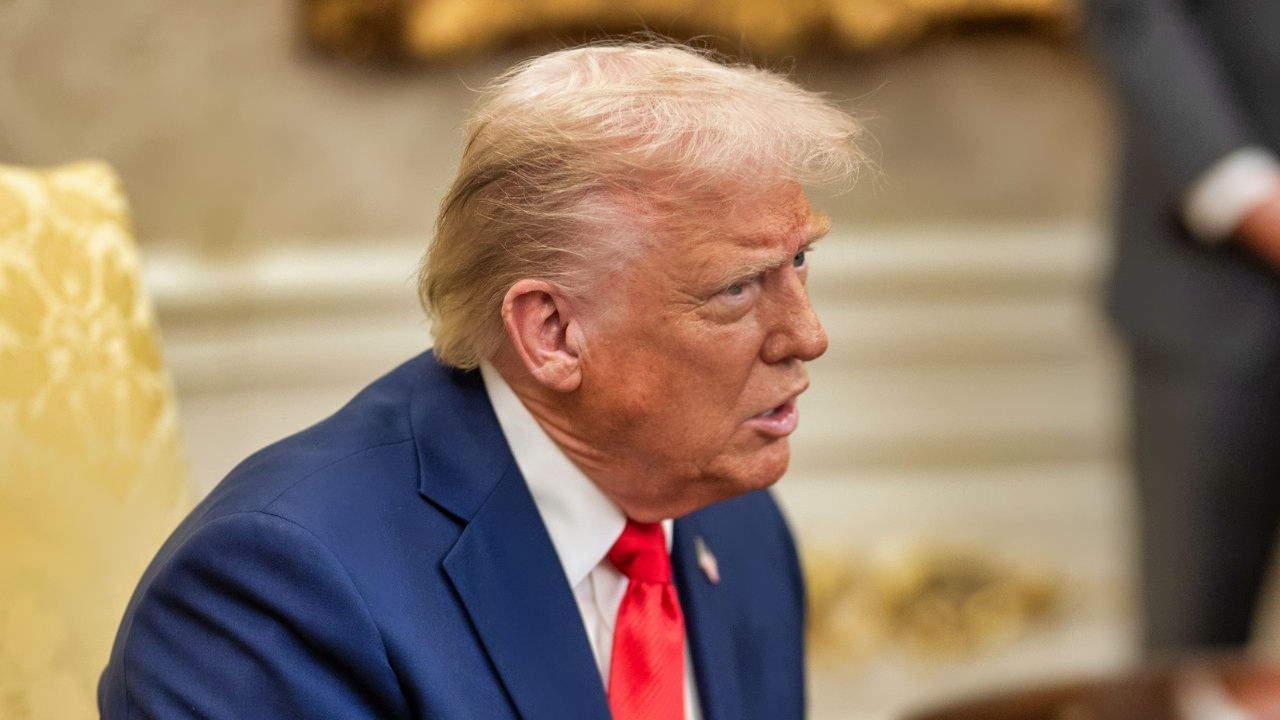
President Donald Trump hosts a bilateral meeting with President Nayib Bukele of El Salvador, Monday, April 14, 2025, in the Oval Office. (Official White House Photo by Daniel Torok)
That means even massive production won’t solve things like the diesel crisis.
New shipping data published by Vortexa on Tuesday, October 6, shows that total oil flows from Gulf countries (excluding Iran) recovered to more than 81% of pre-war levels in September, averaging 19.2 million barrels per day.
Refined fuel exports, however, recovered less—to around 60% of normal levels.
That means that while the battle to get crude oil out of the Persian Gulf is going well as of the last month, the global energy crisis is still far from over.
Crude Oil Is Flowing
Saudi Arabia’s efforts are largely responsible for the dramatic recovery of crude moving through the Strait of Hormuz.
The country has dramatically increased its recent exports despite Iranian attacks on regional energy infrastructure and continued strikes in the Strait of Hormuz, and indeed attacks by Iranian allies on its East-West pipeline.
Shipping data shows the kingdom’s exports rose by more than 4 million barrels per day in September, helping total Gulf flows recover substantially from the extreme disruption seen earlier in the war.
Kpler data shows how much conditions have improved, though as the conflict continues, those improvements are not necessarily sustainable in the long term.
Per Kpler, Middle Eastern crude exports exceeded the pre-war average on 14 days in September, and in the final week of the month, exports climbed as high as 22.5 million barrels per day on some days.
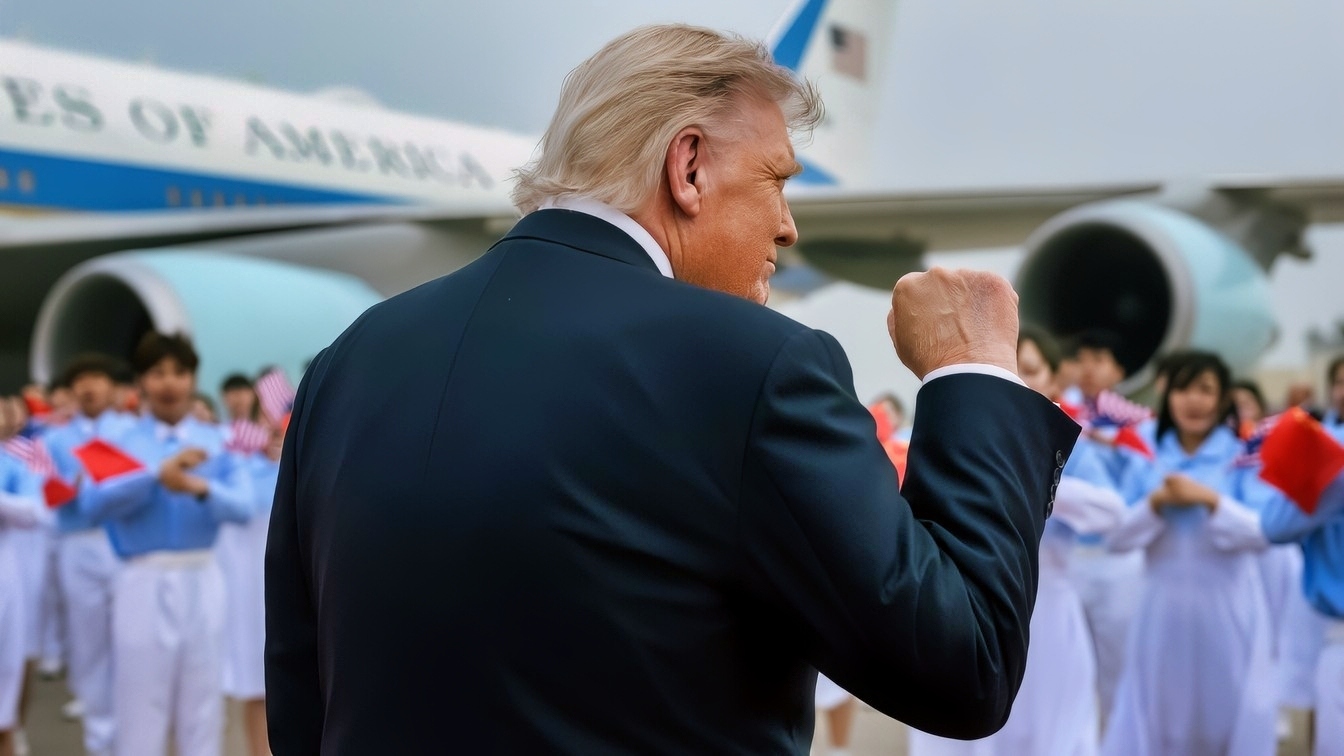
President Donald J. Trump greets Ambassadors David Perdue and Xie Feng, Executive Vice Minister of Foreign Affairs Ma Zhaoxu and Minister of Foreign Affairs Wang Yi at Beijing Capital International Airport, China on Friday, May 15, 2025, before boarding Air Force One en route Washington, D.C. (Official White House Photo by Daniel Torok)
It is an extraordinary recovery for a region that, just months ago, struggled to push any oil through the Strait of Hormuz.
But crude oil is only a part of the picture.
The World Needs Diesel
Exports of refined fuels have recovered much more slowly, with diesel, gasoline, jet fuel, and other products still struggling to reach international markets in sufficient quantities.
Before the war began, refined products and liquefied petroleum gas exports from Gulf countries excluding Iran averaged around 7.3 million barrels per day.
In September, flows remained at around 60% of their previous levels.
As of Saturday, October 3, Kpler calculated that the seven-day average of crude oil shipments through the Strait of Hormuz reached 10.3 million barrels per day, about 76% of the pre-war baseline. Shipments of refined petroleum products were only 1.3 million barrels per day.
Those refined products therefore represented around 11% of the combined flow of crude and other products, down from over 20% before the war.
Crude oil is the raw material used to make those refined products, and the global economy can only function if cars, trucks, aircraft, and other vehicles have access to diesel and other fuels.
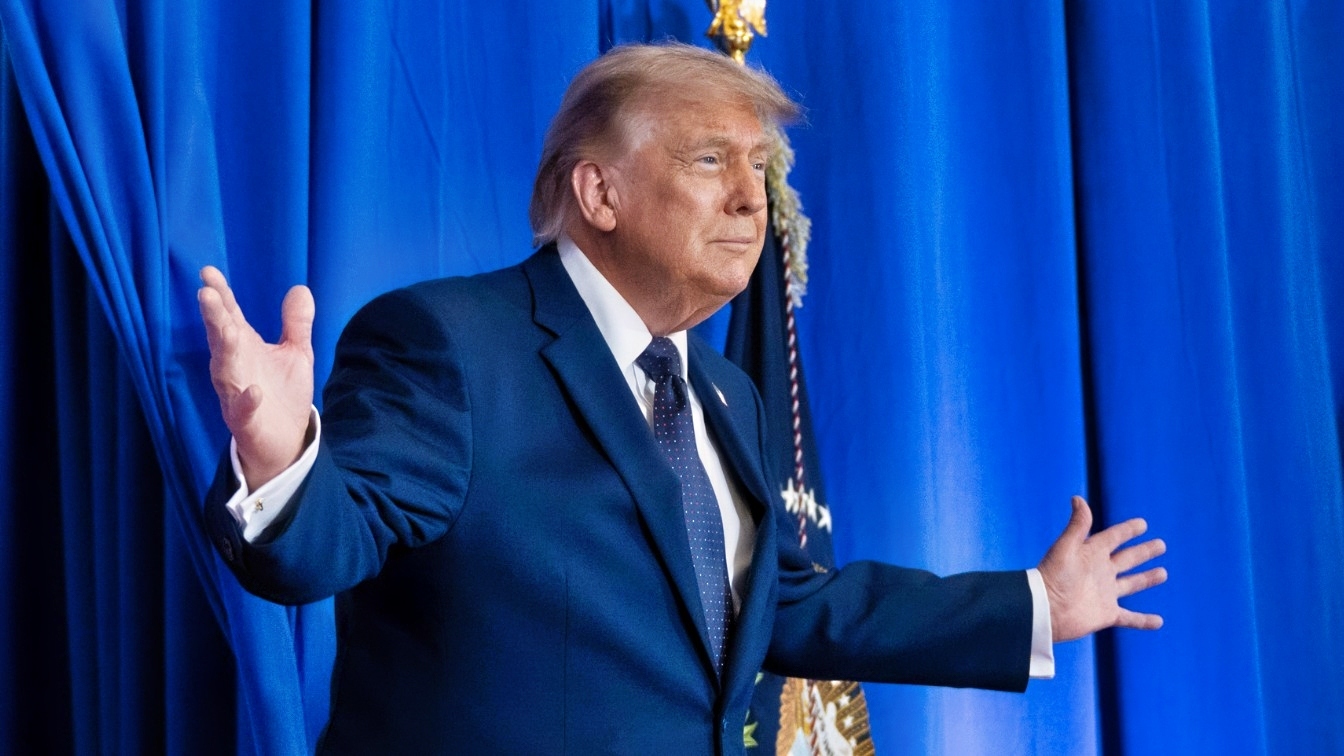
President Donald J. Trump delivers remarks on the economy at Rockland Community College in Suffern, New York on Friday, May 22, 2026.(Official White House Photo by Joyce N. Boghosian)
As the war in Iran, and indeed the war between Russia and Ukraine, has destroyed regional refining capacity, the world cannot expect the supply shortage to resolve itself just because oil is moving out of the Strait of Hormuz again.
Middle Eastern refiners must restart operations or repair facilities that were struck.
The world is feeling the effects of that damage, with the average U.S. diesel price now around $6.53 per gallon, and California prices above $8 per gallon.
Diesel Prices Will Stay High
Little relief is likely in the immediate future, and prices may still climb.
The U.S. Energy Information Administration agrees, saying on October 6 that American diesel prices are expected to stay above $6 per gallon throughout October, after averaging $6.29 in September.
The agency expects prices to decline as inventories recover gradually, but warned that refining margins will remain unusually high.
That’s a major problem as the U.S. enters winter.
Distillate production typically falls in autumn as refineries undergo maintenance, just as demand rises from virtually every angle.
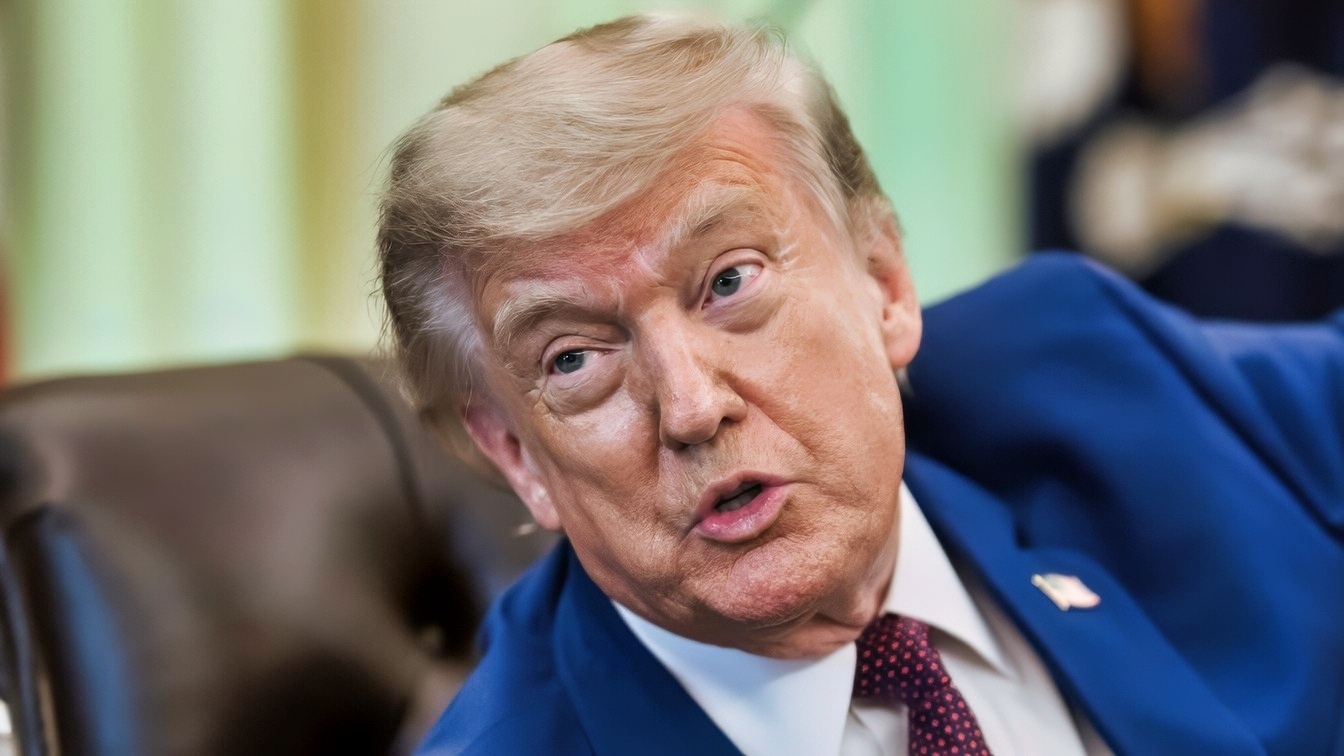
President Donald J. Trump signs Executive Orders in the Oval Office, Wednesday, June 3, 2026. (Official White House Photo by Molly Riley)
Agriculture needs it first, and heating oil consumers later.
At least some short-term relief is coming, with G7 countries planning to release up to 100 million barrels of crude and diesel from emergency reserves to ease pressure on global markets, but that still doesn’t create new refining capacity.
The rise above EIA has also warned that if Middle Eastern exports remain constrained beyond the end of 2026, global distillate prices could go higher than current forecasts.
About the Author: Jack Buckby
Jack Buckby is a British researcher and analyst specializing in defense and national security, based in New York. His work focuses on military capability, procurement, and strategic competition, and he produces and edits analysis for policy and defense audiences. He brings extensive editorial experience, with a career output spanning over 1,000 articles at National Security Journal, and has previously authored books and papers on extremism and deradicalization.


