
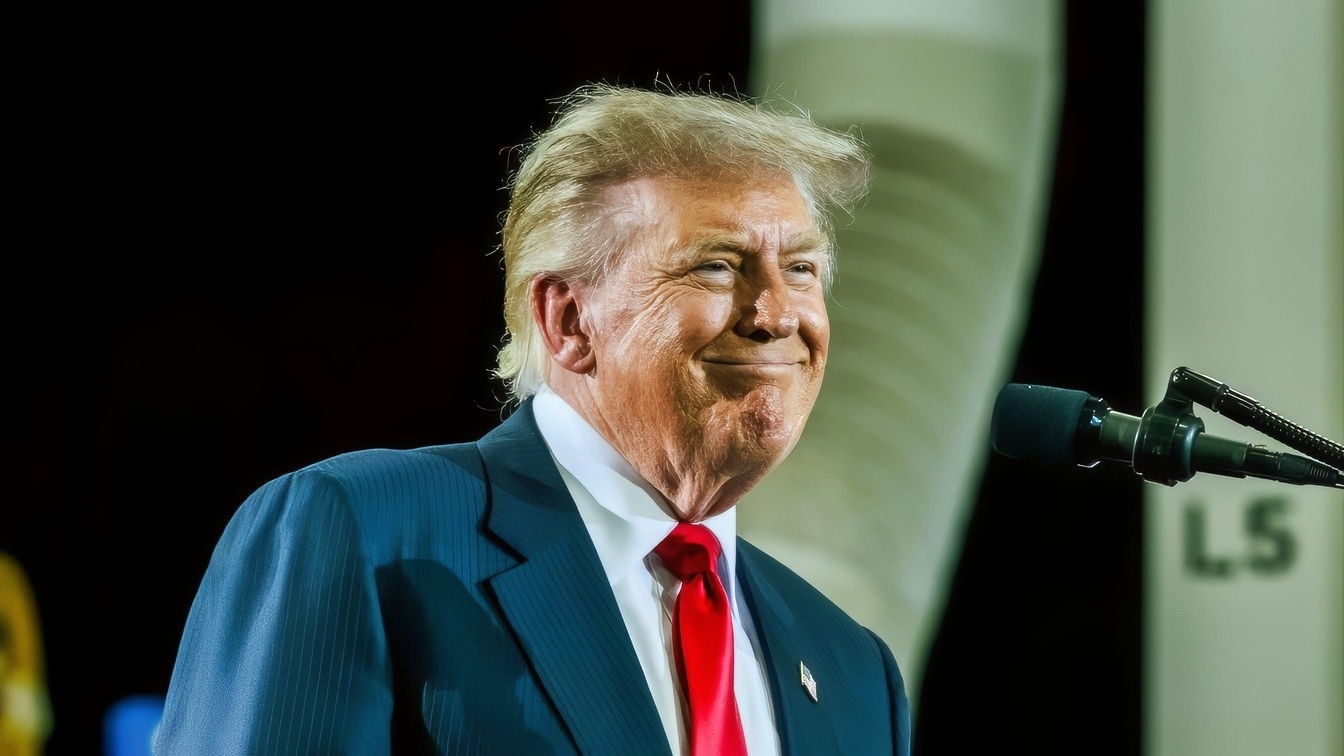
President Donald Trump is issuing billions of dollars directly to Americans just weeks before voters head to the polls for the November midterm elections, and Republicans struggle to convince voters that they are the best party to ease the financial pressures facing households all over the country.
Over 20 million Medicare recipients are preparing to receive one-time $90 payments from the federal government.
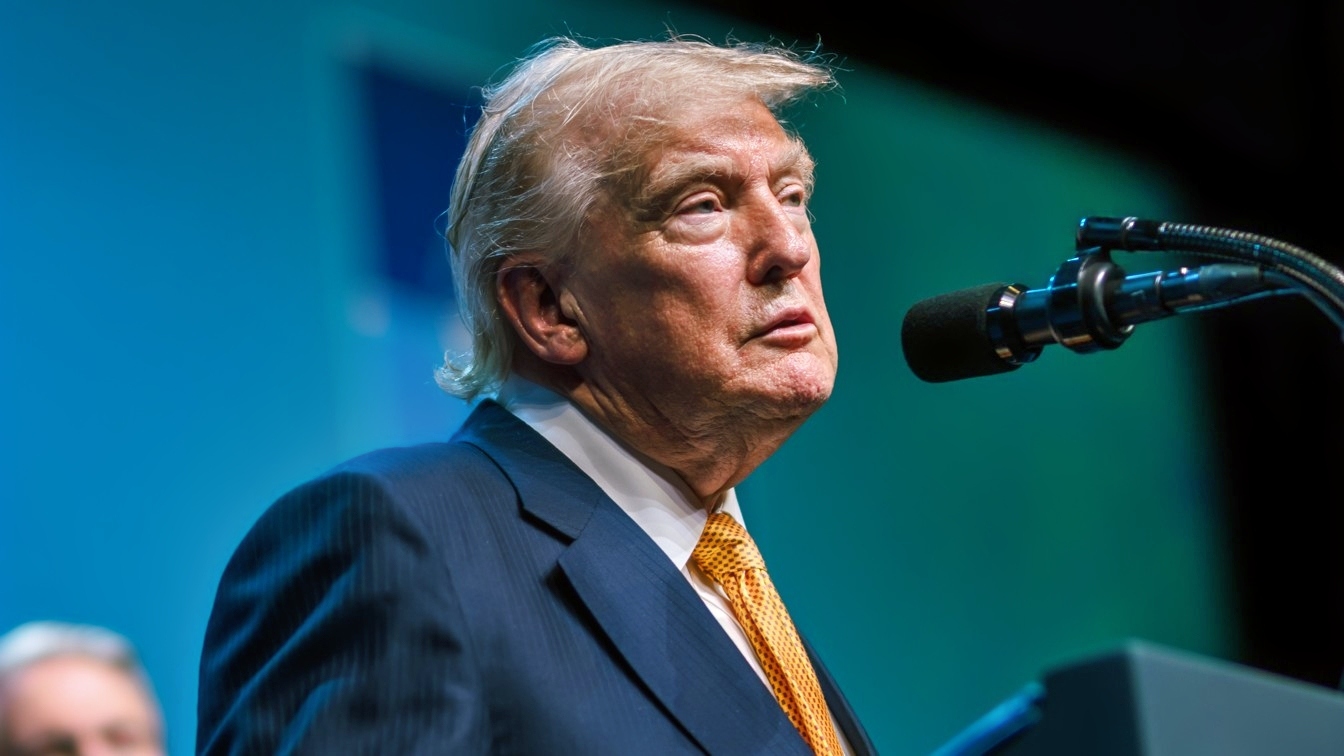
President Donald J. Trump holds a press conference at the 2026 NATO Summit, Wednesday, July 8, 2026, at the Bestepe Presidential Compound in Ankara, Turkey. (Official White House Photo by Daniel Torok)
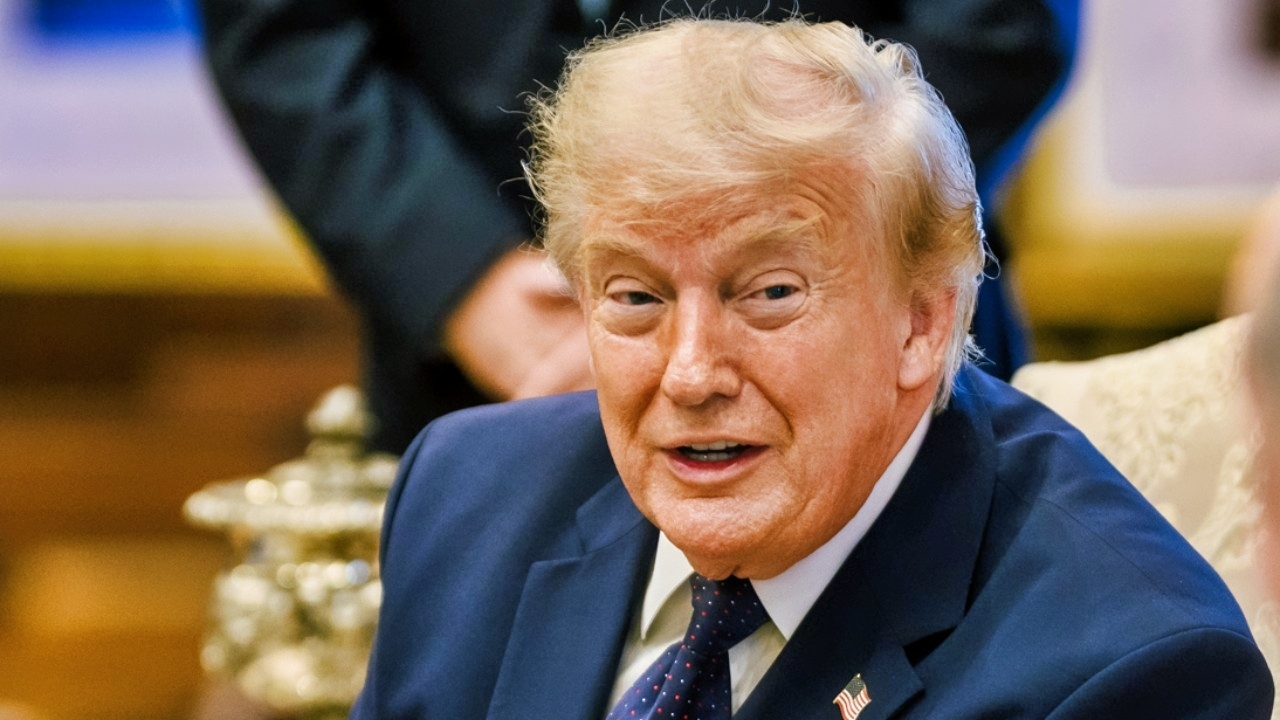
President Donald J. Trump participates in a restricted bilateral meeting with President Recep Tayyip Erdogan of Turkey, Tuesday, July 7, 2026, at the Bestepe Presidential Compound in Ankara, Turkey. (Official White House Photo by Daniel Torok)
Most of that money is expected to arrive by direct deposit on or around Thursday, October 8.
The payments also come as the government issues $500 checks to almost one million Americans who buy health insurance plans through the federal Obamacare marketplace.
President Donald Trump is also promising more federal handouts, too, telling voters that he will issue $5,000 checks to every adult American citizen if the Republicans win the midterm elections.
Millions of Seniors Get $90
20.8 million Americans enrolled in Original Medicare Part B, the medical insurance portion of Original Medicare that covers doctor visits and preventive screenings, are set to receive payments imminently.
The program was announced on October 2, and President Trump described it as a way to help seniors offset healthcare costs.
According to the Centers for Medicare and Medicaid Services, eligible beneficiaries will receive a single $90 rebate this month.
The Medicare Improvement Fund will issue the money, which currently holds roughly $2 billion appropriated by Congress for improvements to the traditional Medicare program.
Not everybody on Medicare will qualify, however.
Americans enrolled in Medicare Advantage will be excluded, as will some lower-income beneficiaries whose premiums are already covered through Medicaid.
Higher-income recipients who pay an additional income-based premium are also excluded.
The standard Medicare Part B premium is $202.90 per month, meaning that the $90 payment covers less than half of one month’s standard premium.
$500 Checks On Their Way
Another group of Americans is receiving substantially more, with the Trump administration already distributing $500 refunds this month to roughly 950,000 people who purchased insurance through the HealthCare.gov platform without receiving federal premium assistance.
The White House says those consumers were overcharged for fees associated with operating the federal Obamacare marketplace and that the administration is simply returning the money they are owed.
The program is limited to states that use the federal exchange, so customers in states that run their own insurance marketplaces are not included.
The program’s political geography of the program is interesting: an analysis found that about 71% of eligible recipients live in states holding competitive Senate or gubernatorial elections this year.
This has led some analysts to believe the refunds are inherently political and part of a Republican effort to mitigate poor performance in recent polls.
Either way, the Trump administration is issuing approximately $2.35 billion of payments directly to Americans during the final weeks of the campaign.
Another $5,000 Promise
And it doesn’t stop there.
President Donald Trump’s biggest stimulus promise is a proposed $5,000 check to every adult American citizen if Republicans maintain control of the House and Senate—an unprecedented promise that some analysts and commentators have described as a bribe.
During the Republican midterm convention in Dallas on September 9, the president promised to issue a $5,000 “Trump dividend” to all adult citizens – a promise that he continues to make as the midterms approach.
The plan would likely cost more than $1 trillion, but Trump can’t authorize spending on that scale on his own.
House Speaker Mike Johnson even acknowledged the issue, saying that the checks would require congressional approval.
Trump could, in theory, have pushed the $5,000 check proposal through Congress before the midterms, but doing so would lose a key incentive for Republican voters to turn out and for independents to avoid switching to Democrats this time around.
Is This Allowed?
The timing of the payments has raised questions about whether the administration may be trying to pay voters for their political support, but important legal considerations remain.
Federal law makes it a crime to offer money or something of value to someone in exchange for a vote or for withholding a vote.
The Justice Department considers that kind of behavior, specifically quid-pro-quo payments, to be vote buying.
But the Trump administration can reasonably explain each of these payments. And government benefits distributed under an authorized federal program are not automatically illegal just because they arrive before an election.
As for the $5,000 check, the president can simply argue that, with control of Congress, his party will be better positioned to pass the legislation necessary to approve it.
About the Author: Jack Buckby
Jack Buckby is a British researcher and analyst specializing in defense and national security, based in New York. His work focuses on military capability, procurement, and strategic competition, and he produces and edits analysis for policy and defense audiences. He brings extensive editorial experience, with a career output spanning over 1,000 articles at National Security Journal, and has previously authored books and papers on extremism and deradicalization.


