
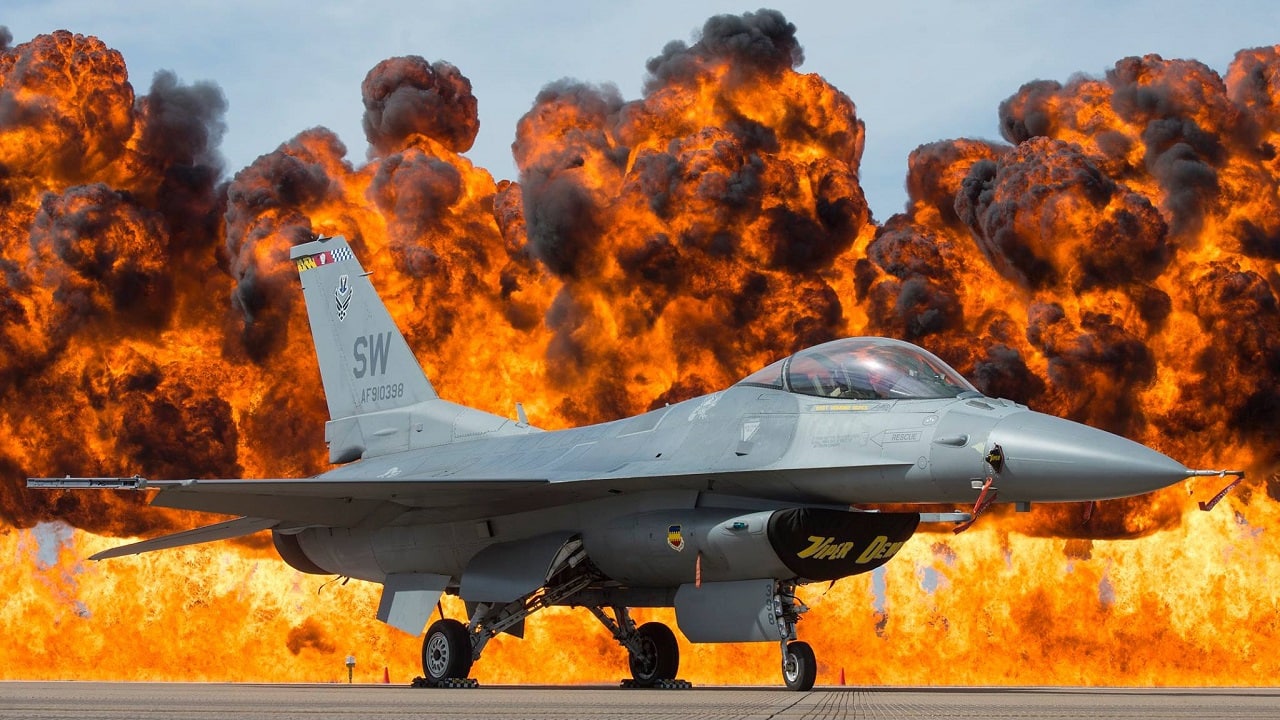
Might Trump Strike Iran After All? – U.S. President Donald Trump may have publicly ruled out new military strikes against Iran before the midterm elections, but the security situation in the Middle East suggests that another strike could still be imminent.
Warnings from American diplomats, on top of continued attacks on commercial shipping and a worsening missile campaign against Saudi Arabia, have created an environment in which it looks difficult for the United States to refrain from launching new attacks.
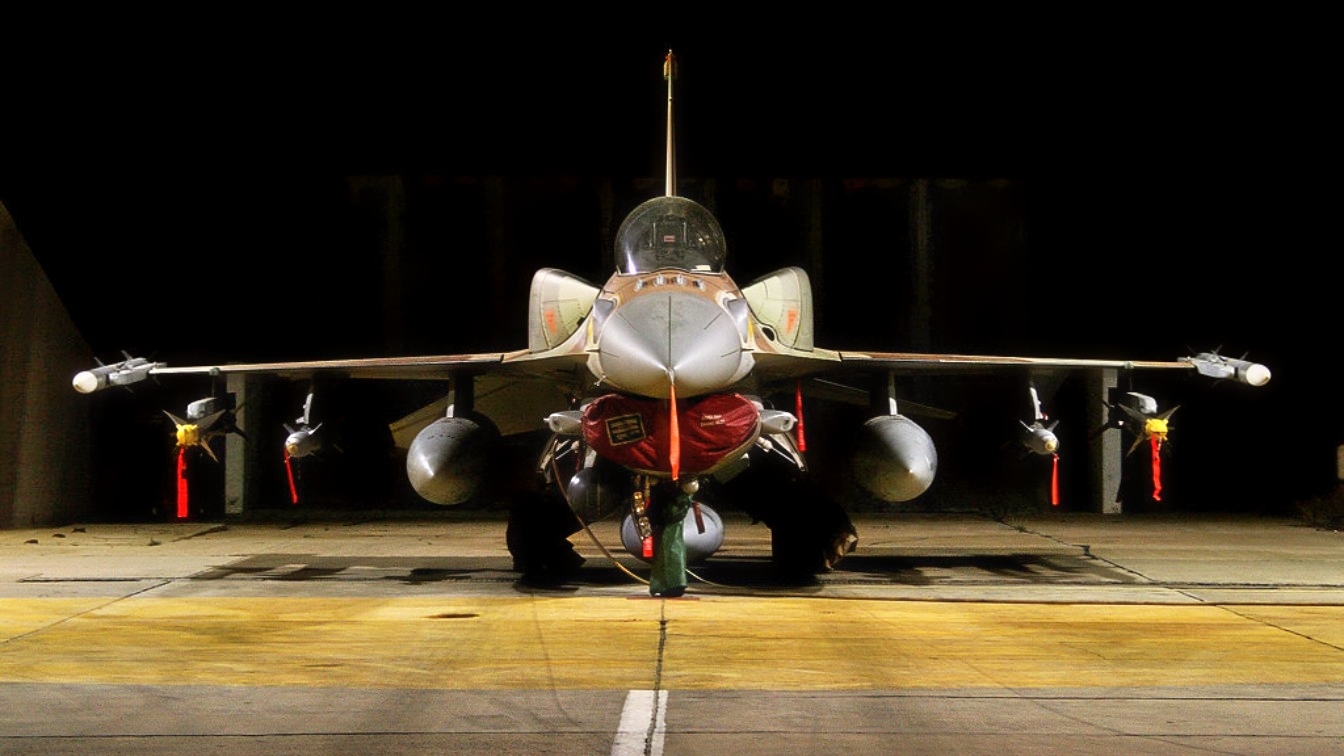
Israeli F-16 Fighter Jet IDF Flickr Photo
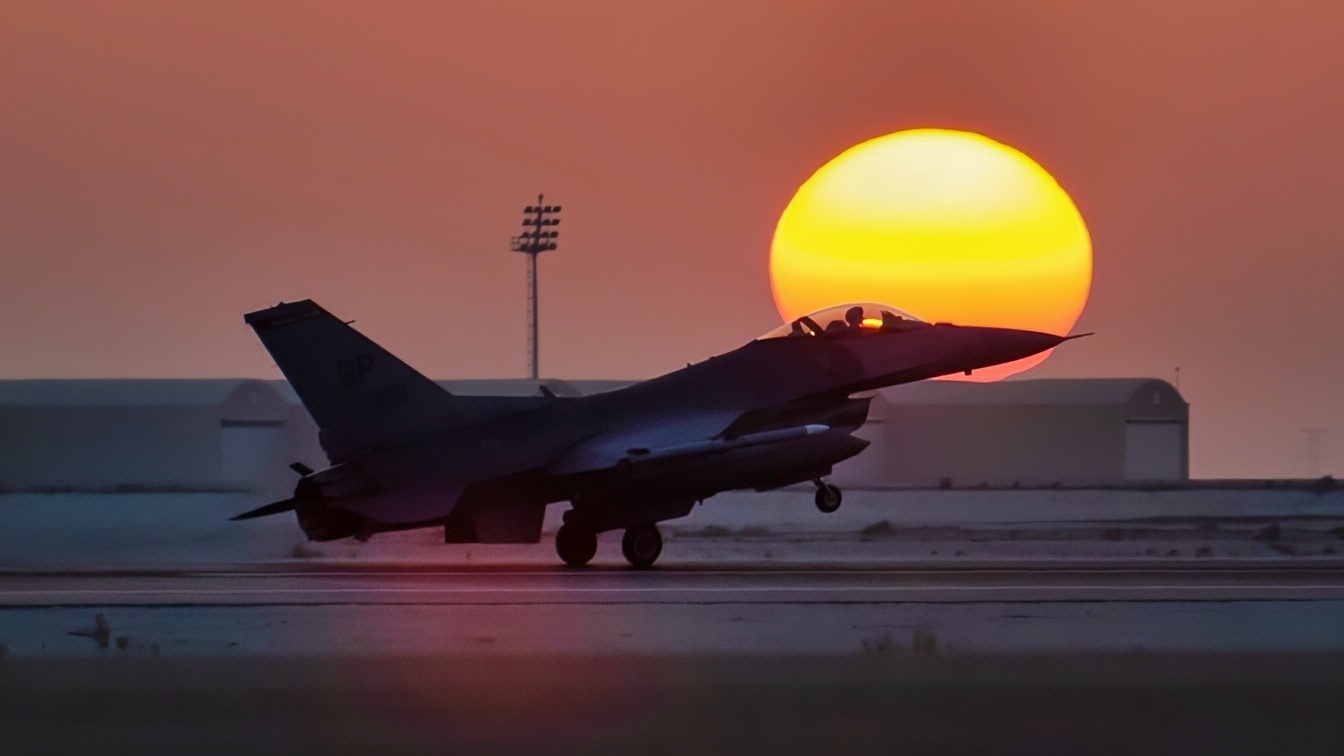
F-16 in Sunset US Air Force Photo
The Clues: U.S. Embassy Issues Security Warning
After President Trump announced on Truth Social that he would not proceed with planned attacks on Iran before the midterm elections, the U.S. Embassy in Saudi Arabia issued a security warning on Thursday, October 8, urging American citizens to exercise extra caution when traveling through King Khalid International Airport in Riyadh.
The warning followed repeated missile and drone attacks by Yemen’s Iranian-backed Houthi militants, who have targeted the Saudi capital throughout the week. According to Saudi aviation authorities, attacks on October 6 and 7 killed three people at airports, including one at King Khalid International Airport.
The American embassy also warned that further fighting in the region could lead to canceled flights, airspace closures, and other disruptions. U.S. personnel in the region now also require special authorization to travel through the airport.
The situation is serious enough that diplomats in Riyadh have reportedly been instructed to shelter inside their embassies this week, according to AFP. International schools are also taking precautions, with one reportedly moving students into a basement following explosions in the capital.
The measures are a response to attacks by Yemen’s Houthis — an Iranian-backed proxy group that is widely believed to be targeting Saudi Arabia not just for its own stated goals, but to support Iran in disrupting the region’s oil flow and piling pressure on the West.
It’s a situation that could quickly become out of control, and one that risks American lives in the process — not to mention critical oil infrastructure.
Saudi Faces Escalating Attacks
Reuters reported on Friday, October 9, that the situation in Saudi Arabia is deteriorating rapidly, with Houthi strikes having damaged commercial aircraft and disrupted international flights. The Saudi government is responding with military strikes against Houthi positions in Yemen, including targets around the capital, Sanaa, and along the Red Sea Coast.
The Associated Press also reported that more than 120 flights were canceled after airport attacks, and the European Union Aviation Safety Agency issued additional warnings about the threat to civilian aviation. The Houthis aren’t backing off, either, and are threatening to close Saudi airspace outside the holy cities of Mecca and Medina.
If the conflict in Iran ultimately becomes a much larger regional fight involving Saudi Arabia, it could further threaten U.S. military installations and easily draw Washington into fresh hostilities.
President Trump may have been inclined to launch strikes, but his poor showing in the November midterm p may have kept him from doing so.
The Big Clue: Pentagon Is Still Prepared For War
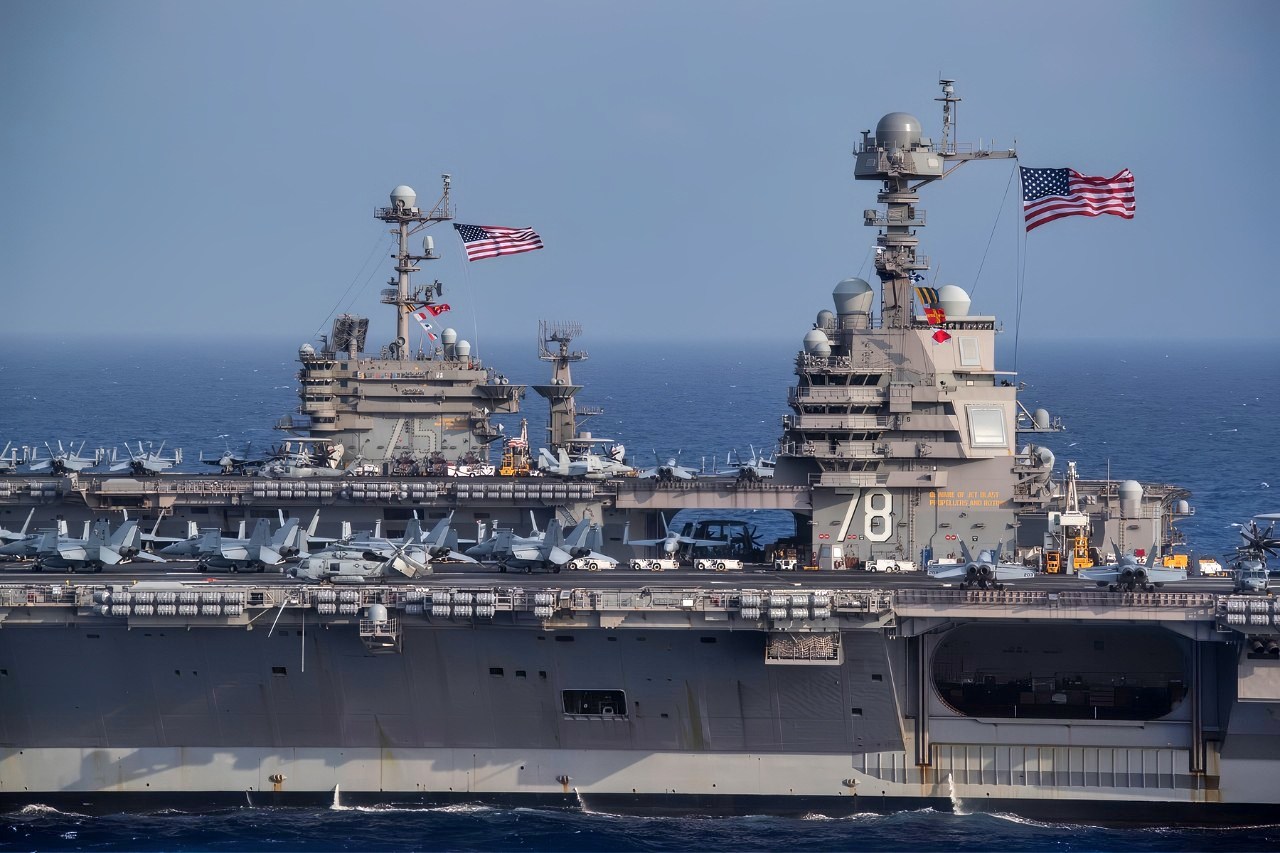
ATLANTIC OCEAN (June 4, 2020) The Ford-class aircraft carrier USS Gerald R. Ford (CVN 78) and the Nimitz-class aircraft carrier USS Harry S. Truman (CVN 75) transit the Atlantic Ocean, June 4, 2020.
Despite President Trump’s Truth Social post denying plans to launch strikes against Iran before the midterms, American military preparations have not been canceled.
Washington is still reinforcing its presence in the Middle East by sending a third aircraft carrier and strike group, along with additional Marine forces. The USS Theodore Roosevelt is expected to reach the region later this month and will give U.S. commanders considerably more offensive capability.
On Wednesday, October 7, Axios reported that the Pentagon had recently instructed U.S. Central Command (CENTCOM) to complete preparations for a possible resumption of major combat operations against Iran. The report cited American and Israeli officials and indicated that a potentially huge bombing campaign may be launched, targeting Iranian nuclear facilities and energy infrastructure — not just military sites.
The operation was widely expected to involve both American and Israeli forces, though President Trump had not made a final decision about whether it should be authorized at the time of publication.
The preparations followed a meeting of senior national security officials at Camp David on October 2, which increased communications between Israeli Prime Minister Benjamin Netanyahu and President Trump.
Washington Prepares for Longer Economic War
Meanwhile, a report published by The Washington Post on Friday, October 9, suggests that the Trump administration is preparing for its sanctions campaign, Operation Economic Outcast, to last longer than the president might prefer.
According to the report, the White House is preparing for the economic confrontation to stretch out longer, and believes that it is more likely to produce results than an immediate military strike. The report indicates that Washington’s blockade and sanctions campaign has so far inflicted substantial damage to the Iranian economy, but has not been sufficient to force Tehran to concede.
Trump faces a difficult choice: he could let the economic campaign play out and see if it’s enough to force radical clerics to concede to the West, or he can launch strikes that could sufficiently anger the regime and prompt it to lash out against regional power infrastructure, further worsening the global oil supply crisis. He must contend with all of that while also facing his lowest approval ratings yet.
About the Author: Jack Buckby
Jack Buckby is a British researcher and analyst specializing in defense and national security, based in New York. His work focuses on military capability, procurement, and strategic competition, and he produces and edits analysis for policy and defense audiences. He brings extensive editorial experience, with a career output spanning over 1,000 articles at National Security Journal, and has previously authored books and papers on extremism and deradicalization.


