

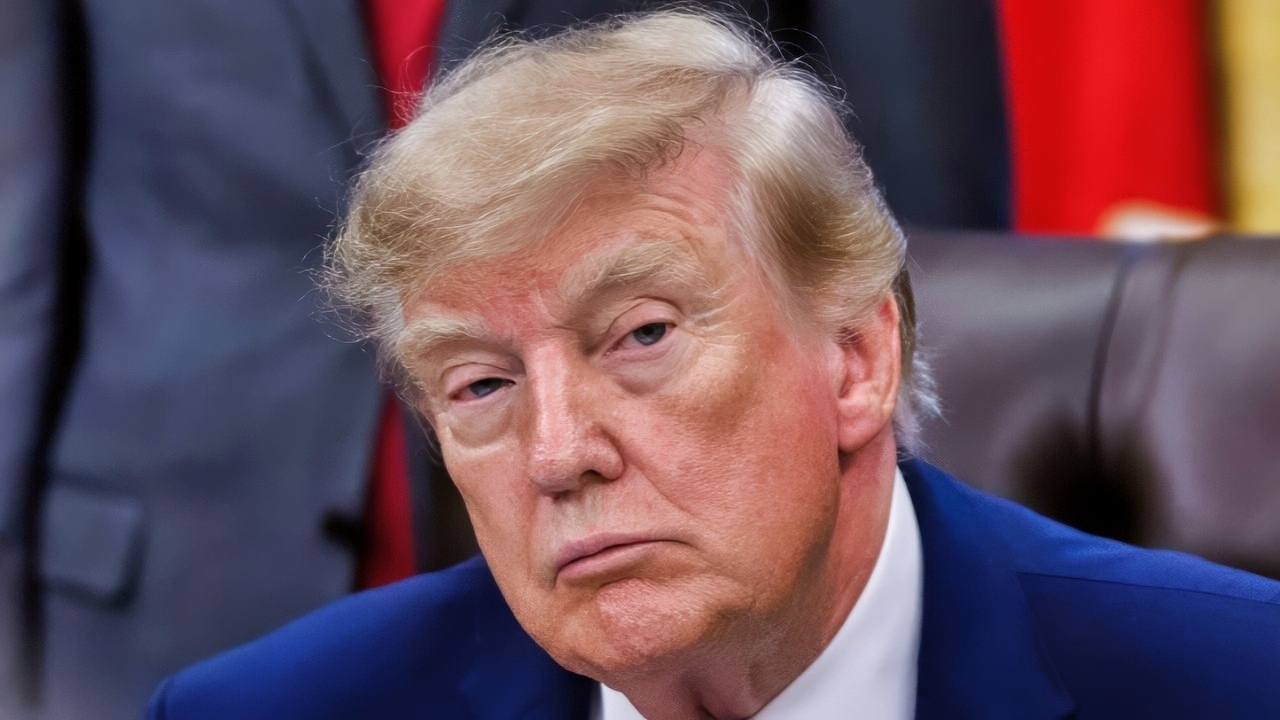
President Donald Trump may face a problem more consequential than his falling approval ratings: his own supporters’ lack of enthusiasm for voting in November’s midterms.
A new Reuters/Ipsos survey reveals a substantial enthusiasm gap between the two presidential coalitions from 2024. Among voters who backed Kamala Harris, 48% say they’re very enthusiastic about voting November 3, but among voters who backed Donald Trump, just 30% report enthusiasm.
That’s an 18-point gap, and with congressional control at stake, this disparity could create serious problems for Republicans—because the party doesn’t need to lose Trump voters to Democrats; it just needs Republican voters to fail to show up in the first place.
The GOP Stays Home: How Trump and MAGA Lose in 2026?
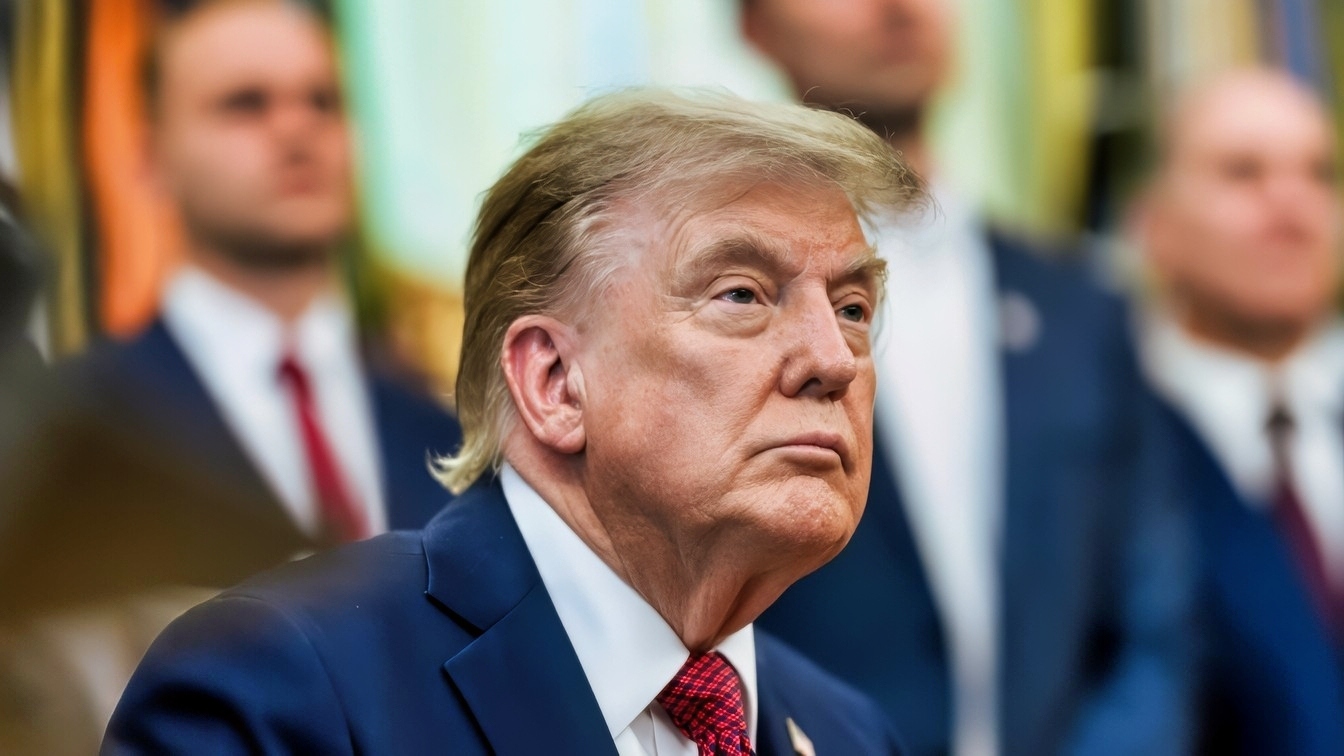
President Donald J. Trump makes an announcement on American nuclear innovation, Friday, July 24, 2026, in the Oval Office. (Official White House Photo by Molly Riley)
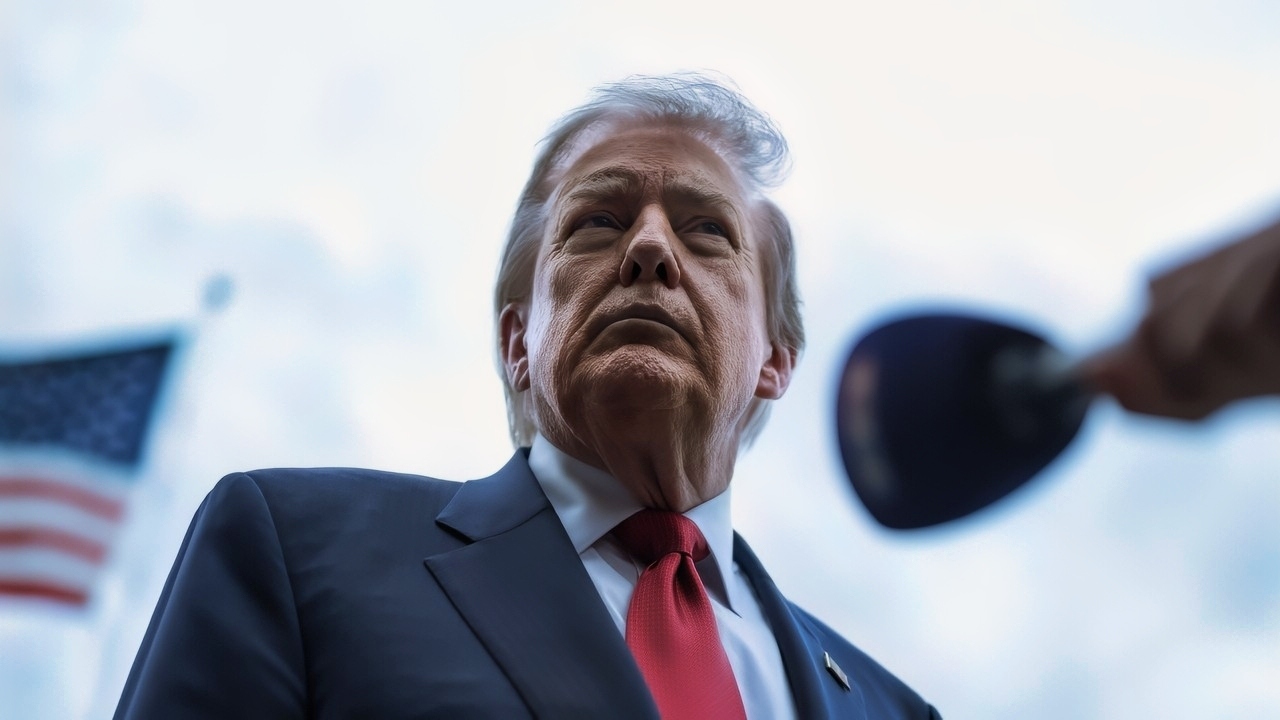
President Donald J. Trump boards Marine One on the South Lawn of the White House, Friday, May 8, 2026, en route Trump National Golf Club Washington D.C. in Sterling, Virginia. (Official White House Photo by Patrick B. Ruddy).
Low enthusiasm isn’t the only concern for Republicans. Reuters/Ipsos also measured the likelihood of voting.
Seventy-six percent of Harris supporters say they’re almost certain to vote, whereas only 63% of Trump supporters said the same. That 13-point difference could be significant. Trump supporters also seem less committed to a particular congressional candidate; among 2024 Trump voters, 13% remain unsure which party they support in congressional elections, whereas only seven percent of Harris voters remain undecided.
Taken together, these metrics suggest Democrats have advantages in enthusiasm, voter intentions, and more settled party preferences. Of course, the survey measures intentions, not actual votes, so the data here aren’t dispositive.
Opposing Trump
Opposition to Trump seems to be a powerful motivator. Among enthusiastic respondents, 62% said they’re excited to oppose Trump, while only 36% are enthusiastic about supporting him. That imbalance is huge—nearly a 2-to-1 ratio.
Of course, midterms often become referendums on the sitting president, as opposition voters naturally want to limit the president’s power. At the same time, Trump supporters, having won the presidency in 2024, may feel complacent and not feel an urgent need to turn out to vote this midterm.
The Democrats have a relative luxury in that they can campaign on checking Trump’s power rather than exclusively promoting their own policy agenda. This isn’t new; midterms often play out this way.
But the current numbers suggest an unusual disparity in political motivation this time around, which could matter in close congressional districts where a few percentage points of turnout can decide the race.
Fracturing Coalition
Is the MAGA coalition weakening?
Trump’s 2024 victory depended on broadening Republican support.
This was particularly important for men, Hispanic voters, non-college-educated voters, and working-class constituencies. Reuters reports that Trump’s approval has declined across every major demographic group since January 2025, including double-digit decreases among Hispanic Americans, men, rural voters, suburban voters, non-college graduates, and evangelical Christians. The most striking finding is among male voters.
Pew estimates Trump won men by 12 percentage points in 2024. But now, Reuters/Ipsos numbers show 43 percent of men favor Democrats and just 39 percent favor Republicans—a huge swing from 2024.
Reuters says this is Democrats’ largest advantage among men during Trump’s second term, suggesting the coalition that elected Trump may not be holding together as Republicans prepare to defend congressional majorities.
Not Out
Republicans are not out of this. Low enthusiasm doesn’t equate directly to congressional defeat. Republicans maintain narrow advantages among voters aged 50 and older, with 44 percent favoring Republicans and 42 percent favoring Democrats.
Older Americans historically vote at higher rates in midterms, but the Republican advantage in this demographic has narrowed from eight points in December to just two now.
Midterm elections typically draw fewer voters than presidential contests, so participation by each party’s most committed supporters matters most. Older voters could therefore prove vital to the Republican effort.
Trump’s 2024 victory demonstrated his ability to assemble a winning national coalition. Maintaining that coalition through a midterm is a different challenge. Reuters/Ipsos suggests Democrats are currently more motivated, more certain to vote, and more decided about their congressional preference.
So Republicans don’t have to lose Trump’s voters to Democrats to lose Congress this fall. The risk is that Republican voters simply stay home and skip the polls.
About the Author: Harrison Kass
Harrison Kass is a writer and attorney focused on national security, technology, and political culture. His work has appeared in Tablet, City Journal, The Hill, The Spectator, and The Cipher Brief. He holds a JD from the University of Oregon and a master’s in Global & Joint Program Studies from NYU. More at harrisonkass.com.


