

No… Donald Trump Can’t Do Much More to Lower Fuel Prices – U.S. President Donald Trump is seeking to lower gasoline and diesel prices ahead of next month’s midterm elections.
The cost of both commodities has soared in recent months, and Trump faces growing calls to act as the war in Iran just won’t come to an end.

Generic Oil Tanker Image. Image Credit: Creative Commons.
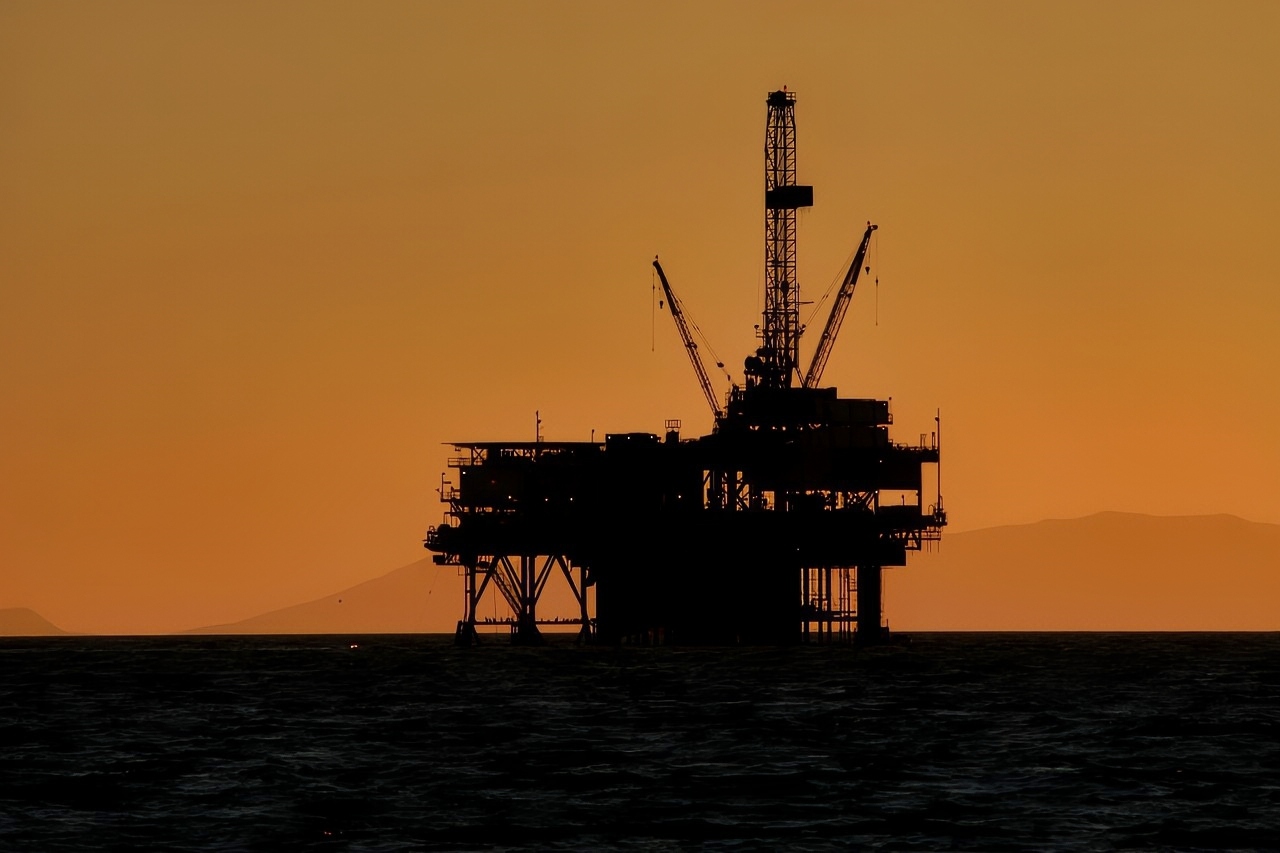
Oil Platform. Image Credit: Creative Commons.
Not just drivers notice the price hikes at the pump. When fuel costs rise, retailers pass them on to consumers at the grocery store. Even someone who doesn’t drive or owns an electric vehicle will feel the strain.
Trump is acting on a subject many Americans feel he’s been ineffective at addressing. But is it too little, too late?
Why Prices are High
Diesel prices across the country have reached record highs in recent weeks, largely due to Iran’s ongoing closure of the Strait of Hormuz and repeated attacks on oil refineries in the Russo-Ukrainian conflict.
These conflicts have combined with seasonal price rises from higher diesel demand, including increased heating oil use and expanded agricultural activity during the harvest season. Furthermore, refineries typically use Fall to conduct maintenance ahead of the annual switch to winter-grade diesel.
Although Middle East oil exports are returning to pre-war levels, the Iran war is far from over. Efforts to covertly transit the Strait of Hormuz have been met with increased strikes from Iran in recent weeks, which maintains that the vital shipping lane remains closed.
Shipowner confidence is therefore low, and many are reluctant to risk their vessels and crews, even with greater financial incentives. Exporters with access are pursuing alternate routes, but they have either been attacked or won’t be ready until next year.
Trump’s Tax Reductions
To address rising costs, the President has discussed initiatives to ease the financial burden. Earlier this week, Trump issued a temporary waiver of the ban on using dyed diesel on public roads across the United States.
Typically used in agriculture and construction, dyed diesel is sold without a motor-fuels tax; as a result, it is usually barred from public roads.
“Today, I am announcing another unprecedented step to bring down costs,” said Trump on Monday. “For many years, farm vehicles, construction equipment, and other off-road vehicles have used what is known as ‘red dye’ diesel… which is exactly the same as normal diesel, but is sold tax-free for off-road vehicles and big trucks. Tonight, I am going to sign a historic Executive Order to officially waive the off-road requirement and allow anyone to purchase tax-free red dye diesel for any reason.”
Dyed diesel is 24.4 cents per gallon cheaper because it avoids federal tax.
A Problem or Two
While it operates the same as regular diesel, dyed diesel leaves a stain, making it easy for authorities to prosecute those who use it when it is prohibited on the roads. Unauthorized use is usually considered tax evasion.
Therefore, questions remain as to what will happen to drivers with dyed diesel in their tanks once the waiver ends.
Trump does not have the same luxury of a tax waiver on gasoline, either. Although he floated the idea of a temporary waiver of the federal gas tax at the White House this week, Congress would need to approve it, which is unlikely before next month’s election.
Despite the impact on the Highway Trust Fund, which funds highways, bridges, and mass transit and relies on the federal gas tax, the impact on drivers would be minimal.
This is because the $0.184-per-gallon saving can be absorbed elsewhere in the supply chain rather than at the pump. For a typical 15-gallon fill-up, that’s a saving of $1.50 to $2.40, so the suspension is unlikely to meaningfully affect soaring living costs.
Too Little, Too Late?
There is seemingly little else the President can do to tackle high fuel costs.
“The only way to get out of this to reduce gas prices in a meaningful way is to solve one or both geopolitical tensions that are causing high prices,” Patrick De Haan, head of petroleum analysis for GasBuddy, told BBC News. Both conflicts require agreement from parties outside the White House’s direct control, and fuel prices would almost certainly lag before they dropped.
While his critics will argue that the Iran war and subsequent high fuel prices could have been avoided, there is little Trump can do to reverse course so close to next month’s elections.
About the Author: Shay Bottomley
Shay Bottomley is a British journalist. He has written for the Western Standard, Business Insider, Maidenhead Advertiser, Slough Express, Windsor Express, Berkshire Live, and Southend Echo.