
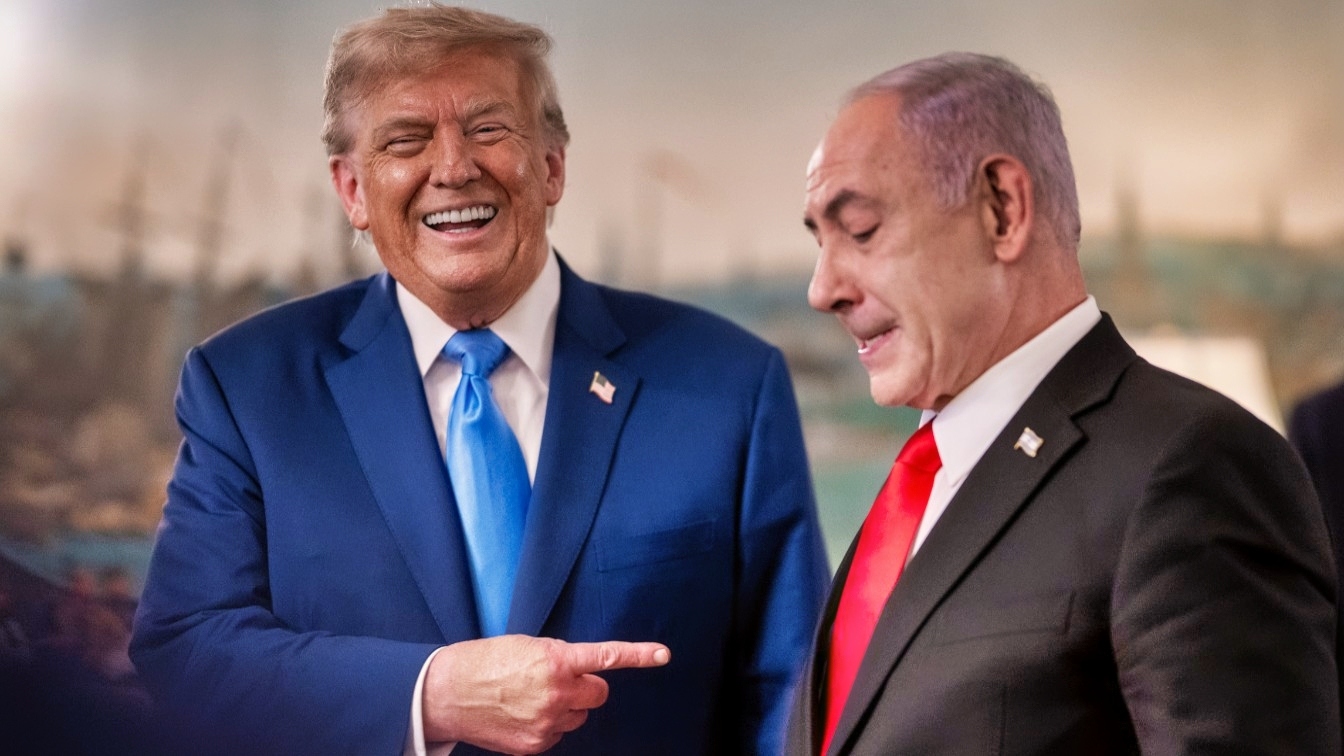
U.S. President Donald Trump and Israeli Prime Minister Benjamin Netanyahu met at the White House on Tuesday, July 28, for their first face-to-face talks since the U.S. and Israel launched a joint campaign against Iran five months ago.
The much-anticipated closed-door meeting lasted approximately 90 minutes and concluded shortly after 12:30 pm Eastern Time.

F-35I Adir Fighter from Israel. Image Credit: Creative Commons.
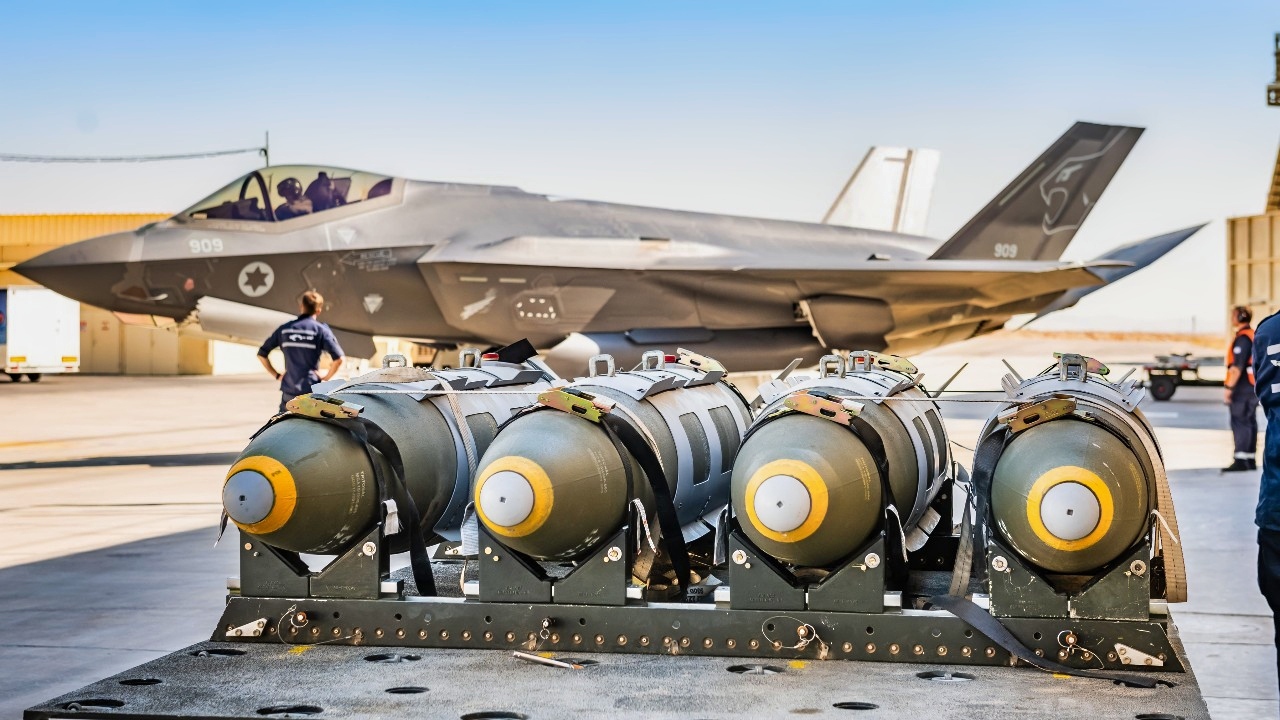
Israel F-35I Adir Stealth Fighter. Image Credit: IAF.
Neither leader spoke publicly after the meeting, but White House press secretary Karoline Leavitt described the discussions as “positive and productive.”
The meeting comes at an extremely contentious time, during a fragile pause in attacks from Washington against targets in Iran and as regional powers attempt to revive diplomatic talks between the U.S. and Tehran.
It also comes as Trump’s allies express fear that meeting with Netanyahu could deepen the conflict and bring the United States back into the fold as part of an effort to collapse the regime.
Why Netanyahu Is In Washington
While the focus of the discussions between the two world leaders is obvious, the meeting was ostensibly arranged as Netanyahu prepared to attend memorial services for the late Republican Senator Lindsey Graham of South Carolina, a close supporter of Israel and one of the most prominent advocates for military action against Iran in Congress.
According to Politico, the details of the White House meeting were finalized only shortly after Netanyahu’s arrival, and the White House did not publicly confirm the meeting would take place until Monday, July 27. Senator Graham died on the evening of Saturday, July 11, at the age of 71.
Preliminary medical findings suggest that he died of “aortic dissection due to arteriosclerotic cardiovascular disease.”
Netanyahu attended a memorial dinner for Graham on Monday evening.
In a statement, he described the senator as a “dear friend” who was “deeply committed to the security of the United States, to the security of Israel, and to the ongoing fight against anti-Semitism.”
On the day of the meeting with Trump, the Prime Minister’s official X account published a statement describing a memorial dinner held on Monday night with close friends of the late senator, Trump administration officials, and members of Congress.
But the dinner wasn’t the only thing on Netanyahu’s schedule, with the Israeli prime minister staying at Blair House, the official government guest residence opposite the White House, before he arrived at the West Wing the next morning, shortly after the president hosted Ukrainian President Volodymyr Zelenskyy for a separate meeting.
Iran Was the Topic At Hand
Ahead of the meeting, a White House official who previewed the talks told Politico that Trump and Netanyahu would discuss the Iran conflict, and a trilateral agreement that would involve the United States, Israel, and Lebanon.
The two leaders were also expected to discuss the potential expansion of the Abraham Accords – the normalization agreements established between Israel and several Arab states during Trump’s first term.
Iran was, unsurprisingly, the most immediate and central issue of the meeting, given the pressing nature of the Strait of Hormuz. The United States had concluded almost two weeks of consecutive nightly strikes just days before the meeting, with regional powers now exploring the possibility of bringing Tehran back to the negotiating table.
When pressed on the pause, the U.S. president said on Monday that U.S. forces had stopped bombing Iran after the regime asked to meet, although Tehran publicly denied that direct negotiations were underway.
The president also warned that American strikes would resume if diplomacy failed, saying that Washington would “go back to what we were doing” if no agreement was reached.
Trump also urged Tehran to move quickly, stating that a round of negotiations either “goes fast or not at all.”
Trump Allies Fear Escalation
Even before Tuesday’s meeting began, several prominent allies of President Trump warned that the visit could increase pressure on Washington to resume military operations against Iran rather than continue pursuing diplomacy – despite Trump’s very public stated aim of pursuing a diplomatic end to the conflict.
Speaking to Politico, former White House chief strategist Steve Bannon described the visit as a “disaster for America First,” arguing that many of Trump’s non-interventionist supporters were frustrated by Israel’s efforts to keep Washington deeply involved in the conflict.
Former National Security Council chief of staff Alex Gray also suggested that Netanyahu would almost certainly push the president for policies that advance Israel’s national security interests, claiming that Netanyahu was “going to push his agenda” even if his priorities were not necessarily aligned with American interests.
Netanyahu and Israel supporters within the Republican Party and beyond, however, argue that Israel and the United States share many of the same interests as it pertains to Iran.
The concerns have been fueled by recent statements from Israeli political and military leaders who have repeatedly argued that the war must continue if the threat of the Islamic regime cannot be contained.
About the Author: Jack Buckby
Jack Buckby is a British researcher and analyst specializing in defense and national security, based in New York. His work focuses on military capability, procurement, and strategic competition, producing and editing analysis for policy and defense audiences. He brings extensive editorial experience, with a career output spanning over 1,000 articles at 19FortyFive and National Security Journal, and has previously authored books and papers on extremism and deradicalization.


