

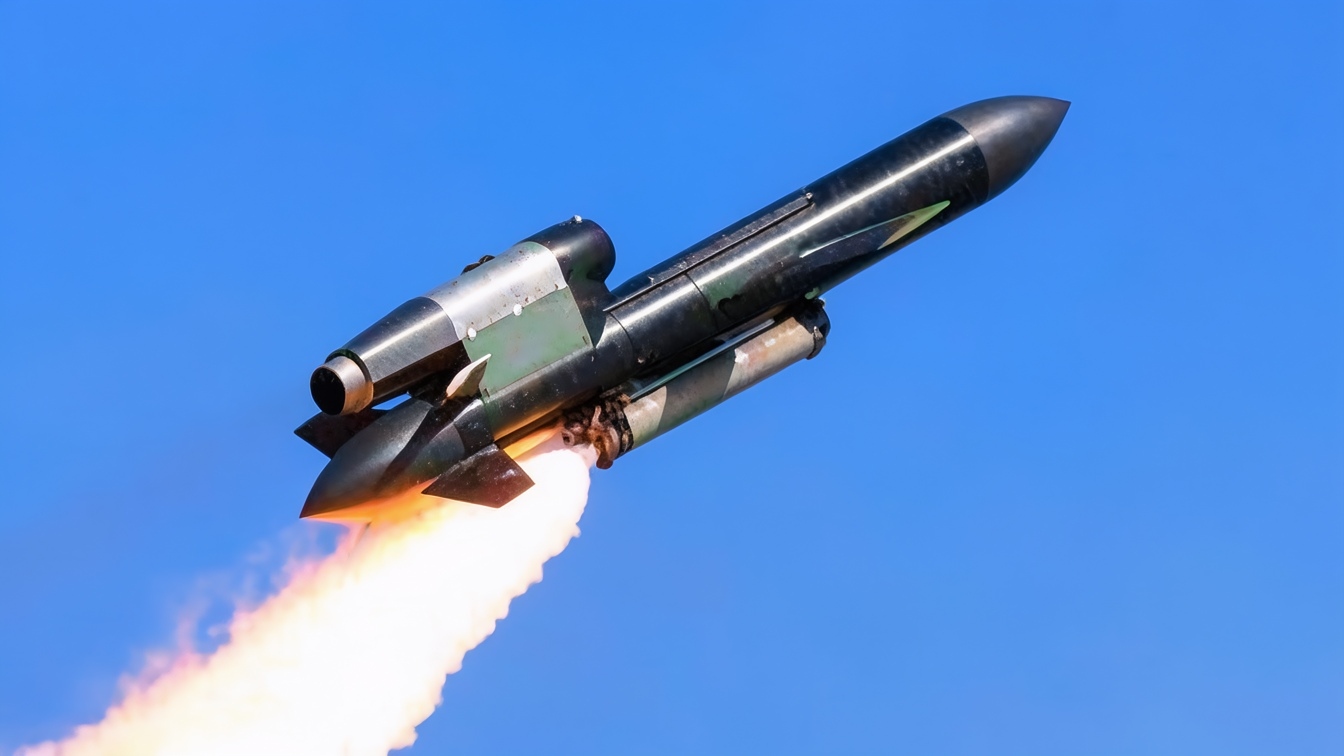
Starlink’s New Speed Limit Is Grounding Ukraine’s Drones – Satellite internet just became a political lever in Ukraine. Again.
Overnight on October 13-14, SpaceX imposed a 160 kilometers per hour (about 100 mph) speed cap on Starshield, the military-grade Starlink package Ukraine’s drone units rely on.
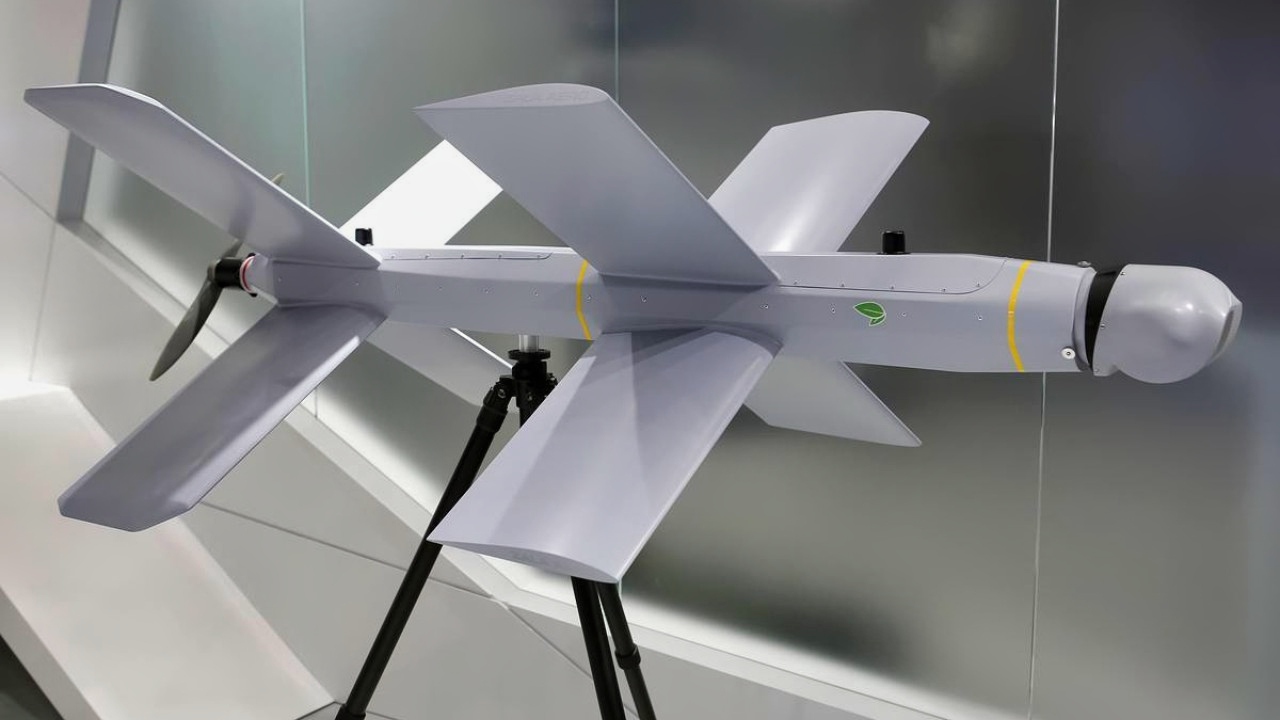
Lancet Drone. Image Credit: Russian State Media.
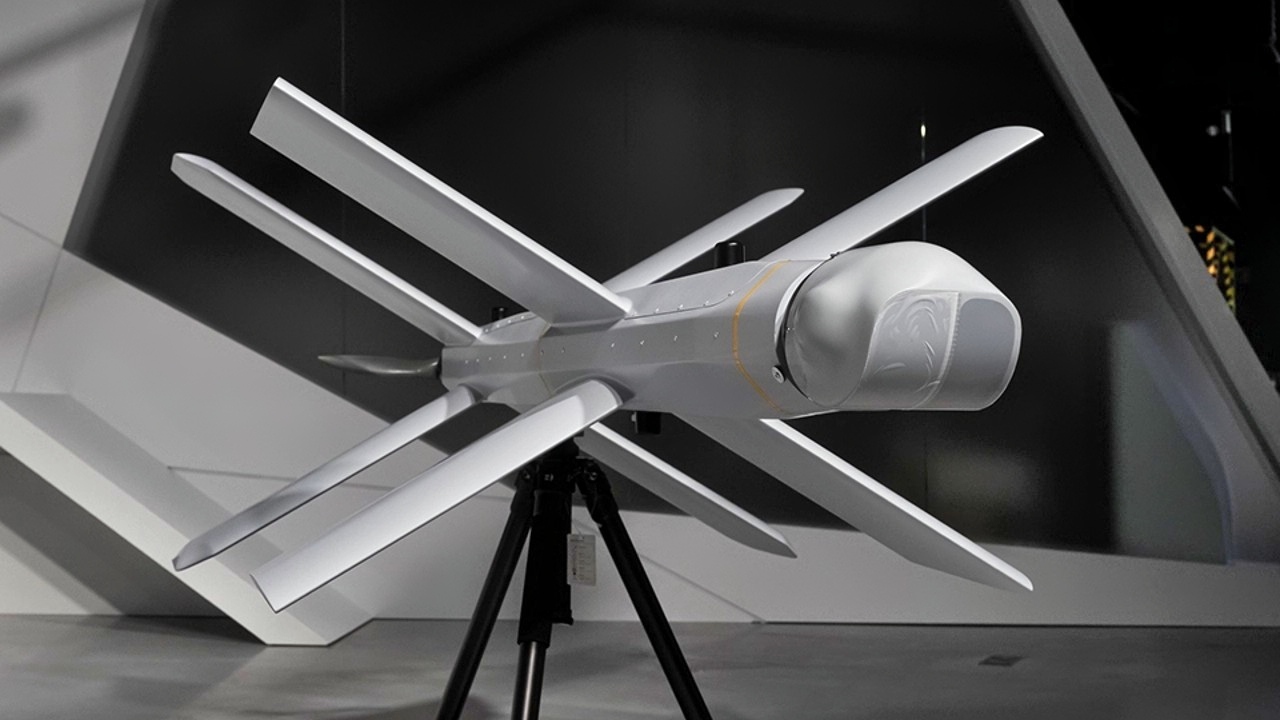
Lancet Drone from Russia. Image Credit: Creative Commons.
Serhii “Flash” Beskrestnov, President Volodymyr Zelensky’s adviser on defense technology, confirmed the change on Telegram and said several missions were disrupted.
He didn’t mince words, saying Ukraine’s defense forces “did not receive any warning about these restrictions.”
No warning. In the middle of a shooting war.
Starlink limits in Ukraine aren’t new. The BBC has been tracking them for years, from SpaceX’s 2023 decision to bar Ukraine from using the service for drone control to this winter’s crackdown on Russian terminals.
However, this round is different. The last restrictions targeted Russia, and Kyiv asked for them. This one lands squarely on Ukraine’s own operators.
The Last Restriction Worked For Ukraine
Back in February, Reuters reported that Kyiv praised Elon Musk after SpaceX moved against Russia’s illicit use of Starlink. Ukraine’s defense minister, Mykhailo Fedorov, credited the effort with “real results.”
Musk’s fix consisted of two parts: a speed cap on standard terminals that made them useless on fast-moving drones, and a whitelist that shut off any terminal not registered with Ukraine.
Russia had been bolting Starlink Minis onto long-range strike drones, letting its operators fly them straight past Ukrainian jamming. The cutoff hit hard. Russian military bloggers complained openly about losing their connections, and Brig. Gen. Andriy Biletsky of Ukraine’s 3rd Army Corps said Russia’s drone campaign dropped by as much as 40 percent in the weeks that followed.
However, that meant that standard Starlink terminals in Ukraine have been capped at roughly 70 to 90 km/h since the whitelist took effect. As a result, Ukrainian units moved their high-speed drone work onto Starshield. Until this week, Starshield’s data link had no speed restriction.
But this change has hit Ukrainian units hard, Ukrainian President Zelenskyy said.
“Our defense forces did not receive any warning about this restriction, and this led to the disruption of a number of missions. It is obvious that this action cannot be a coincidence and is linked to the current political situation,” he wrote.
What 100 MPH Means At The Front
Ukrainska Pravda obtained video from a commander showing two Ukrainian drones above the clouds losing their link and dropping out of the mission. Reuters, as summarized by Forbes, reported drones losing connectivity for up to 20 seconds at 110 to 120 km/h.
That’s well under the advertised cap. Ukraine’s 7th Air Assault Corps reportedly canceled missions in the Huliaipole sector because of it.
Twenty seconds. For a strike drone flying beyond line of sight, that’s a lost aircraft.
Every communications plan is built around PACE: primary, alternate, contingency, emergency. The idea is simple. No single link decides whether a mission lives or dies. Ukraine’s drone force has been running Starshield as its primary, and for many long-range missions, it hasn’t had a good alternate.
The bigger worry is air defense. Russia is fielding more jet-powered Shahed variants, and Ukraine has been answering with fast interceptor drones.
AeroTime points out that a link that quits at 160 km/h won’t cut it for high-speed interception. Beskrestnov has called those Starlink-linked interceptors Ukraine’s most effective current answer to the jet Shaheds. So the restriction doesn’t just blunt Ukraine’s offense. It cuts into its ability to protect its own cities.
The Timing Around The Political Situation Is Hard To Ignore
On Saturday, Musk posted that “Zelenskyy has gone too far” in response to a White House video of President Trump criticizing Ukrainian strikes on Russian oil facilities.
That came after the administration agreed with Moscow to ease restrictions on Russian diesel exports and pressed Kyiv to stop hitting Russian energy infrastructure. Three days later, the speed limit appeared. Beskrestnov said flatly that it can’t be a coincidence.
However, no independent evidence shows the White House ordered the change, and SpaceX hasn’t explained it publicly. Musk has also said in the past that Starlink would never be used as a bargaining chip in this war.
The point is reliability. Ukraine has been here before. In September 2022, a naval drone attack on Sevastopol fell apart when the Starlink link went dead about 70 kilometers from the target, and most of the drones sank or self-destructed. Ukraine adapted and hit the harbor a month later. It shouldn’t have had to.
The Trade-Off
None of this changes the fact that Starlink is Ukraine’s best asset. Roughly 200,000 terminals are in the country, while Starshield accounts for only a few thousand. Biletsky put it bluntly earlier this year: the only thing that can replace a Starlink is another Starlink.
That’s the whole problem.
Starlink is a primary digital lifeline and the backbone of Ukraine’s military communications, civilian connectivity, and drone operations. Ukrainian troops rely on Starlink terminals for real-time coordination, tactical messaging, and unit synchronization.
Poland pays about $50 million a year to keep Ukraine connected, and Foreign Minister Radosław Sikorski has already publicly challenged Musk over the new limits.
Europe’s patience with depending on one private company for a front-line communications backbone is rightfully running out. A military that can’t control its own communications doesn’t fully control its own fight.
Starlink kept Ukraine in this war when everything else was jammed or blown up. Now it decides how fast Ukraine’s drones can fly.
The rules changed, and at a minimum, it appears to be politically motivated.
According to Ukrainian military expert Serhiy Beskrestnov and The New York Times, these constraints are directly linked to political pressure from the White House.
About the Author: Steve Balestrieri
Steve Balestrieri is a National Security Columnist. He served as a US Army Special Forces NCO and Warrant Officer. In addition to writing on defense, he covers the NFL for PatsFans.com and is a member of the Pro Football Writers of America (PFWA). His work was regularly featured in many military publications.


